
Reviewed · ATLAS MOUNTAINS DAY TRIPS
2 Days Mount Toubkal ascent trek via Ait Mizane Valley
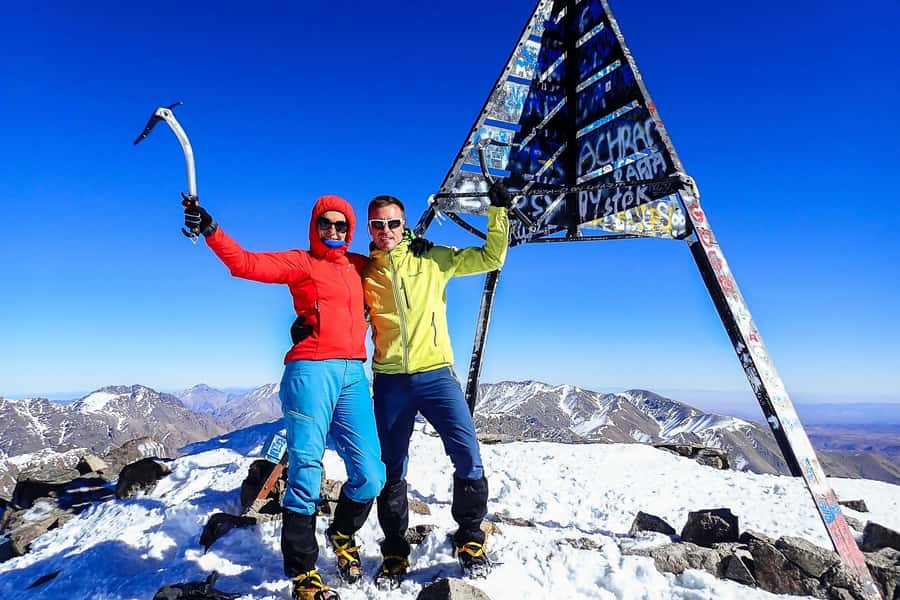
Mount Toubkal is the highest peak in North Africa, and this two-day route gives you a serious mountain goal without requiring a long expedition. You leave Marrakech at 8:00 am, walk from Imlil through Berber villages, sleep at 3,200 meters, then start the summit climb before sunrise.
I like the small group limit of 10, which lets the guide set a sensible pace and give help when the trail gets tough. I also like the combination of mountain scenery and local life, especially the walk through Aremd and the Mizane Valley, plus hot Moroccan food prepared by a dedicated cook.
The main caution is the schedule. Reaching the summit means climbing for three to four hours on day two after a demanding first day, and altitude can affect even fit hikers. Bad weather can also stop the summit attempt, as happened to one January group, though the guides arranged a challenging alternative hike.
Key points at a glance
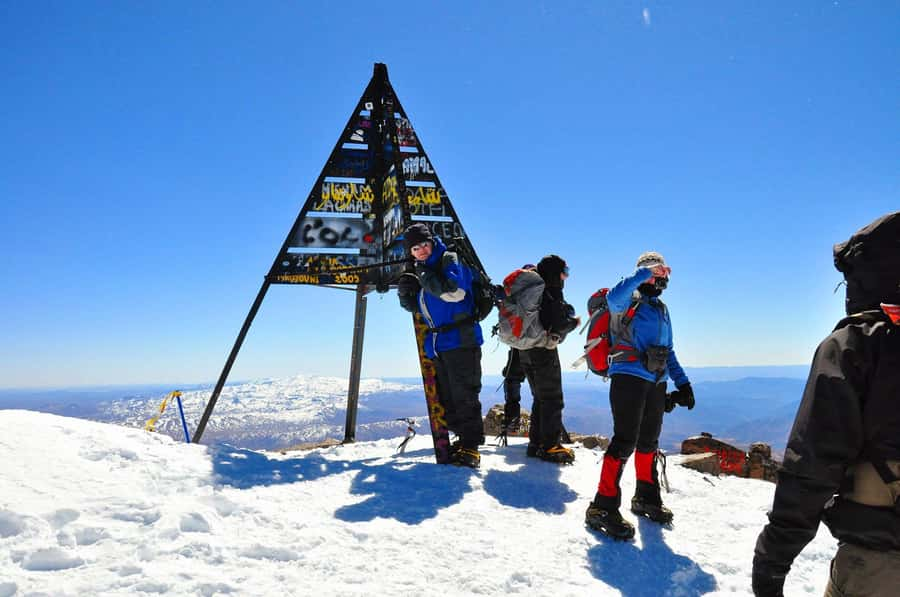
- 4,167-meter summit goal: Toubkal is North Africa’s highest peak, with wide Atlas Mountain views from the top.
- A long first day: You walk from Imlil at about 1,740 meters to the refuge at 3,200 meters.
- Pre-dawn summit start: Breakfast is around 5:00 am, followed by a 5:30 am climb for sunrise views.
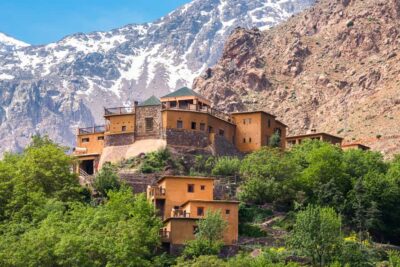
- Berber mountain villages: The route passes through Imlil, Aremd, and the Mizane Valley, with village encounters along the way.
- Food and refuge stay included: A cook prepares the meals, and you spend the night at the refuge or in a tent during summer.
- Guide support matters: Hassan, Mohamed, Mustafa, Hamid, Ismail, Houssain, Abdo, and Abdellatif are among the guides praised for patience, safety, and local insight.
Why this two-day Toubkal route works
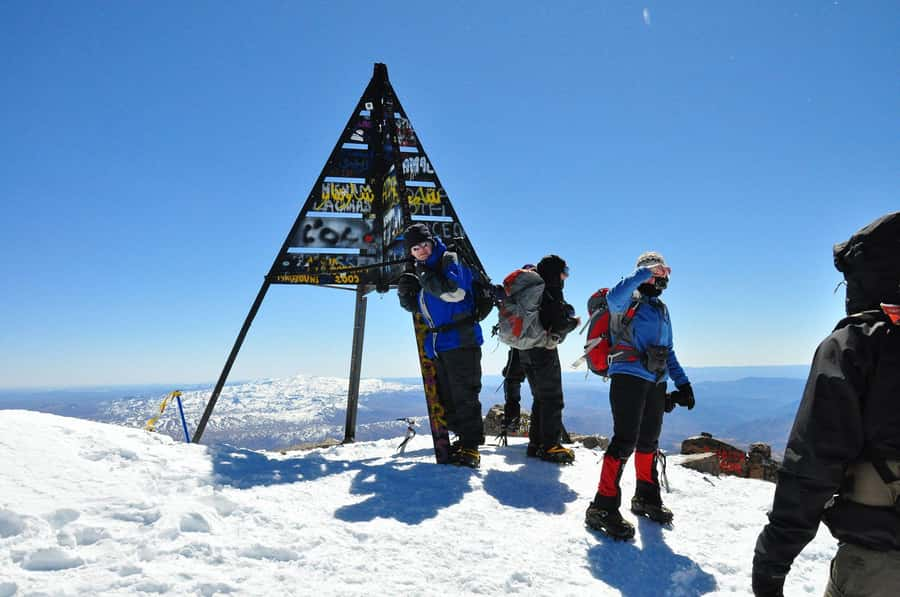
This is a compact mountain trip from Marrakech, but it is not a casual sightseeing outing. You gain altitude quickly, walk for several hours on both days, and need to handle an early start, cold conditions, and a steep summit push.
That compact schedule is also the appeal. You do not need to arrange separate transport, village lodging, meals, mountain staff, and a route plan. For $177 per person, the package includes transfers from Marrakech, an English-speaking guide, meals, a cook, one night at the refuge, drinks, snacks, and the return transfer.
I would not call the price a bargain in the simple sense. A determined independent hiker might arrange parts of the trip for less, but the price covers the pieces that are hardest to coordinate from Marrakech. It also gives you a guide who can change the plan if someone struggles or the weather turns poor.
The 4.3 rating from 45 reviews suggests a strong experience overall, with the clearest praise directed at the guides, food, organization, and personal support. The most useful lesson is this: the guide can make or break a high-altitude trip. Recent groups singled out Hassan’s patience with slower hikers, Mohamed’s careful summit briefing, and Houssain’s mix of safety advice and local stories.
More of the High Atlas from Marrakech:
- Marrakech: Atlas Mountains, Ourika Valley, Waterfall & Lunch
★ 4.8 · 15,834 reviews - Berber villages : Atlas Mountains Day Hike from Marrakech
★ 5.0 · 14,007 reviews - From Marrakech: Atlas Mountains Full-Day Hiking Trip w Lunch
★ 4.8 · 7,417 reviews
From Marrakech to Imlil at 1,740 meters
Pickup begins at 8:00 am from your Marrakech hotel. If your hotel has road access, the driver meets you in the lobby. If you are staying in a Medina riad that a car cannot reach, provide a WhatsApp number so the operator can arrange a meeting point.
The ride to Imlil is part of the change in mood. Marrakech’s streets give way to the Atlas Mountains, and the trek begins in Imlil at roughly 1,700 to 1,740 meters. This is where you meet the guide, organize your walking gear, and begin on foot.
You tour Imlil before moving toward Aremd and the Mizane Valley. The village setting gives the trip more character than a simple mountain ascent. You see how the route connects mountain communities, rather than treating the Atlas only as a backdrop for a summit photograph.
A small group of up to 10 people is a good fit here. You are large enough to have company but small enough for the guide to notice if someone is falling behind. The pace should still be discussed early, particularly if your group includes hikers with very different levels of experience.
Walking through Aremd and the Mizane Valley
The first day leads through Berber villages and onward through the Mizane Valley. This is the slower, more social part of the trek, when you have time to look around, ask questions, and settle into the rhythm of mountain walking.
The guides add value beyond navigation. Houssain was praised for explaining local culture, history, and daily life in the Imlil Valley. Other guides, including Baddi Hassan, have been noted for explaining Berber culture and the mountain itself. If you enjoy context as much as scenery, make use of the walking time and ask questions.
You stop for a picnic lunch near the shrine of Sidi Chamharouch at about 2,500 meters. It is a useful rest point because the first day is not just a gentle approach walk. You are already gaining a substantial amount of height before continuing toward the refuge.
The route is scenic, but you should not expect a flat trail. Good ankle-supporting boots, hiking socks, poles, and comfortable hiking trousers are sensible choices. Keep your day pack light, with water, sunscreen, sunglasses, a hat, snacks, rain gear, and a small first-aid kit.
The night at the Toubkal refuge
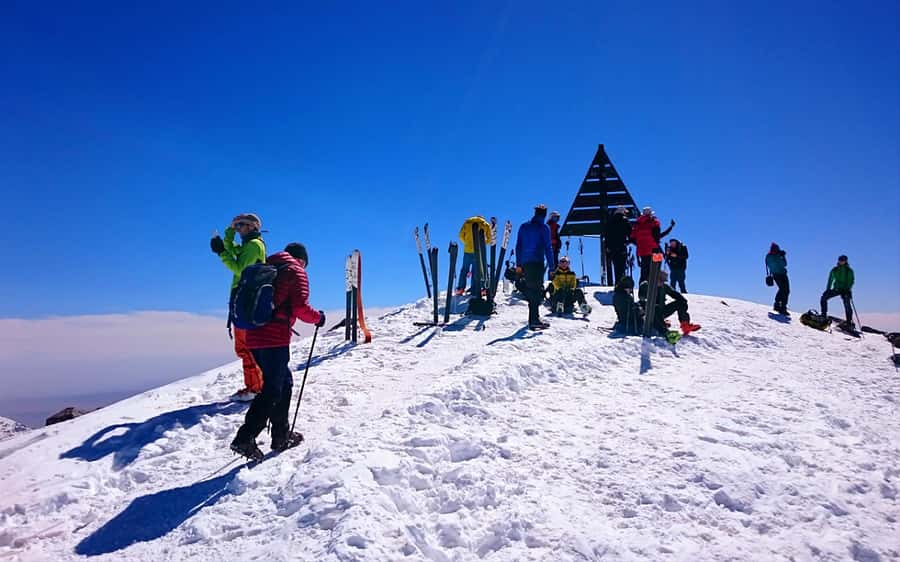
From Sidi Chamharouch, you continue up to the Toubkal refuge at about 3,200 meters. The refuge is the practical heart of the trip: it gives you a place to eat, rest, and prepare for the summit attempt.
You can expect mint tea, coffee, snacks, and a traditional Moroccan dinner. A dedicated cook prepares the meals, and the food has received especially strong praise. One group described the lunches, dinner, and breakfast as delicious, while another highlighted the tasty meals and good refuge conditions.
Do not picture a private mountain hotel. The information provided describes a refuge, with tents used during summer months. An optional shower is available, but the facilities should be approached as basic mountain accommodation rather than a comfortable overnight stay.
Altitude is the bigger issue. At 3,200 meters, some hikers may sleep poorly or develop symptoms of altitude sickness. The experience specifically excludes people with altitude sickness, and you should take any symptoms seriously rather than trying to prove toughness. A guide can help monitor the group, but you remain responsible for telling the guide how you feel.
A sleeping bag is listed among the recommended items. Bring warm clothing, gloves, a windproof fleece or softshell jacket, a headlamp or flashlight, and rain gear. Mountain temperatures can feel very different from Marrakech, even if the city was warm when you left.
Same base, a different sort of day:
- Marrakech: Agafay Desert Sunset, Camel Ride, and Dinner Show
★ 4.6 · 35,119 reviews - From Marrakech: Ouzoud Waterfalls Guided Hike and Boat Trip
★ 4.7 · 33,630 reviews - Marrakech: Agafay Desert Quad & Camel Rides with Dinner Show
★ 4.8 · 27,382 reviews - Marrakech: Agafay Desert Quad Biking Tour with Dinner-Show
★ 4.8 · 16,569 reviews
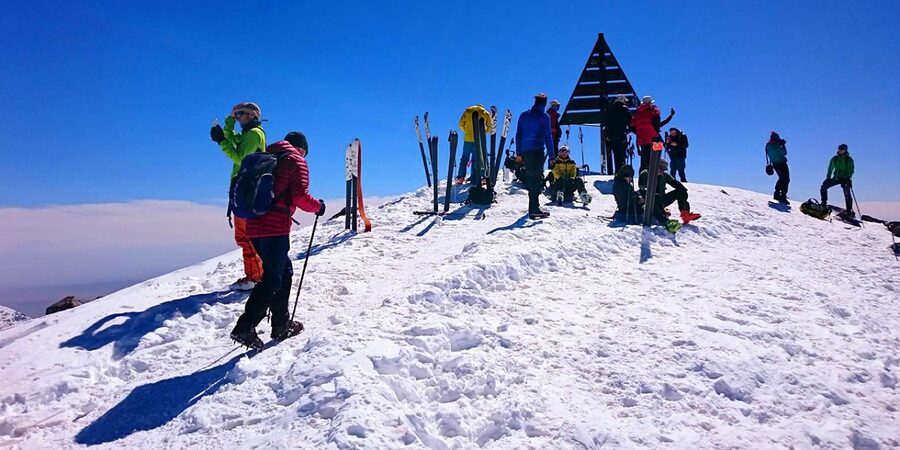
The 5:30 am climb to 4,167 meters
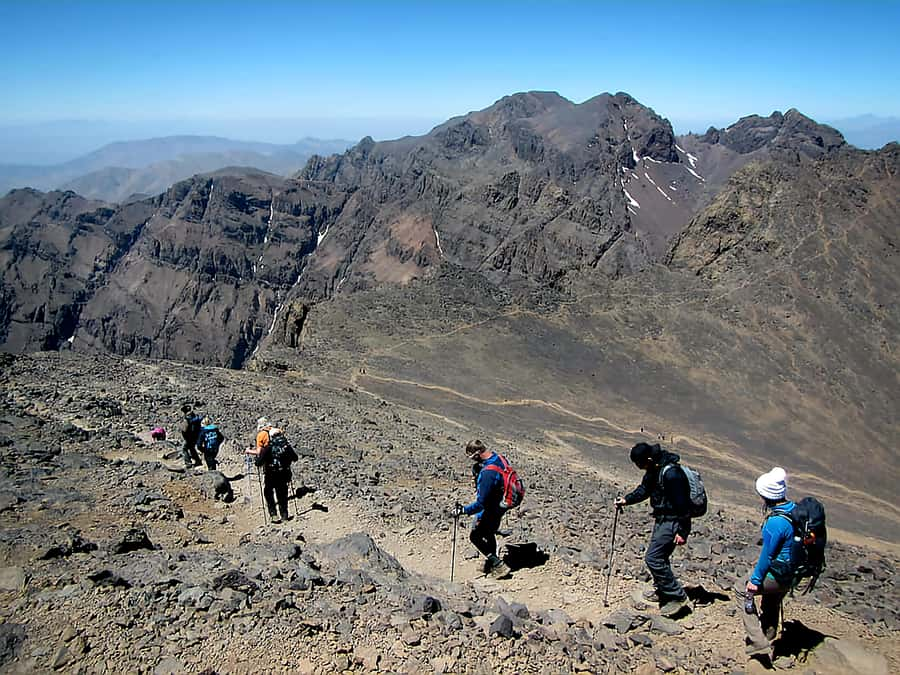
Breakfast is planned for around 5:00 am, with the summit climb starting at about 5:30 am. This early departure is practical, not decorative. It gives you a chance to reach the summit in the morning and, in suitable conditions, catch sunrise views over the High Atlas.
The summit section takes about three to four hours. You stop briefly for refreshments, then continue upward. The climb is likely to feel harder than the first day because of the altitude, the cold, the early hour, and the accumulated effort in your legs.
This is where guide support becomes most important. Hassan received particular praise for helping a slower hiker continue and for responding carefully when someone developed altitude sickness. Mohamed was praised for explaining the summit climb in detail before the group set off. Those are the small signs of a good mountain guide: clear instructions, patience, and attention to the whole group rather than only the fastest person.
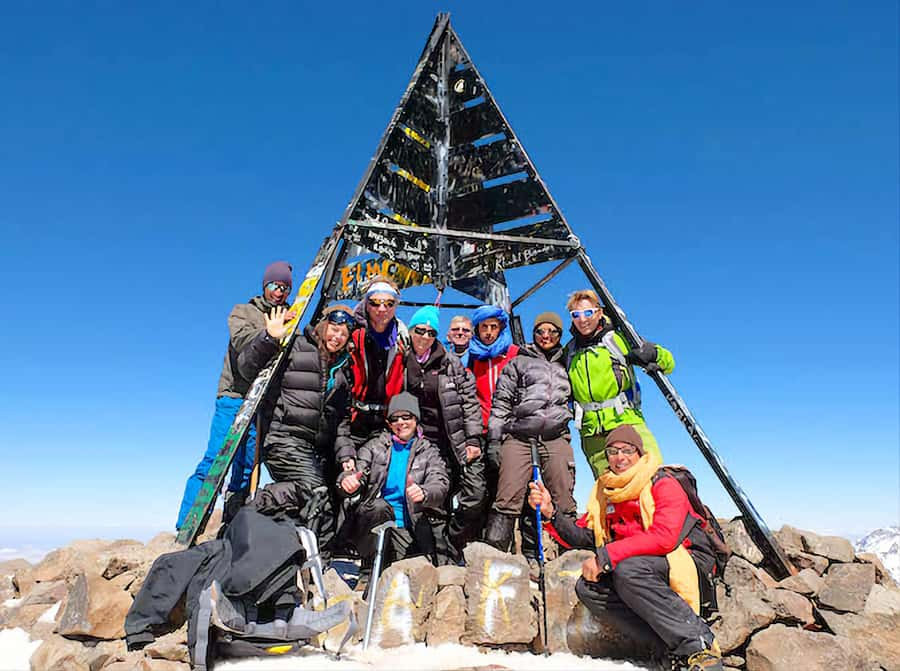
The plan allows about 25 minutes at the summit. Use that time for photographs, a drink, and a careful look at the Atlas views. Do not count on lingering for hours. Weather and temperature can change, and the descent back to the refuge still requires energy.
A summit is never guaranteed. In January, poor conditions prevented one group from climbing Toubkal. Most important, the guides did not simply abandon the outing. Mostafa and Mohammad arranged an alternative hike that still offered a physical challenge and kept the group safe. That is a good reminder that a responsible mountain day is more valuable than a risky summit attempt.
Descending to Imlil and Marrakech
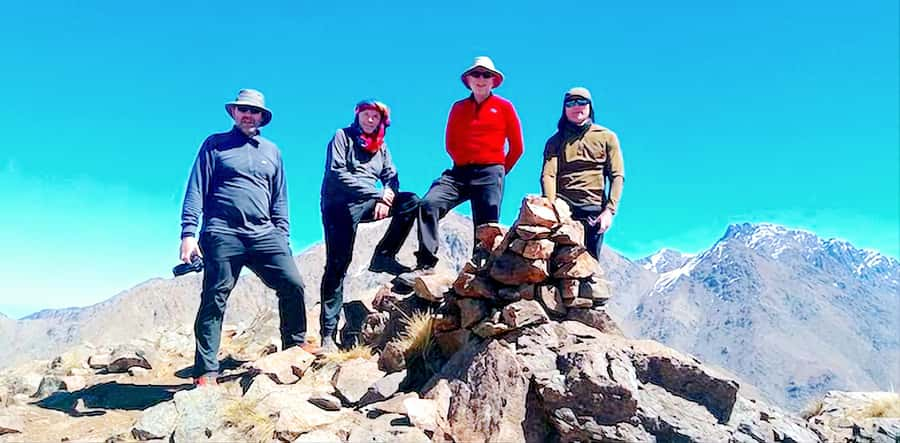
After reaching the summit, you descend to the refuge for lunch. You then follow the route back toward Imlil, passing again through the mountain valley before transferring to Marrakech.
The return walk may sound easy after the summit, but downhill sections can be tiring on knees and ankles. Hiking poles are useful here, especially if you are carrying a small backpack and your legs are tired from the morning climb.
The final transfer returns you to your Marrakech hotel. Since the trip starts and ends in the city, it works well for people with only a short stay in Morocco. It also means you do not need to arrange a separate taxi to Imlil or find your own way back after the descent.
What is included, and what needs clarification
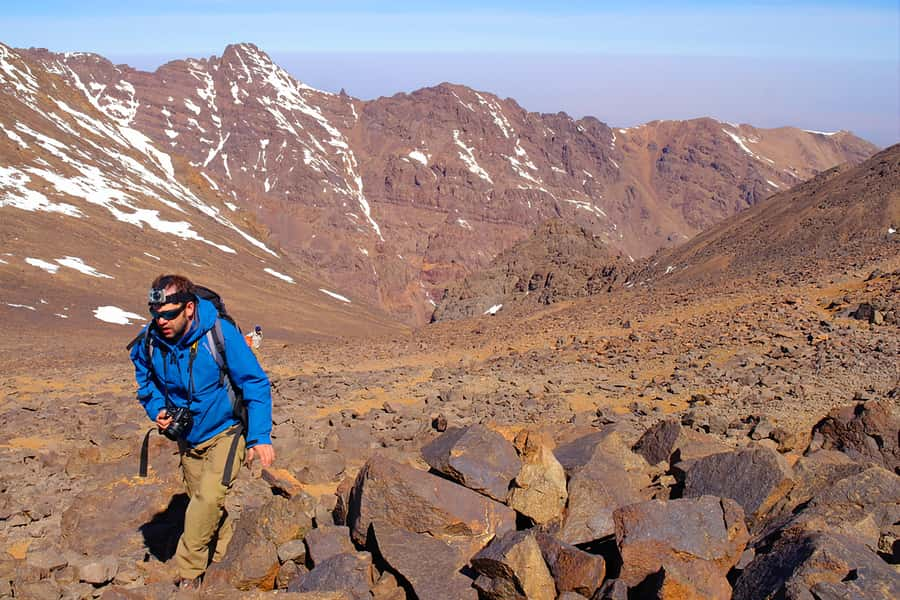
The package includes:
- Transport from Marrakech to the trailhead and back
- An English-speaking guide
- All meals during the hike
- A dedicated cook
- One night at the refuge
- Coffee, tea, and snacks
The equipment information needs careful reading. The details say equipment can be rented in Imlil, while another section lists equipment as included and also says equipment is not included. To avoid a surprise, assume technical equipment is not included in the $177 price unless confirmed before departure, and budget for rental in Imlil if needed.
At minimum, plan your own clothing and personal safety items. The recommended list includes robust waterproof hiking boots with ankle support, warm layers, gloves, a hat, sunglasses, sunscreen, water bottles, toilet paper, small bin bags, a headlamp, hiking poles, suitable socks, and a small first-aid kit.
You should also carry one or two small backpacks for personal belongings. Keep your load practical. You need enough warmth for the refuge and summit, but an overloaded pack will make the climb harder.
Who should book this trek
This trip suits you if you already enjoy long day hikes and want a clear challenge during a Marrakech visit. You do not need to be an expert mountaineer based on the information provided, but you do need reasonable fitness, suitable footwear, and the ability to walk uphill for several hours.
It is especially useful for a mixed group because the guide can adjust the pace. Hassan’s support of a slower hiker shows why a patient guide matters. Still, a small group is not a private tour, so you should be comfortable sharing the pace and facilities with other people.
I would not choose this trip if you want a relaxed Atlas Mountains visit with plenty of free time. The itinerary is tight, and the second day demands an early start followed by a long summit climb and descent.
The activity is not suitable for pregnant women, babies under one year, people over 130 kilograms, or people with altitude sickness. The operator also recommends choosing good weather. Those limits are sensible for a high mountain route, but you should still consider your own fitness and health before booking.
Booking details worth knowing
The tour offers free cancellation up to 24 hours in advance and allows you to reserve now and pay later. The guide language options are unusually broad: Arabic, Dutch, French, English, Japanese, Korean, Polish, Spanish, and Portuguese.
If you stay in a Marrakech Medina riad, do not assume the vehicle will reach your door. Send a WhatsApp number during booking so the operator can confirm the pickup point. That small step can prevent a rushed morning walk through unfamiliar streets.
The group size is limited to 10 people. Guide names can vary, so you may be led by Hassan, Mohamed, Mustafa, Hamid, Ismail, Houssain, Abdo, or Abdellatif. The strongest pattern across the experience is not one single guide, but the repeated emphasis on patience, encouragement, safety, local explanations, and food prepared during the trek.
Should you book the Mount Toubkal trek?
Book it if you want the highest peak in North Africa, a two-day schedule, Berber village scenery, a refuge night, and a guide-supported climb from Marrakech. The $177 price is fair for the transport, meals, cook, refuge stay, and mountain guidance, especially if you value having the difficult logistics handled for you.
Think twice if you dislike basic accommodation, cold early mornings, steep uphill walking, or plans that depend on mountain weather. Pack properly, confirm the equipment arrangement, and judge success by having a safe mountain day, not only by standing on the summit.
FAQ
How high is Mount Toubkal?
Mount Toubkal reaches 4,167 meters and is the highest peak in North Africa.
How long does the trek last?
The experience lasts two days, including transport from Marrakech, the overnight refuge stay, the summit attempt, and the return to Marrakech.
Where does the trek begin?
The walking portion begins in Imlil, at approximately 1,700 to 1,740 meters above sea level.
What route does the trek follow?
The route passes through Imlil, Aremd, the Mizane Valley, and the shrine of Sidi Chamharouch before reaching the Toubkal refuge.
How early does the summit climb start?
Breakfast is planned for around 5:00 am, and the summit climb begins at approximately 5:30 am.
How long does the summit ascent take?
The climb from the refuge to the summit takes about three to four hours, with a short refreshment break along the way.
Where do you sleep?
You sleep at the Toubkal refuge. During summer months, accommodation may be in a tent.
Are meals included?
Yes. All meals during the hike are included, and a dedicated cook prepares them. Coffee, tea, and snacks are also available.
Is hiking equipment included?
The information says equipment can be rented in Imlil, but it also contains conflicting statements about whether equipment is included. Confirm this before departure and be prepared to rent equipment separately.
What happens if weather prevents the summit climb?
The guides may arrange an alternative hike. One group unable to climb Toubkal because of weather still completed a challenging alternative route.
Just added in Marrakech
- Quad Ride In The Agafay Desert★ 5.0 · 39 reviews
- Quad Biking Agafay desert★ 5.0 · 20 reviews
- Marrakech: Tailor-Made City Tour With Your Own Private Guide★ 4.9 · 236 reviews
- Surf Training and Lunch on Essaouira Day Trip from Marrakech★ 4.9 · 51 reviews
- Essaouira: Surf Trip from Marrakech★ 4.9 · 31 reviews
- Marrakech palm grove: Sunset camel ride★ 4.8 · 194 reviews
- Marrakech: Sunrise Desert Tour with Camel Ride and Breakfast★ 4.4 · 36 reviews
- Marrakech : Agafay Desert Sunset Camel Ride & Luxury Dinner★ 4.3 · 39 reviews
Atlas Mountains Day Trips, compared.
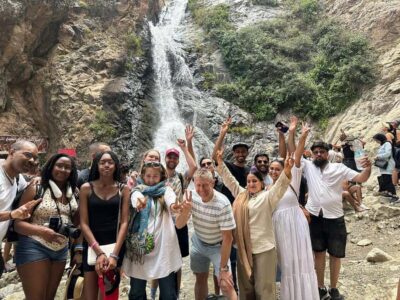
Atlas Mountains, Ourika Valley, Waterfall & Lunch
Read our review →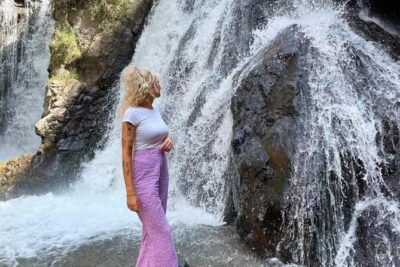
Berber villages : Atlas Mountains Day Hike from Marrakech
Read our review →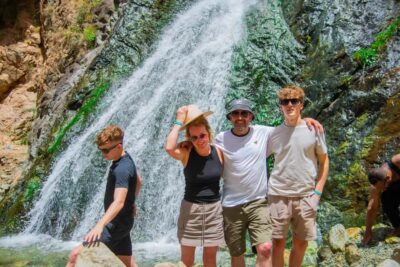
Ourika Waterfalls, Atlas Mountains, Guide + Lunch
Read our review →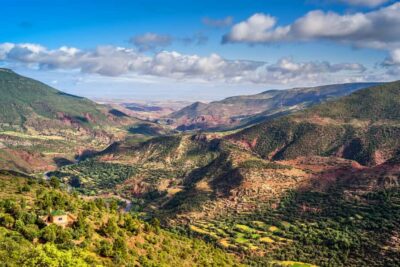
Atlas Mountains & Agafay Desert Tour w Camel Ride
Read our review →
Atlas Mountains, Waterfalls, Ourika Valley +Lunch
Read our review →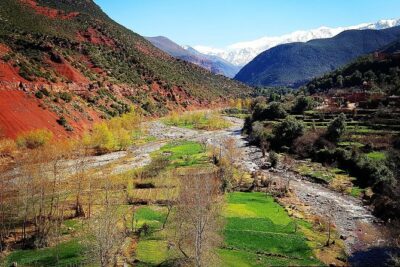
Atlas Mountains & 5 Valleys Tour from Marrakech – All inclusive –
Read our review →Browse the lists this tour appears in