
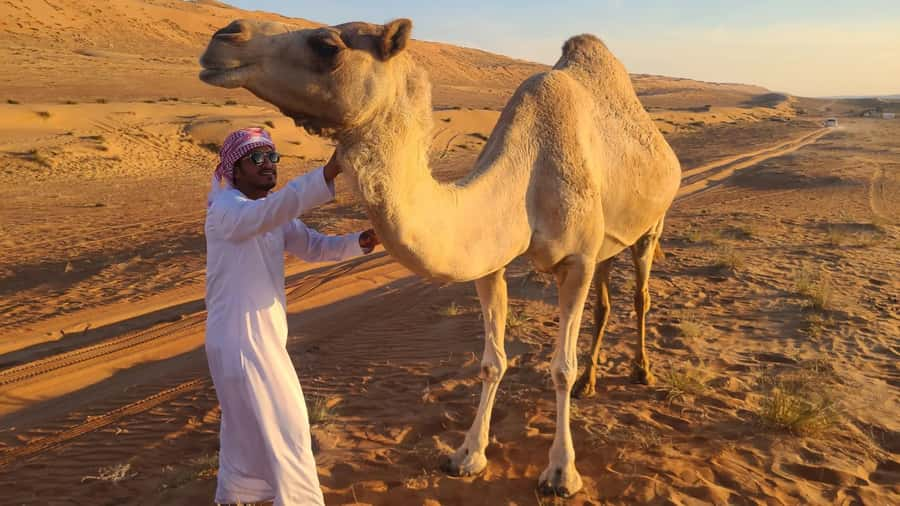
Reviewed · SAHARA DESERT TOURS
From Agadir: Sahara Desert Day Trip and Camel Ride
The most unusual part of this Agadir day trip is how much ground it covers without pretending to be a full Sahara expedition. You move from fishing caves and banana fields to Tiznit’s silver shops, a family lunch, and golden dunes where a short camel ride makes an easy photo stop.
I like the mix of local culture and scenery, especially the homemade Berber meal with mint tea and the chance to see argan, pottery, and silver crafts in their working settings. I also like the off-road sections through the Anti-Atlas, which add some fun to what would otherwise be a long sightseeing drive. The main drawback is the packed nine-hour schedule, plus a camel ride of only about five minutes.
Key points to know before booking
- Sidi Rbat’s fisherman caves: Walk beside a coastal community where fishermen still use caves cut into the cliffs.
- Tiznit’s silver tradition: Explore the old ramparts and browse shops in Morocco’s well-known silver center.
- A real Berber meal: Lunch is served in a family home, with tagine or couscous, fresh ingredients, and a tea ceremony.
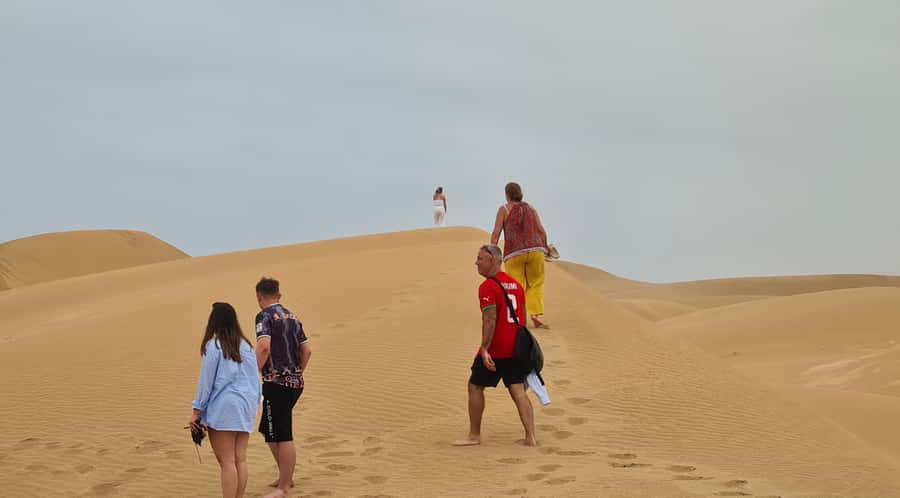
- Mini Sahara, not the deep desert: The dunes offer sand, quiet, and a camel photo opportunity, but not a long camel trek.
- Off-road driving included: The 4×4 route through villages and the Anti-Atlas is one of the liveliest parts of the day.
- Guide quality matters: Guides including Lahcen, Hicham, Lasan, Mohammed, and Omar have been praised for friendly service, careful driving, and clear explanations.
What this Agadir to Mini Sahara trip really offers

This is a broad sampler of southern Morocco, not a single-site tour. In roughly nine hours, you see the Atlantic coast, the Massa Valley, Berber villages, Tiznit, craft workshops, and a small desert area before returning to Agadir.
That variety is the reason to book it. If you have only a few days in Agadir, you get several distinctly different settings in one outing. The tradeoff is time. You will spend many hours in a vehicle, and most stops are introductions rather than long visits.
The tour costs about $56 per person. That includes pickup and return, a modern air-conditioned 4×4, driver-guide, site visits, lunch, and the camel ride. Taken separately, transport, a full meal, and a private-style route through several areas could add up quickly, so the price is fair for a full day.
Still, value depends on your expectations. You are not paying for a long desert camp stay, a serious camel trek, or a slow food tour. You are paying for a well-filled day with plenty of variety and the convenience of having someone else handle the driving.
Other camel rides in Agadir people book:
- Agadir: Camel Ride With Tea & BBQ Dinner Option
★ 4.2 · 873 reviews - Agadir/Taghazout: Camel Rides with Tea Drink and Transfers
★ 4.3 · 548 reviews - From Agadir: Camel Ride and Flamingo Trek
★ 4.7 · 371 reviews
Leaving Agadir in a 4×4
Pickup is available from Agadir city, Taghazout, Tamraght, and Awrir when you choose the correct option. Cruise passengers meet the guide outside the main entrance to the port. The return can be made to Agadir, Taghazout, or the Port de Commerce.
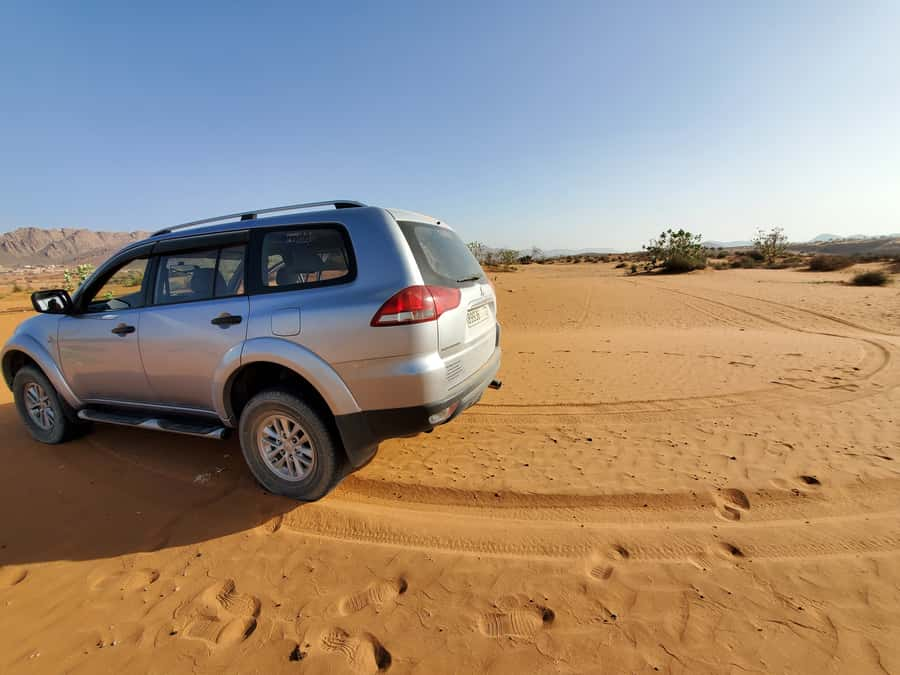
The vehicle is a modern air-conditioned 4×4 or SUV. That matters here because the day combines ordinary roads with rougher tracks and off-road sections. One useful warning comes from the vehicle layout: a previous passenger found the back seats cramped when two people shared them. If you are tall or dislike tight seating, ask about the vehicle setup before you commit.
The driving itself is part of the appeal. The road takes you south from the busy streets of Agadir toward villages, fields, and the Anti-Atlas foothills. Guides such as Mohammed have been praised for safe driving and for making the journey comfortable for people speaking different languages.
The main guide languages are English, French, and German. Names praised for friendly, helpful guiding include Lahcen, Hicham, Lasan, Mohammed, and Omar. The guide can make a major difference on a day with so many stops, since the best moments often come from explanations about local life rather than from simply looking at a view.
Sidi-Bibi and the first rural views
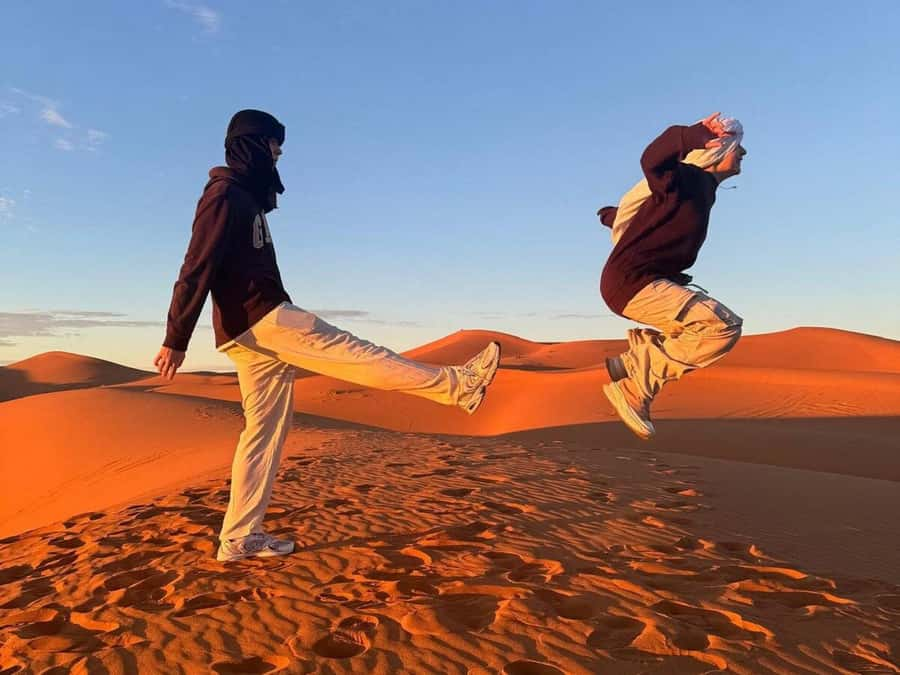
An early stop around Sidi-Bibi gives you a first look at rural life south of Agadir. The schedule allows about 45 minutes for a visit, photos, and shopping.
Do not expect a major monument here. The value is in seeing the change from the city to smaller communities and agricultural areas. Depending on the day’s route, this is also where you may begin hearing about argan production and local crafts.
Because the itinerary can change slightly with weather and local conditions, the exact order of stops is not fixed. That flexibility can be useful, but it also means you should treat the published timing as a guide rather than a minute-by-minute promise.
Sidi Rbat Beach and the fisherman caves
Sidi Rbat Beach is one of the day’s most distinctive stops. Fishermen still live and work in caves cut into the coastal cliffs, giving the shore a practical, lived-in character rather than the polished feel of a resort beach.
You have about 45 minutes for a walk, photos, free time, and sightseeing. Bring shoes with a firm sole. The ground can be uneven, and the tour already involves walking around villages, medina streets, and sand.
I would put this stop near the top of the day’s list. It gives you a close look at a coastal way of life that is easy to miss if you stay in Agadir. The sea, cliffs, and fishing activity also create a welcome change after the initial drive.
The beach stop is not a long coastal hike. You will have enough time to see the caves and take photographs, but not to linger for half a day. Keep your camera and sunglasses handy, and follow the guide’s advice around uneven ground.
Other runs out to the dunes from Agadir:
- Agadir/Taghazout/Port: Sahara Desert 4×4 Day Trip with Lunch
★ 4.5 · 438 reviews - From Agadir: 4×4 Jeep Sahara Desert Tour with Lunch
★ 4.4 · 434 reviews - From Agadir/Taghazout: Sahara Sand Dunes with Transfer
★ 4.3 · 214 reviews - Jeep safari 4×4 mini sahara desert with Berber Lunch
★ 5.0 · 130 reviews
The Massa Valley, tea, and village life
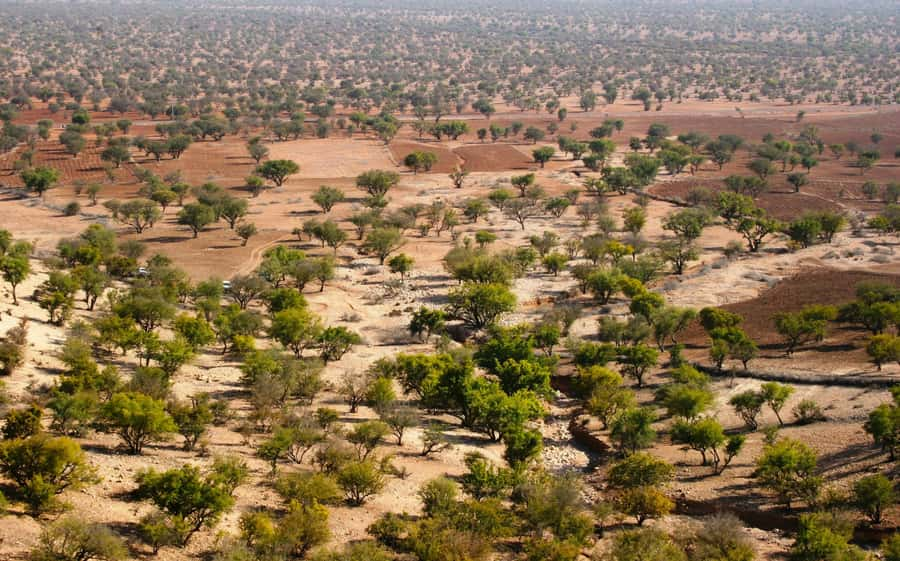
The route continues through the Massa Valley, known here for banana plantations, fertile fields, and views toward the Anti-Atlas. This section helps explain why the region is more than dry hills and sand. Irrigated farmland gives the valley a different look from the nearby coast.
A stop at a traditional Berber house offers mint tea and a chance to hear about local daily life. The tea ceremony is not just a refreshment break. It is a small but useful window into hospitality and household traditions.
I especially like this part of the day because it slows the pace. After the vehicle rides and photo stops, sitting down with tea gives you time to ask questions. Ask about argan oil, farming, family life, and the difference between the areas you pass through. The guide’s explanations are most useful when you connect them to what you can see outside.
The itinerary also allows time for lunch and a guided visit in the Souss-Massa area. This is where the day’s cultural pieces begin to fit together: agriculture, Berber homes, food, and craft production.
Tiznit, silver shops, and old ramparts
Tiznit is one of the major stops, with time to walk around the old ramparts, browse jewelry shops, and explore the medina. The town is widely associated with Moroccan silver work, so this is the natural place to look at Berber-style jewelry.
The silver stop can be interesting even if you are not shopping. You can see the designs, ask how pieces are made, and compare the work with the argan and pottery items seen elsewhere in the day. If you do buy something, keep personal spending in mind because shopping is not included.
The schedule gives you an introduction rather than a long independent visit. The streets of the medina can be uneven, and you should stay aware of the group meeting time. This is not the place to wander without a watch if you want to keep the rest of the itinerary on track.
Some versions of the day include a silver workshop, a pottery workshop, and an argan oil cooperative. These visits give the route more substance, but they also add a shopping element. You are not required to buy anything. Treat each stop as a chance to understand local production, then decide for yourself if a purchase makes sense.
Argan oil, pottery, and the shopping question
Argan and pottery cooperatives are useful stops because they show how regional products reach visitors. You may see demonstrations or learn about the work involved before being shown items for sale.
The argan stop is especially relevant in this part of Morocco, where the trees and their products are an important part of local commerce. Pottery offers a different view of handcraft, with practical objects and decorative pieces.
I would keep an open mind but a firm budget. Cooperative visits can be informative, yet a full day with several shopping stops can feel commercial if you are hoping for uninterrupted scenery. The best approach is to listen, ask questions, and buy only what you genuinely want.
A previous passenger called the pottery stop a highlight, while others enjoyed the silver and argan visits. That tells you something useful: these workshops will appeal most if you like crafts, local products, and a little browsing. If shopping is not your thing, keep the visits brief and focus on the demonstrations.
A homemade Berber lunch with mint tea
Lunch is served in a welcoming family home and is included in the price. Dishes may include tagine or couscous made with fresh local ingredients, followed by tea. One account described the meal as a three-course lunch with tea.
This is one of the strongest reasons to choose this trip over a basic sightseeing transfer. Eating in a family setting gives the day a human center. You are not just moving from one attraction to the next; you are sharing a meal in the region you have been crossing.
The meal is not presented as a fine-dining event. It is a generous local lunch, and the setting matters as much as the food. Vegetarian meals are available, but request one in advance.
Extra drinks and personal expenses are not included, so bring some money. The tour data does not specify every dish or drink, and the menu may vary according to the household and season.
Reaching the Mini Sahara dunes

In the afternoon, the route reaches the Mini Sahara Desert dunes in the Souss-Massa area. The sand gives you the desert scene many people hope to see from Agadir, but you should understand the scale before booking.
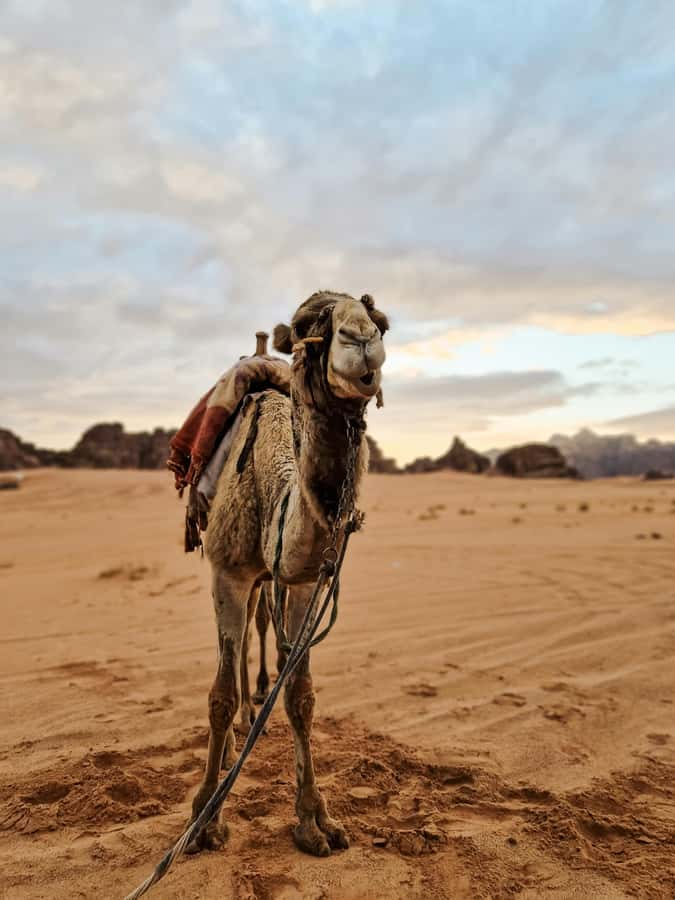
This is a short desert visit, not a trip into the far Sahara. You get golden dunes, open views, time to walk and take pictures, and a brief camel ride. The ride lasts about five minutes and is meant as a fun photo opportunity rather than a long trek.
That short duration will please some people and disappoint others. If you have never sat on a camel, five minutes is enough to try it without committing to a tiring ride. If camel riding is a major reason for your trip, this tour will feel too limited.
The dunes are also a good place to slow down. Sit for a moment, take in the quiet, and notice how different the sand feels from the coast and farmland earlier in the day. Wear closed, comfortable shoes because walking on sand is harder than it looks.
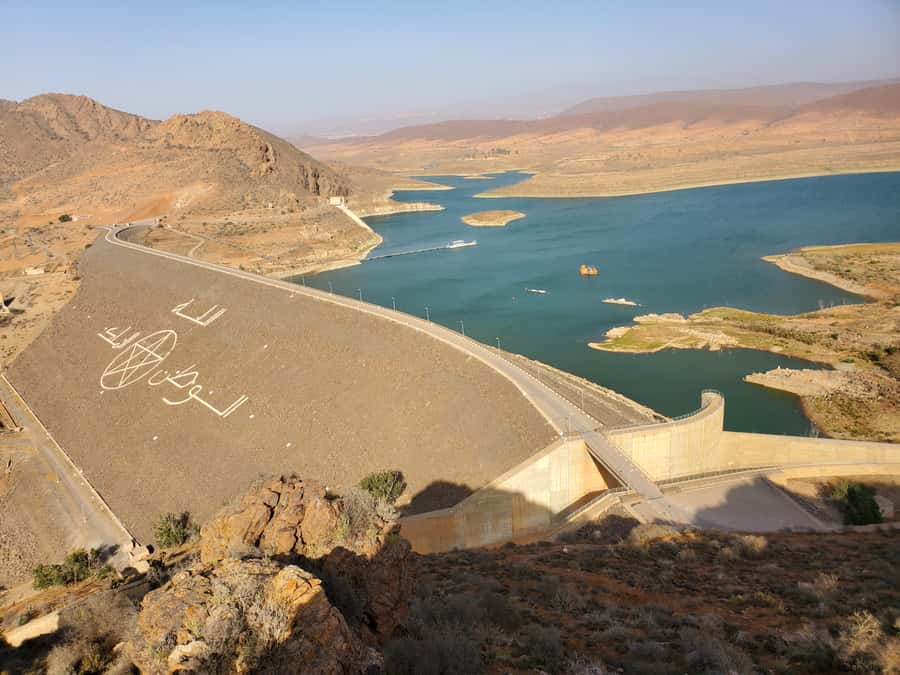
Some outings have also included wildlife viewing or a stop near the dam. These details can vary with local conditions and the exact route, so do not treat them as guaranteed highlights.
The return journey and the day’s pace
After the dunes, you return to Agadir in the evening, with drop-off options including Agadir, Taghazout, and the Port de Commerce. The full day runs about nine hours, though the exact start time depends on availability and the selected pickup point.
The pace is active. You will walk on uneven surfaces, climb around village and coastal areas, move through medina streets, and cross sand. The tour is not suitable for wheelchair users or people with mobility impairments.
Bring comfortable shoes, sunglasses, a hat, and sunscreen. Sun exposure can be strong even in winter. From November through March, pack a light jacket because the early and late parts of the day can feel cool.
Large bags and luggage are not allowed, and pets are not permitted. Children can join, but an adult must accompany them.
What the guides add to the day
The strongest part of this trip may be the guide rather than any single stop. Lahcen has been praised for explaining Arabic and Berber culture, while Hicham was described as friendly, relaxed, and full of information about Moroccan life. Lasan was noted for making extra stops and sharing more context than expected.
Mohammed has been praised for careful driving, several languages, and a thoughtful approach to special occasions. Omar was described as considerate when a group included people speaking different languages.
These details matter because the route contains no single blockbuster sight. The day works through a series of smaller encounters. A guide who explains the fishing caves, points out changes in farming, and gives context at the silver and pottery stops can turn a long drive into a useful day out.
The experience has an overall rating of 4.6 from 87 ratings. The repeated strengths are friendly guides, good driving, varied stops, the off-road section, the fisherman’s caves, and the meal. One earlier outing started late and missed the camel ride and flamingos, so keep in mind that timing and local conditions can affect what you see.
Who should book this day trip
I would recommend it to you if you want a wide sample of southern Morocco but do not have time for an overnight desert trip. It suits first-time visitors to Agadir, cruise passengers with a full day available, families with children who can manage walking, and anyone interested in food, crafts, villages, and scenery.
It is also a good choice if you enjoy road trips. The off-road driving, changing scenery, and mix of coast, fields, medina, and dunes give the day plenty of movement.
I would hesitate if you want a quiet, slow-paced outing. You may find the schedule busy, the vehicle tight in the back, and the shopping stops less appealing. I would also choose a different trip if your priority is a long camel trek or a true overnight Sahara camp.
Cancellation is free up to 24 hours before departure, and you can reserve now and pay later. Those terms help if your Agadir plans are still shifting, but check the pickup option carefully, especially if you are staying in Awrir or Tamraght and need to book through the Taghazout pickup choice.
Should you book it?
Book this tour if you want one full day that links the Atlantic coast, Berber culture, Tiznit, regional crafts, a home-cooked meal, and small desert dunes. The price is sensible because transport, lunch, guiding, and the camel ride are bundled together.
Go in with clear expectations: this is a busy regional sampler, not a deep desert expedition. If that sounds like the right balance, the fisherman caves, friendly guides, off-road route, and family lunch make it a strong use of a day outside Agadir.
FAQ
How long does the Agadir Sahara day trip last?
The experience lasts about nine hours to one day. Starting times depend on availability and the pickup option you select.
Is hotel pickup included?
Yes. Pickup and return are available from Agadir city, Taghazout, Awrir, and Tamraght when you book the correct option. Cruise passengers meet the guide outside the main entrance to the port.
How long is the camel ride?
The camel ride lasts about five minutes. It is intended as a short, fun photo opportunity, not a long trek.
Is lunch included?
Yes. A homemade Berber lunch is included, with dishes such as tagine or couscous and a tea ceremony. A vegetarian meal is available if you request it in advance.
What languages does the guide speak?
Live guiding is available in English, French, and German.
Is the tour suitable for wheelchair users?
No. The tour is not suitable for wheelchair users or people with mobility impairments. It includes walking on uneven ground, in medina streets, around villages, and on sand.
What should I bring?
Bring comfortable shoes, sunglasses, a sun hat, and sunscreen. A light jacket is useful from November through March, when mornings and evenings can be chilly. Large bags, luggage, and pets are not allowed.
More camel rides elsewhere in Morocco
- Agadir Camel Rides with Tea Drink & cakes
★ 4.5 · 259 reviews - Agadir Camel Ride with barbecue
★ 4.5 · 237 reviews - From Agadir: Jeep Desert Safari with Lunch and Camel Ride
★ 4.5 · 214 reviews - Agadir: Paradise Valley & Desert Sand Dunes with Camel Ride
★ 4.6 · 198 reviews
Just added in Agadir
- boat trip from 9 am to 3 pm fishing & swimming & barbecue & dessert★ 4.0 · 36 reviews
- Sandboarding guided experience from Agadir&Taghazout★ 5.0 · 39 reviews
- Agadir airport Transfers to or from agadir hotels★ 5.0 · 66 reviews
- Jeep 4×4 Safari Desert Dunes & Atlantic Ocean with Berber Lunch★ 4.5 · 45 reviews
- Agadir Jeep Safari Desert Day Trip including Lunch & camel ride★ 5.0 · 24 reviews
- Visit Taroudant and Tiout 1 day From Agadir★ 4.5 · 24 reviews
- 8 Day Outstanding Surf & Yoga Holiday in Tamraght, Agadir★ 5.0 · 18 reviews
- Buggy cfmoto 1000 in Agadir★ 4.5 · 40 reviews
Sahara Desert Tours, compared.
3-Day Marrakech to Fes Sahara Desert Tour via Merzouga
Read our review →

Sahara Desert 2-Day Tour with Merzouga Camp Stay
Read our review →
From Marrakech 4 Days Tour To Morocco Sahara Desert
Read our review →Browse the lists this tour appears in