
Reviewed · MARRAKECH PALACES & GARDENS
Marrakech: Bahia Palace, Saadian Tombs & Medina Guided Tour
Marrakech reveals itself best on foot, and this tour puts you inside its old city rather than whisking you past it in a vehicle. You move from Jemaa el Fna to the Saadian Tombs, the Kasbah, Bahia Palace, and the souks, with a guide explaining what you are seeing and how the city works.
I like the strong first-day value: you get your bearings quickly, and the guide can help you handle the Medina’s twisting lanes. I also like the mix of grand architecture and working craft shops, where pottery, woodwork, metalwork, spices, and leather goods are part of daily commerce. The catch is simple: this is a serious walking tour, with queues possible at the tombs and two important entrance fees added to the low headline price.
Key points to know before booking
- The Saadian Tombs are the tour’s most time-sensitive stop: The small complex can develop a long internal queue, especially at busy times.
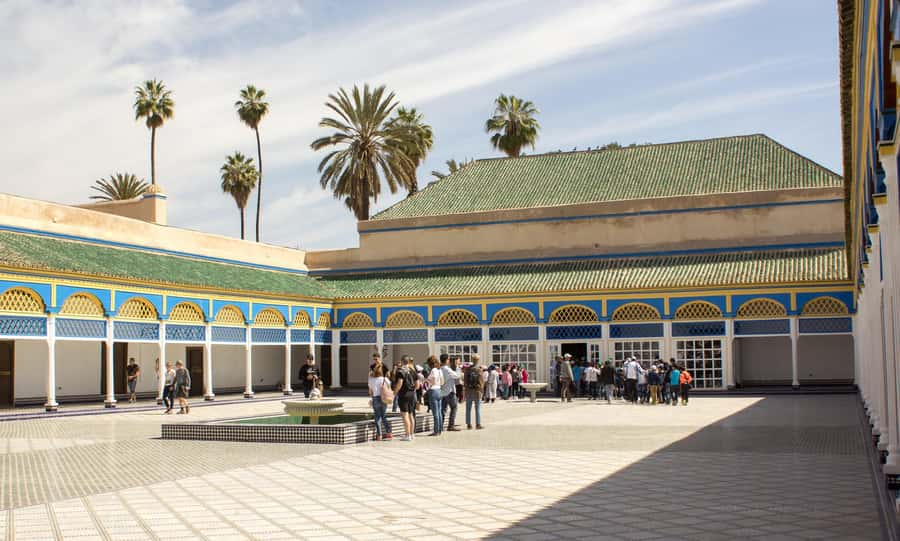
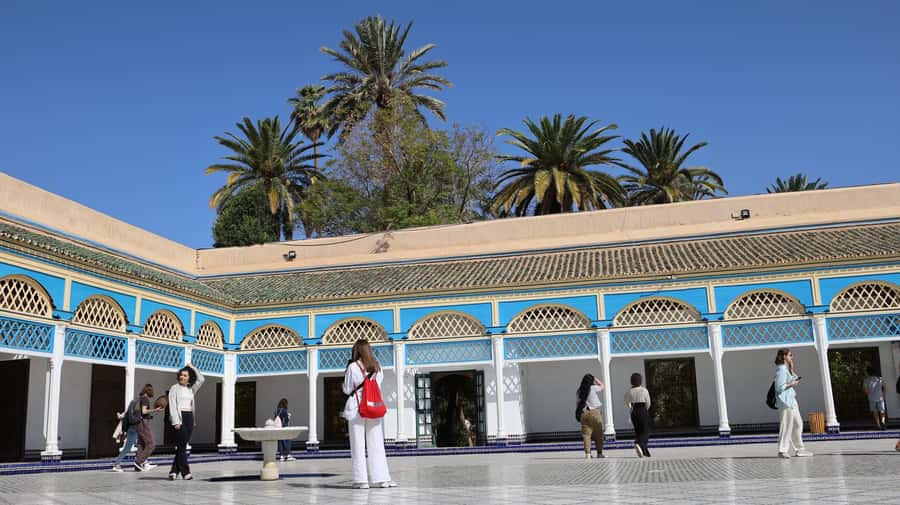
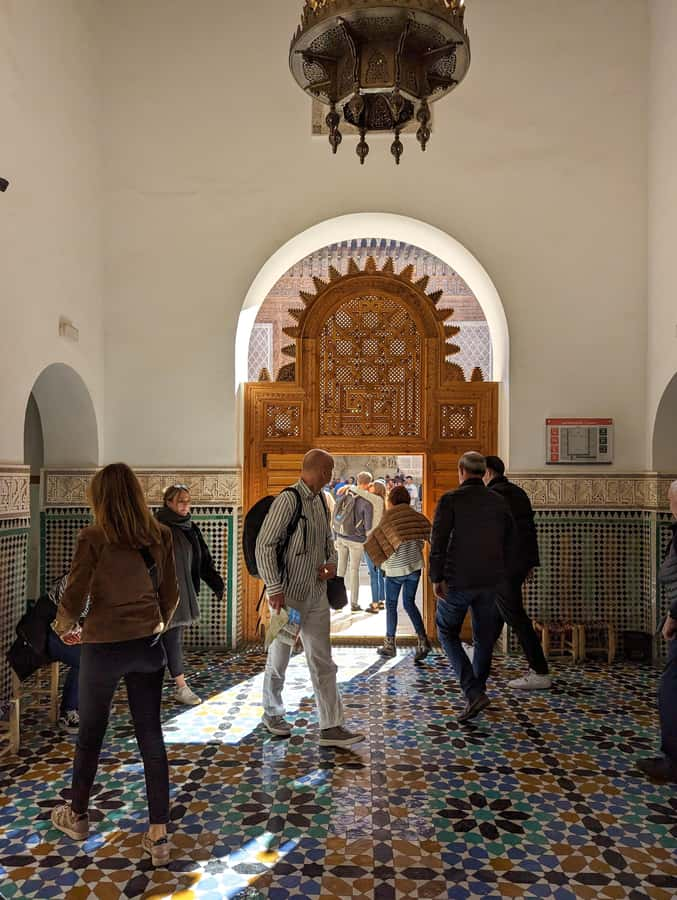
- Bahia Palace rewards a guided visit: Its courtyards, cedar ceilings, mosaic floors, and carved stucco make more sense when someone explains how the palace was built.
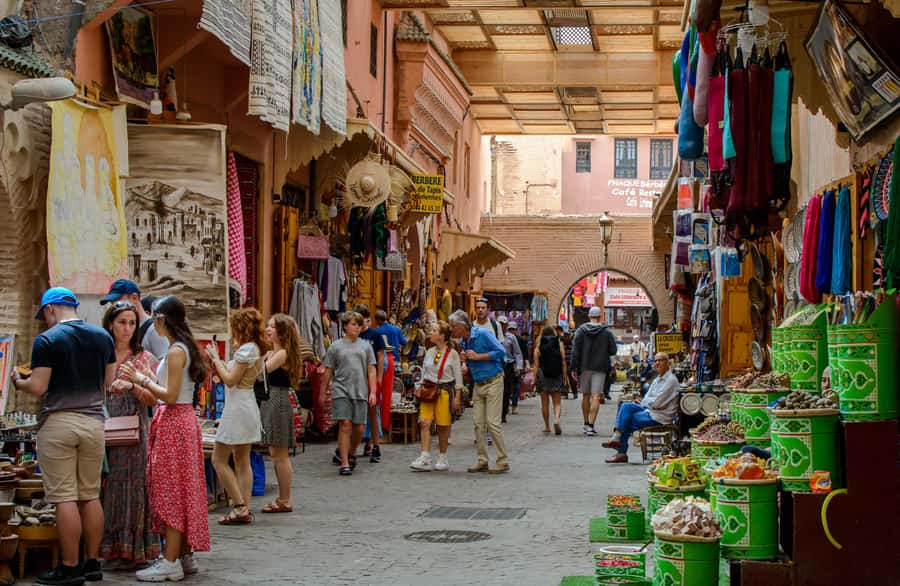
- The Medina portion is practical as well as scenic: You pass souks and workshops, learn how to move through the lanes, and get an introduction to local crafts.
- Koutoubia Mosque is an exterior stop: Entry is restricted to Muslims during prayer times, so the visit focuses on the outside.
- The $18 price is not the final cost: Bahia Palace and the Saadian Tombs cost 100 MAD each per adult, payable in cash.
- Bring water and good shoes: The tour lasts about four hours and includes narrow lanes, uneven surfaces, standing, and a steady amount of walking.
Starting at Jemaa el Fna, Marrakech’s useful orientation point
The meeting point is in front of Café de France on Jemaa el Fna, the square at the center of the old city. If you are staying in a riad inside the Medina and have chosen the private option, the guide may meet you at your accommodation’s reception instead.
Café de France is easy to recognize, but it is not always quiet or orderly. Several groups often gather around the square, so confirm the guide’s name and meeting point through the WhatsApp message sent before the tour. Guides on this route have included Hassan, Youness, Mustapha, Mouhssine, Ahmad, Yassine, and others.
Jemaa el Fna changes with the hour. During the day, you may see juice stalls, snake charmers, and storytellers. Later, food stands, music, and lights give it a different feel. The scheduled visit here is short, so do not expect a full market tour at the opening or closing stop. Think of it as your map point and a first glimpse of Marrakech’s public stage.
For a first day in the city, this is a smart beginning. You learn where the square sits in relation to the Kasbah, the souks, and the palace quarter. That basic orientation can save you from feeling completely turned around later.
Other medina and souk tours in Marrakech people book:
- Marrakech: Bahia Palace, Saadian Tombs, Souk and Medina Tour
★ 4.7 · 4,974 reviews - Marrakech: Ben Youssef, Secret Garden, & Souks Walking Tour
★ 4.6 · 2,802 reviews - Marrakech: Colorful Medina Souks Guided Walking Tour
★ 4.7 · 2,470 reviews
The Saadian Tombs and the cost of waiting
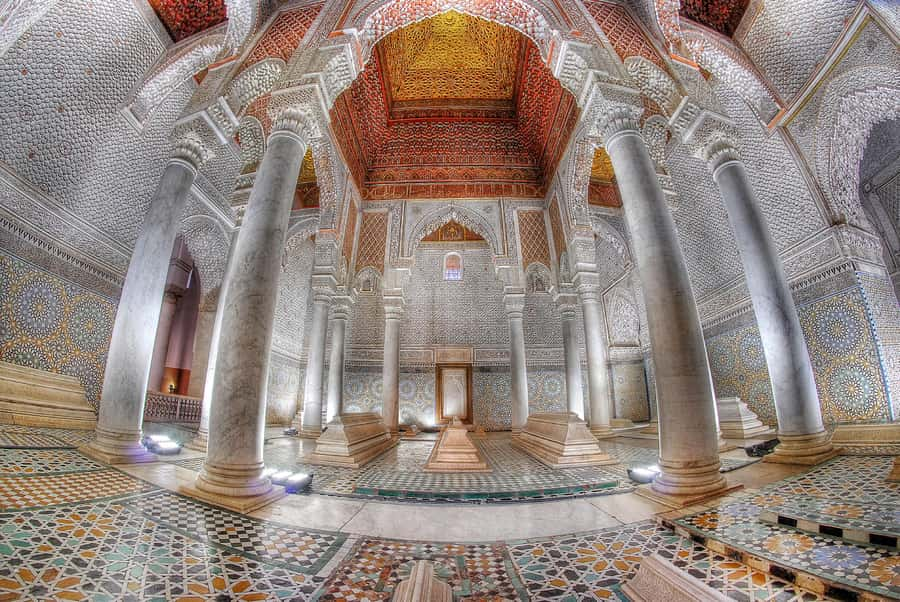
The Saadian Tombs are a compact memorial complex built for members of the Saadian dynasty. Inside, look for marble markers, carved stucco, and hand-cut zellij tilework. The decoration is precise and concentrated, with little wasted space.
The main chamber is usually the part people want to see first. Its design rewards patience, but the narrow access route can create a line inside even when your guide helps with the first ticket queue. This is the stop most likely to affect the pace of the tour.
The entry charge is 100 MAD per adult, paid separately from the tour. Carry cash, since the tour instructions specifically require it for monument tickets. Your guide enters with you, explains the site, and leaves time for photos and independent viewing.
I would not rush this visit, but I would also keep your expectations measured. The tombs are not a vast complex. Their appeal comes from fine decoration, royal associations, and the contrast between the quiet interior and the active streets outside. A guide is particularly useful here because the architectural details are easy to miss when you are focused on the queue.
Bab Agnou and the Kasbah’s royal gateway
The Kasbah is the old fortified quarter around the former royal area. The tour includes time around Bab Agnou, a grand 12th-century gate marked by carved decoration. This is a photo stop and a chance to understand how Marrakech’s defensive and royal spaces were arranged.
The stop is fairly brief, about 15 minutes in the planned schedule. That is enough for an explanation, photographs, and a look at the surrounding streets, but not enough for a long architectural study.
The Kasbah also helps connect the city’s monuments. Instead of treating the tombs and Bahia Palace as isolated attractions, your guide can show how they fit into the southern part of the old city. You will still be walking through active streets, not a museum zone, so expect people, traffic at some edges, and changing levels of noise.
Bahia Palace, where the details reward a slower pace
Bahia Palace is the tour’s longest monument visit, with about 45 minutes planned inside. Built in the 19th century by Grand Vizier Si Moussa, the palace contains more than 150 rooms, courtyards, gardens, and decorated passageways.
The attraction is not one single grand hall. It is the accumulation of details: cedarwood ceilings, mosaic floors, carved stucco, sunlit courtyards, and planted garden spaces. The layout gives you a sense of a palace built around private rooms and enclosed outdoor areas rather than one open European-style residence.
Admission costs another 100 MAD per adult. That makes the two paid sites a combined 200 MAD, on top of the advertised $18 tour price. The tour remains reasonably priced for four hours with a licensed guide, but you should budget for the entrances before you decide it is a bargain.
The palace can be crowded, and some sections may be under renovation. A guide helps you make better use of the available rooms, especially when crowds make it difficult to pause. You also get free time to take photographs rather than being marched from one explanation to the next.
I especially like this stop for visitors who want architecture but do not have the time or interest for a full museum day. The palace is visually generous, yet the visit remains manageable within a half-day route.
Other palaces and gardens to see in Marrakech:
- Marrakesh: Majorelle Garden Entry Tickets
★ 4.5 · 9,651 reviews - Marrakech: Majorelle Garden, YSL, and Berber Museum Entry
★ 4.6 · 5,168 reviews - Marrakech: Bahia Palace, Saadian Tombs, & Koutoubia Mosque
★ 4.5 · 2,529 reviews - Marrakech: Saadian Tombs & Bahia Palace, Medina Guided Tour
★ 4.6 · 1,989 reviews
Koutoubia Mosque from the outside
Koutoubia Mosque is included as an exterior sight rather than an interior visit. The mosque is an important Marrakech landmark, but entry is restricted to Muslims during prayer times.
That limitation is worth knowing before you book. You will not be touring the prayer hall. Instead, your guide can explain the mosque’s place in the city while you view its exterior and minaret.
The stop works well as part of a walking route because it gives you a clear landmark near the old city. It is also a reminder that Marrakech’s major sights are active religious and civic places, not simply attractions arranged for sightseeing.
Walking the souks from Semmarine to El Attarine
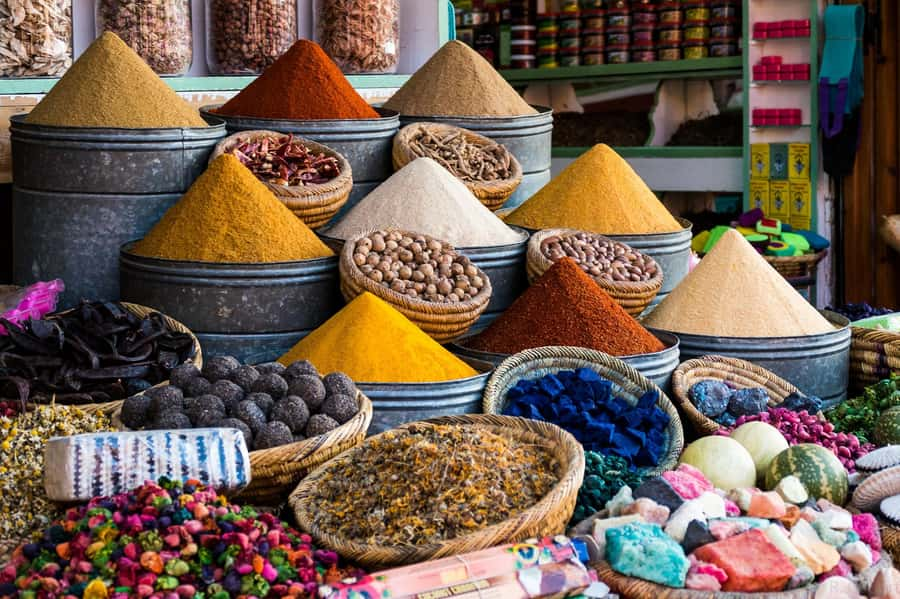
The souks are where the tour shifts from royal architecture to working commerce. The planned route includes Souk Semmarine and Souk El Attarine, with stalls selling spices, textiles, leather goods, and other handmade products.
You may stop at workshops where artisans work with pottery, wood, or metal. This is more useful than simply passing rows of finished souvenirs because you see tools, materials, and hand skills in use. Your guide can also explain differences in craft styles and how Moroccan goods are made.
Shopping is part of the route, but buying is not compulsory. That distinction matters in Marrakech, where sellers may be enthusiastic and may describe products in generous terms. If you are interested in something, ask clear questions about where it was made, what material it contains, and whether similar items are sold elsewhere.
Some stores accept cards, but do not rely on that. Cash is required for the two monument tickets, and it is useful for small purchases and refreshments. I would treat the souk section as a chance to learn first and shop second. You can return later to buy something once you know the layout and have had time to compare prices.
Rahba Kedima and the everyday Medina
The route continues through Rahba Kedima and the wider UNESCO-listed Medina. The planned time here is about 30 minutes, plus another 30 minutes around Rahba Kedima, though the actual pace can change with the group and the time spent at monuments.
This is the portion that gives you a feel for Marrakech beyond its famous facades. You pass narrow alleys, carved wooden doors, old fountains, hidden riads, and shops that serve local daily needs as well as visitors. The lanes can be confusing on your own, which is where a local guide earns much of the tour price.
Do not expect every alley to be calm or picturesque. The Medina is a working district. You may need to step aside for motorcycles, carts, or people moving through narrow spaces. Stay close to the guide and keep your belongings secure without becoming tense. The tour is designed to help you read the space, not to turn the old city into a polished show.
The final return to Jemaa el Fna usually uses Café de France or another Medina drop-off point. That gives you a useful starting place for an evening meal or further exploring.
What the guides add to the day
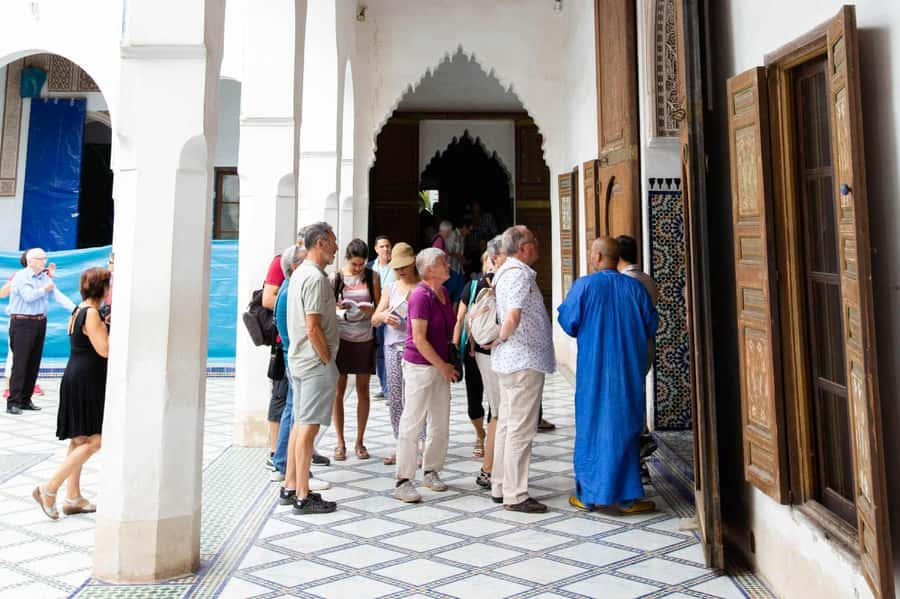
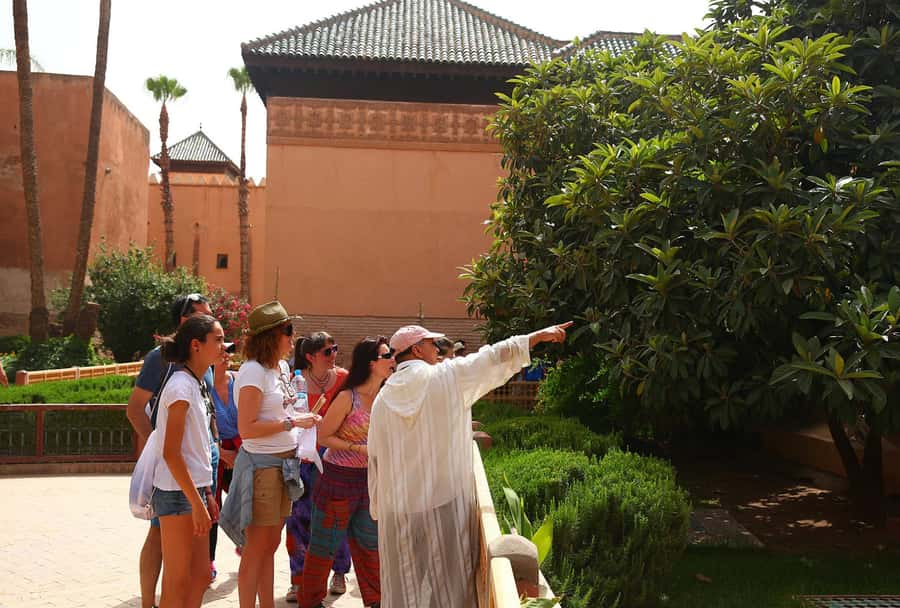
The strongest part of this experience is the guide-to-group connection. Guides such as Youness, Hassan, Mustapha, Mouhssine, Yassine, Brahim, Najem, and Chafik have been praised for clear explanations, patience, humor, photography help, and practical advice.
Those qualities matter more here than a memorized list of dates. Marrakech’s old city can feel confusing, and a good guide helps you understand the links between dynasties, architecture, religion, craft, and modern daily life. Several guides have also adjusted the pace for shade, water stops, questions, or photo opportunities.
The exact style will depend on who leads your departure. Some guides focus more on the major historical points, while others spend extra time on crafts, local customs, food suggestions, or small details along the route. If you want more time in the souks, more architecture, or fewer shopping stops, say so early.
The tour is offered in English or French. Private groups are available, while other options use a small group. The private format is the better choice if you want to set the pace, ask many questions, or spend longer at the palace and tombs.
Timing, walking, and Ramadan changes
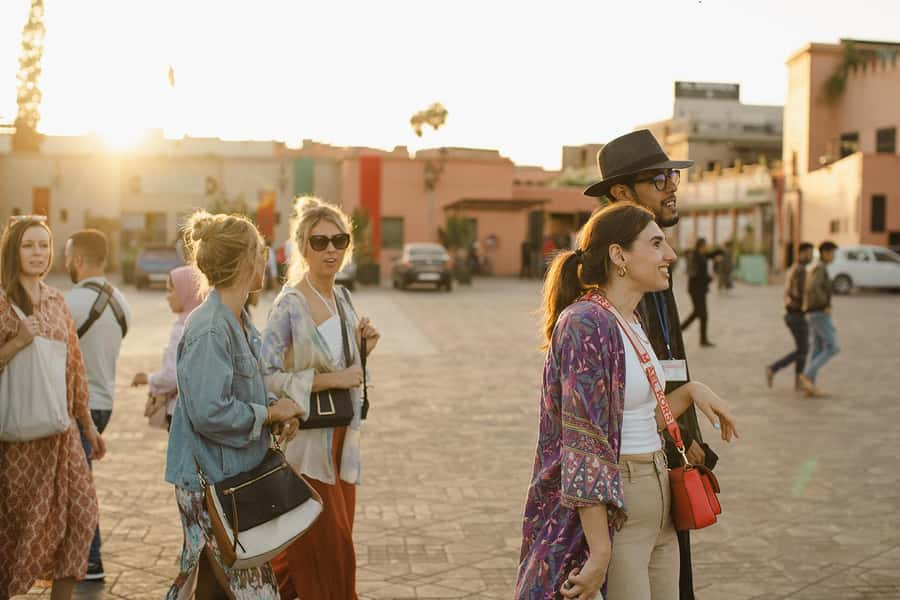
The published duration is four hours, but allow some flexibility. Monument queues, photographs, shopping, and group pace can push the finish later. Some private outings have lasted well beyond the planned time, while other groups have moved through the route more quickly.
Wear comfortable shoes and bring water, sunglasses, and cash. This is not suitable for people with mobility impairments, and the route includes a lot of walking through narrow Medina lanes. There is no included transportation, food, or drink.
During Ramadan, the schedule changes because the monuments close earlier. Morning tours begin at 9:30 instead of 10:00, and afternoon tours begin at 13:00 instead of 14:00. Check your exact start time before setting out.
The tour provider offers free cancellation up to 24 hours before the start, and you can reserve now and pay later. Those are useful safeguards if your Marrakech plans are still shifting, but the main practical issue remains the walking and the separate admission costs.
Is this four-hour Marrakech tour worth booking?
I would book it if you are new to Marrakech, have only a short stay, or want a solid introduction before exploring alone. The route combines the city’s major southern sights with enough souk time to show how the old city functions.
The best value comes from the guide, not simply from the number of stops. At $18 per person, the walking route is inexpensive, but add 200 MAD per adult for Bahia Palace and the Saadian Tombs. Bring water, cash, and shoes you can trust.
Choose the private option if you want a flexible pace or have strong interests in architecture, crafts, or photography. Choose another activity if long walks, queues, narrow lanes, or active shopping areas will make the day tiring. For most first-time visitors who want history, local streets, and practical orientation in one half-day, this is a sensible way to begin.
FAQ
How long does the Marrakech guided tour last?
The planned duration is four hours. Queues, photographs, shopping, and group pace can sometimes make the outing longer.
Where does the tour meet?
The standard meeting point is in front of Café de France in Jemaa el Fna square. If you choose the private option and stay in the Medina, the guide may meet you at your riad reception.
Are Bahia Palace and Saadian Tombs tickets included?
No. Bahia Palace costs 100 MAD per adult, and the Saadian Tombs cost 100 MAD per adult. These tickets are paid separately in cash on site.
Is transportation included?
No. This is a walking tour, and transportation is not included.
Is Koutoubia Mosque visited inside?
No. Koutoubia Mosque is viewed from the outside only. Entry is restricted to Muslims during prayer times.
Which languages are available?
The tour is available with a live guide speaking English or French.
Is a private tour option available?
Yes. A private group option is available. Other booking choices may use a private or small-group walking format, depending on the selected option.
What should I bring?
Bring comfortable shoes, sunglasses, water, and cash. Cash is especially important for the monument entry fees.
Is the tour suitable for people with mobility impairments?
No. The experience involves several hours of walking through the Medina and is not suitable for people with mobility impairments.
What happens if I need to cancel?
You can cancel up to 24 hours before the tour for a full refund. Reserve now and pay later is also available.
More medina and souk tours elsewhere in Morocco
- Marrakech Monuments & Souks 3-Hour Tour
★ 3.8 · 1,540 reviews - Marrakech: Bahia Palace, Madrasa Ben Youssef and Medina Tour
★ 4.7 · 1,347 reviews - Marrakech: Madrassa Ben Youssef, Secret Garden & Medina Tour
★ 4.8 · 1,303 reviews - Marrakech: Palace, Museum, Madrasa & Medina Highlights Tour
★ 4.7 · 706 reviews
Just added in Marrakech
- Quad Ride In The Agafay Desert★ 5.0 · 39 reviews
- Quad Biking Agafay desert★ 5.0 · 20 reviews
- Marrakech: Tailor-Made City Tour With Your Own Private Guide★ 4.9 · 236 reviews
- Surf Training and Lunch on Essaouira Day Trip from Marrakech★ 4.9 · 51 reviews
- Essaouira: Surf Trip from Marrakech★ 4.9 · 31 reviews
- Marrakech palm grove: Sunset camel ride★ 4.8 · 194 reviews
- Marrakech: Sunrise Desert Tour with Camel Ride and Breakfast★ 4.4 · 36 reviews
- Marrakech : Agafay Desert Sunset Camel Ride & Luxury Dinner★ 4.3 · 39 reviews
Marrakech Palaces & Gardens, compared.
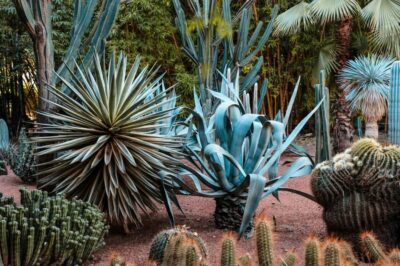
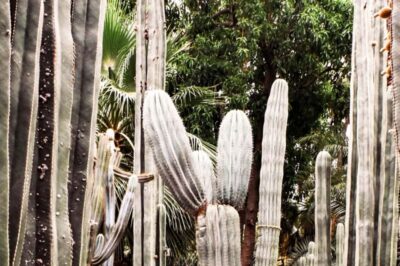
Majorelle Garden, YSL, and Berber Museum Entry
Read our review →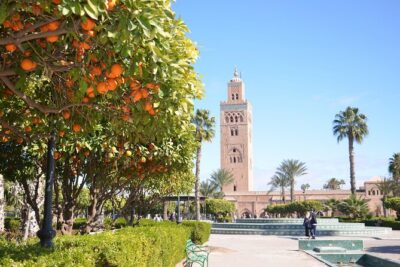
Bahia Palace, Saadian Tombs, Souk and Medina Tour
Read our review →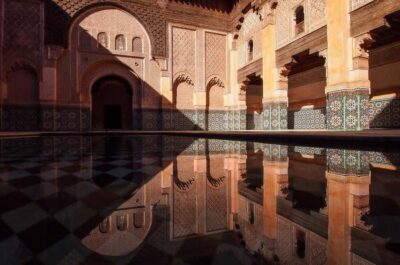
Ben Youssef, Secret Garden, & Souks Walking Tour
Read our review →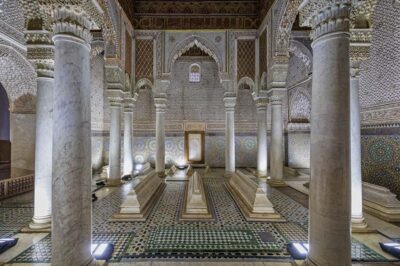
Bahia Palace, Saadian Tombs, & Koutoubia Mosque
Read our review →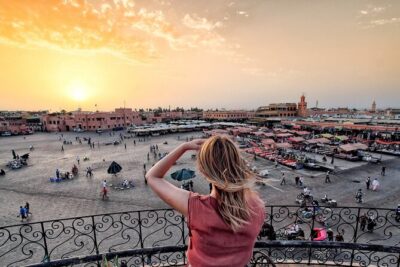
Bahia Palace, Madrasa Ben Youssef and Medina Tour
Read our review →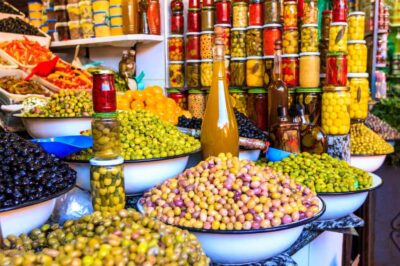
Madrassa Ben Youssef, Secret Garden & Medina Tour
Read our review →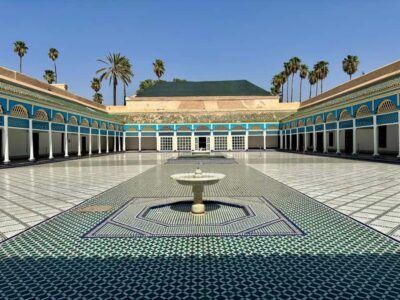
Bahia Palace Guided Tour with Skip-the-Line Entry
Read our review →Browse the lists this tour appears in