
Reviewed · TOURS IN MARRAKECH
Marrakech: 2-Day Atlas Villages Trekking Tour
The best part of this two-day Atlas Mountains trip is the overnight stay. Instead of racing back to Marrakech after a short mountain visit, you sleep beside the valleys, eat home-style Moroccan food, and walk through villages where daily life still follows the rhythm of fields, livestock, tea, and family homes. The second day’s four-hour hike is the real payoff.
I like the choice of walking times, since you can keep the first day gentle or choose longer hikes. I also like the local focus: tea with families, pottery, carpets, argan oil, henna, and guides such as Ali, Youssef, Mustapha, and Lahcen who know the villages personally. The main drawback is that the day can feel busy, with several stops, vehicle changes, and optional activities before the quieter overnight stay.
Key points
- Sleep in the Atlas Mountains: One night in a comfortable riad or guesthouse, with dinner and breakfast included.
- Choose your walking pace: Hikes range from about one to four hours per day, depending on your choice.
- Meet local families: Share Moroccan food and tea, and see Berber village life beyond Marrakech.
- Visit practical craft cooperatives: Learn about argan products, carpets, pottery, and henna.
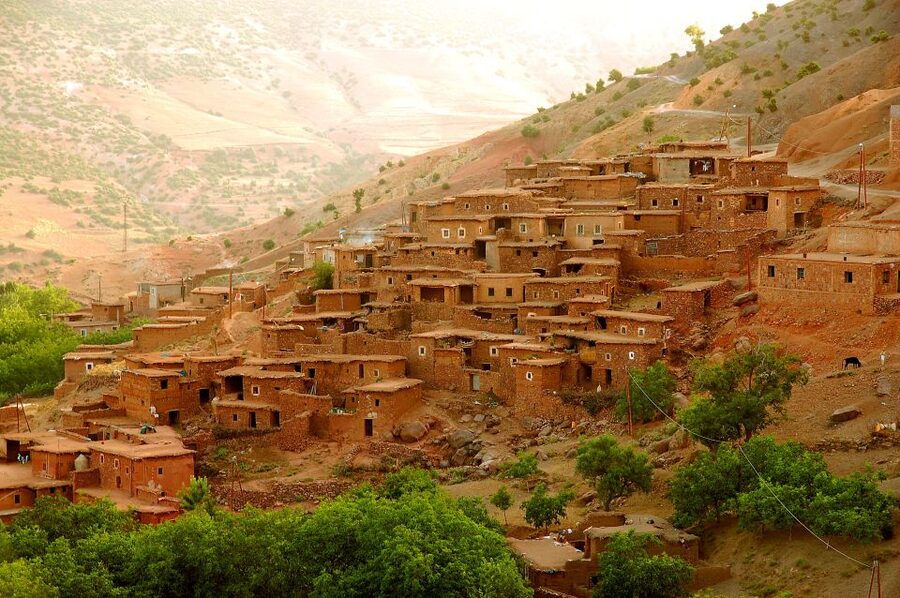
- See the Agoundiss Valley: The second-day route passes remote villages, fields, almond trees, and walnut trees.
- Good value at $106: Transport, meals, accommodation, guiding, entry visits, and a 30-minute camel or horse ride are included.
Why the overnight stay changes the Atlas experience
Many mountain outings from Marrakech give you a few hours of scenery before sending you back to the city. This tour gives you a full evening and a second morning in the High Atlas, which makes the trip feel less like a quick photo stop and more like a short stay in the region.
The overnight base is described as being around Ijoukak, with accommodation such as Maison de Haute Atlas Ijoukak or Maison d’hant. The exact property may vary, but the important point is the setting: a peaceful mountain guesthouse with views, local cooking, and a slower pace than you get on a day trip.
The accommodation has received especially strong praise for cleanliness, comfort, food, and hospitality. One particularly warm account described a fire in the sitting area and dinner served in a private lounge, while another praised the rooftop breakfast and views. Do not expect a city hotel with full resort facilities. You are paying for a pleasant local base in the mountains, not luxury in the Marrakech sense.
The evening also gives you a chance to enjoy the part of Morocco that can be missed on a tightly packed itinerary. You may drink tea with local hosts, talk with your guide about Amazigh customs, and see the valleys after the day’s driving groups have gone. Wi-Fi can be unreliable, especially during bad weather, so download anything you need before leaving Marrakech.
Other trips people book in Marrakech:
- Marrakech: Agafay Desert Sunset, Camel Ride, and Dinner Show
★ 4.6 · 35,119 reviews - From Marrakech: Ouzoud Waterfalls Guided Hike and Boat Trip
★ 4.7 · 33,630 reviews - Marrakech: Agafay Desert Quad & Camel Rides with Dinner Show
★ 4.8 · 27,382 reviews
From Marrakech to the foothills by air-conditioned vehicle
Pickup is included from your Marrakech hotel, riad, or apartment. You should be ready in the lobby about 15 minutes before departure, and the company sends a message the day before to confirm the departure date and arrangements.
The drive toward the mountains takes about two and a half hours in an air-conditioned vehicle, though the overall day includes several stops and activities. The transport arrangements can be a little mixed at the start. A private booking may begin with a larger vehicle carrying people on different tour options, then split into smaller arrangements in the Atlas area. This is worth knowing if you expect a private car from the moment you leave your accommodation.
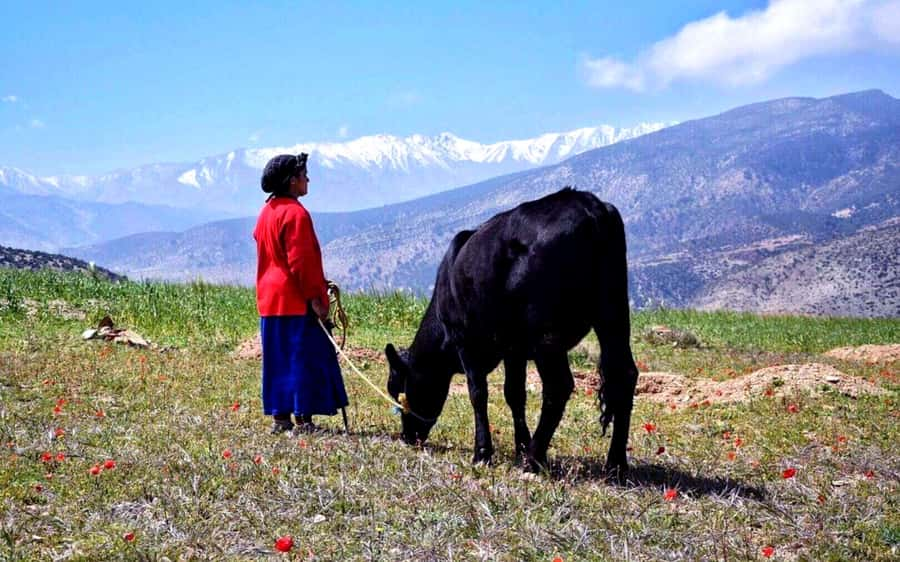
Most of the transport is part of the experience. You pass old villages, remote homes, cultivated fields, and valleys framed by the High Atlas. Some homes are built from earth-colored materials, and the route includes barley, corn, vegetables, almond trees, and walnut trees. The scenery changes steadily, so it is worth keeping your camera ready rather than waiting for one single viewpoint.
There has been some mixed feedback about vehicles. One older car reportedly lacked air conditioning, while later vehicles were comfortable. The tour includes an air-conditioned vehicle, but if you are sensitive to heat or motion, confirm the vehicle arrangements when your pickup is set.
Argan oil, tea, and a choice of optional activities
About an hour after leaving Marrakech, the route usually includes a stop at a women’s argan cooperative around Moulay Brahim. This is more useful than a simple shopping stop when the visit is handled well. You can taste argan products, drink Moroccan tea, and learn how the oil is made from the fruit of a tree closely tied to southern Morocco.
You may also see how other local goods are produced. The wider experience can include carpet work, pottery, henna, and livestock-related activities. These visits help connect the scenery with the work that supports village families, though you should remember that shopping is often part of cooperative visits. You are not required to purchase anything.
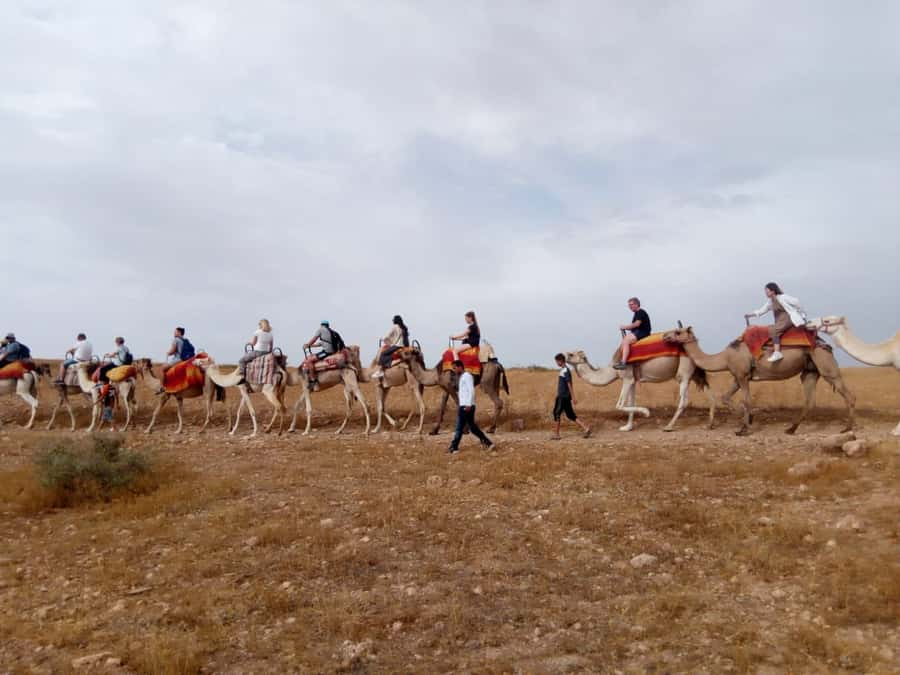
A 30-minute camel ride or horse ride is included. It is a short add-on rather than the central activity, and you can usually treat it as optional. If you have already ridden a camel elsewhere in Morocco, you may prefer to spend more time taking photographs or enjoying tea. If it is your first time, it adds a light, memorable moment without taking over the trip.
The tour also allows many activities to be skipped. That flexibility matters because the day can otherwise become full. You can tell your guide if you would rather walk, sit with a family, or spend more time at a viewpoint instead of joining every stop.
Tinmel School and the road into Amazigh country
The route includes a visit to the Tinmel School, built in the 12th century during the Almohad period. It is one of the more meaningful historical stops because it places the mountain villages within Morocco’s wider story, rather than treating the Atlas as scenery alone.
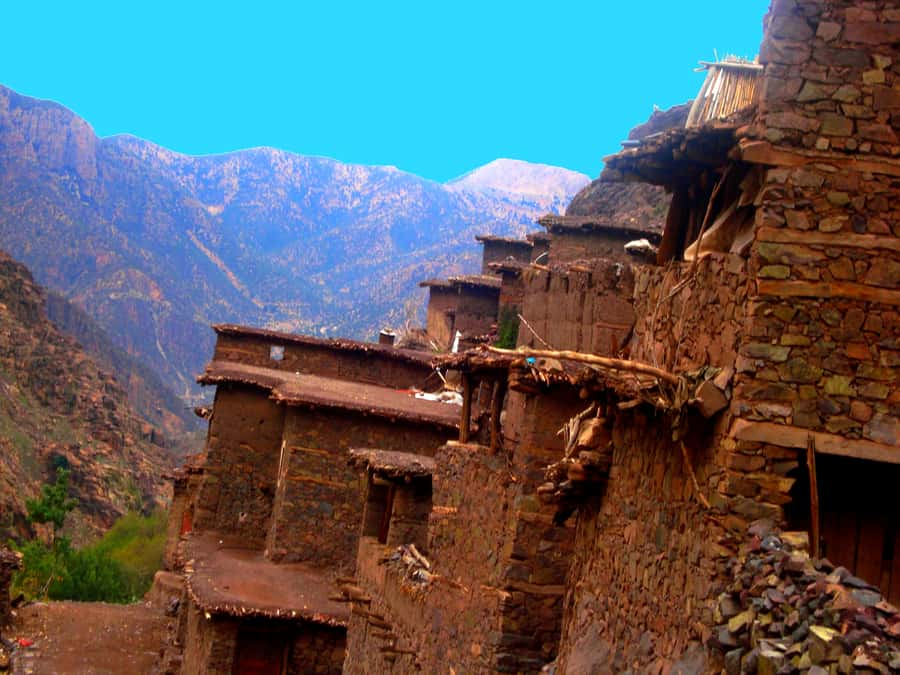
The experience may also include the Kasbah of the Dukouj, built in 1880. These older structures help you read the villages around you. The mountains are not an empty wilderness. They are a lived-in region shaped by agriculture, trade, religion, family compounds, and local building traditions.
Your guides are a major part of how much you get from these places. Mustapha has been singled out for making the first day lively while explaining Berber culture and the responsibility of serving tea. Marwan, Ali, Youssef, Hassan, Amina, Mohammed, and Lahcen have also led different parts of the trip. Guide assignments vary, but the experience works best when you ask questions and tell your guide how much walking and local contact you want.
Language should not stop you from booking, but communication can vary. Guiding is offered in English, French, Arabic, and Spanish. Some guide and visitor combinations may rely on simple English, French, or gestures, so bring patience along with your curiosity.
Same base, a different sort of day:
- Marrakech: Agafay Desert Quad Biking Tour with Dinner-Show
★ 4.8 · 16,569 reviews - Marrakech: Atlas Mountains, Ourika Valley, Waterfall & Lunch
★ 4.8 · 15,834 reviews - From Marrakech: 3-Day Merzouga and Sahara Desert Tour
★ 4.9 · 15,308 reviews - Berber villages : Atlas Mountains Day Hike from Marrakech
★ 5.0 · 14,007 reviews
Lunch on a terrace above Ijoukak
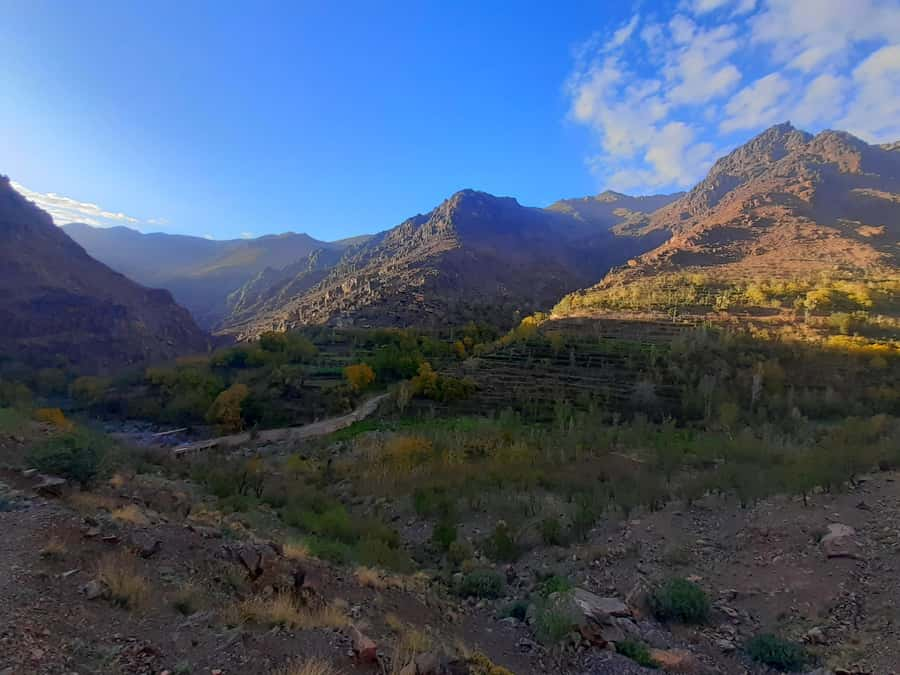
After reaching the Oued Akoundiss area, you walk through remote High Atlas villages and then stop for a meal, often on a terrace connected with a Berber family in or around Ijoukak. This meal is one of the strongest parts of the experience because it combines food, views, and personal contact.
You are not simply eating at a roadside restaurant. The setting can give you a closer look at how a local family lives, welcomes visitors, and serves tea. Meals are included throughout the trip, including breakfast, lunch, and dinner, along with water, tea, and coffee. The food has been praised repeatedly, with generous portions and home-style cooking.
The first-day walk can be relatively short, depending on your chosen option. That makes sense for a day that already includes driving, cultural visits, lunch, and photographs. If you want a stronger physical challenge, save your energy for the second day rather than assuming the first walk will be a full mountain trek.
After lunch, the vehicle continues for about 20 minutes through small villages and cultivated areas. This is a good stretch for watching ordinary mountain life: fields of barley and vegetables, earth-colored homes, and trees that soften the dry mountain scenery. The route is scenic, but it is not a wilderness journey. You will spend a fair amount of time in the vehicle.
A quieter evening in the mountain riad
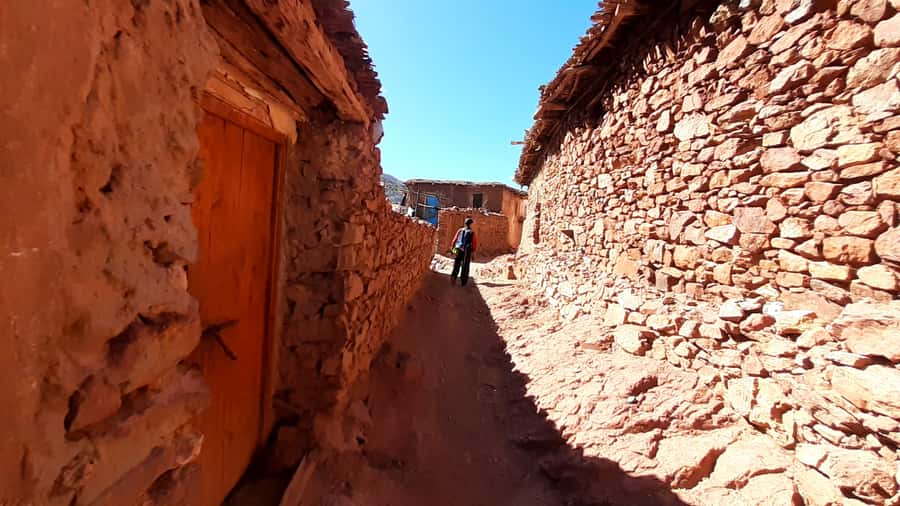
Arriving at the accommodation is where the pace changes. After the stops and road time, you can settle in, eat dinner, and enjoy the views without needing to hurry back to Marrakech.
The overnight accommodation has been described as comfortable and welcoming, with clean rooms and impressive views. It is not possible to promise a particular room, fireplace, or exact property, since arrangements can change. Still, the included overnight stay gives this tour much more value than a day excursion that only includes transport and lunch.
Dinner is included, and breakfast is served the next morning, often with rooftop views. Coffee, tea, and water are also included. Alcohol is not included, and it is not part of the advertised package.
If you are visiting during a busy period or a local holiday such as Eid, some sites and businesses may operate differently. The guides have arranged alternatives in the past, but you should still expect the exact order of stops to change. That flexibility is useful, though it means you should not treat every detail as fixed.
The Agoundiss Valley hike on day two
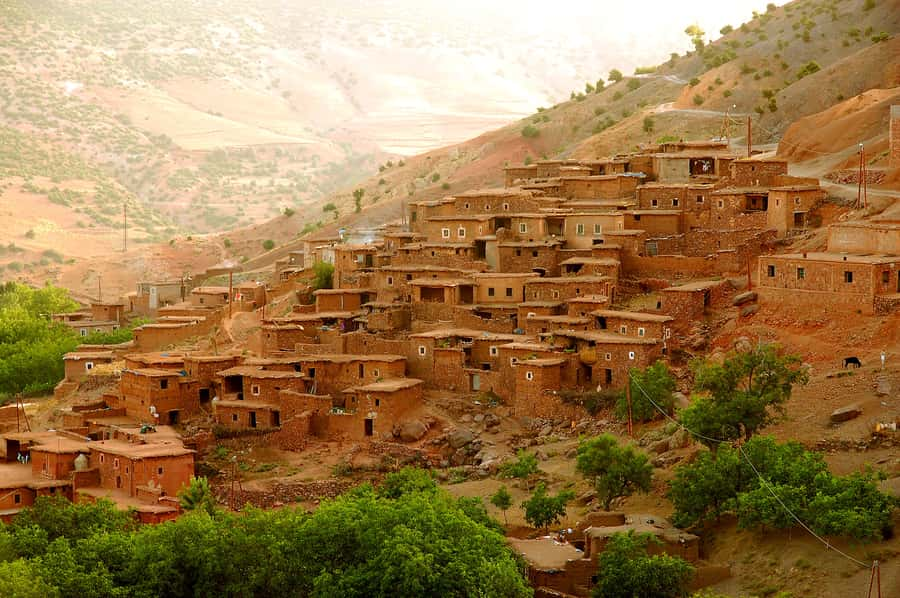
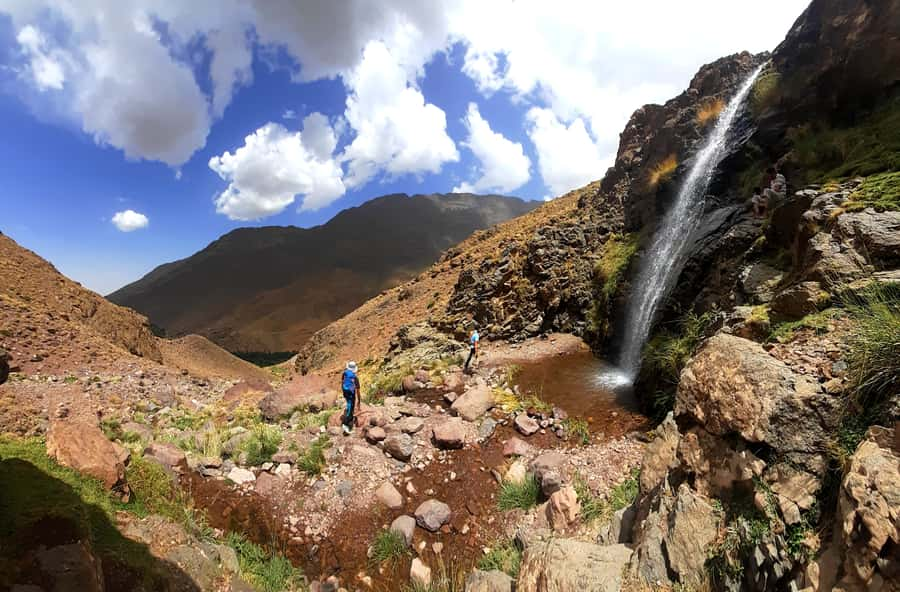
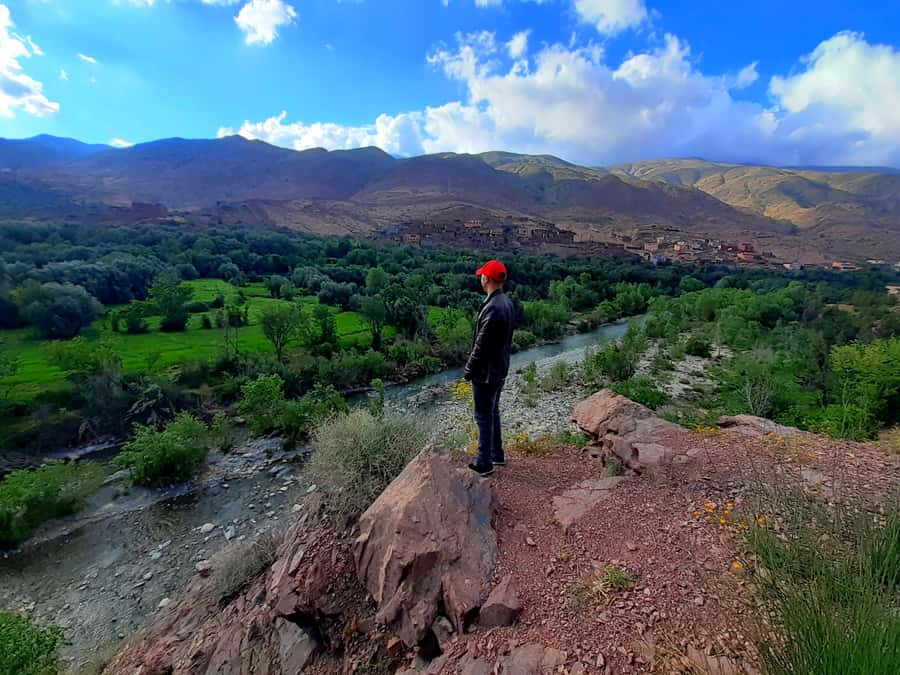
The second day is the clearest reason to choose this tour over a standard one-day outing. After breakfast, you set out with a local mountain guide for a walk of roughly three to four hours. The hike begins in the Agoundiss Valley and leads through villages and mountain scenery with fewer tourist distractions.
You pass remote Amazigh villages, cultivated slopes, and old homes. The route also offers views toward the Ijoukak and Ouirgane areas, depending on the chosen path. Almond and walnut trees appear beside fields, and the changing colors of the valley give the walk much of its appeal.
The hike is not advertised as a technical mountain climb. It is a village and valley walk, but three to four hours on foot still requires reasonable fitness. You will encounter uneven ground and some uphill or downhill walking, even if the route is not described as difficult. Comfortable shoes, sunglasses, water, and sun protection are sensible choices.
The tour can offer different hike lengths, from about one hour to four hours per day. Tell the guide honestly what you can manage. The guide can often adjust the pace or route, but this is still a mountain outing, not a flat city stroll. People with heart problems should not book this activity.
Lahcen has led the second-day walk for some departures, while Ali and other local guides have also guided the route. The strongest part of having a local guide is the small detail: village customs, crops, house styles, and family life are easier to understand when someone from the area explains them as you walk.
Henna, pottery, carpets, and village hospitality
The cultural activities are varied, and that is both a strength and a point to manage. You may visit a carpet cooperative and watch women work, see pottery being made, try henna, or visit a local family for tea. These are not separate full-day workshops. They are short windows into local skills and customs woven into the trip.
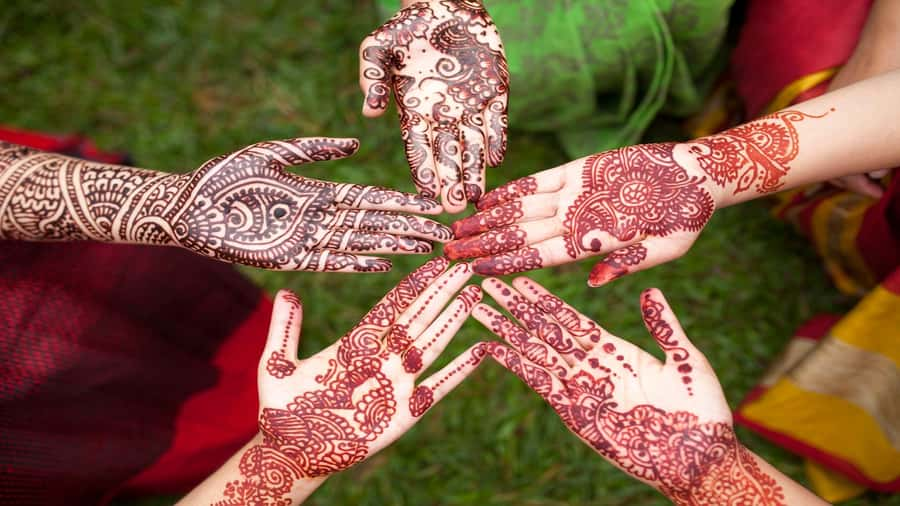
Henna is especially associated with the final day or the guide’s family home. The activity is included, and you can choose to take part or skip it. If you want a lasting souvenir that does not take up space in your luggage, this may be the most personal option.
The carpet and argan visits are more commercial than the village walk, but that does not make them pointless. They show you how local products are made and how women’s cooperatives support household income. Go with an open mind, ask how the item is produced, and buy only if you genuinely want something.
The family visits are usually the more personal encounters. Sharing tea in a home can feel modest compared with a formal cultural performance, but that is precisely its value. You see how hospitality works in an ordinary setting, and you have the chance to ask about food, farming, religion, and daily routines.
What the $106 price really covers
At $106 per person, the price is strong for a two-day trip because it includes far more than transport. You receive pickup and return transport from Marrakech, guiding, one night in the Atlas Mountains, breakfast, lunch, dinner, water, tea, coffee, entry tickets, the argan and village visits, a 30-minute camel or horse ride, and henna.
The overnight stay is the main value. Paying separately for a mountain room, meals, a driver, a local guide, and entrance visits would quickly narrow the gap between this package and a self-planned trip. You also avoid having to arrange transport between scattered valleys.
The tradeoff is that the schedule is busy on the first day, and the exact group arrangement may change. Some departures combine people taking different tour lengths during the transfer, and vehicle quality may vary. If your top priority is a private, slow, perfectly timed itinerary, a custom private tour may suit you better, but it will likely cost more.
Free cancellation up to 24 hours before departure and reserve-now, pay-later booking make it easier to keep plans flexible. You still need to provide your hotel, riad, or apartment name and arrive at the meeting point on time.
Who should book this two-day mountain trip?
I would choose this experience if you want a practical introduction to the High Atlas without giving up local contact. It suits solo visitors, couples, and small groups who enjoy walking, home cooking, village visits, and a bit of unpredictability.
It is especially good for you if the idea of sleeping in the mountains appeals more than ticking off a famous viewpoint. The second-day hike gives you time to see the valleys at walking speed, while the first day adds history, crafts, food, and transport through the region.
You may want another option if you dislike changing vehicles, prefer a tightly controlled schedule, or cannot comfortably walk for several hours. The tour is also not suitable for people with heart problems. Ask about the exact route and hike length before departure if fitness is a concern.
FAQ
How long is the tour?
The experience lasts two days, with one night in accommodation in the Atlas Mountains.
How long are the hikes?
Walking time can range from about one to four hours per day, depending on the route and your choice. The second-day hike is generally described as three to four hours.
What meals are included?
Breakfast, lunch, and dinner are included. Water, tea, and coffee are also provided.
Is a camel ride included?
Yes. A 30-minute camel ride or horse ride is included in the activity.
Which languages are available for guiding?
Guiding is offered in English, French, Arabic, and Spanish. The named guides on different departures include Ali, Youssef, Mustapha, Lahcen, Marwan, Amina, Mohammed, and Hassan.
What should I bring?
Bring your passport or ID card, sunglasses, and a camera. Comfortable walking shoes and suitable sun protection are practical choices for the valley hikes.
Should you book it?
Book this tour if you want the Atlas Mountains as a lived-in place, not just a backdrop for photographs. The overnight riad, generous meals, local guides, and second-day walk give you time that a day trip cannot provide.
The best plan is to confirm your preferred walking length and ask which accommodation and guide arrangement is expected for your date. If you can accept a busy first day and some flexibility in transport, $106 buys a thoughtful mix of mountain scenery, Amazigh culture, food, and time on foot.
Just added in Marrakech
- Quad Ride In The Agafay Desert★ 5.0 · 39 reviews
- Quad Biking Agafay desert★ 5.0 · 20 reviews
- Marrakech: Tailor-Made City Tour With Your Own Private Guide★ 4.9 · 236 reviews
- Essaouira: Surf Trip from Marrakech★ 4.9 · 31 reviews
- Surf Training and Lunch on Essaouira Day Trip from Marrakech★ 4.9 · 51 reviews
- Marrakech palm grove: Sunset camel ride★ 4.8 · 194 reviews
- Marrakech: Sunrise Desert Tour with Camel Ride and Breakfast★ 4.4 · 36 reviews
- Marrakech : Agafay Desert Sunset Camel Ride & Luxury Dinner★ 4.3 · 39 reviews
Tours in Marrakech, compared.
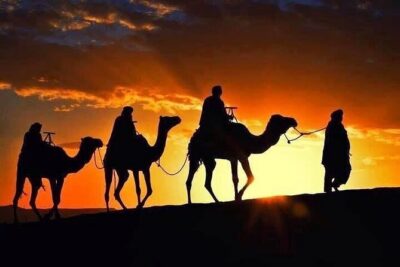
Agafay Desert Sunset, Camel Ride, and Dinner Show
Read our review →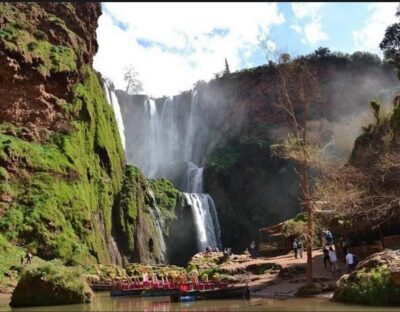
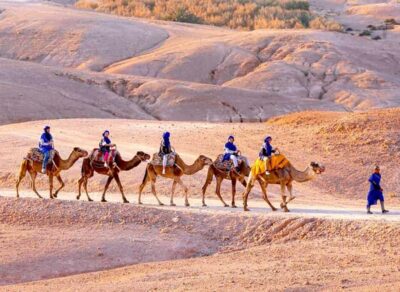
Agafay Desert Quad & Camel Rides with Dinner Show
Read our review →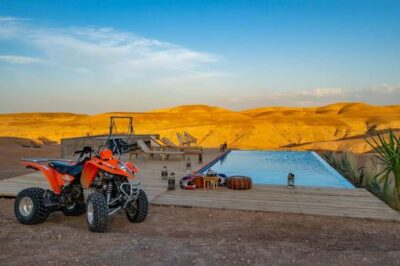
Agafay Desert Quad Biking Tour with Dinner-Show
Read our review →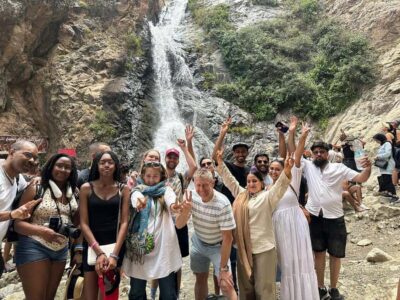
Atlas Mountains, Ourika Valley, Waterfall & Lunch
Read our review →
Berber villages : Atlas Mountains Day Hike from Marrakech
Read our review →
Browse the lists this tour appears in