
Reviewed · ATLAS MOUNTAINS DAY TRIPS
Marrakesh: 2-Day Mt. Toubkal Trek with 1-Night Stay & Meals
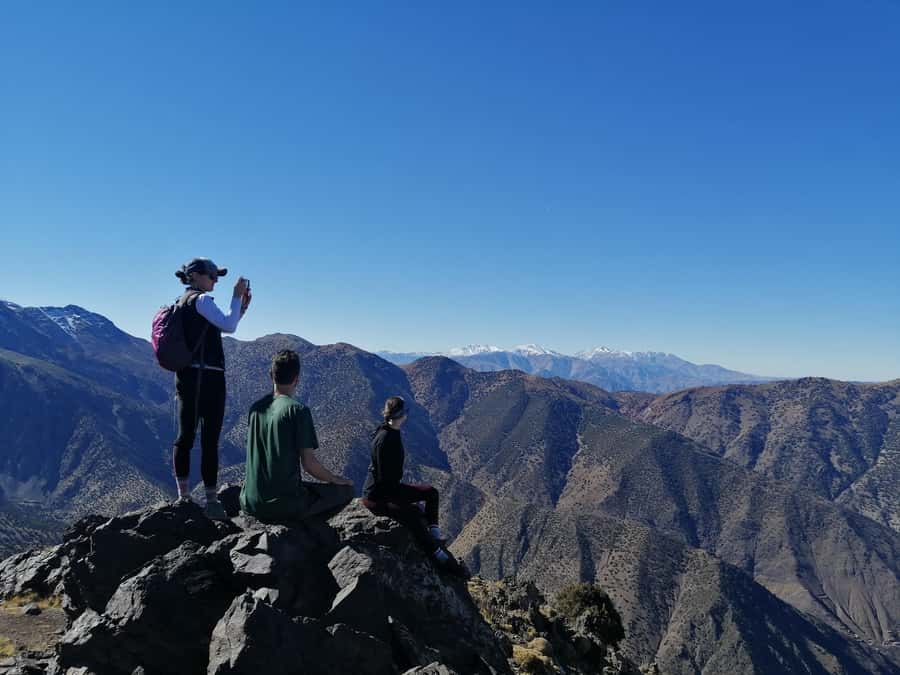
Mount Toubkal is not a gentle day trip. This two-day climb reaches 4,167 meters, with a long first day to the refuge and a 10 to 12-hour summit day. In good conditions, you get huge Atlas Mountain views and perhaps sunrise over North Africa. In bad weather, the summit may be closed for safety.
I like the way the trip combines a local mountain team and simple refuge lodging with transport from Marrakesh. I also like the practical support: warm meals, a cook, flexible pacing, and equipment rental when the cold catches you unprepared. Guides such as Ayoub, Oussama, Brahim, and Mustafa are repeatedly praised for looking after people who struggle.
The catch is simple: this is hard. The dormitory is basic, the summit day starts around 3 or 4 a.m., and the descent can be tougher than the climb. You should be reasonably fit, prepared for cold, and honest about how your body handles altitude.
Key points to know before booking
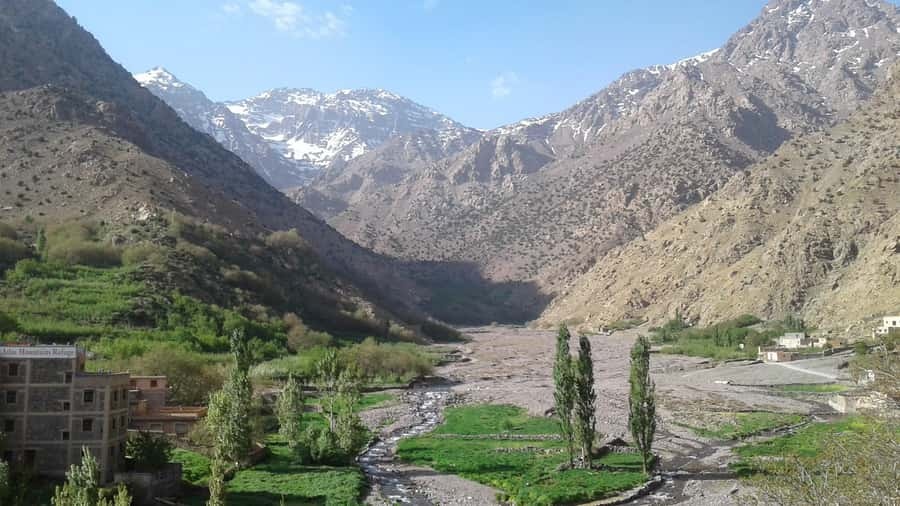
- The summit day can reach 27 kilometers: Expect a long ascent before sunrise followed by the full descent to Imlil.
- You sleep at 3,207 meters: The refuge is cozy in spirit but basic, with shared bunk rooms and limited privacy.
- Local guides make the difference: Ayoub, Oussama, Brahim, Mustafa, Hicham, and other guides are praised for pacing groups and helping people turn back safely.
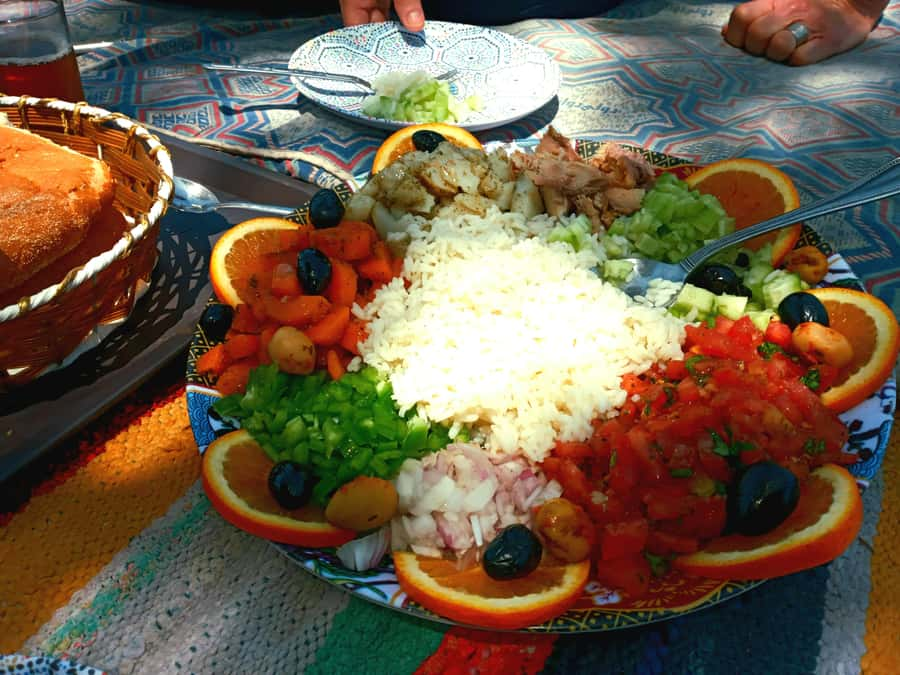
- Meals are part of the value: You receive one breakfast, two lunches, and one dinner, with warm food prepared by the mountain team.
- Winter conditions can stop the summit: Wind, snow, ice, and extreme cold may make the final climb unsafe.
- Seasonal mule support is included: From April through November, a mule carries luggage, though you still need a daypack.
What the $122 price really buys you
At $122 per person, this is strong value for a two-day mountain trip. The fee covers pickup and return transport from Marrakesh, a local guide, one night at the refuge, breakfast, two lunches, dinner, and a mule for luggage from April through November.
That package matters because arranging each part separately would be awkward. You would need to find transport to Imlil, organize a mountain guide, secure a place at the refuge, arrange food, and work out what to do with your larger bag. Here, those pieces are handled together.
You should still budget for drinks, personal snacks, equipment rental, and tips. Drinks are not included, and small shops along the route sell water, snacks, tea, and fresh orange juice. Several people also rented gloves, head torches, sleeping bags, walking poles, or other cold-weather gear. Reported rental prices included about $5 for gloves or a lamp and $10 for a sleeping bag, but prices can change.
The value is best if you want a guided summit attempt rather than a private, high-end trek. You are paying for practical mountain support, not luxury. The refuge and transport can be basic, and the group may include people with very different fitness levels.
More of the High Atlas from Marrakech:
- Marrakech: Atlas Mountains, Ourika Valley, Waterfall & Lunch
★ 4.8 · 15,834 reviews - Berber villages : Atlas Mountains Day Hike from Marrakech
★ 5.0 · 14,007 reviews - From Marrakech: Atlas Mountains Full-Day Hiking Trip w Lunch
★ 4.8 · 7,417 reviews
From Marrakesh to Imlil at 1,740 meters
Pickup is included from your Marrakesh accommodation, but the vehicle may stop at the nearest road accessible by car. If you are staying in the Medina, expect a short walk to the meeting point rather than a minibus entering every narrow lane.
The drive takes you toward Imlil valley, where the trek begins at roughly 1,740 meters. This transfer saves you the trouble of negotiating transport and lets you start the walking portion with the group already assembled.
Group size is limited to 16, though some departures are smaller. A group of eight, for example, may have two guides, which gives the team more flexibility if someone needs to slow down or return. This is useful on a route where one person may be comfortable at altitude while another is already feeling the strain.
Communication has generally been handled through WhatsApp before departure. You should give the operator your accommodation address and confirm the exact pickup point, especially if you are staying inside the Medina.
Day one: Aremd, Sidi Chamarouch, and the long climb
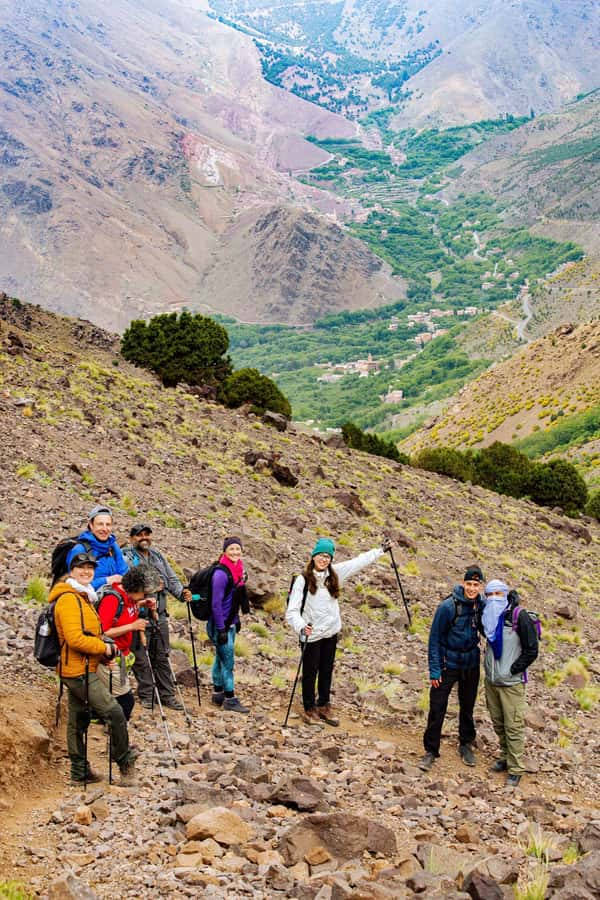
The first walking day follows the Aït Mizane valley toward Aremd. The route then continues to Sidi Chamarouch, a mountain sanctuary near a waterfall, before turning higher toward the refuge.
The day is listed as about five to six hours, climbing from 1,740 meters to 3,207 meters. That elevation gain is the important figure. Even if you walk regularly at home, the combination of uphill movement, heat, a loaded pack, and thinner air can make this feel much harder than the distance suggests.
A typical rhythm includes breaks for water, food, and tea. Lunch is provided, and you may also have chances to buy drinks, snacks, or fresh juice. Carry cash in small denominations, since card payment should not be expected on the mountain.
The route is visually rewarding because the setting changes as you climb. You begin among valley villages and then move onto rockier, more exposed ground. Sidi Chamarouch gives you a natural rest point, while the waterfall adds interest before the final push.
This is also where a good guide matters. Ayoub, Hicham, Nouredin, Hussein, Omar, and others have been praised for keeping groups together and adjusting the pace. The best approach is not to race early in the day. Save energy for the final climb to the refuge.
The 3,207-meter refuge: simple, social, and useful
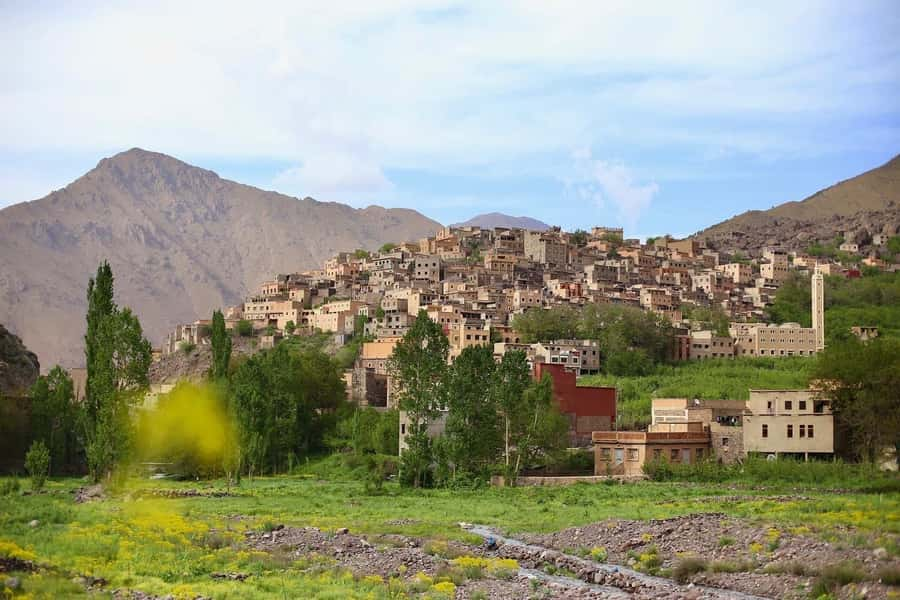
The refuge is not a hotel. Think of it as a busy mountain hostel with shared dormitory rooms, large bunk beds, basic toilets, and limited privacy. Some people found it comfortable and cozy, especially with warm food and a fire. Others pointed out that the bunks can be tightly arranged, with many people sleeping shoulder to shoulder.
Pack earplugs. One snorer can make an already short night much shorter.
Dinner is served at the refuge, and warm meals are one of the best parts of the package. Meals have included Moroccan-style food, soup, tea, and other fresh dishes prepared by the cook and porter team. One person wanted larger portions, so you may wish to carry a few extra snacks if you eat heavily after a long climb.
The refuge is also where the international group becomes a real team. People from Britain, Belgium, Lithuania, Sweden, Germany, and elsewhere may share the evening, compare the day, and prepare for the early start. That shared effort is part of the appeal, but it also means you should not expect quiet or solitude.
The temperature can drop sharply at this altitude. A sleeping bag is not included, though one can be rented. Bring or rent proper layers rather than relying on ordinary city clothing.
Same base, a different sort of day:
- Marrakech: Agafay Desert Sunset, Camel Ride, and Dinner Show
★ 4.6 · 35,119 reviews - From Marrakech: Ouzoud Waterfalls Guided Hike and Boat Trip
★ 4.7 · 33,630 reviews - Marrakech: Agafay Desert Quad & Camel Rides with Dinner Show
★ 4.8 · 27,382 reviews - Marrakech: Agafay Desert Quad Biking Tour with Dinner-Show
★ 4.8 · 16,569 reviews
Summit morning starts before sunrise
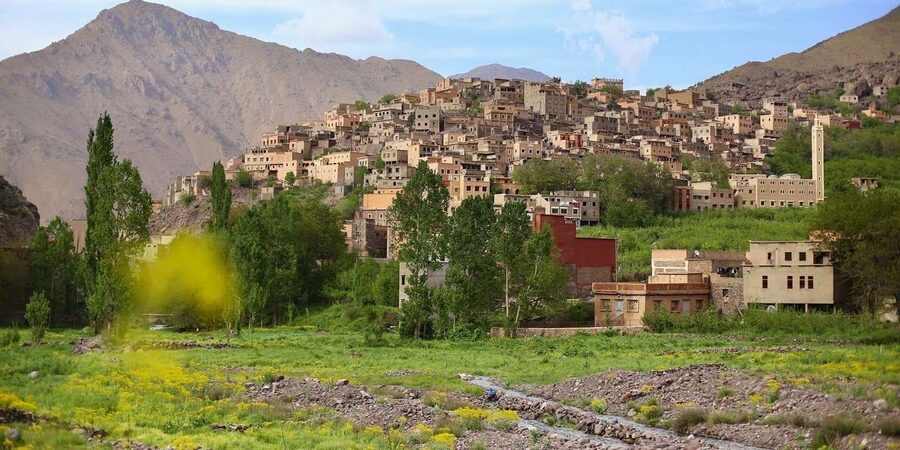
The second day begins very early, often around 2:30 to 4 a.m. Breakfast comes first, followed by the steep climb toward the summit. The early departure is designed to reach Mount Toubkal near sunrise, when the light spreads across the High Atlas.
You cross streams and follow rocky paths toward the summit plateau. The route is steep, uneven, and tiring, especially after a short night. In colder months, snow and ice may make the upper section much more demanding. Gloves, a warm jacket, a hat, a head covering, and a head torch are not optional extras in those conditions.
One group reached the summit at 9:15 a.m. after starting around 4 a.m. Another reported a 7:15 a.m. sunrise after leaving at 3:40 a.m. Timing changes with the group, weather, and pace, but you should expect several hours of uphill walking before the summit break.
The guides’ role is more than pointing out the route. They watch the group, offer encouragement, help with equipment, and decide when a person should stop or turn back. One guide escorted a tired participant down while the rest of the group continued. That is exactly the kind of support you want on a high mountain.
Do not treat a summit attempt as guaranteed. On one winter departure, extreme wind, low temperatures, and a snowstorm made the final climb unsafe. Police decisions about conditions can change by the hour. A safe turnaround is not a failed trip. The first day, refuge stay, and mountain views still make a worthwhile experience.
The summit views and the long return to Imlil
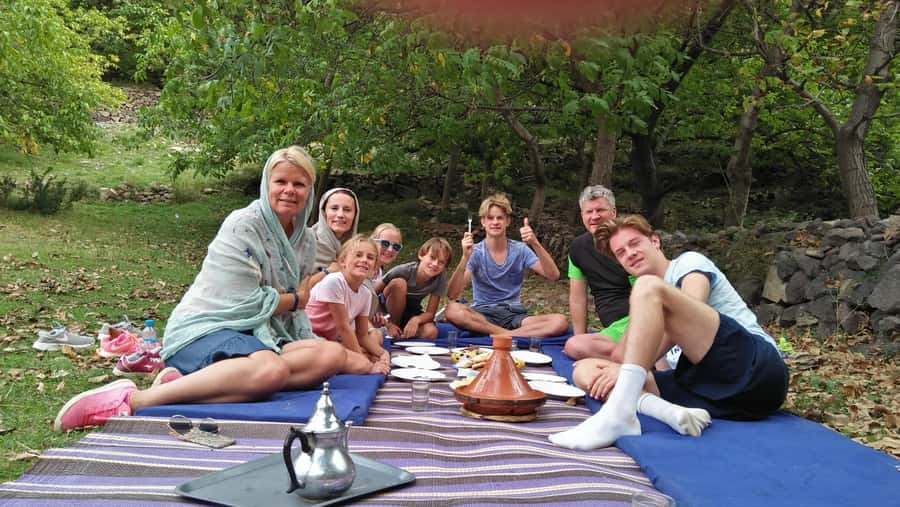
At 4,167 meters, Jbel Toubkal is the highest point in North Africa. From the upper plateau and summit, you may see the Marrakesh plain and the High Atlas to the north, with views toward the Anti-Atlas and Sahara to the south.
The summit itself is only one part of the experience. The changing light, rocky ridges, and quiet morning can be just as memorable as the final marker. You get time for photographs and a short rest, but do not linger too long in severe cold or wind.
After the summit, you descend to the refuge for lunch and then continue down to Imlil. The full second day is listed at 10 to 12 hours. One detailed account measured about 27 kilometers for the ascent and return, while another described the descent as harder than going up.
That warning deserves attention. Descending steep, uneven ground puts heavy pressure on your knees and ankles. Good hiking shoes matter, and trekking poles can help if you are used to them. Your body may feel fine at the summit and still be exhausted by the time you reach Imlil.
The transport back to Marrakesh completes a very long day. Some departures have had smooth transfers, while one vehicle broke down briefly on the way out. That kind of basic travel hiccup is possible, so keep your expectations practical.
Food, luggage, and equipment
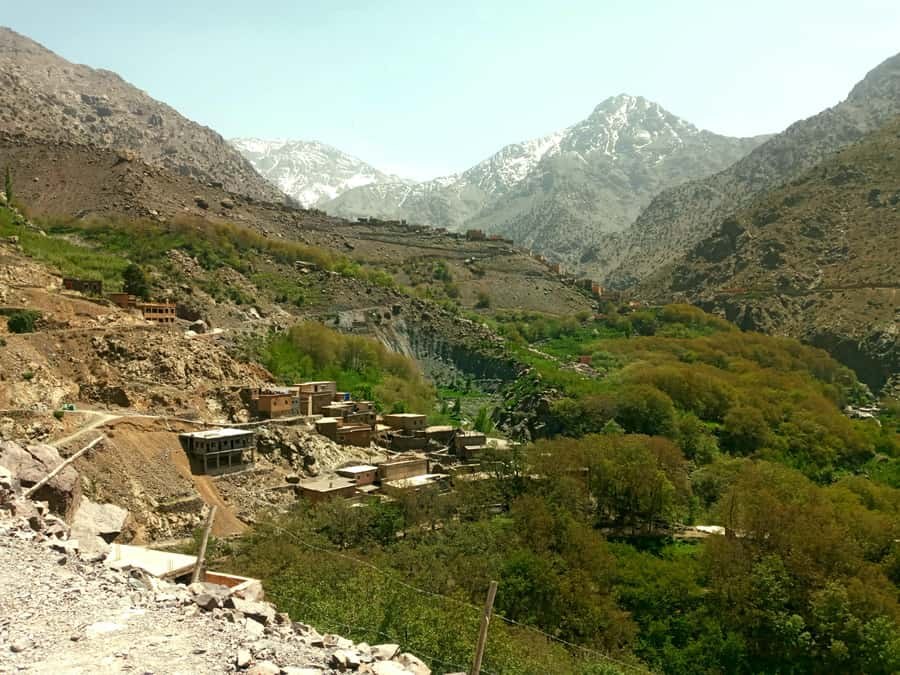
The included food is a major convenience. You receive two lunches, one dinner, and breakfast, with a cook supporting the group. Warm meals at the refuge are especially welcome after the climb, and several people praised the freshness and quality of the food.
You should still carry personal snacks, water, and cash. Drinks are excluded, and the route has places to buy refreshments. A daypack is essential for your water, jacket, camera, phone, gloves, and snacks.
From April through November, a mule carries luggage. That lets you walk with a lighter daypack, but do not hand over every useful item. Keep your valuables, warm layers, medication, documents, and anything needed during the day with you.
Trekking gear is not included. Equipment can often be rented, including sleeping bags, gloves, head torches, hats, and poles. Rental access is helpful, particularly if you arrive in Marrakesh without winter mountain gear, but it is wiser to confirm what is available before departure.
Bring comfortable hiking shoes or boots, a jacket, gloves, a hat, a change of clothes, a daypack, a charged phone, cash, and travel insurance. A first aid kit is also listed among the recommended items. Your passport is required, so keep it secure and dry.
Who should book this Mount Toubkal trek?
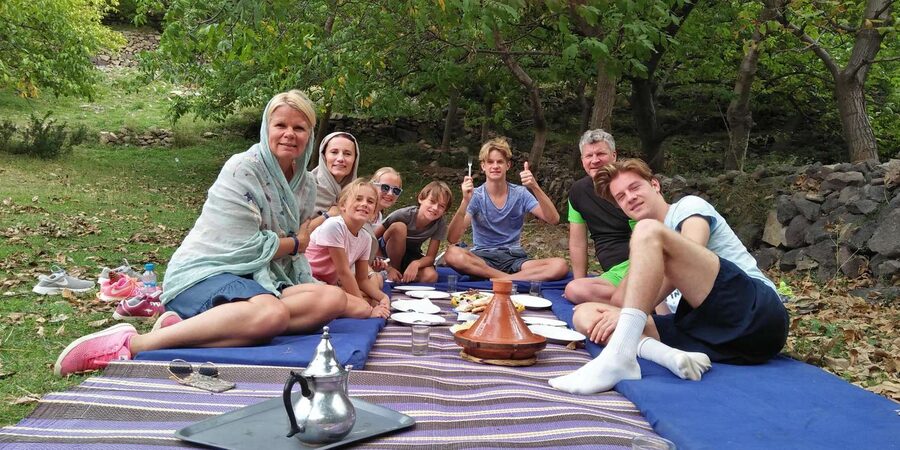
This trip suits you if you want a challenging mountain achievement without organizing every detail yourself. It works particularly well for reasonably fit adults who enjoy shared meals, basic accommodation, early starts, and a social small-group setting.
You do not need to be an expert mountaineer, but you should not view this as a beginner stroll. Several people described it as harder than expected, and one fit person with long-trek experience still faced panic and exhaustion during the climb. Altitude affects people differently, so training alone cannot guarantee an easy summit day.
The tour is not suitable for children under 12 or people over 70. It is also a poor match if you need a private room, a relaxed schedule, comfortable transport, or a guaranteed summit.
The strongest part of the operation is the guide support. Names change by departure, but Ayoub, Oussama, Brahim, Mustafa, Hicham, Nouredin, Omar, and others have been singled out for patience, humor, pacing, and safety awareness. Language support is available in English, French, Spanish, and Arabic.
Should you book it?
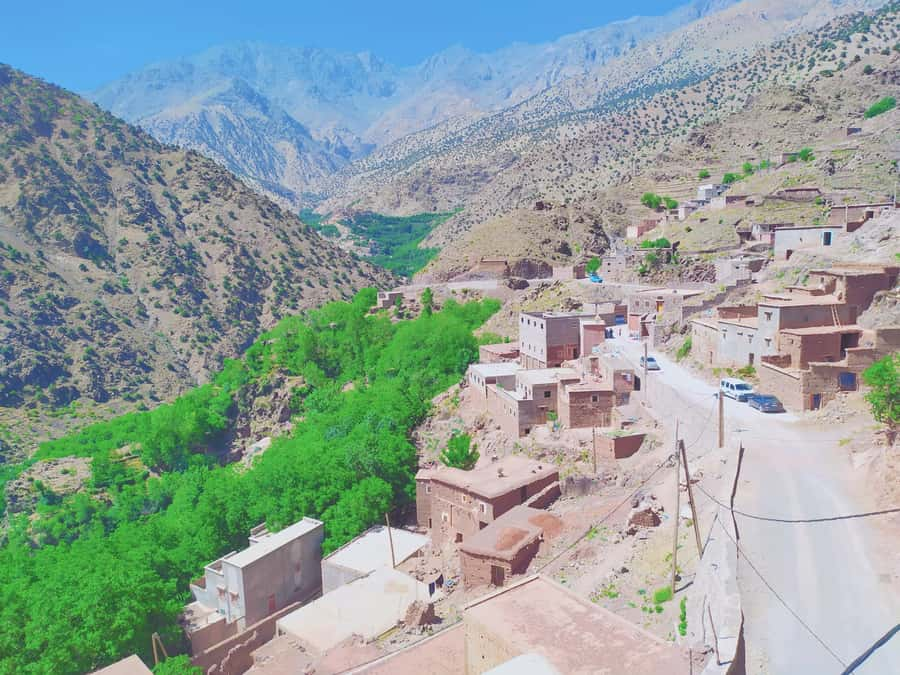
Book this trek if you want a real physical challenge, a sunrise summit attempt, and a close look at the High Atlas for $122. The included transport, meals, refuge bed, guide, and seasonal luggage mule make the price attractive.
Skip it if you are unfit, uncomfortable with shared dormitories, or unwilling to accept a weather-related change of plan. Pack for cold conditions even outside winter, carry snacks and cash, use earplugs, and prepare your knees for the descent.
For the right person, this is not a soft adventure. It is a demanding two-day climb made more manageable by good local support, warm food, and a group moving toward the same high point.
FAQ
How long does the Mount Toubkal experience last?
The experience lasts two days and includes one night at the Toubkal refuge.
How high is the Toubkal refuge?
The refuge is at approximately 3,207 meters above sea level.
How high is Mount Toubkal?
Jbel Toubkal reaches approximately 4,167 meters and is the highest point in North Africa.
How many hours do you trek on the second day?
The second day involves about 10 to 12 hours of trekking, including the summit attempt and return to Imlil.
Is hotel pickup in Marrakesh included?
Yes. Pickup and drop-off are included, but the vehicle collects you at the nearest point accessible by car. You need to provide your accommodation address.
Are meals included?
Yes. The price includes one breakfast, two lunches, and one dinner. Drinks are not included.
Is a mule included?
A mule is included to carry luggage from April through November.
Can I rent trekking equipment?
Trekking gear is not included, but equipment such as sleeping bags, gloves, head torches, hats, and walking poles may be available to rent.
Can the summit attempt be canceled because of weather?
Yes. Severe wind, snow, extreme temperatures, or unsafe conditions can prevent the group from reaching the summit.
Just added in Marrakech
- Quad Ride In The Agafay Desert★ 5.0 · 39 reviews
- Quad Biking Agafay desert★ 5.0 · 20 reviews
- Marrakech: Tailor-Made City Tour With Your Own Private Guide★ 4.9 · 236 reviews
- Surf Training and Lunch on Essaouira Day Trip from Marrakech★ 4.9 · 51 reviews
- Essaouira: Surf Trip from Marrakech★ 4.9 · 31 reviews
- Marrakech palm grove: Sunset camel ride★ 4.8 · 194 reviews
- Marrakech : Agafay Desert Sunset Camel Ride & Luxury Dinner★ 4.3 · 39 reviews
- Marrakech: Sunrise Desert Tour with Camel Ride and Breakfast★ 4.4 · 36 reviews
Atlas Mountains Day Trips, compared.
Atlas Mountains, Ourika Valley, Waterfall & Lunch
Read our review →
Berber villages : Atlas Mountains Day Hike from Marrakech
Read our review →
Ourika Waterfalls, Atlas Mountains, Guide + Lunch
Read our review →
Atlas Mountains & Agafay Desert Tour w Camel Ride
Read our review →
Atlas Mountains, Waterfalls, Ourika Valley +Lunch
Read our review →
Atlas Mountains & 5 Valleys Tour from Marrakech – All inclusive –
Read our review →Browse the lists this tour appears in