
Reviewed · MEDINA & SOUK TOURS
Marrakech: Babouch Making Workshop in the Medina
Making a pair of Moroccan babouch slippers gives you something a souk purchase cannot: a clear sense of the work behind the finished leather. In Youssef’s Medina workshop, you choose the leather and color, cut the pieces, and follow the process through gluing, hammering, and stitching, with help at each stage.
I like the private-group format, which keeps the pace calm and lets the artisan adjust the slippers to your feet. I also like the human touch: guides such as Khaoula, Ouiam, and Yasmine help with translation and lead you through the souks. The one drawback is the meeting point, which has caused confusion, so confirm the exact spot before you set out.
Key points to know before booking
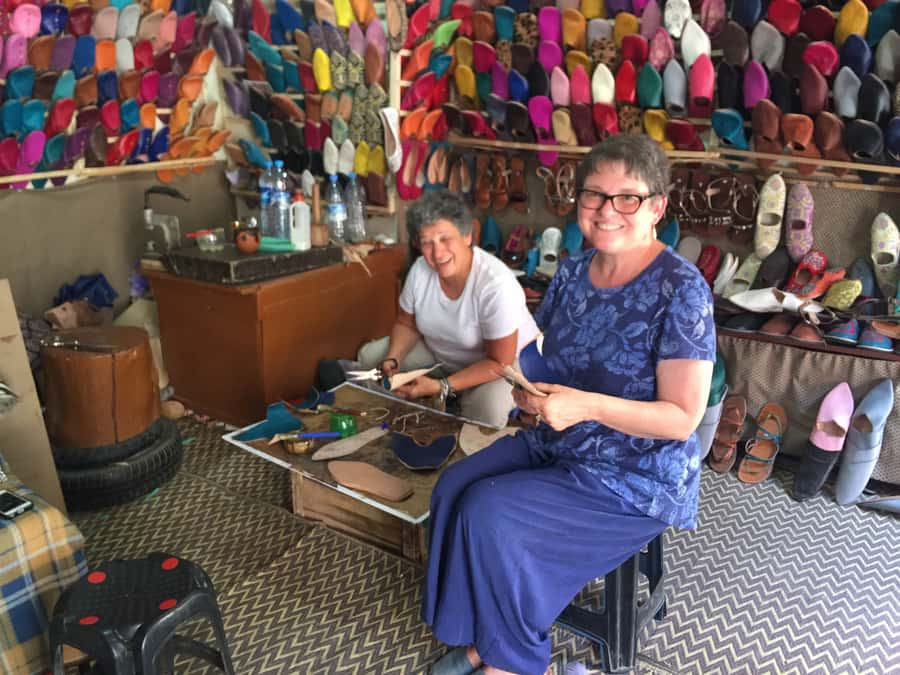
- A real hands-on craft session: You work with leather, templates, glue, tools, and traditional methods rather than simply watching a demonstration.
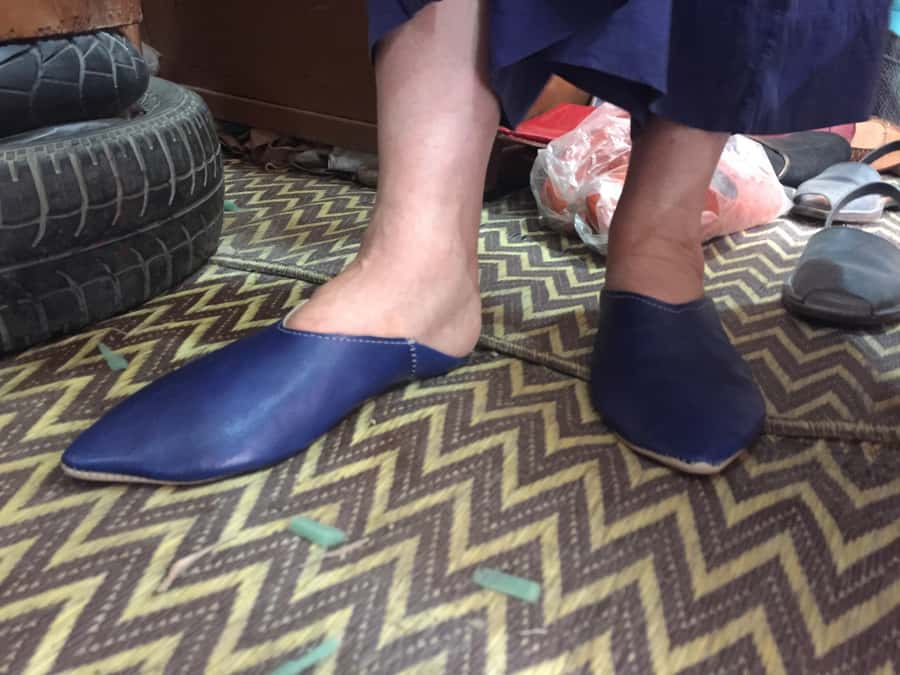
- Your slippers are fitted to you: You choose the style and color, and adjustments can be made for unusual or very small feet.
- A guide makes the Medina easier: English, French, and Arabic support is available, which matters when finding the workshop through the souks.
- Tea breaks are part of the rhythm: Mint tea, water, and homemade Moroccan sweets give you a welcome pause during the work.
- The workshop lasts about four hours: Allow extra time around the stated three-and-a-half-hour craft session for meeting and walking.
- The meeting point needs care: Look for the guide near the Post Maroc building in Jamaa el Fna, and clarify the Rue Bani Marine wording ahead of time.
Why making babouch is better than simply buying them
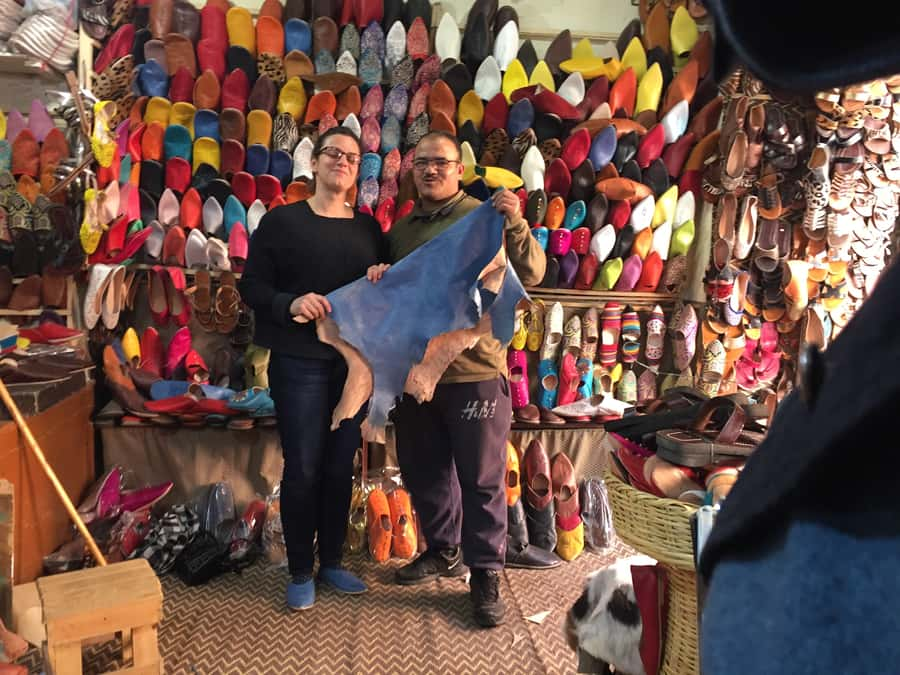
Marrakech is full of leather goods. You can buy babouch in minutes, often after a lively round of bargaining. This workshop asks for more time, but it gives you a better understanding of what you are taking home.
Babouch are not just decorative souvenirs. They are shaped leather slippers with a simple look that hides a fair amount of handwork. During the session, you see how separate pieces become footwear. You also gain respect for the speed and accuracy of an experienced craftsperson, especially when the stitching and finishing begin.
I like this kind of activity because the souvenir carries a story. You remember choosing the leather, handling the tools, and sitting down for tea while the work continues. That makes the finished pair more personal than something pulled from a crowded shop shelf.
The workshop is also a useful pause from the intensity of the Medina. The souks can be noisy, crowded, and hard to read at first. Inside the studio, the pace becomes focused and practical. You still hear and feel Marrakech around you, but your attention shifts to the leather in front of you.
Other medina and souk tours in Marrakech people book:
- Marrakech: Bahia Palace, Saadian Tombs, Souk and Medina Tour
★ 4.7 · 4,974 reviews - Marrakech: Ben Youssef, Secret Garden, & Souks Walking Tour
★ 4.6 · 2,802 reviews - Marrakech: Colorful Medina Souks Guided Walking Tour
★ 4.7 · 2,470 reviews
Meeting your guide at Jamaa el Fna
The advertised meeting point is in front of the post office at Jamaa el Fna Square. This is a sensible central place to begin, but the wording has not always been clear. The location may also be described as Rue Bani Marine, and that has led some people to wait under the street sign while the guide stood near the entrance in front of the Post Maroc building.
I would treat this as the main practical issue with the experience. Confirm the exact meeting point and look for the guide near the post office entrance, not just the road sign. Arrive with enough time to deal with the Medina’s foot traffic and the possibility of standing on the wrong side of the square.
The guide then leads you into the souks and toward the workshop. This walk is part of the value, but it is not simply a transfer. The deeper you go, the farther you get from the souvenir stalls around the square and the more the craft setting becomes the focus.
Guides named by participants include Khaoula, Ouiam, Yasmine, and others. Their job is important. They translate between you and the artisan, explain the steps, help the group stay together, and make the route through the souks less stressful. English, French, and Arabic are offered.
One person described the walk from the meeting point as long enough that the guide was essential. Another had a meeting mix-up and was collected by bike. I would not count on that kind of pickup, but I would expect the guide to help if the meeting instructions are unclear.
Choosing leather, color, and slipper style
Once you reach Youssef’s studio, the practical work begins with the materials. You choose the leather, color, and style for your babouch. This is a small decision, but it gives you ownership of the finished pair from the start.
You are also introduced to the leather itself and how it is prepared for Moroccan leather goods. The point is not a formal lecture. Instead, the information comes through the work as you handle different pieces and see how they are used.
The choice of color can be one of the most enjoyable parts of the session. If you are making a pair with someone else, you can choose matching slippers or go in different directions. The workshop is private, so you have more room to ask questions and take your time than you would in a large class.
The available materials and tools are provided. You do not need to arrive with craft equipment or leatherworking experience. The session is designed to teach the process step by step, with the artisan and guide offering help when a task needs more precision.
Cutting templates and shaping the leather
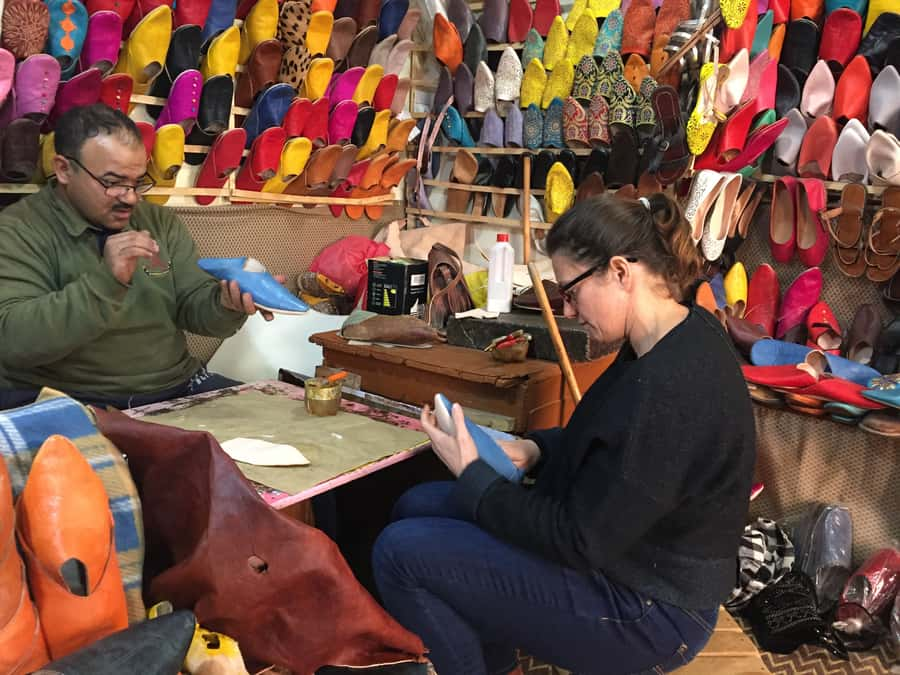
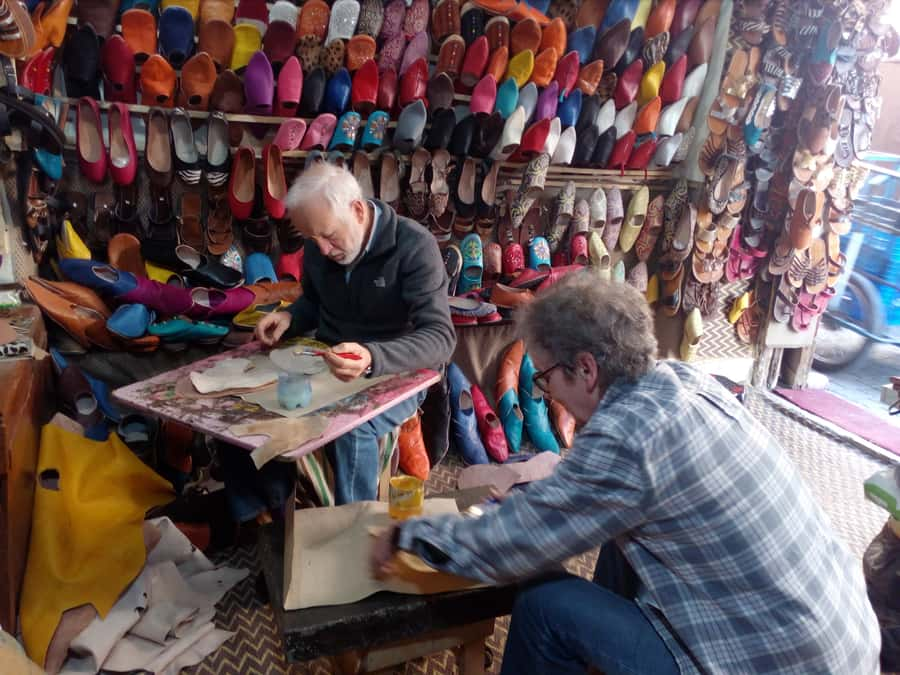
The early hands-on stages include drawing or tracing patterns, cutting leather, gluing, and hammering. Templates help make the work manageable, but this is still practical craft, not a simple paint-and-take-home project.
You will need to concentrate during the cutting stage. A clean shape matters, and the fit of the final slipper depends on careful preparation. The artisan is there to show you what to do and correct problems before they affect the finished babouch.
This is where the workshop gives you a useful lesson in traditional production. The slippers may look straightforward when displayed in a shop, but the process involves several linked steps. A small mistake in one part can affect the next part, so the pace is relaxed and deliberate.
The work is suitable for people who enjoy making things with their hands. It may be less appealing if you want a quick activity with little effort. You will not spend four hours being entertained. You will spend much of the time concentrating, asking questions, and working through the construction.
That is also why the experience suits families with older children. An 11-year-old successfully took part in one session, and the activity offers a concrete task rather than a long spoken explanation. Younger children may find the careful cutting and construction less easy, but the supplied information does not set a minimum age.
Other walks through the old town in Marrakech:
- Marrakech: Saadian Tombs & Bahia Palace, Medina Guided Tour
★ 4.6 · 1,989 reviews - Marrakech Monuments & Souks 3-Hour Tour
★ 3.8 · 1,540 reviews - Marrakech: Bahia Palace, Madrasa Ben Youssef and Medina Tour
★ 4.7 · 1,347 reviews - Marrakech: Madrassa Ben Youssef, Secret Garden & Medina Tour
★ 4.8 · 1,303 reviews
Stitching, finishing, and getting the fit right
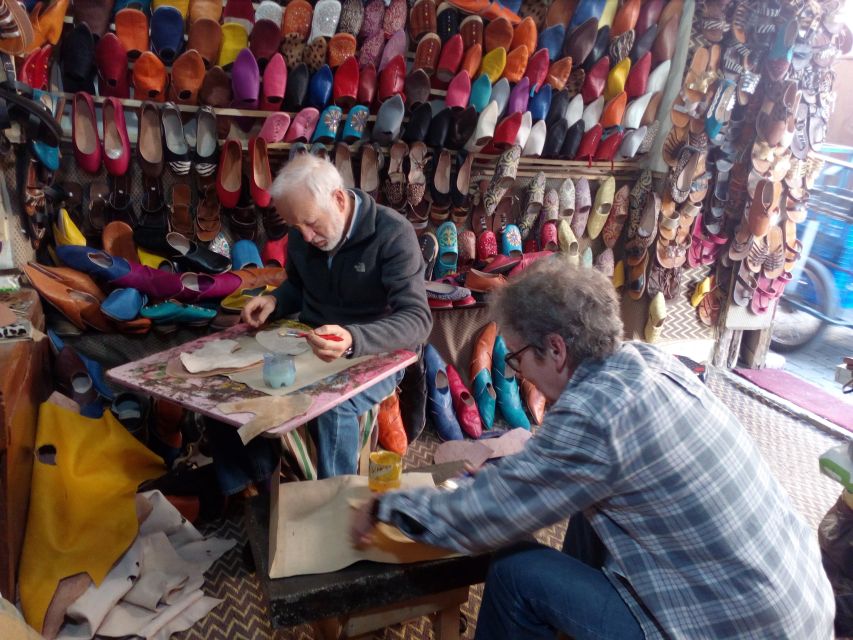
The later stages show the skill of the artisan most clearly. After the leather has been prepared, the pieces are stitched and finished. The speed of the stitching can be striking, especially when you compare it with the time it takes a beginner to prepare the pieces.
You may have help turning the babouch into its final shape. One assistant was praised for showing how to turn the slippers correctly, an important step that is easy to underestimate. The finished form comes from more than just sewing leather together.
Fit is another strong point. The slippers are made to your size, and adjustments can be made when needed. A very small foot was accommodated during one session, showing that the work is not limited to standard off-the-shelf sizing.
You should still keep realistic expectations. Handmade leather is not factory-perfect, and your own contribution may show small irregularities. That is part of the charm, provided you are happy with a souvenir that reflects a real workshop rather than a mass-produced item.
The completed pair belongs to you after the session. Each participant receives a pair to take home, and the practical design makes babouch easy to pack in a suitcase.
Tea, Moroccan sweets, and a slower Medina pause
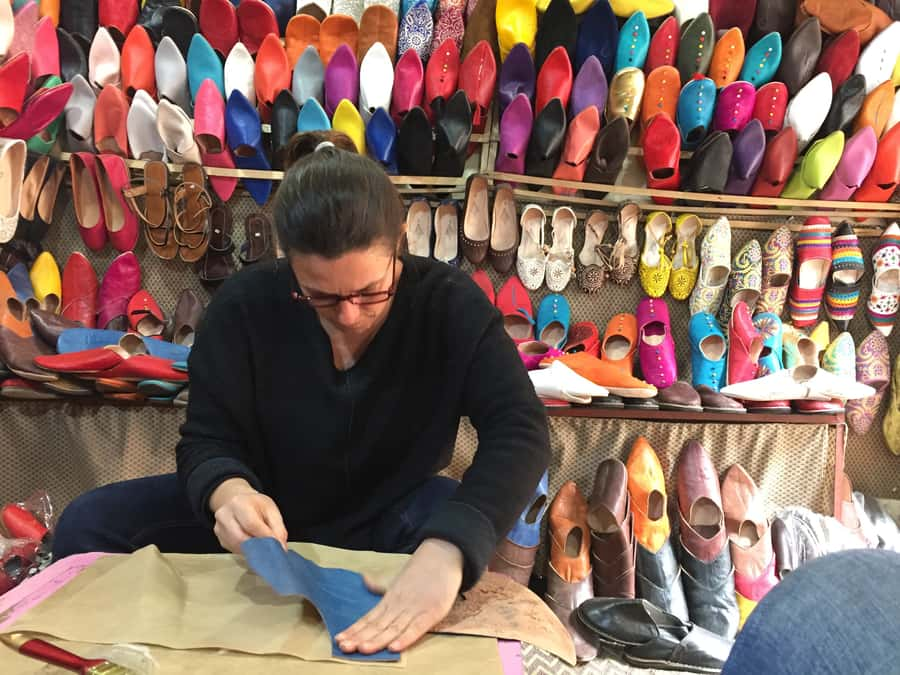
A tea break is included, with water and homemade Moroccan pastries or cookies. This is more than a snack added to the booking. It gives your hands and attention a break during the leatherwork.
Moroccan mint tea provides a natural pause in the session. You can talk with Youssef, ask about the craft, and learn more about his family’s connection to leatherwork. One participant particularly valued hearing about five generations of the family trade.
The food is simple, but it fits the setting. You are not being taken to a restaurant or given a separate food tour. You are sharing a small refreshment in the workshop while the craft continues around you.
I would schedule this as a morning activity if you can. The calm start can help you get your bearings before spending more time in the souks. It also leaves the rest of the day open for shopping, museums, or exploring the square.
Meeting Youssef and learning from a working craftsman
Youssef is the central figure in the workshop. He works in his own studio and explains the leather and babouch-making process through demonstration and practical instruction.
His role is not simply to hand you materials. He guides the construction, answers questions, and helps solve problems as they appear. Several people also ordered other leather items, including a bespoke belt, and collected them later at a reasonable price. That option may be available, but you should treat it as a separate purchase rather than part of the workshop.
Communication is supported in English, French, and Arabic. Youssef has been described as speaking English and French well, while the guide helps translate when needed. You can ask questions about colors, construction, and the role of different leather pieces without relying on gestures alone.
The setting also creates room for ordinary conversation. You might hear about local life, family craft traditions, or the work of the Medina. One especially enjoyable detail from a session was listening to Taylor Swift while making the slippers, a reminder that the workshop is personal and informal rather than staged as a museum display.
Private groups and the four-hour time commitment
This is a private-group activity, which is a major reason the $81 price can make sense. You are not paying only for a pair of slippers. You are paying for several hours of instruction, materials, a guide through the Medina, refreshments, photographs, and a finished handmade item.
For someone who would otherwise spend money on babouch in the souks, the value is fairly strong. You leave with a pair and understand how it was made. You also get a direct meeting with a local craftsperson, something a normal shopping stop cannot provide.
The price may feel high if your only goal is inexpensive footwear. Babouch can be bought elsewhere for less, and the workshop takes most of half a day. I would choose it for the time and contact with the artisan, not as the cheapest way to buy slippers.
The advertised duration is four hours, while the practical workshop itself is described as about three and a half hours. Allow the full block, including the meeting and walk. The private format means the pace can adjust, but you should not book it between two tightly scheduled attractions.
Photographs are taken during the session and emailed afterward. This is useful if you want a record of the process without stopping constantly to take pictures yourself.
Who will enjoy this Medina workshop most
I would recommend it to you if you enjoy practical activities, local craft, and souvenirs with a story. It is a particularly good fit for couples, families with older children, and small private groups who want something quieter than a standard souk tour.
It also works well for repeat visitors who have already seen the main sights and want more contact with everyday craft. The session offers a closer look at leatherwork than browsing finished products ever can.
You may want to skip it if you dislike detailed handwork or would rather spend the morning shopping and sightseeing. Four hours is a serious commitment, and the workshop is not a quick demonstration.
The activity is listed as wheelchair accessible, though the meeting point and route through the Medina should still be confirmed in advance. Narrow routes and the exact workshop approach can matter, so ask for clear directions before the day of the session.
Small drawbacks worth planning around
The meeting instructions are the only repeated practical concern. The Post Maroc building is the key landmark, but the Rue Bani Marine wording can be easy to misread. Confirm the spot and keep the provider’s contact information available.
The workshop takes place in the Medina, so the approach may involve walking through the souks. That is part of the experience, but it can be tiring or confusing if you are not used to the layout.
The activity is also partly dependent on translation. The guides are there to help, and the listed languages cover English, French, and Arabic, but conversations may move between the guide and artisan. If you have detailed questions about leather or construction, ask them directly and allow time for translation.
Finally, handmade slippers may have small variations. The artisan can adjust sizing, but the result will not have the uniform finish of a factory shoe. For me, that is a fair trade for taking home something made in the place where you learned the craft.
Should you book this babouch workshop?
Book it if you want a hands-on Marrakech memory, not just another purchase. The private setting, patient instruction, tea break, and fitted pair give the $81 price real value for people who enjoy craft and conversation.
I would book a morning slot, confirm the meeting point near the Post Maroc building, and leave the rest of the day open. If making things is your idea of fun, this is one of the better ways to connect with the Medina beyond its shop fronts. If you only want cheap slippers, buy them elsewhere and spend the four hours exploring.
FAQ
Where does the babouch workshop meet?
The meeting point is in front of the post office in Jamaa el Fna Square, near the Post Maroc building. The location may also be described as Rue Bani Marine, so confirm the exact spot before arriving.
How long does the experience last?
The activity lasts about four hours. The practical workshop itself is described as three and a half hours, with additional time for meeting and walking through the Medina.
What languages are available?
Instruction and guide support are available in English, French, and Arabic.
Is the workshop private?
Yes. The activity is offered for a private group.
Do I receive a pair of slippers?
Yes. Each participant receives a pair of babouch to take home after the workshop.
Can I choose the color and style?
Yes. You choose the leather, color, and style as part of the workshop.
Are tools and materials included?
Yes. The necessary tools and raw materials for the practical work are provided.
Are refreshments included?
Yes. Water, a tea break, and homemade Moroccan snacks or pastries are included.
Is the activity wheelchair accessible?
Yes, the activity is listed as wheelchair accessible. You should still confirm the exact meeting route and workshop access when booking.
Just added in Marrakech
- Quad Ride In The Agafay Desert★ 5.0 · 39 reviews
- Quad Biking Agafay desert★ 5.0 · 20 reviews
- Marrakech: Tailor-Made City Tour With Your Own Private Guide★ 4.9 · 236 reviews
- Surf Training and Lunch on Essaouira Day Trip from Marrakech★ 4.9 · 51 reviews
- Essaouira: Surf Trip from Marrakech★ 4.9 · 31 reviews
- Marrakech palm grove: Sunset camel ride★ 4.8 · 194 reviews
- Marrakech : Agafay Desert Sunset Camel Ride & Luxury Dinner★ 4.3 · 39 reviews
- Marrakech: Sunrise Desert Tour with Camel Ride and Breakfast★ 4.4 · 36 reviews
Medina & Souk Tours, compared.
Bahia Palace, Saadian Tombs, Souk and Medina Tour
Read our review →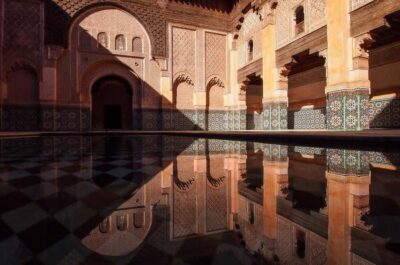
Ben Youssef, Secret Garden, & Souks Walking Tour
Read our review →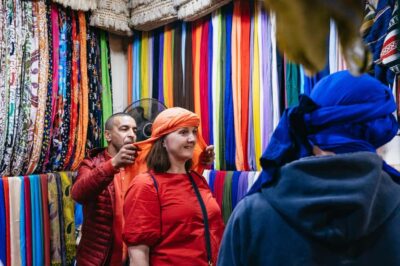
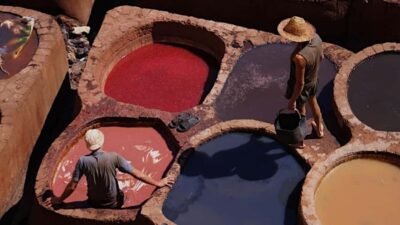
Museum, Al Attarine Madrasa & Tannery and Medina Tour
Read our review →
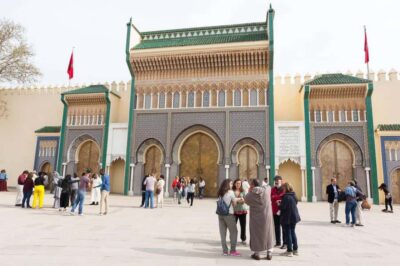
Bahia Palace, Madrasa Ben Youssef and Medina Tour
Read our review →
Explore Fes: Unforgettable Guided Walking Tour of the Medina
Read our review →Browse the lists this tour appears in