
Reviewed · POTTERY & CRAFT WORKSHOPS
Marrakech: Pottery Workshop
Marrakech’s pottery workshop gets you past the finished souvenirs and into the work itself. You handle the clay, try the traditional potter’s wheel, and see how a lump of earth becomes a useful object. I like the close look at every stage, from clay preparation to firing, and I like the relaxed tea break with Moroccan pastries and the craftsman. The main drawback is the $93 price, which may feel high if you want only a short craft demonstration.
This is a good choice if you enjoy making things with your hands and want a quieter counterpoint to the noise of Jemaa el Fna. The private-group format and patient instruction are valuable, especially for beginners, but four hours is a serious block of holiday time, and your finished piece may not look quite as graceful as the one made by the professional.
Key points to know before booking
- Two Moroccan pottery methods: Try the turning technique on a traditional wheel and learn the molding method.
- A full workshop view: See clay preparation, shaping, firing, and glazing rather than only making one object.
- Patient personal instruction: Craftsmen such as Tariq guide the practical work, with Wiam noted for fluent English translation.
- A welcome tea break: Moroccan herbal tea, pastries, and water are included midway through the class.
- Private four-hour format: You get focused help rather than joining a large public class.
- Easy central meeting point: Meet at the post office beside Medina Jemaa el Fna Square.
From Jemaa el Fna to a working pottery studio
The experience begins at the post office in Medina Jemaa el Fna Square, one of Marrakech’s easiest places to locate if you are already in the old city. That detail matters. The square can feel confusing at first, but a fixed meeting point by a recognizable public building gives you a clear place to begin.
From there, you go to a traditional pottery workshop near Marrakech. The exact transfer arrangements are not specified, so I would confirm the meeting instructions and transport details when you book. Do not assume that a hotel pickup is included simply because the workshop is described as a tour.
The workshop itself is more than a quick stop for photographs. You are introduced to the way the studio is organized, beginning with the clay and continuing through forming, drying or firing, and glazing. That wider look gives the four-hour session a useful rhythm: you are not just trying a craft, you are seeing the chain of work that supports Moroccan pottery production.
A private group is especially helpful here. Pottery is not a skill you can learn by watching from the back of a crowded room. You need space at the wheel, time to ask questions, and someone close enough to correct your hands before the clay collapses.
Other things to make with your hands in Marrakech:
- Marrakech: Pottery Workshop with Moroccan Tea
★ 4.8 · 756 reviews - Marrakech: Make Your Own Moroccan Zellige Mosaic Masterpiece
★ 4.8 · 103 reviews - Lamsaty Pottery Workshop with Moroccan Tea
★ 5.0 · 75 reviews
Preparing clay before the creative part
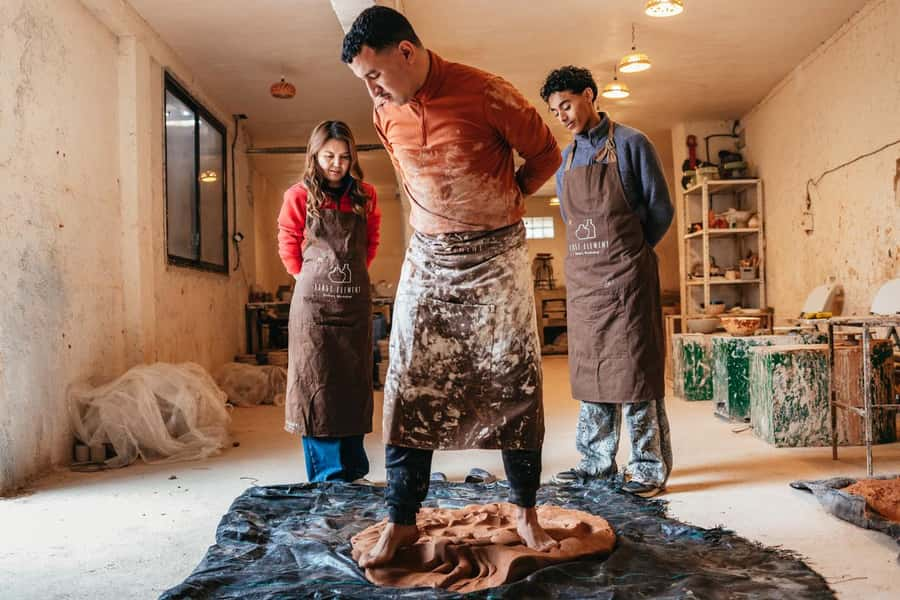
The first lesson concerns the material itself. You work with clay soil and learn how it must be prepared before it can be shaped. This is a practical detail that many short craft activities skip, yet it explains why pottery begins long before the wheel starts turning.
Clay looks forgiving, but it has its own limits. It must be workable enough to shape and stable enough to hold its form. The craftsman shows you the material and explains how the preparation affects the final object. You may find that this part is less instantly exciting than spinning clay on the wheel, but it gives the rest of the session more meaning.
I like this stage because it puts the craft in the hands of the maker rather than treating it as a decorative trick. Moroccan pottery is not produced by magic at the end of a tourist demonstration. It depends on careful material preparation, practiced movements, and patience.
The pace also gives you a chance to ask about the workshop’s tools and working methods. Instruction is available in English, French, and Arabic. If you need English support, Wiam has been specifically noted for fluent translation during the class, while Tariq has been praised for his teaching and artistic skill.
Taking a turn at the traditional potter’s wheel
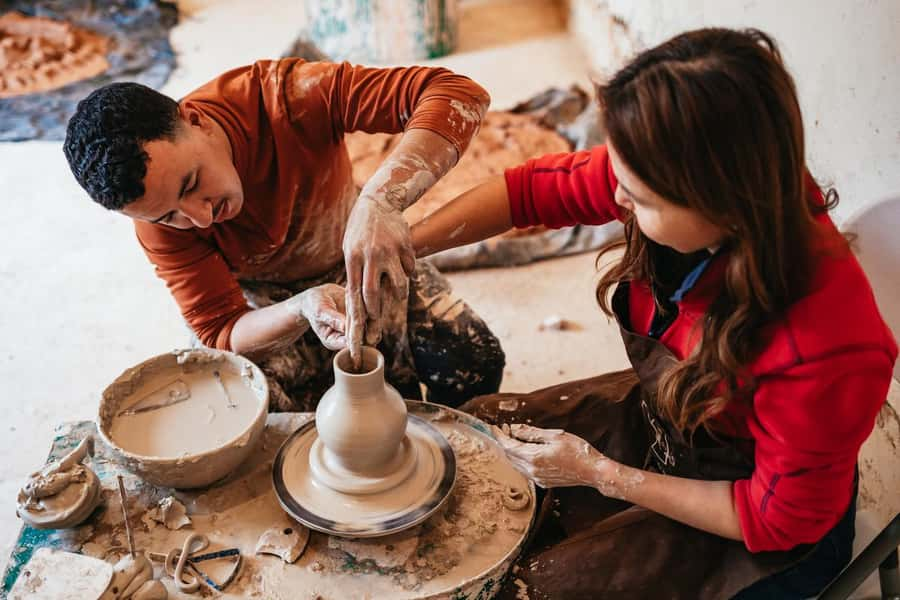
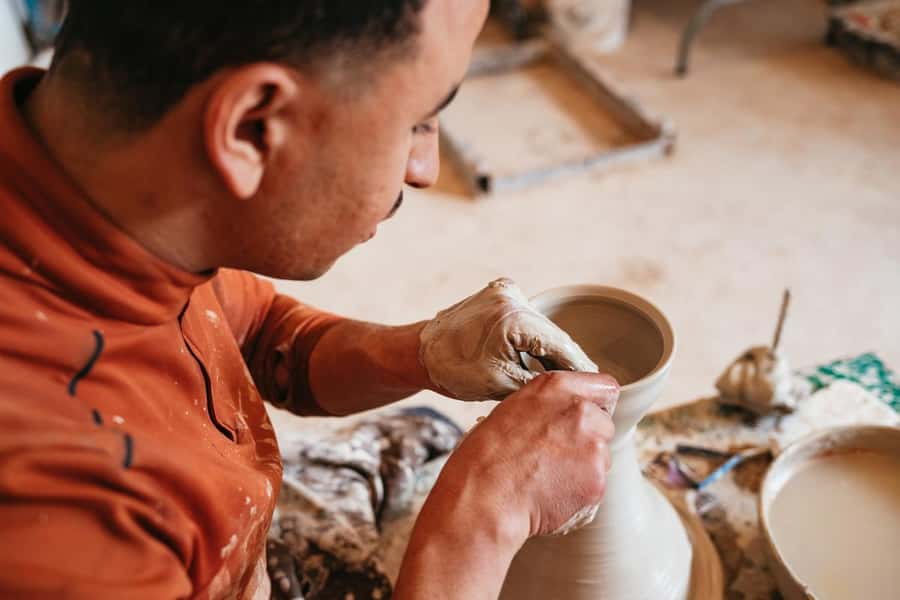
The wheel is likely to be the most memorable part of the class. You place the clay on the turning surface and begin learning how to center it, control the pressure, and pull the walls upward. The description does not promise that you will produce a perfect bowl or vase, and it is better to arrive with modest expectations.
A potter’s wheel can make simple shapes look easy. In practice, small changes in pressure can alter the whole form. Your first attempt might lean, widen, or slump. That is not a failure. It is the quickest way to understand why an experienced Moroccan potter can create a balanced object with movements that seem effortless.
The craftsman helps you through the process rather than leaving you to guess. That personal guidance matters even more for children, couples, and adults who have never touched a wheel. You should expect to get clay on your hands and possibly on your clothes, so comfortable clothing is not just a polite suggestion.
The wheel lesson also gives you a feel for the physical side of the trade. Your hands must work together while the clay turns beneath them. You are learning control, not simply decorating a ready-made item.
Learning the molding method as a second approach
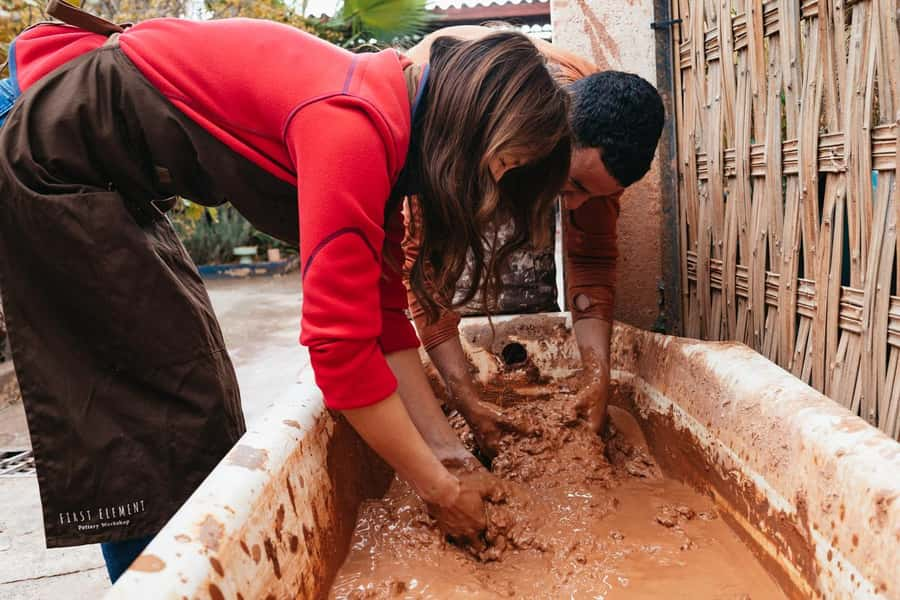
The workshop also introduces molding, the other major shaping technique covered in the class. This provides a useful comparison with wheel work. The wheel depends on turning and hand pressure, while molding lets you understand how a form can be built or shaped with a different set of movements.
You may prefer one method immediately. Some people enjoy the steady motion of the wheel, while others find molding easier to control. Having both techniques in one four-hour session means you can see why potters choose different methods for different forms.
The class is designed around learning rather than rushing you toward a souvenir. That is good news if you want to understand Moroccan craftsmanship, but it also means the final object may not be the main reward. Ask about what happens to your piece after the class, since the supplied details do not specify how finished pottery is collected, delivered, or taken home.
The possibility of a surprise at the end has also been noted in the experience details, but the exact nature of it is not given. Treat that as a pleasant extra rather than the reason to book.
Same base, a different sort of day:
- Marrakech: Agafay Desert Sunset, Camel Ride, and Dinner Show
★ 4.6 · 35,119 reviews - From Marrakech: Ouzoud Waterfalls Guided Hike and Boat Trip
★ 4.7 · 33,630 reviews - Marrakech: Agafay Desert Quad & Camel Rides with Dinner Show
★ 4.8 · 27,382 reviews - Marrakech: Agafay Desert Quad Biking Tour with Dinner-Show
★ 4.8 · 16,569 reviews
Seeing firing and glazing in context
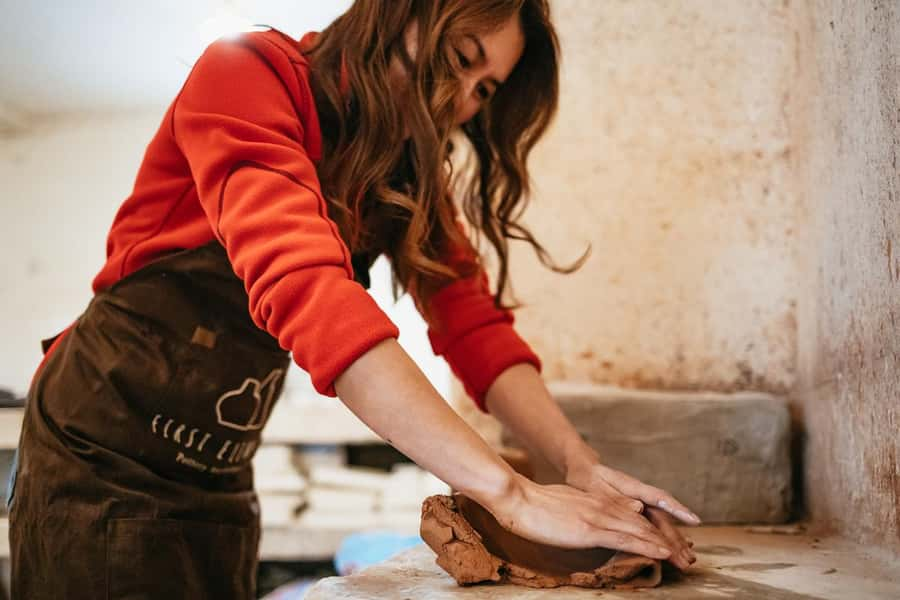
After shaping, the pottery must become durable. The workshop lets you observe the later stages, including firing and glazing. These steps show why a fresh clay object is not finished when you remove it from the wheel.
Firing hardens the clay, while glazing affects the surface and final appearance. The class gives you a view of how those processes fit into the studio’s daily organization. You may not spend an equal amount of hands-on time at every stage, since firing and glazing require equipment and preparation beyond a visitor’s short session.
Still, seeing the whole path is useful. It helps you understand the labor behind the bowls, plates, jars, and decorative objects sold in Moroccan markets. It also makes the price of handmade pottery easier to judge. A finished piece reflects more than the few minutes it takes to shape the wet clay.
This is one of the workshop’s strongest features for anyone who already shops for ceramics. You can look at market pottery with a better eye for the marks of handwork, the role of the glaze, and the difference between making an object and simply buying one.
Tea, Moroccan pastries, and time with the craftsman
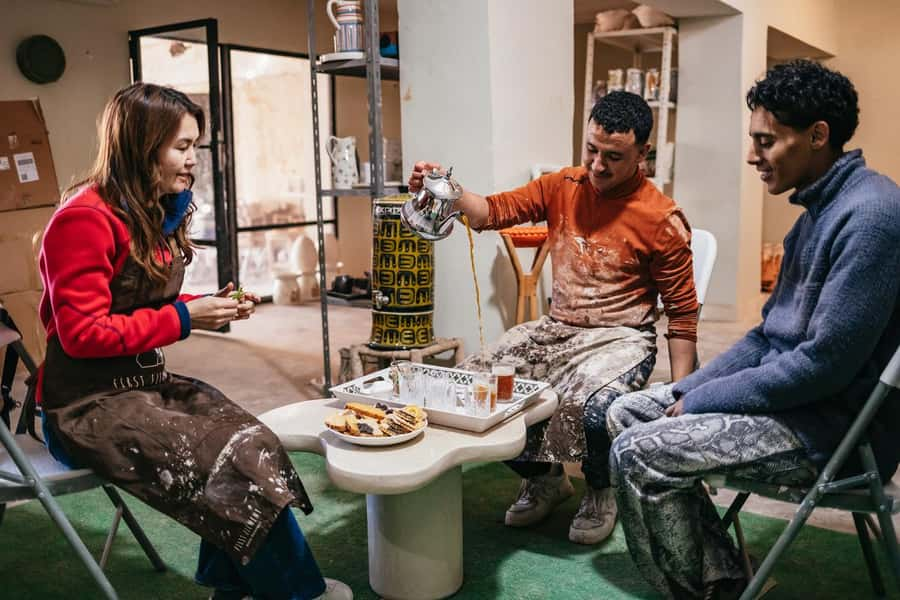
A tea break comes midway through the class, with local herbal tea, Moroccan pastries, and water included. It is a small feature, but it makes sense in a four-hour activity. Pottery requires concentration, and a pause gives your hands and attention a rest.
The break also creates a more informal moment with the craftsman. You can ask about the work, compare the two shaping methods, and enjoy a taste of Moroccan hospitality without having to hurry back to the wheel.
The strongest praise attached to this experience centers on the people leading it. Tariq is described as an excellent tutor and artist. Another account highlights a patient craftsman who used humor to keep the class moving, while Wiam helped with fluent English translation. Those details suggest that the quality of the session depends heavily on the individual instructor, as it does with any hands-on class.
The language options are English, French, and Arabic. If you speak one of those languages, you should be able to follow the main instruction. If you have specific needs, confirm them in advance, since the listed languages are the full language information provided.
Is $93 fair for four hours?
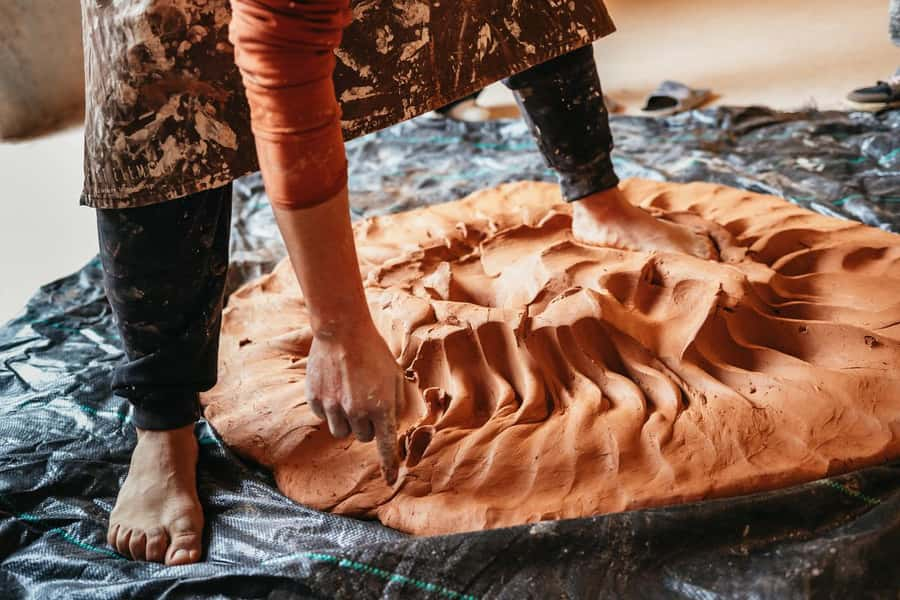
At $93 per person, this is not a bargain activity in the usual Marrakech sense. You can buy a small ceramic item for far less, and a brief market visit costs nothing. The value comes from the time, the private format, the instruction, and the access to the working process.
I would consider the price reasonable if you want a real activity rather than another sightseeing stop. Four hours gives you time to learn both wheel turning and molding, see the workshop stages, take a break, and receive direct help. Tea, pastries, water, and photographs are also included.
The price is harder to justify if you are mainly hoping for a finished souvenir. One direct assessment found the session fun and educational but a little expensive for what you receive. That is a fair warning. You should book for the making and learning, not because it is the cheapest way to acquire pottery.
The private group adds value, especially if you dislike crowded demonstrations. You can ask questions without competing for the instructor’s attention, and beginners are less likely to feel self-conscious while their clay wobbles on the wheel.
Who will enjoy this workshop most?
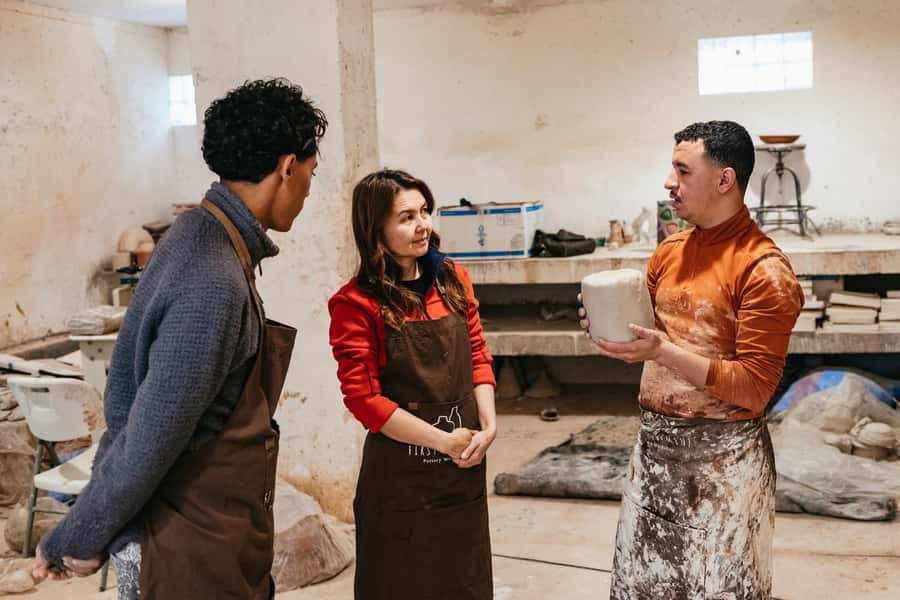
I would recommend this for adults, families, couples, and solo visitors who like tactile activities. It suits you if you want a break from monuments, shopping, and guided walking, and if you are happy to spend a half day concentrating on one traditional craft.
It is also a good pick for anyone interested in the people behind Moroccan handmade goods. You see the process in a way that a market stall cannot provide. The class can also work well for a small private group that wants a shared activity with a clear result, even if the result is imperfect.
I would hesitate if you dislike messy work, have limited time in Marrakech, or want a polished item to take home immediately. The activity is centered on learning and practice, not on a guaranteed professional finish.
Wear comfortable clothes and shoes. Clay work is not a formal occasion, and you will be better off in clothing that allows easy movement and will not cause worry if it gets dirty.
Practical booking details for a four-hour class
The meeting point is the front of the post office at Medina Jemaa el Fna Square. The activity lasts four hours, but starting times vary, so check the available time before you commit your day.
The class is offered as a private group and supports English, French, and Arabic. The booking terms allow free cancellation up to 24 hours before the activity for a full refund, and you can reserve now and pay later. Those options help if your Marrakech schedule is still shifting.
Photography is included. That is useful during a hands-on class because your own hands may be covered in clay when an interesting moment happens. The listing also states that you can skip the ticket line, though this is not a conventional ticketed attraction, so the main practical benefit is having a planned meeting arrangement.
Should you book the Marrakech pottery workshop?
Book it if you want to spend four hours learning a Moroccan craft from a working artisan, with real time on the wheel and an introduction to molding, firing, and glazing. The private format, helpful instructors such as Tariq and Wiam, and relaxed tea break make it more personal than a quick demonstration.
Think twice if $93 feels high for an activity without a clearly stated finished-product arrangement. You should also allow enough time in your schedule and wear clothes suited to clay work.
My call: this is a worthwhile choice for hands-on learners who value instruction and contact with local craftsmanship. It is less suitable for shoppers seeking a cheap souvenir or for anyone who wants a short, polished attraction with no mess.
FAQ
Where does the pottery workshop meet?
You meet at the front of the post office in Medina Jemaa el Fna Square.
How long does the activity last?
The pottery workshop lasts four hours.
What pottery techniques will I learn?
You learn two shaping methods used in Morocco: turning clay on a traditional potter’s wheel and molding.
What parts of the pottery process will I see?
You can observe the organization of the workshop from clay preparation through shaping, firing, and glazing.
Are tea and food included?
Yes. The activity includes a tea break, Moroccan pastry, and water.
What languages are available?
Instruction is available in English, French, and Arabic.
What should I wear?
Wear comfortable clothes and shoes, since the activity involves handling clay.
Just added in Marrakech
- Quad Ride In The Agafay Desert★ 5.0 · 39 reviews
- Quad Biking Agafay desert★ 5.0 · 20 reviews
- Marrakech: Tailor-Made City Tour With Your Own Private Guide★ 4.9 · 236 reviews
- Surf Training and Lunch on Essaouira Day Trip from Marrakech★ 4.9 · 51 reviews
- Essaouira: Surf Trip from Marrakech★ 4.9 · 31 reviews
- Marrakech palm grove: Sunset camel ride★ 4.8 · 194 reviews
- Marrakech: Sunrise Desert Tour with Camel Ride and Breakfast★ 4.4 · 36 reviews
- Marrakech : Agafay Desert Sunset Camel Ride & Luxury Dinner★ 4.3 · 39 reviews
Pottery & Craft Workshops, compared.
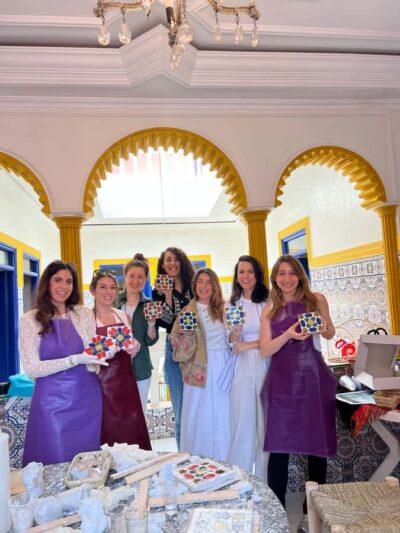
Make Your Own Moroccan Zellige Mosaic Masterpiece
Read our review →
Pottery and Mosaic Workshop in Fes Led by Local Artisans
Read our review →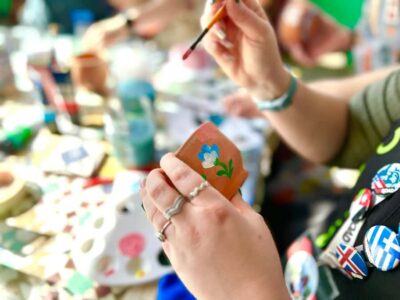
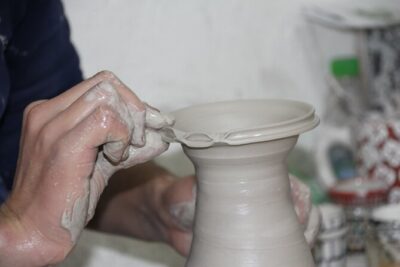
Interactive Pottery Painting and Zellige Mosaic Workshop in Fes
Read our review →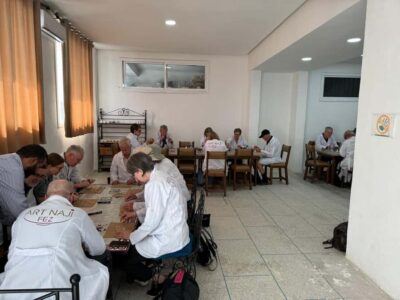
Artisan for a Day: Pottery & Zellige Workshop in Fez
Read our review →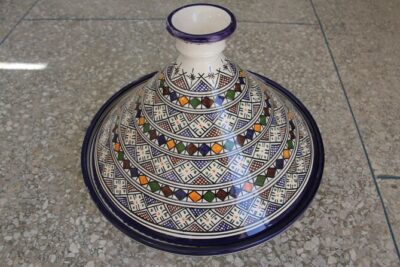
Guided Pottery and Zellige Workshops in Fes Morocco
Read our review →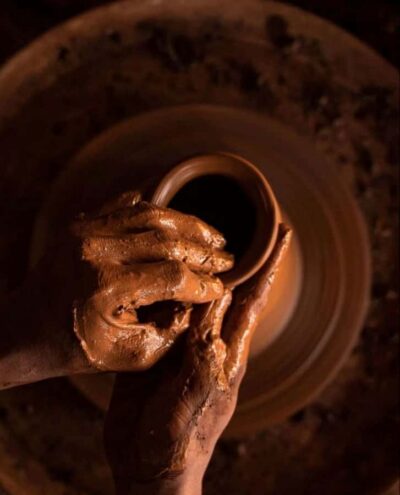
Browse the lists this tour appears in