
Reviewed · CHEFCHAOUEN DAY TRIPS
Tangier & Chefchaouen: 2-Day Tour From Casablanca By Train
Tangier and Chefchaouen make an appealing two-day pairing: one is a port city shaped by the Strait of Gibraltar, the other is a blue-painted mountain town reached by road. The high-speed train from Casablanca handles the longest part of the journey, leaving you to focus on the medinas, viewpoints, and local streets.
I like the Cape Spartel and Hercules Caves visit, which adds sea views and a touch of myth to the Tangier day. I also like the efficiency of having rail tickets, local transport, hotel, breakfast, and two guided visits arranged together.
The main caution is timing. This is a packed trip, and the quality of the experience depends heavily on the guide and transport coordination. Several people had smooth, helpful service, but others dealt with a late pickup, rushed train boarding, weak guiding, or an uncomfortable ride to Chefchaouen.
Key points before you book
- Two very different Moroccan towns: Tangier gives you port history, sea views, and a larger medina, while Chefchaouen offers a compact blue-painted old town in the Rif Mountains.
- High-speed train from Casablanca: The rail connection saves you from a long road journey at the start and end of the trip.
- Cape Spartel and Hercules Caves included: These stops add open views beyond the narrow lanes of the medina.
- One night in Tangier: A four-star hotel and breakfast are included, though the hotel location and air conditioning may not suit everyone.
- Small groups of up to 15: This should make walking tours easier to manage, but service can still vary between guides.
- Plan for a quick pace: You have only 48 hours, with a long road transfer to Chefchaouen on the second day.
Why this two-day pairing works
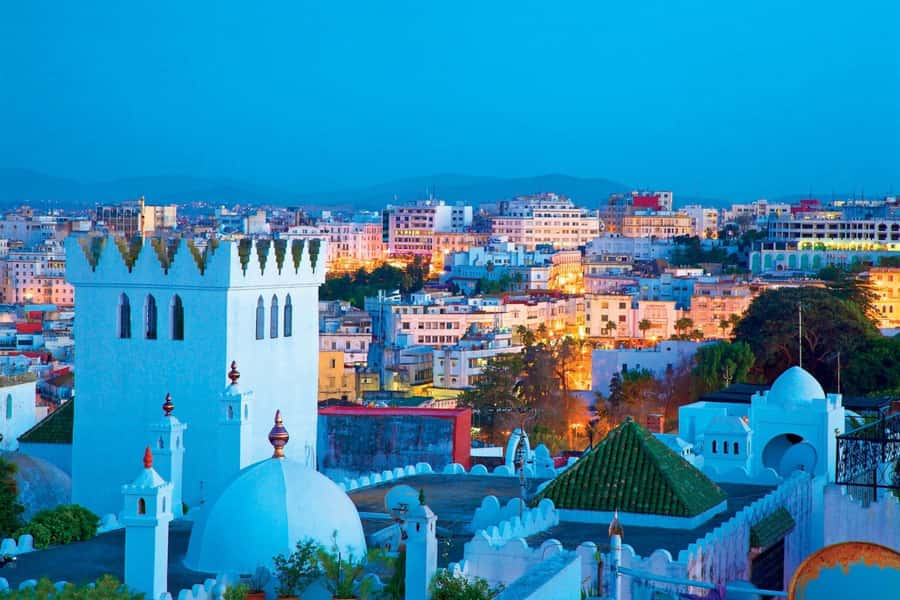
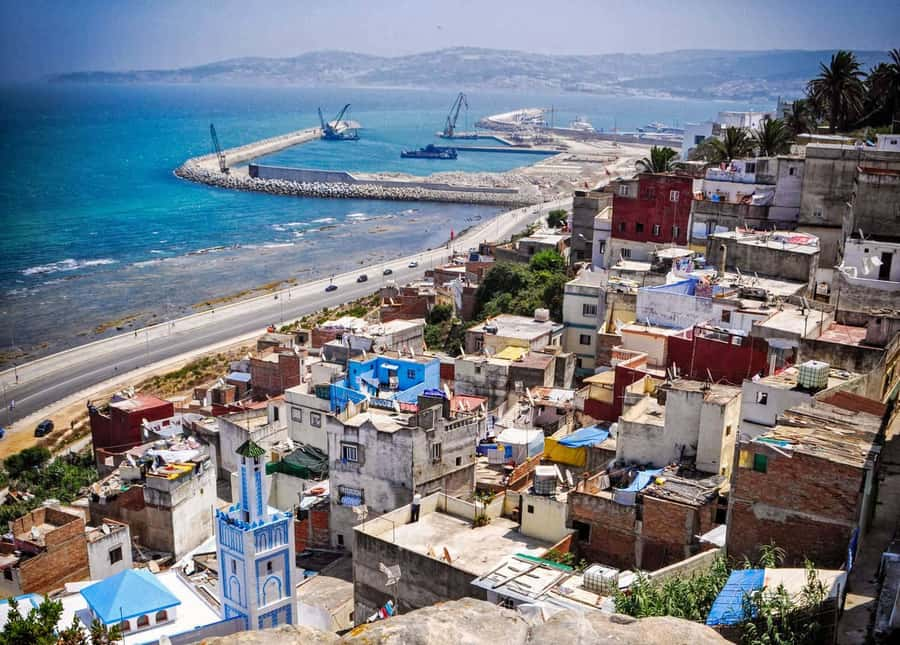
If you have limited time in northern Morocco, this tour puts two very different places into one short trip. Tangier sits at the meeting point of the Atlantic Ocean and the Strait of Gibraltar. Chefchaouen lies high in the Rif Mountains, with a smaller old town painted in shades of blue.
That contrast is the main reason to consider the tour. Tangier feels broad, coastal, and outward-looking. Chefchaouen is easier to explore on foot, with steep lanes, small shops, cafés, and a central square. You get a taste of both without arranging several separate tickets and transfers.
The cost is $293 per person. That price includes the high-speed train in both directions, transport in Casablanca and Tangier, a local guide, a Tangier sightseeing tour, one night in a four-star hotel with breakfast, and the Chefchaouen visit. Food and drinks are extra.
For a do-it-yourself trip, you would need to coordinate rail tickets, station transfers, a Tangier hotel, a road transfer to Chefchaouen, and transport back to Casablanca. I see the package as reasonable for someone who values convenience, especially if you are not comfortable arranging Morocco’s connections yourself. It is less attractive if you prefer slow mornings, independent meals, or complete control over where you stop.
Other trips north out of Chefchaouen:
- From Fez: Day Tour to the Blue Town of Chefchaouen
★ 4.5 · 1,750 reviews - Private walking tour of Chefchaouen (The blue city)
★ 5.0 · 225 reviews - Chefchaouen: Hidden Gems Guided Tour with Mint Tea
★ 4.8 · 129 reviews
The Casablanca to Tangier train connection
Your journey begins with a high-speed train from Casablanca. The train is one of the strongest practical features of the trip. It avoids spending the opening hours on a road and gives you a direct, organized connection to Tangier.
Pickup timing matters here. One poor experience involved a late hotel pickup and a driver who waited for another passenger at the wrong spot. The group reached the station with only four minutes to board and had to hurry through the train to find the correct coach.
That kind of problem can turn a calm morning into a stressful one. I would confirm your pickup time as early as possible, keep your phone available, and be ready in the hotel lobby before the stated time. Since the tour uses reserved rail seating, do not assume you can casually board at the last minute.
The transport company is Easy Transfers. Customer support from Samira and Mariem received specific praise for handling questions and concerns quickly, but the pickup information was not always provided early. If your departure details have not arrived by the evening before, contact the provider rather than waiting.
Cape Spartel and the Hercules Caves
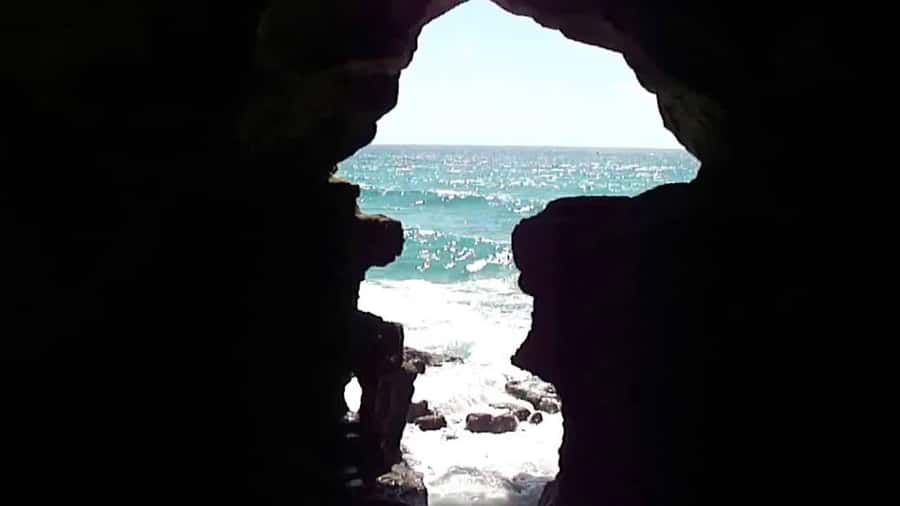
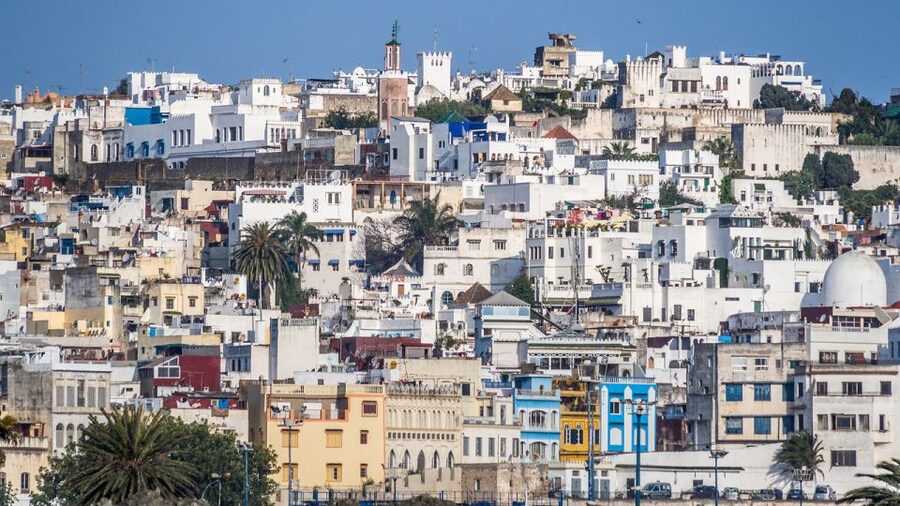
Tangier’s coastal stops give you a break from the old city. Cape Spartel is where the Atlantic and the Strait of Gibraltar meet, and the viewpoint provides the kind of broad sea vista that is hard to find inside a Moroccan medina.
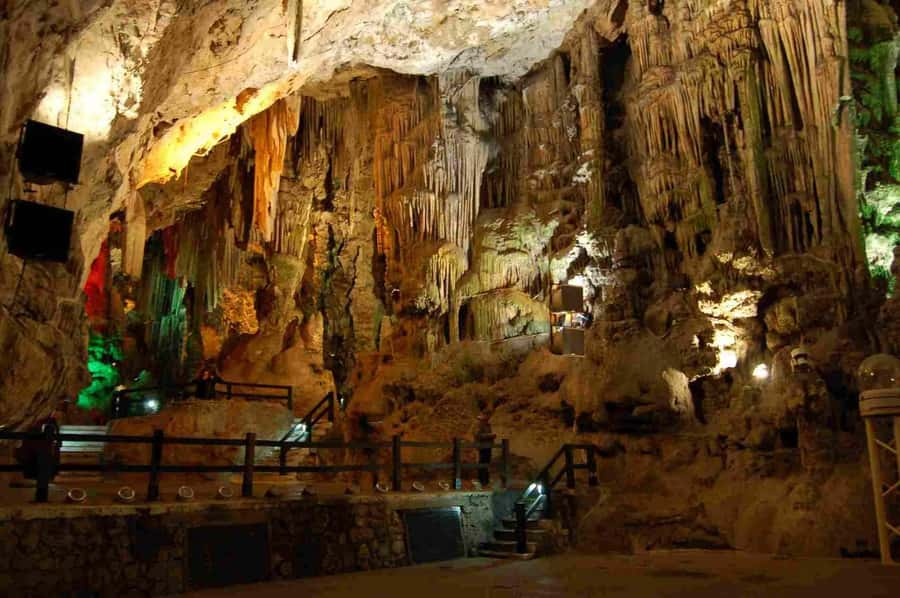
The Hercules Caves add another layer to the outing. Their name comes from the old story that Hercules rested here after completing his labors. You are not coming for a long cave expedition. The appeal is the setting, the rock formations, and the view toward the water.
These stops are especially useful early in the trip because they help you understand Tangier’s location. This is not simply a city beside the sea. It faces an important water crossing between Europe and Africa, and that position has shaped its trade, visitors, artists, and writers.
Bring sunscreen and weather-appropriate clothing. Cape Spartel can feel more exposed than the city, and comfortable shoes will serve you well once the day turns toward the medina.
Tangier’s kasbah, medina, and Grand Socco
The tour continues to the kasbah district beside the port. Here, you move into traditional handicraft shops and the lanes of the old medina. The shopping can be part of the fun, but keep your expectations clear: guided stops at shops may not be the same as browsing completely independently.
The medina is where Tangier feels most layered. You may see handmade goods, small hotels, food shops, and streets that twist toward the sea. The tour includes time to see the traditional side of the city, but the exact balance between walking, shopping, and eating can depend on the guide.
One weak experience involved a lunch stop where the group felt pressured to order a preselected four-course meal. The meal had not been agreed to by everyone, and a smaller order was served reluctantly and charged at a higher price than expected. Since food is not included, ask clearly about the menu and price before ordering.
The Grand Socco is another useful orientation point. This large meeting area sits near the old city and has connections to Tangier’s literary and artistic past. Small hotels in the area once hosted figures such as Henri Matisse, Camille Saint-Saëns, and Paul Bowles.
You also stop to admire a tall minaret overlooking the sea. The minaret is more than a photo stop. It shows how closely Tangier’s religious buildings, port activity, and coastal views fit together within the old city.
A few more things to do in Chefchaouen worth a look
- Casablanca: Tangier Day Tour by High-Speed Train
★ 4.3 · 131 reviews - Chefchaouen Day trip by High-Speed Train from Casablanca
★ 5.0 · 55 reviews - Casablanca to Tangier Day Trip by High-Speed Train
★ 3.5 · 54 reviews - From Rabat: Tangier Guided Day Tour by High-Speed Train
★ 3.6 · 39 reviews
One night in Tangier
The package includes one night in a four-star hotel, with breakfast. This saves you from finding accommodation after a full sightseeing day and gives the trip a clear base before the drive to Chefchaouen.
The hotel described in the booking information is close to a park and the beach, but not close to Tangier’s central sights. You may need a taxi to find dinner or continue sightseeing on your own. That location could suit you if you like being near the coast, but it is less convenient if you want to step outside into the heart of the medina.
Hotel quality also appears to vary in practical ways. One stay had limited breakfast choices, including no fruit, and the air conditioning reportedly did not work. That matters in warmer weather, especially after a busy day of walking.
I would treat the hotel as a functional overnight stop rather than a reason to book the tour. The useful part is having accommodation included. The tradeoff is that you may not get a central location or the room controls you expect from a four-star property.
The road to blue-painted Chefchaouen
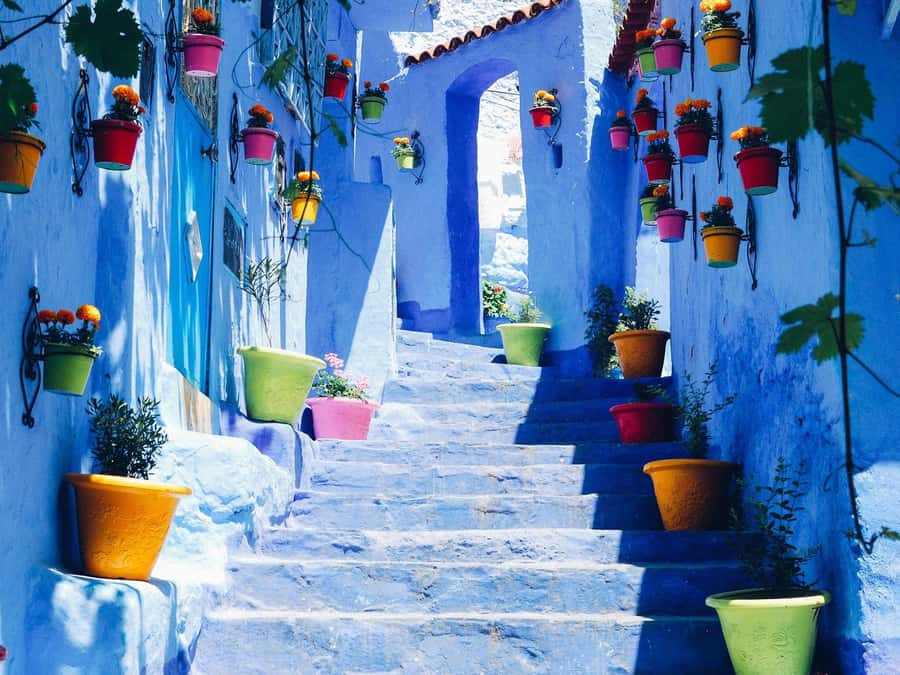
The second day takes you into the Rif Mountains. This is the most scenic part of the journey, but it is also where transport complaints were most pointed.
The Chefchaouen vehicle was described as late, poorly air-conditioned, and uncomfortable. In one case, the driver spoke on a mobile phone loudly throughout the ride. Seating was also fixed in a way that left some people facing backward, with those picked up later placed at the rear and unable to see much of the scenery.
You should be prepared for a road transfer rather than a smooth rail journey. The tour does not state the drive length, so I would not book this as a relaxed excursion with lots of free time. It is a practical way to reach Chefchaouen from Tangier, but the road portion may feel long if the vehicle is crowded or poorly cooled.
The small-group limit is 15 people, which is better than a large coach. Still, a small group does not guarantee comfortable seating or a quiet ride. If you are sensitive to motion or heat, bring water, sunscreen, and clothing suited to the day’s weather.
Walking Chefchaouen’s compact medina
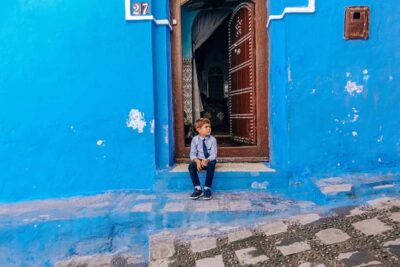
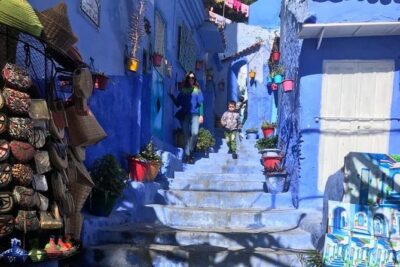
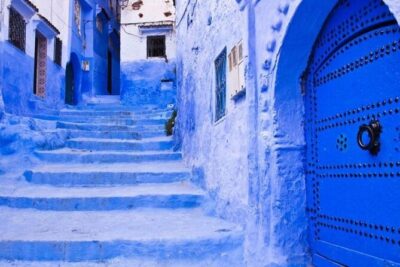
Chefchaouen is the visual centerpiece of the trip. Its old town is enclosed by walls and painted in blue tones that shift with shade and sunlight. The streets are compact enough to explore on foot, though some lanes climb and turn sharply.
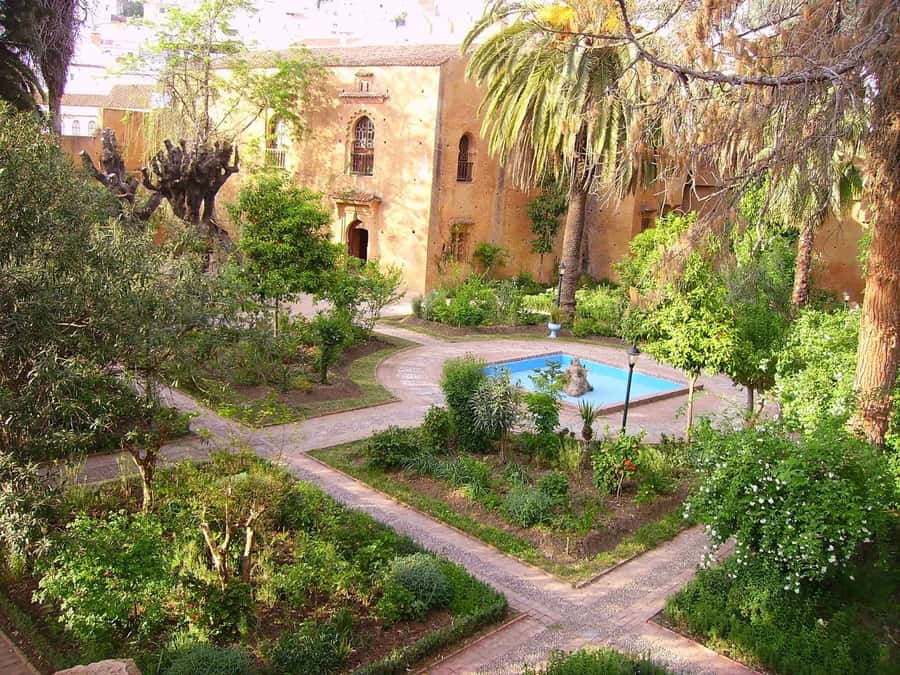
The main square is the town’s social center. It brings together the 18th-century kasbah, a central mosque, cafés, and places to eat Moroccan food. This is where you can pause, get your bearings, and watch daily life unfold around the square.
The market offers traditional Moroccan goods and souvenirs. You may find bargains, but shop with a clear idea of what you want. The old town is small, so the visit is not about covering endless streets. It is about taking in the color, the buildings, the views through doorways, and the quieter rhythm compared with Tangier.
The kasbah was built by Moulay Ismail and is now largely in ruins. That condition is part of its appeal, but do not expect a grand restored palace. The nearby great mosque adds an important architectural reference, though non-Muslim visitors should follow local rules about entry.
Guide quality is important here. One reported Chefchaouen visit involved little explanation, with the guide mainly walking between streets. Another trip had polite and informative guides who assisted when needed. I would enjoy this town most with a guide who explains the kasbah, the blue-painted streets, the market, and the town’s Berber origins rather than simply leading you from one lane to another.
Guide quality and group size
The tour operates in English, French, and Spanish, with a maximum of 15 participants. That range of languages is useful, but you should confirm your preferred language when booking.
The strongest experiences had guides who were on time, polite, informative, and ready to help. Some visitors also found both drivers and guides reliable throughout the two days. Those are meaningful positives because this itinerary has several moving parts.
The weaker experiences point to a real risk: the two local guides may not always give the same historical information, and one guide in Chefchaouen provided very little commentary. A small group gives you a better chance to ask questions, but it cannot fix a guide who treats the day as a basic walking transfer.
I would book this tour for the structure and transport rather than for guaranteed expert interpretation. If history is your main reason for visiting, ask the provider about the guide language and expected sightseeing format before departure.
What is and is not included
The package includes:
- Hotel pickup and drop-off
- Pickup and drop-off at train stations in Casablanca and Tangier
- Round-trip high-speed train tickets
- Tangier sightseeing
- One night in a four-star hotel
- Breakfast
- Chefchaouen sightseeing
- A professional local guide
Food and drinks are not included. That gives you freedom to choose, but it also means you need to watch prices at guided lunch stops and budget separately for meals, snacks, and drinks.
Pack comfortable walking shoes, sunscreen, and clothing suited to the weather. I would also carry a small day bag, since you will move between train platforms, vehicles, coastal viewpoints, and steep medina lanes.
The cancellation policy is not especially generous: cancellation up to 24 hours before departure provides a 30 percent refund. Check the available start time carefully before booking, since the tour lasts two days and the schedule is tied to train departures.
Who should book this experience?
This tour suits you if you are staying in Casablanca and want a short northern Morocco trip without arranging every connection yourself. It is also a good fit if Tangier and Chefchaouen are both priorities, since combining them independently requires more planning.
You will likely appreciate it most if you can handle a quick pace, shared transport, and some uncertainty around the hotel and road vehicle. The high-speed train is a real convenience, and the included hotel removes one more booking task.
I would think twice if you want long free periods, carefully chosen restaurants, or detailed historical guiding at every stop. I would also be cautious if air conditioning, punctual pickups, or comfortable road seating are essential to your enjoyment.
Should you book the Tangier and Chefchaouen tour?
Book it if you want maximum sightseeing in two days and value having the rail tickets, transfers, hotel, and local visits bundled together. The combination of Cape Spartel, the Hercules Caves, Tangier’s medina, and Chefchaouen’s blue lanes gives you a strong introduction to northern Morocco.
Skip it if you would rather travel slowly or arrange your own meals, hotel, and mountain transport. The reported experiences range from excellent value with helpful guides to a rushed and poorly coordinated trip.
For the best chance of a smooth departure, confirm the pickup time early, arrive at the train station with plenty of time, ask the price before ordering lunch, and treat Chefchaouen as a compact walking visit rather than a full-day stay. At $293, the tour is worthwhile for convenience, but the value depends on accepting that the service details may not be equally strong at every stage.
FAQ
How long is the Tangier and Chefchaouen tour?
The tour lasts two days and includes one overnight stay in Tangier.
How do I travel from Casablanca to Tangier?
The tour uses a round-trip high-speed train between Casablanca and Tangier.
Is hotel accommodation included?
Yes. One night in a four-star hotel in Tangier is included, along with breakfast.
Is food included in the price?
No. Food and drinks are not included, so you should budget separately for meals and refreshments.
Which languages are available?
The tour is offered with live guides speaking English, French, or Spanish.
How large is the group?
The tour is limited to 15 participants.
What places are visited in Tangier?
The itinerary includes Cape Spartel, the Hercules Caves, the kasbah district, the old medina, traditional handicraft shops, the Grand Socco, and a sea-facing minaret.
What should I bring?
Bring comfortable shoes, sunscreen, and clothing suited to the weather.
Just added in Chefchaouen
- 2 Hours Private Chefchaouen Walking Tour★ 5.0 · 44 reviews
- Photographer in Chefchaouen★ 4.5 · 20 reviews
- Private photo tour with a local pro photographer★ 5.0 · 54 reviews
- chefchaouen tours★ 4.5 · 34 reviews
- Private Transport from Chefchaouen to Tangier★ 5.0 · 60 reviews
- Excursion to the waterfalls / God’s Bridge of Akchour★ 5.0 · 38 reviews
- 3-Hour Cooking Class overlooking the Blue City★ 5.0 · 36 reviews
- One-Way Transfer from Chefchaouen to Fes★ 4.5 · 17 reviews
Chefchaouen Day Trips, compared.

Chefchaouen Day Trip from Fez (Shared Group Tour)
Read our review →
Blue City magic: Affordable Day Trip from Fez to Chefchaouen
Read our review →

Browse the lists this tour appears in