
Reviewed · TOURS IN CASABLANCA
10 Days from Casablanca: The Best of Morocco
Morocco packs an astonishing amount into one country, and this trip gives you the full sweep: Atlantic cities, Roman ruins, blue mountain streets, imperial capitals, High Atlas passes, and a night beneath the Sahara sky. The real centerpiece is the route itself, especially the gradual change from city streets to cedar forests, high desert, date palms, and golden dunes.
I like the private format, since your group travels in its own air-conditioned vehicle and can ask questions or adjust the pace. I also like the balance of big sights and smaller experiences, from Hassan II Mosque and Fes’s old city to a camel ride at sunset and breakfast after a desert sunrise.
The main consideration is distance. Several days involve long road journeys, and this is an active sightseeing trip rather than a slow resort holiday. Still, the route is thoughtfully arranged, and the private guide-driver service helps make the miles easier.
The route at a glance
- Casablanca to the Sahara: Begin with Hassan II Mosque, then cross Morocco from the Atlantic coast to the desert.
- Four imperial cities: See Rabat, Meknes, Fes, and Marrakech, each with a different character and set of monuments.
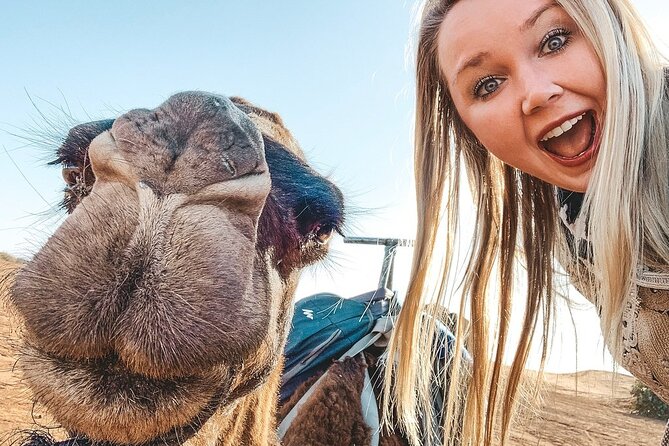
- A night in the dunes: Ride camels toward sunset and sleep in a luxurious Sahara camp near Merzouga.
- Mountain roads and valleys: Cross the Middle and High Atlas Mountains, with stops in Ifrane, the Cedar Forest, the Ziz Valley, and Tizi n’Tichka Pass.
- Private attention: Your guide-driver stays with you for the full journey, with local guides used in Fes and Marrakech.
- Good value for a full circuit: At $1,269 per person, the price includes accommodation, nine breakfasts, two dinners, transport, entrance fees, guides, taxes, and the desert camp.
Casablanca begins with Morocco’s grandest mosque
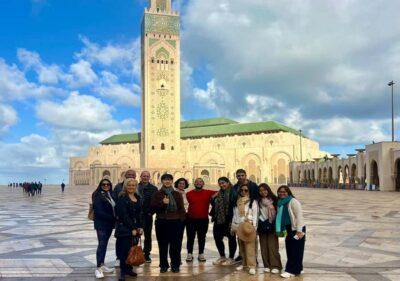
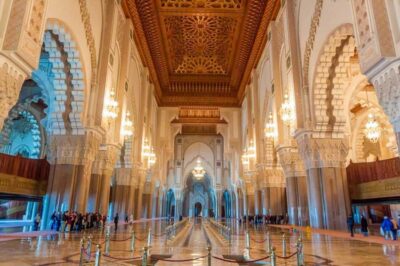
Your first day starts at Mohamed V Airport, where a Deep Morocco Tours guide-driver meets you and takes you into Casablanca. The opening stop is Hassan II Mosque, a dramatic building set beside the Atlantic.
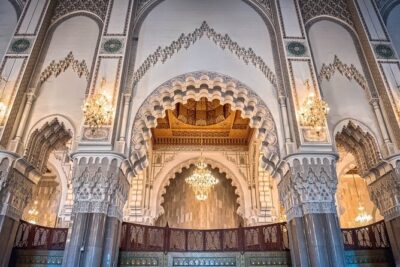
The scale is the point. Its minaret rises 689 feet, and the mosque can hold 105,000 worshipers, with space both inside and outside. You do not need to be an architecture expert to appreciate it. The setting, size, and detailed Moroccan design make this a strong first introduction to the country.
You may also visit the Museum of Moroccan Judaism, an important addition because it shows a part of Morocco’s cultural story that is often missed on a standard first visit. A meal or drink at Rick’s Café is another possible way to end the day, though it is not listed among the included services.
Your Casablanca hotel is Val d’Anfa or a similar property, with breakfast included. Since this is the arrival day, the schedule is sensible and not overloaded.
Other trips people book in Casablanca:
- From Marrakech: Casablanca Tour with Hassan II Mosque Visit
★ 4.7 · 4,756 reviews - Casablanca: Hassan II Mosque Premium Tour with Entry Ticket
★ 4.5 · 2,971 reviews - Casablanca City Tour with Hassan II mosque ticket
★ 5.0 · 2,480 reviews
Rabat, Chefchaouen, and the northern hills
Day two brings a useful contrast. Rabat is Morocco’s administrative capital, and its monuments feel more spacious and formal than the tight lanes of Fes or Marrakech.
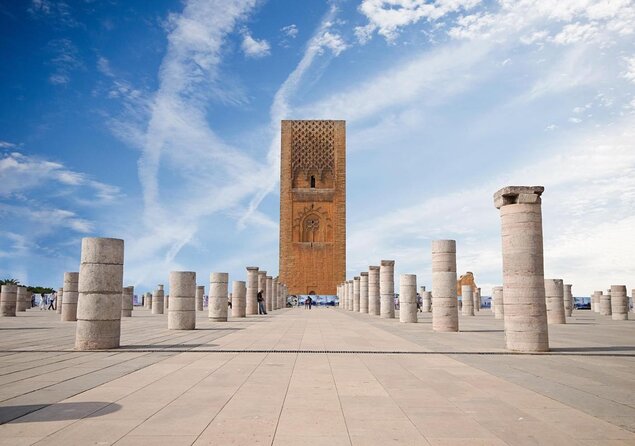
You visit Hassan Tower, an unfinished mosque project begun under the Almohad ruler Yacoub al-Mansour, then continue to the Mausoleum of Mohammed V. The royal guards outside the mausoleum add a ceremonial touch, while the open setting gives you room to take in the architecture.
The visit also includes the Chellah, a site tied to earlier Roman and medieval periods, and the Oudayas Kasbah. These stops help put Morocco’s later dynasties into context before you head north.
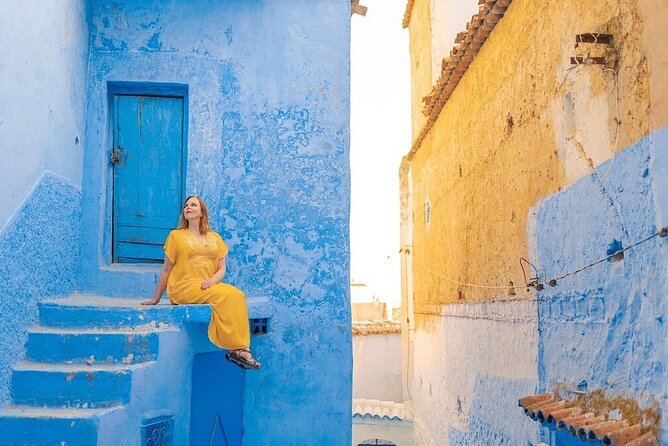
The drive to Chefchaouen crosses the foothills of the Rif Mountains. Chefchaouen is famous for its white walls, blue doors, and blue-painted lanes, but the appeal is not only visual. Its Spanish connection gives the town a different feel from the imperial cities farther south.
This is a long transfer day, so do not expect hours of free time in every place. The reward is the change in scenery and the arrival in one of Morocco’s most photogenic towns.
Roman mosaics and Meknes’s imperial gates
On day three, Volubilis provides one of the trip’s clearest links to the ancient world. The Roman site dates to 225 BC, and its mosaics are the star attraction. A guided visit is included, which matters here because the ruins make much more sense when someone explains the buildings, artwork, and role of the settlement.
The site is open and exposed, so comfortable shoes, water, and sun protection are sensible. You will spend about three hours at the stop, including the guided portion and time to look around.
Next comes Meknes, an imperial city associated with Sultan Moulay Ismail. Bab Mansour is the visual highlight, with its grand proportions and decorated surface. The tour also includes the granary, Sahrij Souani, and the mausoleum of Moulay Ismail.
After Meknes, you continue to Fes by highway. This day has a lot packed into it, but the sequence works well: ancient Rome in the morning, imperial Morocco in the afternoon.
Fes rewards a full day on foot
Fes receives a full sightseeing day, and that is one of the strongest choices in the program. The old city is a maze of lanes where a local guide is genuinely useful. Without help, it would be easy to pass important buildings without knowing what you are seeing.
The morning focuses on the medina and includes the Jewish quarter, Al Karaouine Mosque and University, Bou Inania Madrasa, the tanneries, and the Nejjarine Fountain. Al Karaouine is especially significant as a center of learning, while the madrasa shows the refined decorative work found throughout Fes.
The tanneries are a famous stop, but be prepared for strong smells. That is part of the working city, not a polished museum display. The Jewish quarter, known as the Mellah, adds another layer to Fes’s story and is worth seeing alongside the mosques and schools.
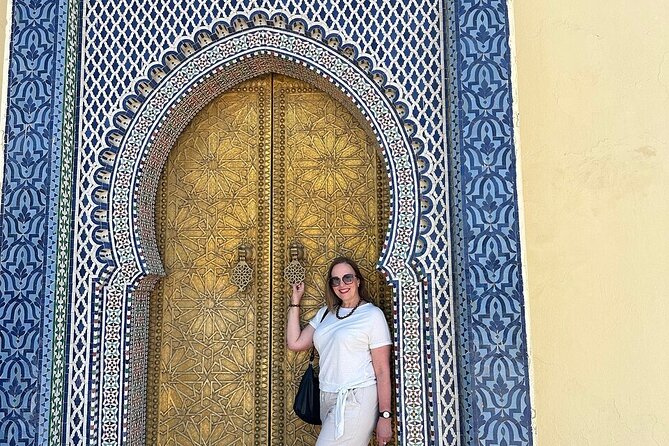
After lunch, you leave the medina to see the Royal Palace gate, visit the Mellah more fully, and stop at a pottery cooperative. The day ends at a fortress viewpoint overlooking the old city. This final panorama is useful because it lets you understand how dense and extensive Fes really is.
The walking can be tiring, especially in the narrow lanes and on uneven surfaces. Wear shoes with good support and keep your schedule flexible.
Same base, a different sort of day:
- Casablanca: City Tour with Hassan II Mosque Entry Ticket
★ 4.6 · 1,137 reviews - Private Tour of Casablanca with Hassan II Mosque Entry Ticket
★ 5.0 · 1,102 reviews - Marrakech Day Trip with Camel Ride from Casablanca
★ 5.0 · 740 reviews - Casablanca: Hassan II Mosque & City Highlights Tour
★ 4.5 · 573 reviews
From cedar forests to Merzouga’s dunes
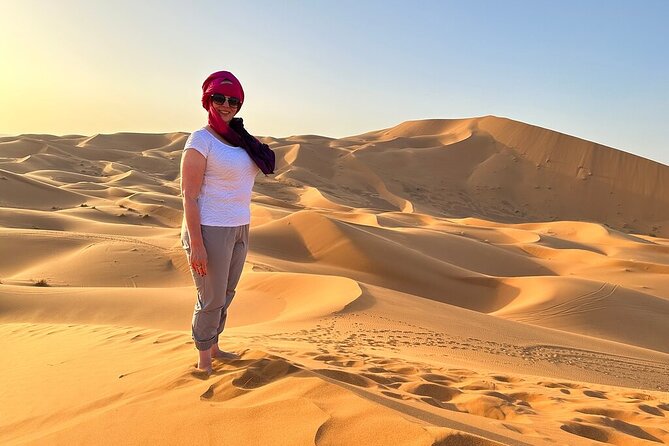
Day five is the major transition from northern Morocco to the Sahara. You leave Fes and head southeast along old caravan routes, with the Middle Atlas providing the first change in scenery.
Ifrane is known as little Switzerland of Africa, a nickname that reflects its cooler mountain setting and very different appearance from the cities. The Cedar Forest follows, and you may see Barbary apes there. Wildlife is never guaranteed, but the forest is a welcome pause before the long high-desert drive.
As you continue toward Midelt and Er Rachidia, the scenery opens up. The Ziz Valley and Tafilalet date palm grove bring green vegetation back into the dry surroundings. This is a valuable part of the trip because you see how water shapes settlement in southern Morocco.
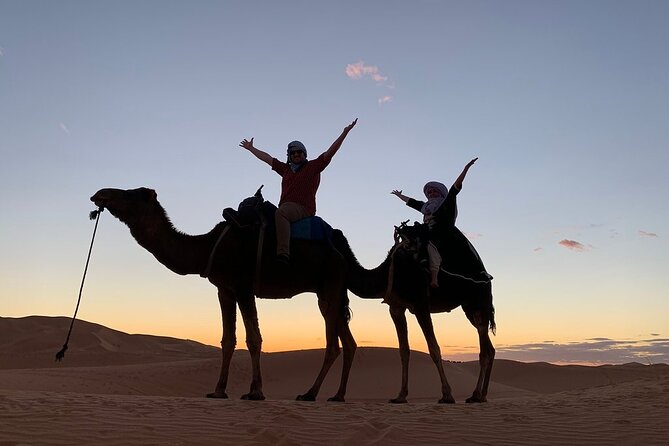
At Merzouga, you trade the vehicle for camels and ride into the Erg Chebbi dunes around sunset. The camel ride is included, as is a night at a luxurious desert camp. The camp experience gives you a clear sense of the desert’s silence and scale without asking you to give up the basic comforts of organized accommodation.
This is another very long day. If you prefer short transfers and long periods beside a pool, this route may feel demanding. If you want the Sahara as part of a larger Moroccan journey, the payoff is substantial.
Sunrise at Erg Chebbi and the Todra Gorge
Day six begins early so you can watch the sunrise over the dunes. Light changes the color and shape of the sand quickly, making this one of the few moments when an early wake-up is entirely worth it.
After breakfast at camp, you return to Merzouga and continue toward Tinghir and Todra Gorge. The gorge is known for its tall, narrow walls, and the route gives you a sharp contrast with the open dunes of the previous morning.
Lunch is planned in the gorge, followed by a drive through the Dades Valley. Along the way, look for the unusual rock formations called monkey toes and the structures described as sand castles. These formations give the valley its own personality and break up the long transfer.
The day includes only about an hour at the gorge itself, so do not expect a full hiking program. The appeal is the combination of the gorge, valley drive, and changing geology rather than one extended outdoor activity.
Ait Ben Haddou and the High Atlas crossing
On day seven, the route follows an old caravan road once linked with travel between Marrakech and Timbuktu. The first major stop is Ait Ben Haddou, a fortified settlement that offers some of the trip’s best photo opportunities.
The kasbah was built by Thami El Glaoui, one of the last Berber chieftains, and members of the Glaoui community still live there. Its earthen walls and hillside position make it easy to see why the site has become one of Morocco’s best-known historic settings.
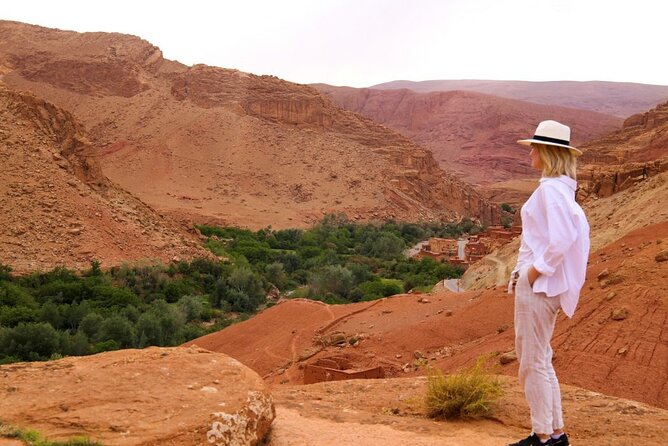
The drive then climbs through the High Atlas on the Tizi n’Tichka Pass, reaching 2,260 meters. You stop along the road for mountain views and to see Berber villages built into the high country.
This is scenic but not effortless. Mountain roads can make the day feel slow, and the pass may be tiring for anyone who dislikes winding routes. The driver’s role matters here, and the private format means you can ask for pauses instead of simply watching the scenery through a crowded coach window.
Marrakech brings the trip to a lively finish
Marrakech receives a guided morning tour on day eight. The route covers the Koutoubia Minaret, Saadian Tombs, Bahia Palace, Ben Youssef Koranic School, and the medina lanes.
Each stop gives you a different view of the city. The Koutoubia is the famous outward symbol, the tombs show decorative craftsmanship, and Bahia Palace offers courtyards and richly worked interiors. Ben Youssef adds an important look at religious education and Moroccan design.
The medina walk is more active, with artisans working in their shops and lanes leading toward Jamaa el Fna. Lunch is planned near the square. In the afternoon, you visit Majorelle Garden and take a short tour through Gueliz, the newer part of Marrakech.
After dinner, you can return to Jamaa el Fna, where food sellers, storytellers, magicians, and other performers gather. The square changes character after dark, so it is worth seeing both during the day and at night if you have the energy.
Day nine is intentionally flexible. You can rest, take a day trip to Essaouira, or arrange a cooking class and hammam experience. Because these options are not listed as included, confirm the cost and arrangements before committing.
What the $1,269 price really covers
The price is strong for a private 10-day circuit if you plan to use most of the included services. It covers airport pickup, private transport in an air-conditioned vehicle, accommodation, nine breakfasts, two dinners, entrance fees for the listed historic sites, local guides in Fes and Marrakech, the guide-driver, tourist taxes, the Sahara camp, and the camel ride to sunset.
It does not include travel insurance or anything not specifically named. You should also allow money for lunches, most dinners, drinks, souvenirs, optional activities, and personal spending.
The accommodation is described as the listed property or a similar hotel, rather than a fixed hotel list for every night. That is normal for a route of this type, but ask for the confirmed properties if room style or location matters to you.
The private setup adds value for families, couples, and small groups. The total cost is easier to judge if you divide it across your group, since the vehicle and guide service are not being shared with a large coach party.
Who should book this Morocco journey
This tour suits you if you want to see a lot of Morocco in one trip and prefer having transport and route planning handled for you. It is especially useful for first-time visitors who want major cities, the desert, mountain roads, and historic sites without arranging separate trains, drivers, hotels, and local guides.
It also works well for families. The team has been praised for safe driving, responsive communication, comfort in the vehicle, and adapting parts of trips to suit the group. Names associated with the company include Said, Omar, Amar, Brahim, and Ibrahim, though your assigned guide is not specified in advance.
You should think twice if you want a slow trip with several nights in each destination. The Fes to Merzouga and desert-to-Marrakech sections involve long drives. The reward is variety, but the cost is time spent on the road.
Booking requires confirmation within 48 hours, subject to availability. Cancellation is allowed for a full refund up to three full days before the start time. The experience requires good weather, and a weather cancellation can result in a new date or full refund.
Should you book it?
I would book this trip if your goal is a broad, well-supported first look at Morocco. The strongest features are the private vehicle, full-time guide-driver, local guiding in Fes and Marrakech, and the careful progression from Atlantic cities to Roman ruins, imperial capitals, mountains, and the Sahara.
I would not choose it if your ideal holiday means minimal driving or long, unplanned afternoons. For everyone else, $1,269 buys a great deal of structure and variety, with enough free time in Marrakech to add your own touch at the end.
FAQ
Where does the tour start?
The tour starts at Mohamed V Airport in Casablanca, Morocco. Airport pickup is included.
How long does the experience last?
The journey lasts approximately 10 days, ending at the airport in Casablanca on day 10.
Is this a private tour?
Yes. Only your group participates, and transport is provided in a comfortable, air-conditioned vehicle.
What meals are included?
Nine breakfasts and two dinners are included. Other meals and drinks are not listed as included.
Is the Sahara camel ride included?
Yes. The tour includes a camel ride to sunset and a stay at a luxurious camp in the Sahara Desert.
Which cities are visited?
The route includes Casablanca, Rabat, Chefchaouen, Meknes, Fes, Merzouga, Tinghir, the Dades Valley, Ait Ben Haddou, and Marrakech.
Can the tour be canceled for a full refund?
You can cancel for a full refund if you do so at least three full days before the experience start time. If poor weather causes cancellation, you will be offered another date or a full refund.
Just added in Casablanca
- Casablanca Airport Transfer from hotel in Casablanca★ 5.0 · 18 reviews
- Your Private Casablanca Transfer★ 5.0 · 52 reviews
- Exclusive tour of Casablanca with access to the Hassan II Mosque★ 5.0 · 205 reviews
- 14 Days From Casablanca- Morocco Grand Tour★ 5.0 · 24 reviews
- Sunset Camel Ride in the Palm Grove Of Marrakech★ 5.0 · 34 reviews
- Casablanca Night Tour with Andalusian Dinner Show★ 4.5 · 25 reviews
- Chefchaouen the Blue City Full-Day Trip from Casablanca★ 4.5 · 79 reviews
- Marrakeck City tour from Casablanca all the day around trip★ 5.0 · 35 reviews
Tours in Casablanca, compared.
Hassan II Mosque Premium Tour with Entry Ticket
Read our review →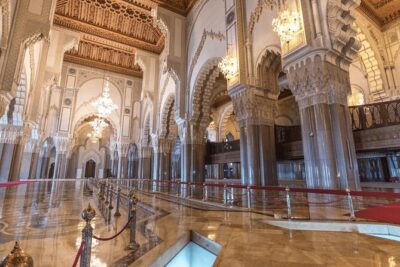
Casablanca City Tour with Hassan II mosque ticket
Read our review →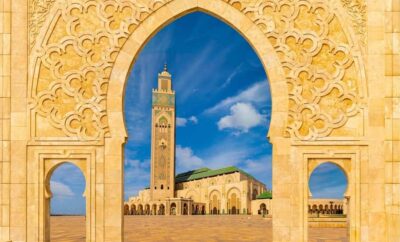
Private Tour of Casablanca with Hassan II Mosque Entry Ticket
Read our review →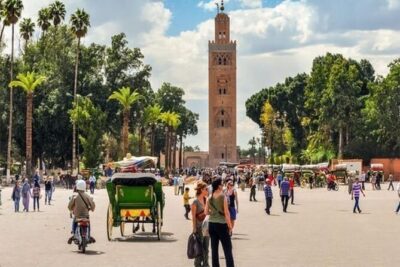
Marrakech Day Trip with Camel Ride from Casablanca
Read our review →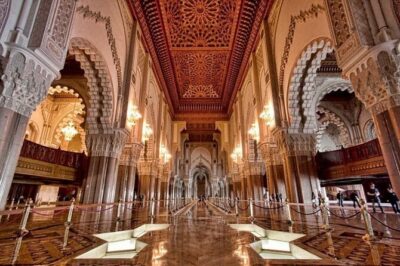
Casablanca Layover Tour with Round-Trip Airport Transfer
Read our review →Browse the lists this tour appears in