
Reviewed · ATLAS MOUNTAINS DAY TRIPS
Climb Mount Toubkal: 3-Day Trek from Marrakech
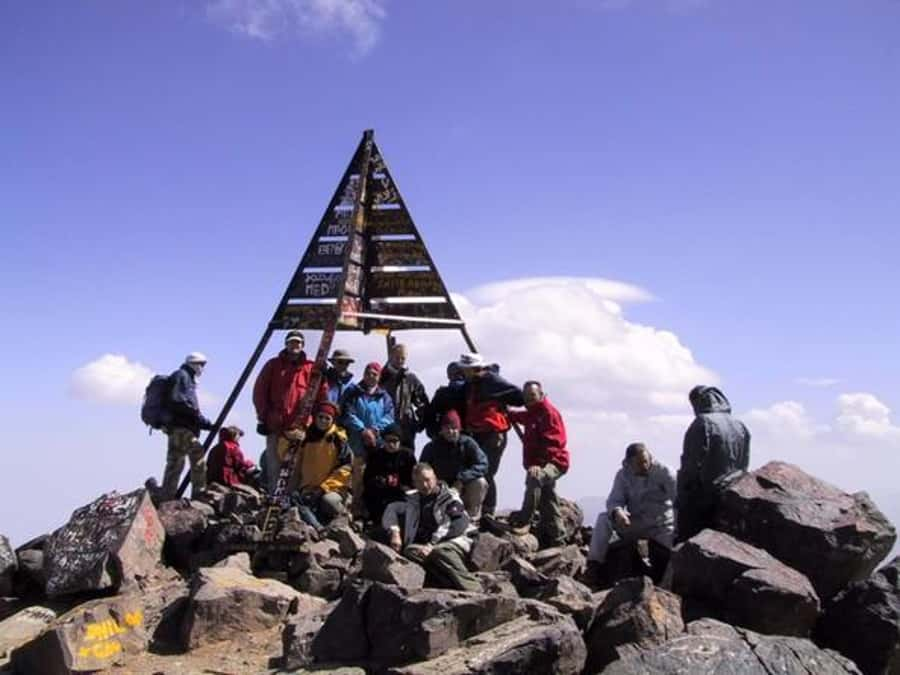
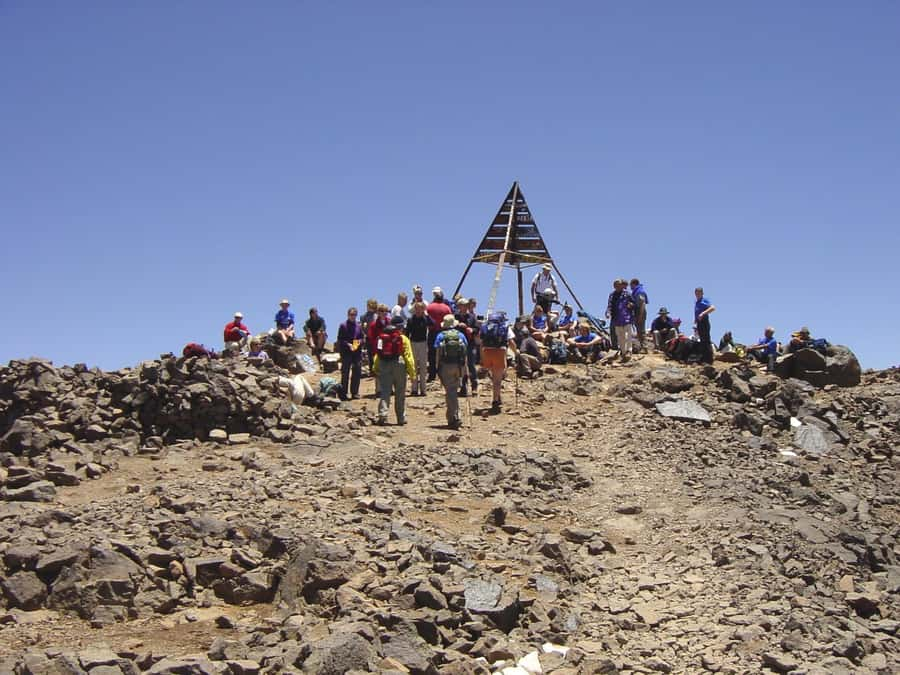
Mount Toubkal is not a gentle day trip with a mountain photo at the end. The final push begins before dawn, climbs over loose rock and cold high ground, and reaches 4,167 meters, the highest summit in Northern Africa. Done well, the sunrise from the top is the reward.
I like the way this trip links Marrakech with real mountain life: a drive to Imlil, a night in a local guesthouse, Berber villages, mule transport, and home-cooked food. I also like the care provided by guides such as Abdul and Abdulratif, who are praised for setting a steady pace and helping less experienced hikers manage their energy.
The main drawback is the schedule. You walk four to five hours on the second day, then face a very early and demanding summit day before descending to Imlil and returning to Marrakech. The refuge can be crowded, and equipment such as crampons, an ice axe, and a sleeping bag costs extra or must be supplied by you.
Key points to know before you book
- Sunrise comes after a 4 a.m. start: The summit morning is cold, steep, and physically demanding.
- Imlil is part of the experience: Your first night brings mountain scenery, local food, and a slower pace before the climb.
- Mules carry larger bags: You generally need to carry only your day essentials, water, sun protection, and snacks.
- Sidi Chamarouch adds cultural interest: The shrine and nearby waterfall break up the climb through the Mizane Valley.
- The refuge is practical, not luxurious: Conditions can be crowded, and sleep may be difficult before summit day.
- The $294 price covers useful basics: Transport, guides, muleteers, a cook, two nights, and meals are included, but technical gear and gratuity are not.
Why Mount Toubkal is more than a summit photo
Mount Toubkal gives you a clear physical goal, but the appeal begins well below the summit. The route passes through Imlil, Aremd, the Mizane Valley, and the shrine of Sidi Chamarouch before reaching the high refuge. You get a short look at mountain communities and Moroccan rural life, not just a fast transfer to a trailhead.
The trip is arranged over three days from Marrakech. That makes it possible to fit into a wider Morocco holiday, but it also means the program is tightly packed. You gain a first day for settling in and a short acclimatisation walk, yet the highest climbing still happens quickly.
I would think of this as a serious mountain trek with local support, not a basic sightseeing excursion. You need to be comfortable walking for several hours on uneven ground and accepting a night in simple conditions. The guides can adjust the pace, but they cannot remove the altitude, loose rock, cold, or steep descent.
More of the High Atlas from Marrakech:
- Marrakech: Atlas Mountains, Ourika Valley, Waterfall & Lunch
★ 4.8 · 15,834 reviews - Berber villages : Atlas Mountains Day Hike from Marrakech
★ 5.0 · 14,007 reviews - From Marrakech: Atlas Mountains Full-Day Hiking Trip w Lunch
★ 4.8 · 7,417 reviews
Day one: leaving Marrakech for Imlil
The first day begins with a transfer from Marrakech to Imlil, a journey that can take up to four hours. Transport is by minibus or 4×4, and pickup directly from a riad is arranged in the tour setup described for this experience.
That drive matters. Marrakech is energetic and crowded, while Imlil feels like a mountain base. As the road heads toward the High Atlas, the setting changes from city streets to valleys and craggy peaks. You are not climbing yet, but you are moving into the world that makes the next two days possible.
Your accommodation in Imlil is included for one night. It may be a family-run hotel or local riad-style property, with meals provided. The first-night stay has received especially strong praise for its welcoming atmosphere, good food, and local character.
Some versions of the first day include a roughly three-hour acclimatisation walk to about 2,200 meters. This is a useful part of the program, since it lets you move your legs and get a first sense of the surrounding villages before the main climb. If you do not usually hike, this gentle start may help you judge how your body responds.
Use the evening sensibly. Eat well, drink water, check your layers, and ask your guide what you need for the next morning. You will have a far better summit day if you treat Imlil as preparation rather than as another late night in Morocco.
Day two: Aremd, Mizane Valley, and Sidi Chamarouch
The second day leaves Imlil and follows the Mizane Valley toward Aremd. The route passes through a mountain setting of steep slopes, plunging valleys, and long views along the Oued Rhirhaia. The walking time is listed at four to five hours, so this is a proper day on foot.
A guide makes a real difference here. The pace can be adapted to the group, and a steady rhythm is more useful than rushing early in the day. Previous groups have praised guides including Hassan, Abdul, Omar, and Nourdin for being patient, attentive, and focused on safety.
A muleteer and mule carry larger bags toward the refuge. This is one of the best practical features of the trip. You still need a small daypack with water, sunscreen, snacks, warm clothing, and personal items, but you should not have to haul every piece of luggage uphill.
Aremd is an important transition point. You are leaving the lower village environment and moving farther into the mountain route. The valley narrows in feel, the path gains height, and the walking becomes less like a village outing and more like a mountain approach.
The shrine of Sidi Chamarouch is one of the route’s memorable stops. It sits beside a cascading waterfall, giving you a natural pause during the climb. The shrine also adds a cultural layer to the route, though the available information does not specify how much time is spent there or which areas are open to visitors.
From Sidi Chamarouch, the path continues upward in zigzags toward the snowline and Toubkal Refuge. This is where the day begins to feel more demanding. The ground becomes rockier, and the steady gain in height can affect your breathing even if the distance does not sound extreme.
A night at Toubkal Refuge
The refuge is included for one night, though accommodation may be in tents instead if weather requires it. This is basic mountain lodging, not a private room in a comfortable hotel.
You should expect shared and crowded conditions. One strong account praised the food and guide but found the refuge difficult for sleeping because of the number of people. That matters because the summit start may come around 4 a.m. A poor night does not make the climb impossible, but it makes preparation and pacing even more important.
Meals are included, and a cook travels with the group. The food has been a major strength of this experience, with traditional Moroccan dishes served during the trek. That is more than a pleasant extra. A hot meal after a long climb helps you recover and gives the evening a feeling of care in an otherwise spare setting.
Before sleeping, prepare only what you need for the summit morning. Keep warm layers, gloves, water, snacks, and a headlamp or other required personal items close at hand. The supplied information does not confirm whether a headlamp is provided, so you should ask the operator before departure rather than assume.
Sleeping bags are not included. Crampons and an ice axe are also excluded. Depending on the season and conditions, these items may be essential, so ask exactly what is needed for your dates and whether rental is available. One complaint about the trip concerned extra payment for equipment, even though the overall organisation was strong.
Same base, a different sort of day:
- Marrakech: Agafay Desert Sunset, Camel Ride, and Dinner Show
★ 4.6 · 35,119 reviews - From Marrakech: Ouzoud Waterfalls Guided Hike and Boat Trip
★ 4.7 · 33,630 reviews - Marrakech: Agafay Desert Quad & Camel Rides with Dinner Show
★ 4.8 · 27,382 reviews - Marrakech: Agafay Desert Quad Biking Tour with Dinner-Show
★ 4.8 · 16,569 reviews
Day three: the hard climb to Jebel Toubkal
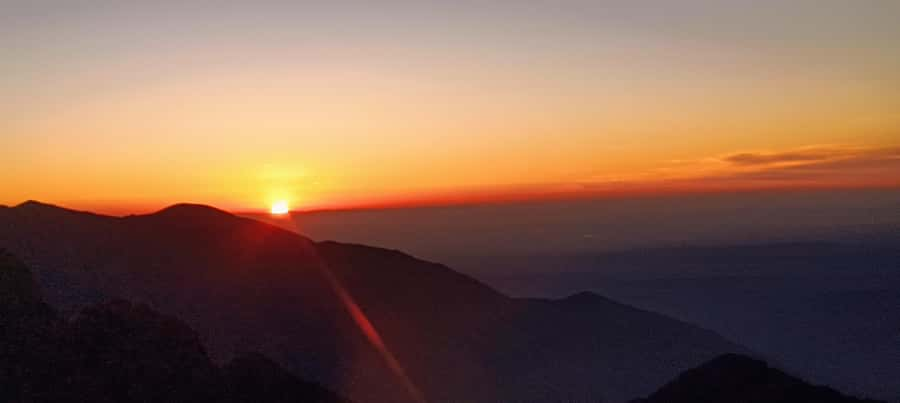
Summit morning begins early, often around 4 a.m. The goal is to reach the top near sunrise, when the light spreads across the High Atlas and the lower plains. You leave the refuge in darkness, so the first part of the climb feels quiet, cold, and focused.
The route crosses streams and rough mountain ground, then continues across boulders and loose rock. You should not picture a smooth trail with occasional steps. The final ascent is steep enough to test your legs, and altitude can become the central issue as you approach 4,000 meters.
This is where a good guide earns the fee. Abdul has been praised for keeping a manageable pace, giving breathing advice, and encouraging people who struggled near the top. Abdulratif was also praised for helping a solo woman feel safe and for supporting her during the descent. Those details are worth considering if you are new to high-altitude walking or are coming alone.
The guides cannot guarantee that everyone will reach the summit. They can watch the group, adjust the pace, and advise you to conserve energy, but your response to altitude and exertion is personal. If you feel unwell, tell the guide early. Trying to hide symptoms to protect a schedule is a poor bargain.
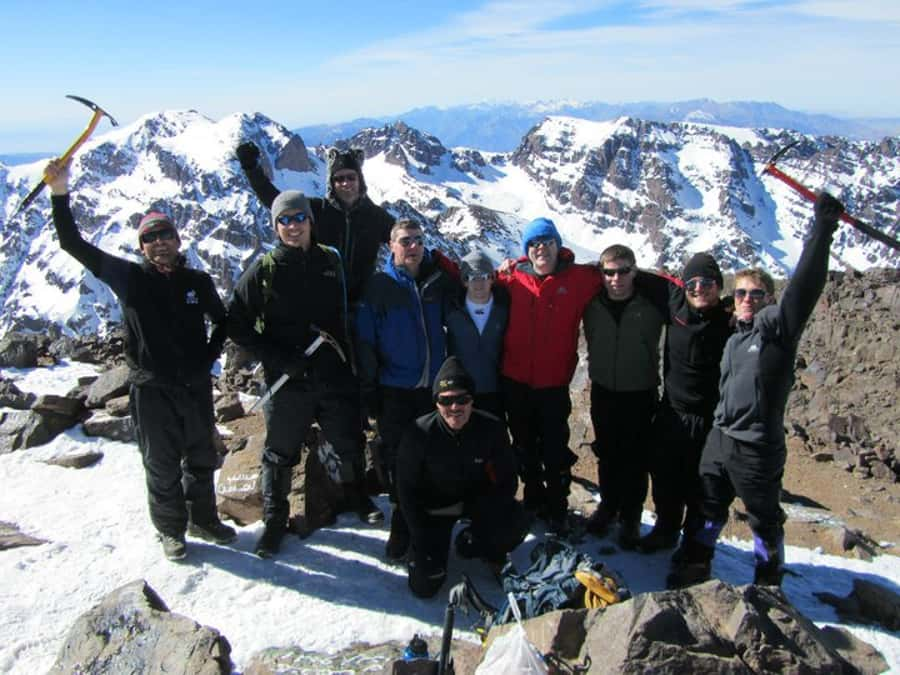
At the summit, the views are the great payoff. On a clear day, you can look across the Marrakech Plain, north toward the High Atlas, and south toward the Anti-Atlas and the Sahara. The broad view is especially striking after the enclosed feeling of the rocky ascent.
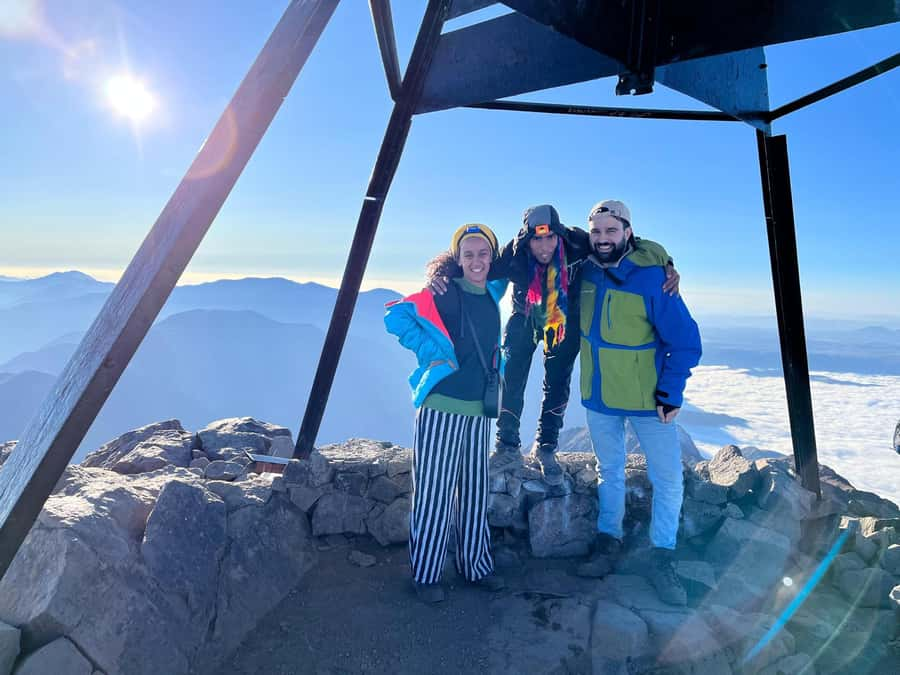
The summit stop should be treated as a calm moment, not a race for photographs. You are high, cold, and tired. Take your pictures, enjoy the sunrise, and keep your warm layers ready.
The descent is part of the challenge
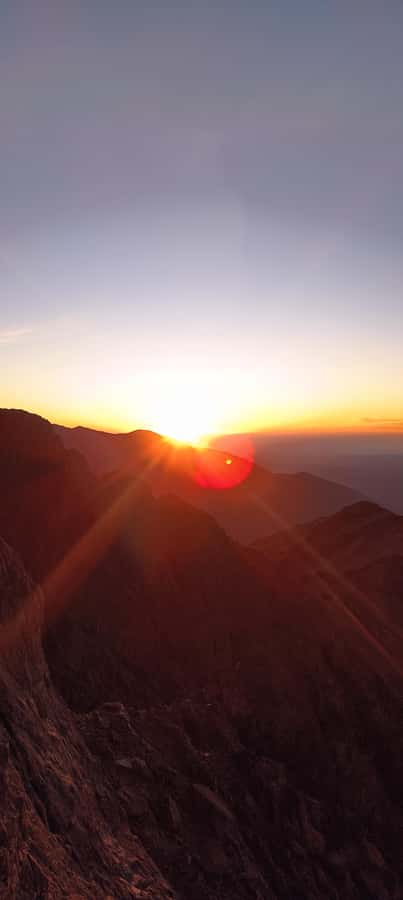
Many people focus on reaching the summit and underestimate the walk down. The return to Imlil comes after the hardest climb, so tired legs and loose rock can make descending awkward.
The guides remain important here. A controlled pace helps protect your knees and reduces the chance of slipping. Take small steps, use trekking poles if you have them, and avoid letting the excitement of finishing turn into a fast, careless descent.
The third day combines the summit attempt, the return to Imlil, and the transfer back to Marrakech. That is a long day. You may feel proud, exhausted, or both when you reach the vehicle.
This demanding schedule explains why some fit hikers prefer a two-day version. The three-day arrangement gives you the extra night in Imlil and a gentler start, which is useful if you want more time around the village or do not normally hike. It does not make summit day easy.
What the $294 price really covers
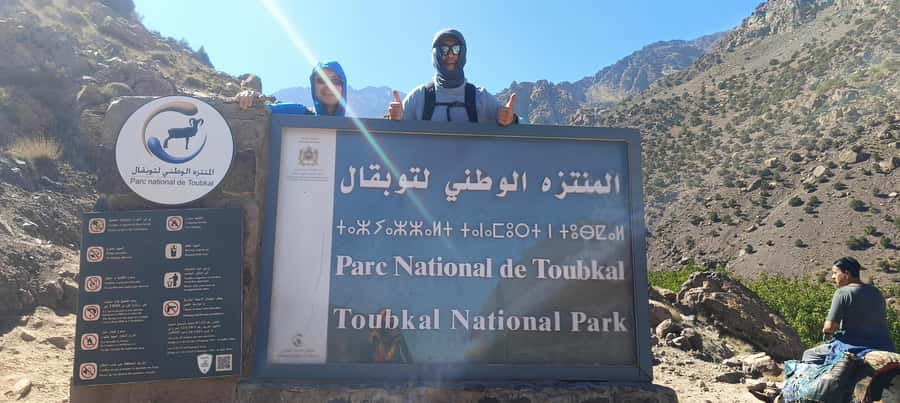
At $294 per person, this is not simply a guide fee. The package includes transport between Marrakech and the High Atlas, one night in Imlil, one night at the refuge or in tents, meals, a local mountain guide, muleteers, and a cook.
That collection of services gives the price solid value if you need a complete arrangement from Marrakech. Transport alone can be inconvenient to organise, and mule support is useful on a route where carrying a large bag would make the climb less pleasant.
The price is less attractive if you already have transport, mountain equipment, or a place to stay in Imlil. You also need to budget for soft drinks, gratuity, personal travel insurance, and technical items such as crampons, an ice axe, and a sleeping bag.
Ask about equipment before paying. The exact need depends on weather and season, but the exclusions are clear. The cheapest-looking tour is not always the cheapest once you add gear rental and other extras.
Guides, food, and local support
The most praised part of this experience is the human support. Hassan handles arrangements and communication, while guides such as Abdul, Abdulratif, Sabir, Brahim, Omar, and Nourdin have been associated with different departures. Names may vary by date, but you should expect an English, French, or Arabic-speaking guide.
The strongest guide qualities are practical ones: a sensible pace, patience, safety awareness, and help when the altitude begins to bite. Those qualities matter more than a long speech about the mountain.
Food is another advantage. A cook prepares meals during the trek, and traditional dishes have been a consistent highlight. Eating well at altitude will not replace sleep or acclimatisation, but it makes the days more manageable.
The local setup also gives the trip a human scale. Muleteers, cooks, guides, and family-run accommodation are part of the route, rather than background details. Be ready to tip appropriately, since gratuity is not included.
Who should book this trek
I would recommend it to an active person who wants a supported first high-mountain climb and has three days available from Marrakech. It suits you especially well if you like local accommodation, mountain villages, simple food, and a clear physical challenge.
You do not need to be an expert mountaineer based on the experience described, but you should not be sedentary and expect an easy walk. One active 50-year-old who did not usually hike found the trek hard but rewarding. That is a fair picture of the level: achievable for many fit people, but not casual.
Solo women can book with confidence in the support described, though everyone should confirm the group arrangements and guide details before departure. Children aged under two go free, children aged three to eleven receive a 50 percent discount, and anyone aged twelve or older pays the full price.
I would hesitate to book this if you dislike shared sleeping arrangements, struggle with steep descents, or want a relaxed Moroccan holiday. The refuge may be crowded, the summit morning starts early, and the weather can require camping instead of indoor refuge accommodation.
Free cancellation is available up to 24 hours before departure, and you can reserve now and pay later. Check starting times and availability for your dates, since the schedule is not stated as one fixed departure time.
Should you book the three-day Toubkal climb?
Book it if you want the satisfaction of a real summit, a guide-led route, and a taste of High Atlas village life without arranging every piece yourself. The included transport, meals, mule support, and accommodation make the $294 price reasonable for a complete package.
Go in with clear expectations. The refuge is basic, equipment may cost extra, and the final day is long and cold. If you prepare for those facts, this trip offers a strong mix of scenery, local contact, and genuine effort, with a sunrise at the top that can make the tired legs worthwhile.
FAQ
How long does the Mount Toubkal trek take?
The experience lasts three days, including transfers from Marrakech, the stay in Imlil, the climb to Toubkal Refuge, the summit attempt, and the return to Marrakech.
What is included in the price?
The price includes a local mountain guide, muleteers, a cook, one night in Imlil, one night in Toubkal Refuge or tents depending on weather, all meals, and minibus or 4×4 transport to and from the High Atlas.
How much does the experience cost?
The listed price is $294 per person.
What languages do the guides speak?
Guides are available in English, French, and Arabic.
Are crampons and an ice axe included?
No. Crampons, an ice axe, and sleeping bags are not included. Ask about current conditions and equipment needs before you leave.
Where does the trek begin?
The experience includes transport from Marrakech to Imlil. The walking route then continues through Aremd and the Mizane Valley toward Sidi Chamarouch and Toubkal Refuge.
Is accommodation provided during the trek?
Yes. You receive one night in Imlil and one night at Toubkal Refuge, or in tents if weather conditions require it.
Can children join the trek?
Children under two years old are free. Children aged three to eleven receive a 50 percent discount, while children aged twelve and older pay the full cost.
Just added in Marrakech
- Quad Ride In The Agafay Desert★ 5.0 · 39 reviews
- Quad Biking Agafay desert★ 5.0 · 20 reviews
- Marrakech: Tailor-Made City Tour With Your Own Private Guide★ 4.9 · 236 reviews
- Surf Training and Lunch on Essaouira Day Trip from Marrakech★ 4.9 · 51 reviews
- Essaouira: Surf Trip from Marrakech★ 4.9 · 31 reviews
- Marrakech palm grove: Sunset camel ride★ 4.8 · 194 reviews
- Marrakech : Agafay Desert Sunset Camel Ride & Luxury Dinner★ 4.3 · 39 reviews
- Marrakech: Sunrise Desert Tour with Camel Ride and Breakfast★ 4.4 · 36 reviews
Atlas Mountains Day Trips, compared.
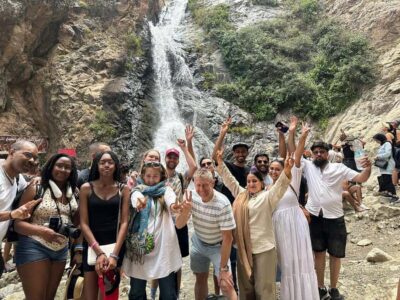
Atlas Mountains, Ourika Valley, Waterfall & Lunch
Read our review →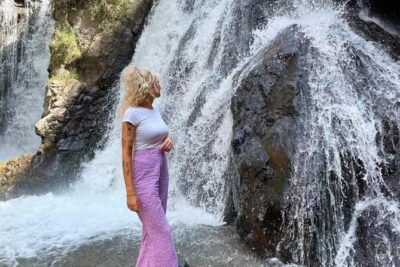
Berber villages : Atlas Mountains Day Hike from Marrakech
Read our review →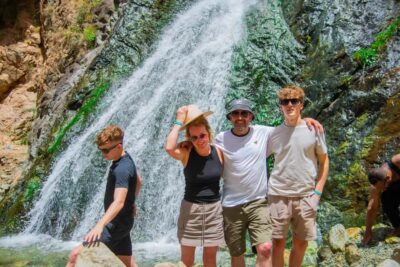
Ourika Waterfalls, Atlas Mountains, Guide + Lunch
Read our review →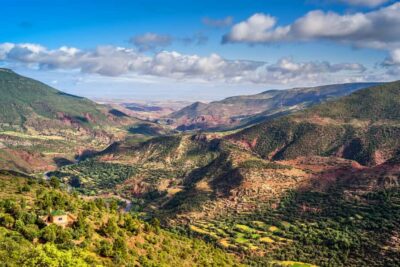
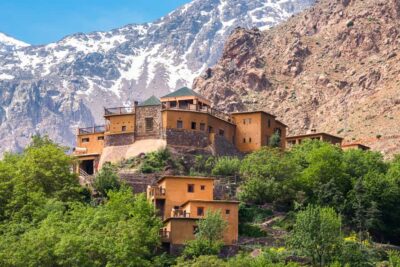
Atlas Mountains & Agafay Desert Tour w Camel Ride
Read our review →
Atlas Mountains, Waterfalls, Ourika Valley +Lunch
Read our review →
Atlas Mountains & 5 Valleys Tour from Marrakech – All inclusive –
Read our review →Browse the lists this tour appears in