
Reviewed · BERBER VILLAGE TOURS
3 Days Trek Atlas Mountains Berber Villages from Marrakech
The best part of this trip is the change of pace: one morning you are in Marrakech, and soon after, you are walking between Berber villages with mule trains carrying your bags. I like the local scale of the experience, especially the mint tea stop in a family home and meals prepared along the route. I also like that the guides can adjust the walks rather than forcing everyone into one rigid schedule.
The main caution is communication before departure. Pickup details may arrive late, and the listed meeting point can be confusing. The hiking itself is also serious enough to require good shoes, a fair level of fitness, and a willingness to walk on loose, rocky paths.
Key things to know before you book
- Three days in Toubkal National Park: Walk through the Imlil Valley, cross Tizi Mazik at about 2,500 meters, and visit Tamsoult Waterfall.
- Local village contact: Tea with a Berber family and, depending on the guide, visits to a guide’s home can add warmth to the trip.
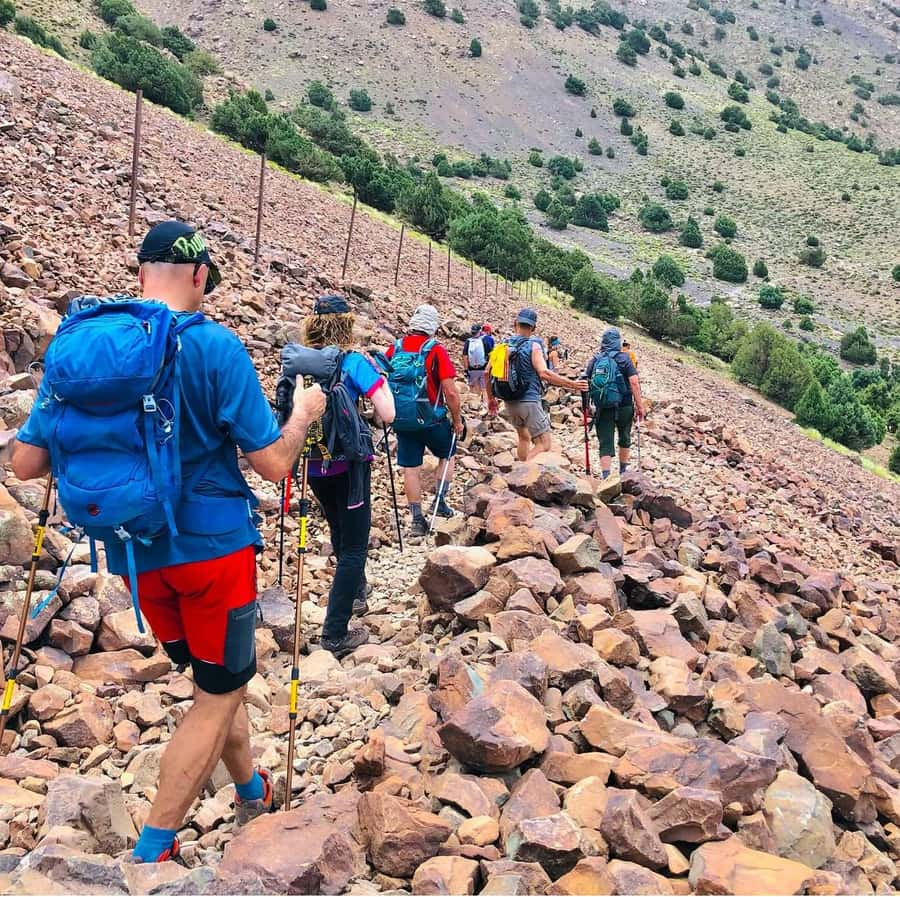
- Real mountain walking: Expect roughly 4 to 6 hours of hiking daily, with uphill sections, loose rubble, and elevations between about 1,700 and 2,300 meters.
- Good value at $129: Transport, guide, two nights, meals, water, tea, and mule support are included.
- Flexible pacing: Guides such as Mohammed, Zakaria, Musstapha, Lahcen, and Hassan have adjusted routes and speed for different abilities.
- Pack light: There is no luggage storage listed, and the mule carries bags, not every suitcase you bring from Marrakech.
A practical three-day trek from Marrakech
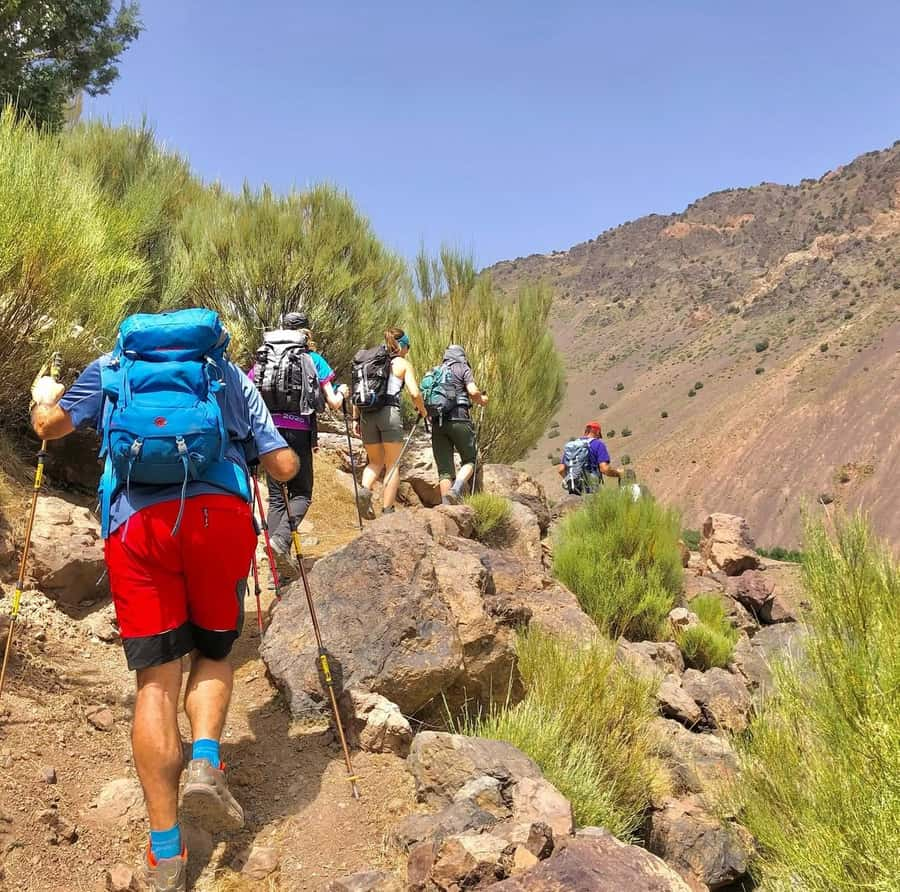
This is a walking trip first and a sightseeing tour second. You are not racing from one famous viewpoint to another. Instead, the appeal comes from the steady rhythm of village paths, tea breaks, mountain meals, and overnight stays in the Imlil area.
The price is $129 per person, which is strong value if the inclusions work for you. You receive transport from Marrakech and back, a guide, two nights of accommodation, food for three days, drinking water, tea, and a mule to carry luggage. Drinks beyond the included water and tea cost extra.
The group limit is 15 people, though the actual experience can be much smaller. Some departures have operated with only two people, while others have combined small groups. A smaller group gives you more say over walking speed and rest stops.
The advertised walking time is about 4 hours on the first day, 6 hours on the second, and 5 hours on the third. Actual distances can vary. One three-day route covered about 5.7 kilometers on day one, 13.6 kilometers on day two, and 11 kilometers on day three. The second day included about 975 meters of ascent, with an optional extra climb of roughly 350 meters.
That difference matters. You should not book this as a gentle village stroll. It can be adapted, but the middle day may be demanding.
Other village days out of Agadir:
- Agadir Desert Trip + berber villages
★ 5.0 · 23 reviews - Berber villages : Atlas Mountains Day Hike from Marrakech
★ 5.0 · 14,007 reviews - Atlas Mountains, Berber Villages and Three Valleys all inclusive
★ 5.0 · 2,471 reviews
Day one: Marrakech to Imlil and the first village paths
Pickup is planned for around 9 a.m. in Marrakech. The drive takes you toward Imlil, the main starting area for many High Atlas walks. The description gives a hotel pickup option, but the exact meeting instructions have caused confusion. Confirm the pickup location directly, preferably by WhatsApp, before departure.
In Imlil, you receive a welcome drink before setting out. The route then follows village paths and mountain slopes, with views across the Imlil Valley. You will meet local residents along the way, and the walking gives you a better sense of daily life than a quick roadside stop ever could.
A particularly worthwhile moment is the tea break in a traditional Berber home after about an hour of walking. This is a simple stop, but it gives the day some human connection. You are not just looking at villages from a trail. You are sitting with a family, drinking mint tea, and seeing how hospitality fits into village life.
The first day is described as about four hours of walking. In practice, it may include a visit to the Imlil waterfall, a circular walk near the town, or a shorter route if the group needs time to settle in. You may also have a picnic lunch or a cooked meal, depending on the arrangements for your departure.
Your first night is in a riad or local guesthouse in Imlil. Standards vary, but the accommodation reported on different departures has included clean rooms, private bathrooms, terraces, warm showers, towels, and mountain views. Some properties are polished and comfortable, while others are more basic. Do not expect the same hotel for every departure.
The afternoon may be free for rest or a shorter walk. I like this breathing space. After a morning transfer from Marrakech, you do not need to be pushed straight into a major climb.
Day two: Tizi Mazik and Tamsoult Waterfall
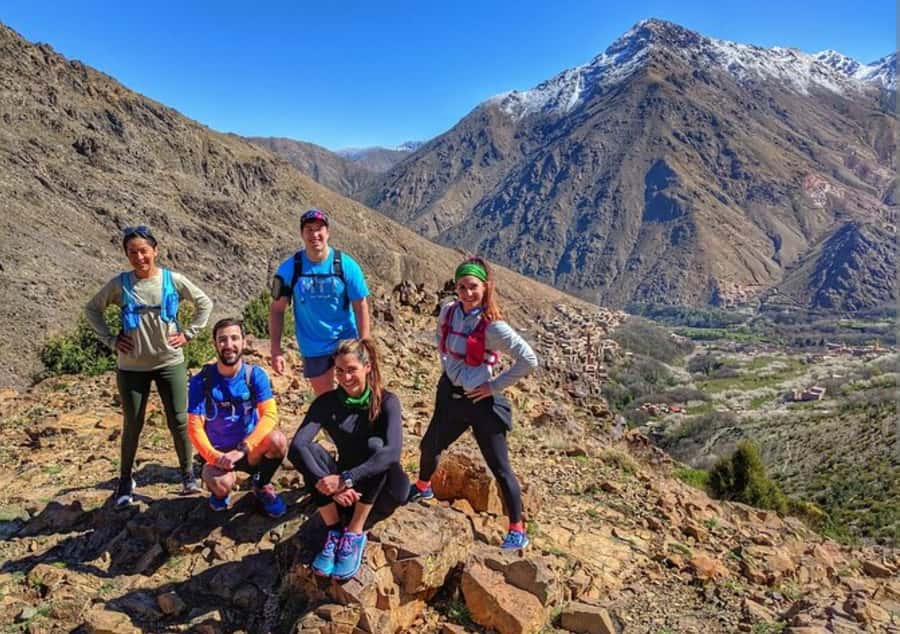
The second day is the physical heart of the trip. You follow a path over Tizi Mazik Pass, reaching about 2,500 meters. The climb gives you broad views over the Ait Mizan Valley and the surrounding peaks.
This is where sturdy footwear matters. The routes include loose rubble and rocky ground, with some slippery or uneven sections. A pair of casual trainers may leave you nervous on the descent. Wear shoes with good grip, and take walking poles if you already use them.
Lunch is planned around Mzik before the route continues toward Tamsoult. The day then leads to the largest waterfall in Toubkal National Park, a natural highlight that gives the trek a clear goal. The scenery changes as you walk, with dry mountain slopes, greener valley sections, and scattered villages below.
The day can take about six hours. It may also include a more demanding uphill section than the simple time estimate suggests. One recorded route involved nearly 1,000 meters of ascent. Your guide may offer an optional peak climb or shorten the route, but you should be ready for sustained effort.
Guides are a major part of how this day feels. Mohammed has been praised for walking calmly and matching the group’s pace. Zakaria, also called Ziko, has adapted paths to fitness levels and kept the mood relaxed. Musstapha has adjusted routes for different abilities, while Lahcen has helped solo walkers manage a demanding day.
The guide’s role goes beyond navigation. You can ask about plants, village life, local customs, and the mountain routes. Some guides have invited walkers for tea with their families, which can become one of the most memorable parts of the trip. Communication in English varies, so do not expect detailed explanations from every guide, but the practical care is generally clear.
You spend the second night at another local inn or guesthouse, often in a more remote setting. Accommodation may be basic, but meals are a strong point. Breakfast, lunch, and dinner are included, and the food is generally described as plentiful, fresh, and well suited to the long walking days.
Vegetarian and vegan meals can be arranged. Tell the operator in advance rather than waiting until you sit down to eat. The food may be similar from meal to meal, often with tagine, bread, salads, fruit, and tea, but that repetition is not a serious drawback after several hours outdoors.
Day three: Ait Aissa, Oudit Pass, and the return to Marrakech
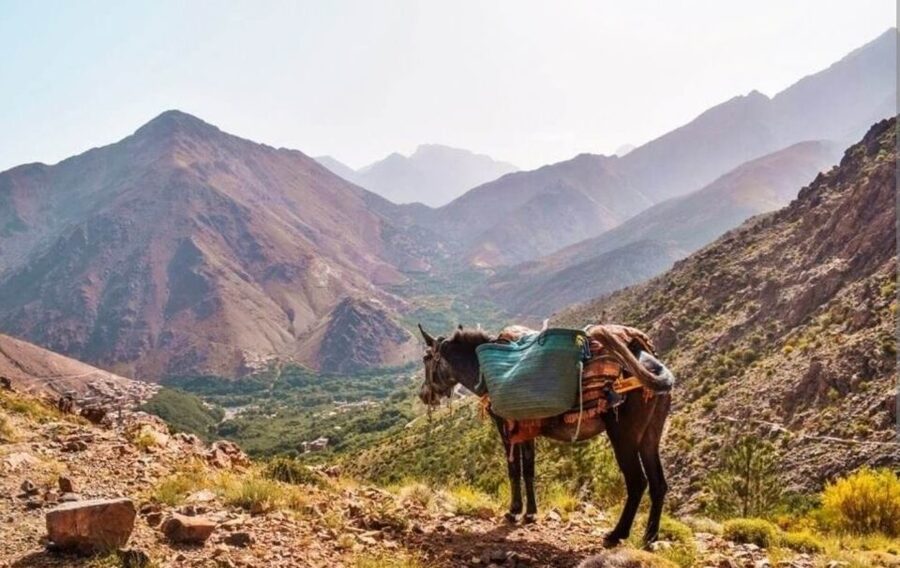
The final day takes you from Tamsoult toward Matat and Ait Aissa, passing more villages and crossing the Oudit Pass at about 2,200 meters. The walking time is planned at about five hours, though the route can be shortened.
This is a good closing day because it keeps the focus on village scenery rather than ending with a long vehicle ride. You continue through valleys and mountain settlements, then stop for lunch in the open air. After lunch, you meet the driver in Matat and return to your Marrakech hotel.
The third day is still active. One version of the route covered about 11 kilometers and 467 meters of ascent. That is manageable for a reasonably fit walker, but it is not a passive transfer day. If your legs are tired after Tizi Mazik, tell the guide early so the route can be adjusted.
The drive back marks a sharp contrast with the walking days. You move from quiet mountain paths to the noise and traffic of Marrakech. That contrast is part of the appeal. Three days is long enough to slow down and see the villages properly, but short enough to fit into a wider Morocco itinerary.
More of the High Atlas from Agadir:
- Agadir or Taghazout: Paradise Valley Atlas Mountains Tour
★ 4.4 · 2,905 reviews - Agadir Taghazout: Paradise Valley & Atlas Mountains Swimming Trip
★ 4.5 · 619 reviews - Agadir or Taghazout: Paradise Valley & Atlas Mountains Trip
★ 4.2 · 428 reviews - Paradise Valley and Atlas Mountains Adventure in Agadir
★ 5.0 · 156 reviews
What the accommodation and food are really like
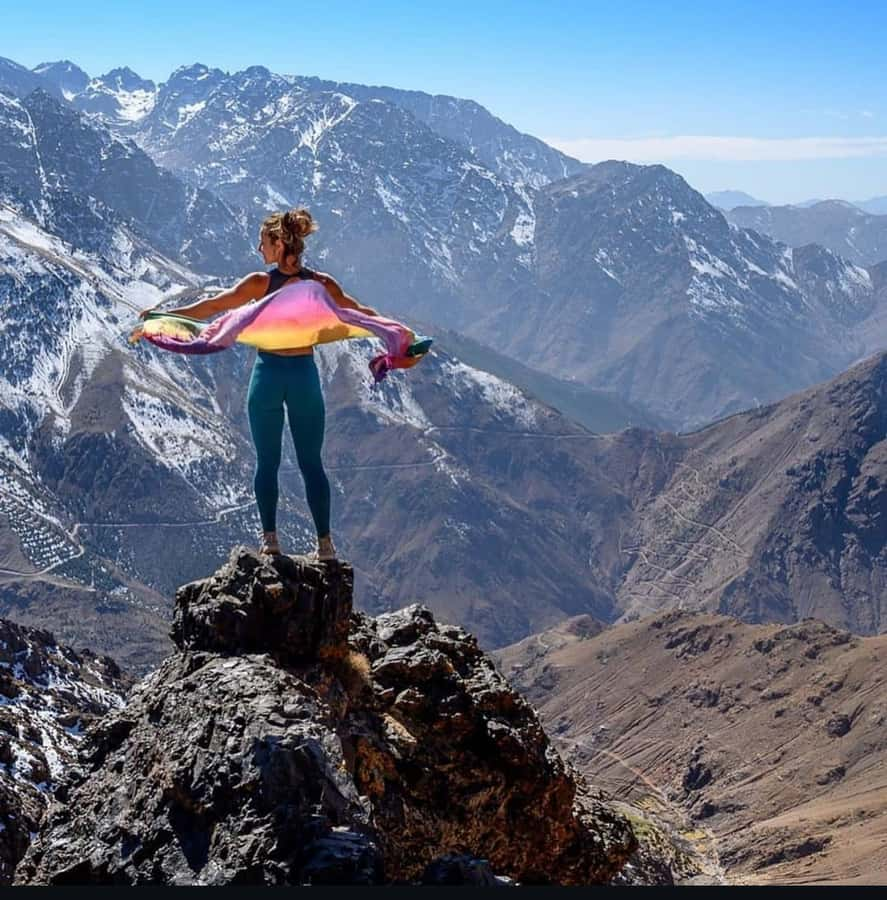
You should expect local riads and mountain guesthouses, not a fixed hotel brand. Some stays have included attractive terraces, pools, private bathrooms, warm showers, and excellent views. Other properties are simpler because they are farther along the route.
The first night has sometimes been in a stylish riad in Imlil, including a property called Riad Dream on one departure. The second night has included a basic but comfortable inn such as Smile Hotel. These names should not be treated as guarantees for every booking, since accommodation can change.
Food is one of the safest reasons to choose the package. Three days of meals are included, and portions are intended for active walkers. Tagine, bread, salads, fruit, tea, and other Moroccan dishes may appear throughout the trip. You should expect satisfying local cooking, not a restaurant menu with many choices.
Tea stops also matter. Mint tea is not just a drink here. It creates pauses in the walking day and gives you a chance to talk with your guide or a local family. Bring money for any extra drinks, since the package excludes them.
Guides, group size, and personal comfort
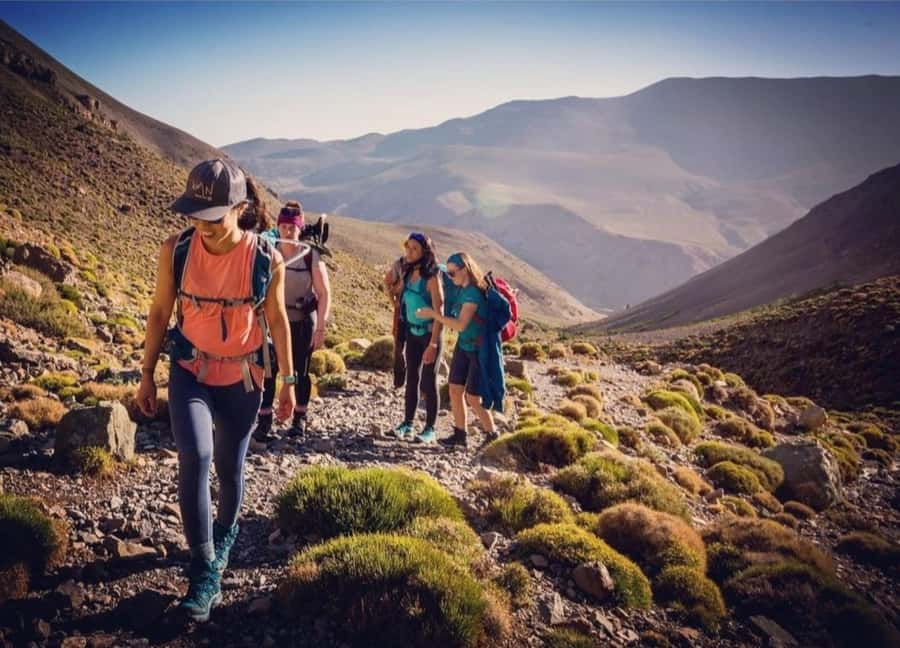
The operator uses local guides, and the experience can change a lot depending on who leads your departure. Names connected with past departures include Mohammed, Zakaria, Hassan Benzidane, Mustapha, Lahcen, Nidali Abdull, and Hanan.
Several guides have been praised for patience, good route choices, and the ability to slow down for less confident walkers. Hanan has guided a woman recovering from illness at a gentler pace, showing that the operator can sometimes respond well when plans change.
Still, you should be clear about your limits. Tell the guide if you need a break, feel unwell, or want to skip an optional climb. The routes are flexible, but the mountains do not become flat because the schedule says six hours.
Solo women should also think carefully about the group setup. A solo booking may place you alone with a male guide. One woman reported feeling uncomfortable after noticing unauthorized photographs during the trek. This does not define every departure, but it is a fair reason to ask about group size and guide arrangements before booking.
Packing for rocky paths and changing temperatures
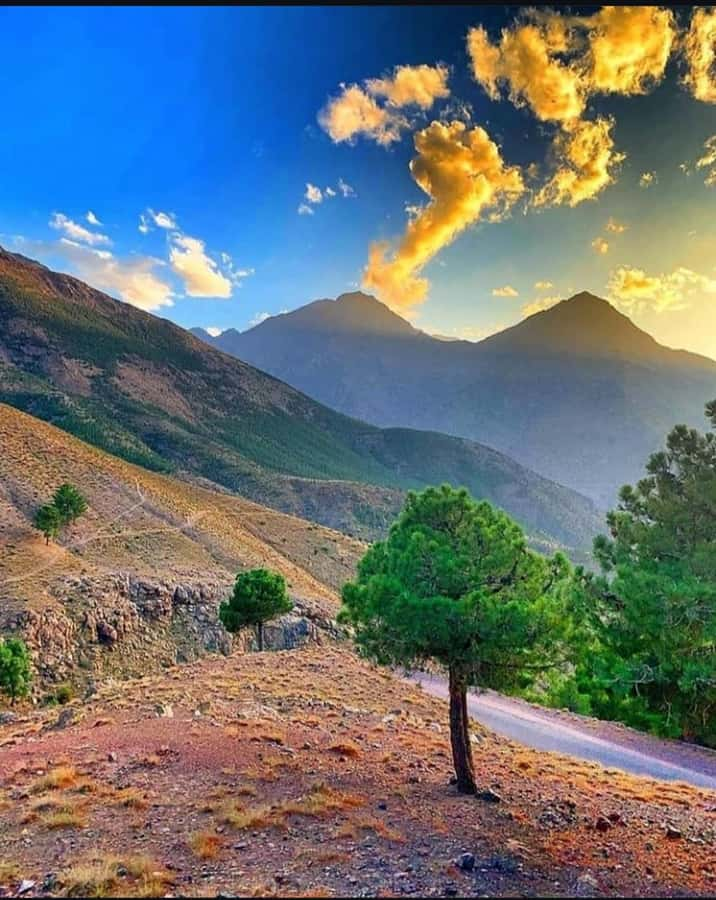
Pack only what you need for three days. The mule carries bags, but you still need to manage your own day pack. If you have a riad in Marrakech, ask about leaving bulky luggage there, since luggage storage is not included in the trip details.
Bring:
- Sturdy hiking shoes with good grip
- A small day pack
- Warm layers for evenings and higher passes
- Cool clothing for hot daytime walking
- Sun protection
- Personal toiletries and medication
- A light sleeping bag if you prefer extra warmth
- A water bottle, even though water is included
August can be hot during the day and cool after sunset. In colder months, mountain temperatures may drop sharply. The route reaches high passes, so pack for both strong sun and chilly evenings.
Who will get the most from this trek?
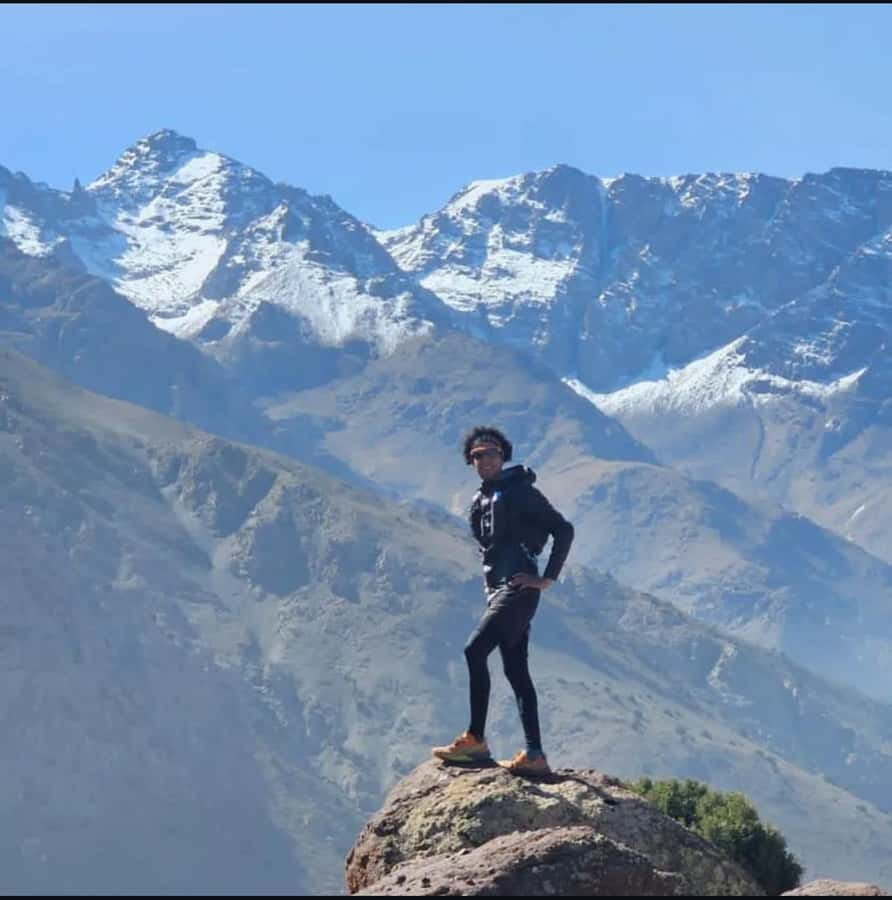
I would choose this trip if you want village contact, mountain walking, and simple local accommodation without arranging every detail yourself. It suits people who enjoy active days and do not need luxury or a perfectly fixed schedule.
It also works well after Marrakech. The city can be intense, and three days in the High Atlas gives you a calmer setting with fresh air, open views, and a slower daily rhythm.
I would not choose it if you want a soft adventure with short walks and guaranteed hotel standards. The second day can be hard, the paths are rough, communication may be late, and the accommodation changes by departure.
The tour is also not the same as climbing Mount Toubkal. If your main goal is a summit, ask about a dedicated Toubkal itinerary. This route is better for village culture, valleys, and varied day hikes.
Should you book the Atlas Mountains trek?
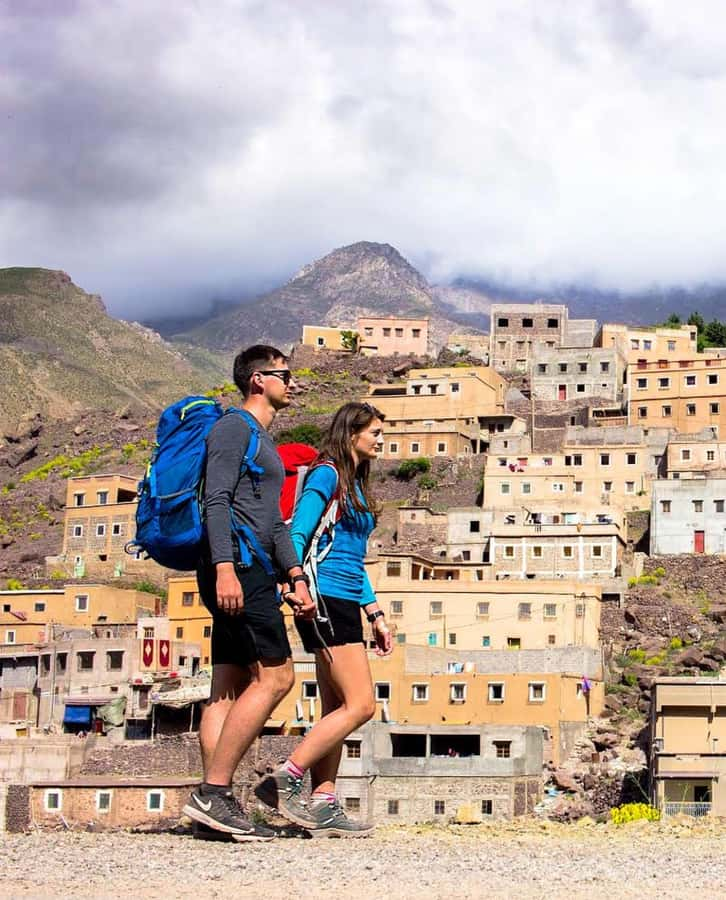
At $129, I think this is a good-value way to reach the High Atlas from Marrakech. Transport, food, accommodation, a guide, water, tea, and mule support cover the expensive practical pieces. The strongest reasons to book are the family tea stop, the changing mountain routes, and the guides’ willingness to adapt the pace.
Book it if you have a reasonable fitness base, proper shoes, and an open mind about simple accommodation. Before paying, confirm the pickup point, ask what luggage can go on the mule, state any dietary needs, and request the expected walking level for your departure.
If you need precise communication and fixed hotel details, the planning stage may frustrate you. If you can accept a little uncertainty in exchange for genuine village time and three full days outdoors, this is a worthwhile break from Marrakech.
FAQ
How long is the trek each day?
The planned walking time is about four hours on day one, six hours on day two, and five hours on day three. Actual distances and walking times can vary, and some routes may be shortened.
Where does the trek begin?
The trip starts with transport from Marrakech to Imlil. Pickup can be arranged from your hotel, or you may meet at the designated meeting point.
Is transport from Marrakech included?
Yes. Transport from Marrakech to the Atlas Mountains and back to Marrakech is included.
Are meals included?
Yes. Food for all three days is included, along with water and tea. Drinks beyond those inclusions are not included.
Can vegetarians and vegans be accommodated?
Yes. Vegetarian and vegan meals have been provided, but you should notify the operator in advance.
How difficult is the hiking?
The trek requires a reasonable level of fitness. You may walk four to six hours per day on rocky and sometimes loose paths, with passes reaching roughly 2,200 to 2,500 meters.
Does a mule carry the luggage?
Yes. A mule is provided to carry bags, but you should still pack light and bring a small day pack for items you need while walking.
What languages can the guides speak?
The listed guide languages include Arabic, Breton, Dutch, German, Greek, Irish, French, Romanian, Slovak, English, Danish, and Spanish. The exact language available depends on the guide assigned to your departure.
Just added in Agadir
- Sandboarding guided experience from Agadir&Taghazout★ 5.0 · 39 reviews
- boat trip from 9 am to 3 pm fishing & swimming & barbecue & dessert★ 4.0 · 36 reviews
- Agadir airport Transfers to or from agadir hotels★ 5.0 · 66 reviews
- Jeep 4×4 Safari Desert Dunes & Atlantic Ocean with Berber Lunch★ 4.5 · 45 reviews
- Agadir Jeep Safari Desert Day Trip including Lunch & camel ride★ 5.0 · 24 reviews
- Visit Taroudant and Tiout 1 day From Agadir★ 4.5 · 24 reviews
- 8 Day Outstanding Surf & Yoga Holiday in Tamraght, Agadir★ 5.0 · 18 reviews
- Buggy cfmoto 1000 in Agadir★ 4.5 · 40 reviews
Berber Village Tours, compared.
Berber villages : Atlas Mountains Day Hike from Marrakech
Read our review →
Atlas Mountains, Berber Villages and Three Valleys all inclusive
Read our review →
Atlas Mountains, Berber Villages, Agafay & Camel Ride
Read our review →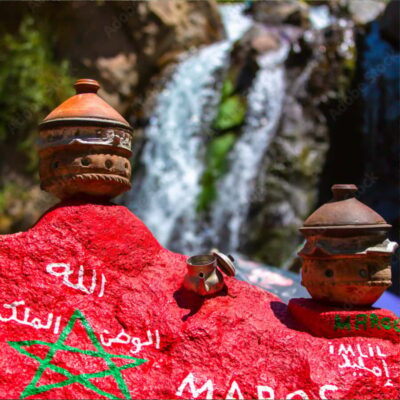
Paragliding, Camel Ride & Berber Villages Trip
Read our review →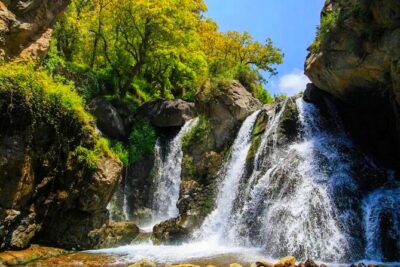
Agafay Desert & Berber villages & Atlas Mountains, Full Day Trip From Marrakech
Read our review →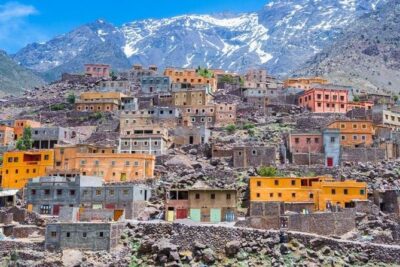
Day Trip To Atlas Mountains and Three Valleys & Berber Villages from Marrakech
Read our review →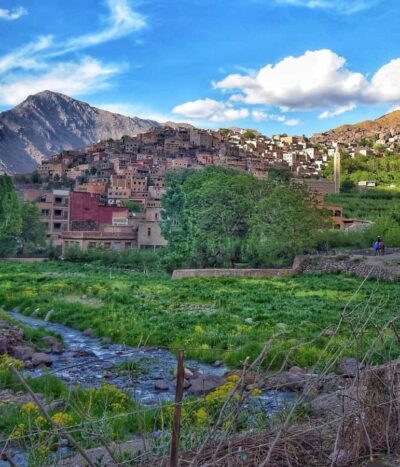
Atlas Mountain, Berber Villages, & Valleys Tour
Read our review →
Zip-Line in the Atlas Mountains & Berber villages
Read our review →Browse the lists this tour appears in