
Reviewed · OURIKA VALLEY DAY TRIPS
Marrakech: Atlas Mountains, Ourika Valley, Waterfall with Guide
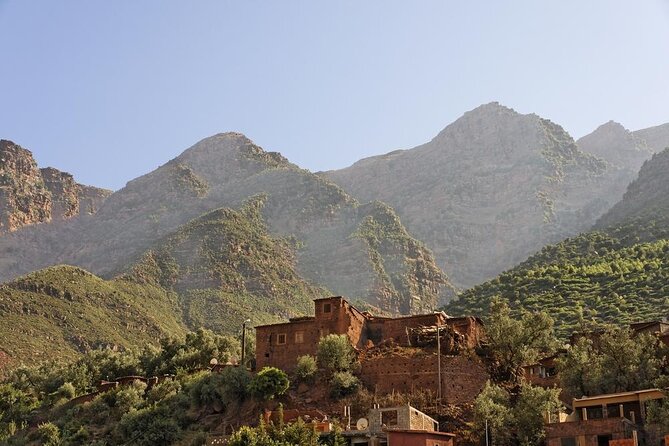
Setti Fatma’s waterfalls are the main event here, but the road into the Ourika Valley gives you more than a quick photo stop. You move from Marrakech’s dry plains into hill villages, river scenery, and rocky mountain paths, with a local guide helping on the steepest sections.
I like two things in particular: the chance to step inside a Berber house rather than simply view villages from a bus, and the relaxed lunch setting beside the Ourika River. Guides such as Walid, Saber, Rachid, and Badr have been praised for being patient and helpful. The catch is simple: the waterfall walk is not an easy stroll. Some parts feel closer to bouldering than hiking.
Key points at a glance
- Setti Fatma hike: Expect about 1 hour and 30 minutes on steep, rocky ground, with slippery stones near the waterfalls.
- Berber culture: Visit hill villages, a traditional house, and an argan cooperative run to support local women.
- River lunch: Food is not included, but the riverside setting is a major part of the day.
- Transport: Air-conditioned transport and hotel pickup are included, though a meeting point may be used if your lodging is hard for a vehicle to reach.
- Guide support: The hiking guide can help with difficult sections, but you still need sensible fitness and proper shoes.
- Price: At $17.38 per person, this is a very low-cost way to reach the Atlas Mountains, provided you accept a shared, tightly scheduled day.
Why the Ourika Valley makes a good escape from Marrakech
Marrakech is full of color, noise, and movement. The Ourika Valley gives you a very different day. The road follows the direction of the Atlas Mountains, and the surroundings gradually shift from city outskirts to mountain communities and the Ourika River.
The valley is not some untouched secret. Setti Fatma is a well-known outing, and the waterfall path has plenty of activity around it. Still, the scenery feels far removed from the medina. You see terraced slopes, compact villages, and simple buildings that seem to grow out of the hills.
The journey takes roughly eight hours, though the stated stop times add up to a little more depending on traffic, pickup delays, and time spent at lunch. That is a full day, but much of it is broken into manageable sections. You are not trapped in the vehicle for one long ride.
Pickup begins around 9:00 am. The assistant or guide explains the day before the vehicle leaves Marrakech. Hotel pickup is offered, but accommodations in narrow or inaccessible streets may require you to walk to a nearby meeting point. Confirm this detail clearly before departure, especially if you are staying in the old city.
Other valley days out of Marrakech:
- Marrakech: Atlas Mountains, Ourika Valley, Waterfall & Lunch
★ 4.8 · 15,834 reviews - Marrakech: Ourika Valley Trip with Waterfall Hike
★ 4.6 · 6,792 reviews - Marrakech: ourika valley lunch & guided hike to waterfalls
★ 4.9 · 3,737 reviews
The ride from Marrakech into the hills
Transport is provided in an air-conditioned vehicle with a professional driver. Several accounts describe clean or new minibuses, careful driving, and punctual pickups. Drivers named Oussama, Bouja, Mohammed, Samer, and Mehdi received particular praise for safe driving or friendly service.
The vehicle may collect other people before heading out, so the start can be less private than a custom excursion. The maximum capacity is listed as 500 people, which is unusually high for a day tour and does not tell you the actual size of your vehicle. Prepare for a shared coach or minibus experience rather than a private car.
That low price explains some of the tradeoffs. At $17.38, round-trip transport, a driver, and a local hiking guide represent strong value. You are paying for access and coordination, not a personal guide who stays with you every minute or a flexible itinerary built around your interests.
The road time is part of the experience. A good guide may point out local life and explain the region as you go. Saber, for example, was praised for sharing facts about the communities and for offering extra explanations even when a formal guide was not immediately available. The quality of commentary can vary by guide and language, since the activity may use a multilingual guide.
Tnine Ourika and the Berber villages
The first substantial stop is around Tnine Ourika, where you visit Amazigh, also called Berber, communities. This is one of the more worthwhile parts of the day because it gives context to the mountain setting.
The villages show traditional construction and daily life rather than polished city attractions. You may see local artisans at work and learn how families have maintained older ways of living. The plan may also coincide with a weekly souk on Monday or Thursday.
That souk deserves a practical warning. A market can offer a close look at local trade, but it is not arranged for tourist comfort. One account described a first stop that included live chickens and butchered animals, which was upsetting. If you are sensitive to animal markets, ask the guide what the stop will involve before getting out.
The stated village visit lasts about 20 minutes, so do not expect a long walk through several communities. You get an introduction, not an extended cultural study. I like this stop because it gives meaning to the valley, but the short timing means the visit depends heavily on the guide’s explanations.
Inside a traditional Berber home
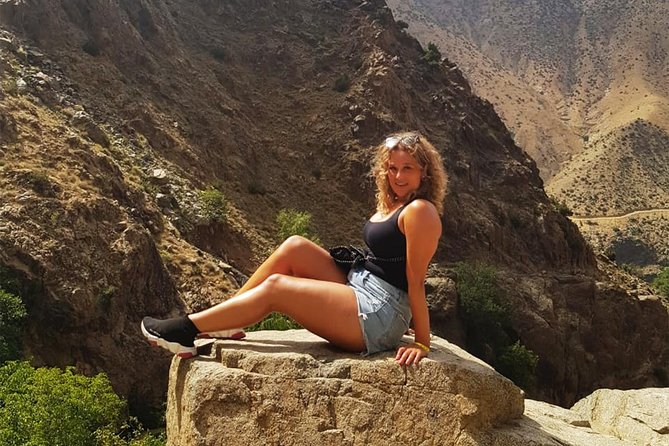
The traditional house visit is a useful counterpoint to the mountain views. Instead of only photographing village walls, you get a chance to see how a Berber household is arranged and hear about the lives of Morocco’s indigenous Amazigh people.
This is the kind of stop where you should listen more than rush. Architecture, household routines, and local work tell you more than a quick roadside viewpoint. The information provided does not specify the exact house, refreshments, or length of the visit, so treat it as a brief cultural encounter rather than a staged home tour with a fixed program.
You may want to ask questions about building materials, family life, and how the village changes during the week. A friendly guide can turn a short visit into one of the most memorable parts of the outing.
More of the High Atlas from Marrakech:
- Berber villages : Atlas Mountains Day Hike from Marrakech
★ 5.0 · 14,007 reviews - From Marrakech: Atlas Mountains Full-Day Hiking Trip w Lunch
★ 4.8 · 7,417 reviews - From Marrakech: Atlas Mountains Day Trip with Camel Ride
★ 4.8 · 4,709 reviews - Atlas Mountains & 5 Valleys Tour from Marrakech – All inclusive –
★ 5.0 · 2,913 reviews
The women’s argan cooperative
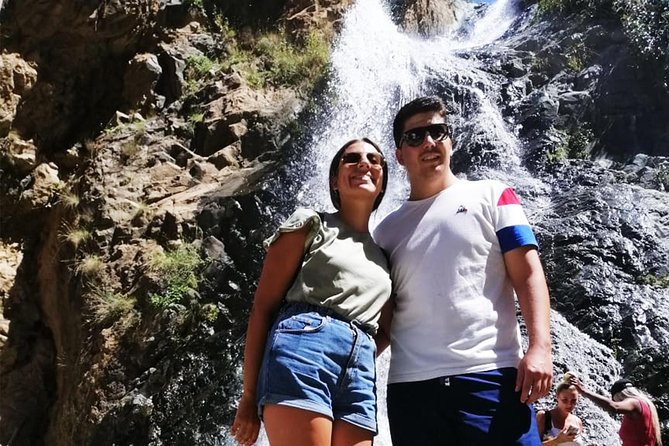
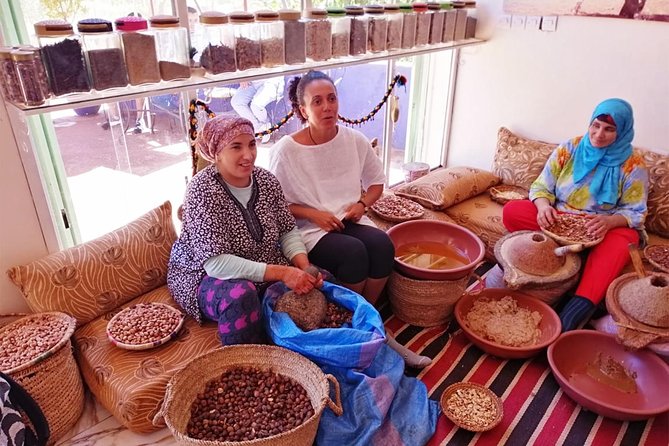
The argan cooperative is another short stop, usually around 20 minutes. Here you learn how argan nuts are collected and processed, and how women’s cooperatives can provide skills, work, and income.
Argan products are common in Moroccan shops, so this visit helps explain what goes into making them. You see the traditional process rather than only encountering bottles of oil in a gift shop. The cooperative also connects shopping with local economic support, though you should feel free to browse without buying.
Keep your expectations measured. This is an educational stop, not a long workshop. The day includes several planned visits, and each one takes time away from the waterfall walk or riverside lunch. If you prefer a day focused only on nature, the cooperative may feel like a sales-oriented interruption. If you like meeting local producers and understanding how a familiar Moroccan product is made, it adds useful context.
The Setti Fatma waterfall hike
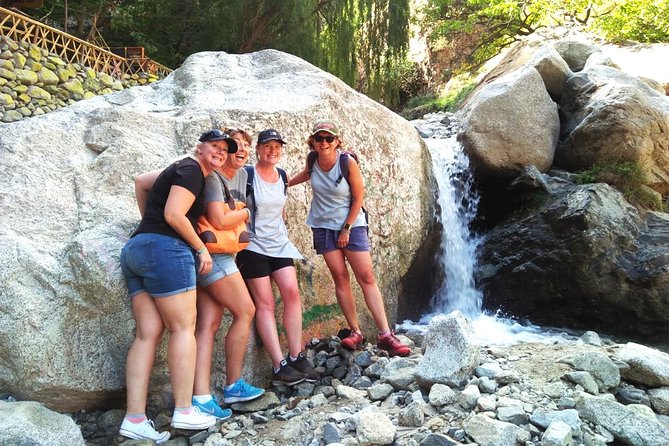
At Setti Fatma, a local mountain guide takes over for the walk to the waterfalls. The stated hiking time is about 1 hour and 30 minutes, but the physical demand matters more than the clock.
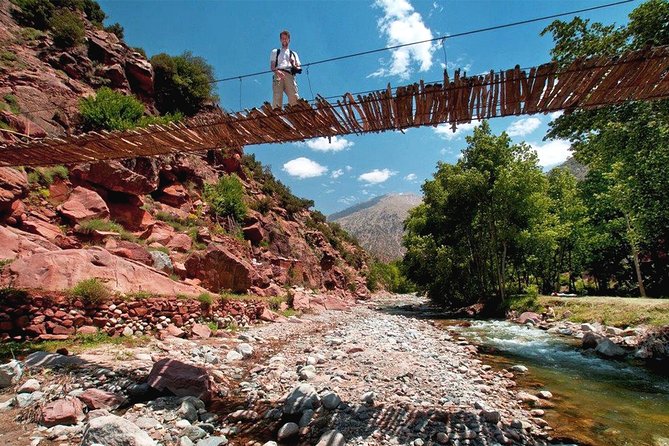
This is rocky terrain with uneven steps, boulders, and slippery surfaces. Some sections require you to use your hands for balance. One person described the route as more like rock climbing than an ordinary hike, while others called it challenging but rewarding. The safest assumption is that you need a good level of fitness and sure footing.
Wear sports shoes with a firm sole. Sandals, smooth-soled trainers, and city shoes are poor choices here. Bring water, move at your own pace, and use the guide’s help on exposed or awkward sections. The guide can stop for rests and assist older family members, but no guide can remove the physical effort from the route.
This is not the best choice for anyone expecting a flat nature walk. It can work well for active families, but children must be accompanied by an adult. One family enjoyed the climb, the scenery, and even spotting monkeys in the trees. That kind of wildlife sighting is possible, not guaranteed, and should be treated as a bonus.
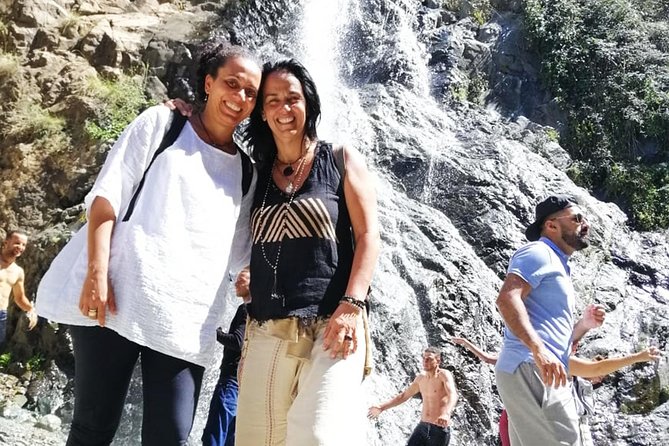
The reward is a series of falls and mountain views in a cooler, more open setting than Marrakech. The walk itself is as important as the final water. You pass through the folds of the valley and gain a better sense of its scale with each climb.
Lunch beside the Ourika River
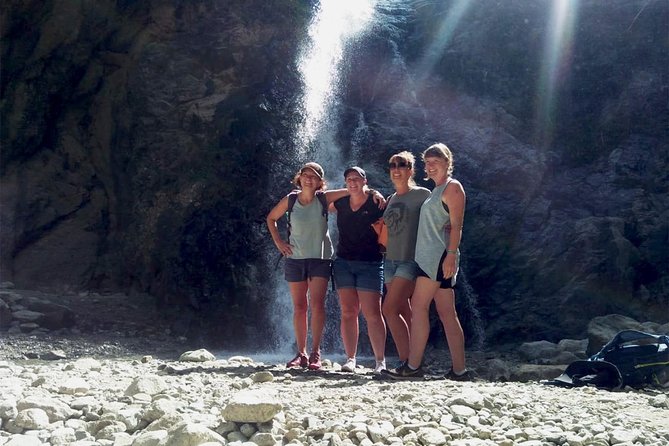
After the hike, you have free time for lunch beside the river. Food is not included, so bring money and expect to choose and pay for your meal locally.
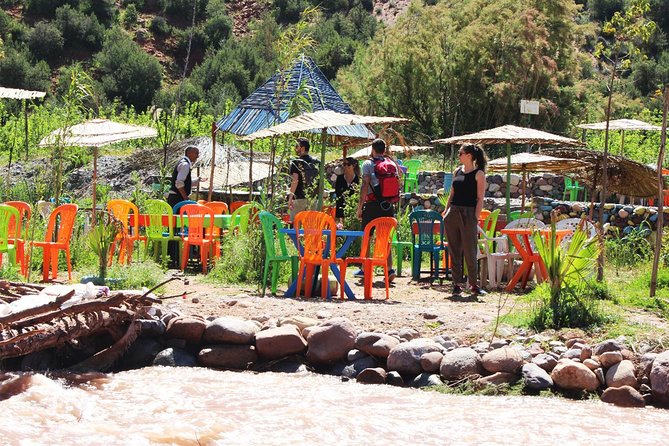
The setting is the real attraction. A table near rushing water, with hills around you, makes a welcome break after the climb. Several accounts praised the chance to eat over or beside the river, and families especially liked the relaxed atmosphere. Some meals were described as delicious and inexpensive, while another found the food ordinary. I would choose this experience for the location, not for a carefully planned culinary program.
The timing can feel generous. The schedule refers to about an hour of lunch and also lists three hours in the Ourika Valley, so the exact division may change. You may have time to eat, rest, listen to music, and enjoy the water, but do not count on a long unstructured afternoon. Ask your guide when to return to the vehicle.
A little cash is important for lunch and personal purchases. Restoration, meaning meals, and personal expenses are excluded from the price. The activity does not state a fixed menu or restaurant, so costs and food quality can vary.
What the guides add to the day
The experience depends heavily on the people running it. Drivers such as Oussama and Bouja were praised for caution and good timing. Guides including Walid, Saber, Rachid, Badr, and Mehdi were praised for patience, friendliness, language skills, and help on the trail.
That matters because the day has two different jobs. The driver handles a long mountain road and multiple pickups. The local hiking guide handles uneven ground and keeps the group moving safely. A strong team makes the transition between those parts feel easy.
Do not assume every guide will give the same depth of commentary. The activity may operate with a multilingual guide, and some explanations may be given in French and English. If cultural background is important to you, ask questions early and stay close enough to hear the guide.
There have also been problems with pickup communication. One booking went badly after repeated confusion about the location, and another person reported being left short of the hotel after the return. These appear to be exceptions in a largely positive pattern, but they are worth preventing. Confirm your exact pickup point, keep your phone available, and ask where the vehicle will drop you before the return journey begins.
Is $17.38 good value?
At $17.38 per person, this is inexpensive for a full-day outing from Marrakech. The price covers transport, air conditioning, a professional driver, and a local hiking guide. It also bundles several stops that would be difficult to arrange independently in one day.
The value is strongest if you want a simple, low-cost introduction to the Atlas Mountains. You get scenery, cultural stops, a waterfall hike, and time by the river without arranging separate taxis and guides.
The price is less impressive if you want privacy, a quiet vehicle, a long village visit, or a flexible schedule. Lunch, personal spending, and likely small local costs are extra. The group capacity is listed at up to 500, so you should not book expecting a small private outing.
I would also account for energy. An inexpensive tour is not good value if you spend the day uncomfortable in unsuitable shoes or cannot manage the climb. The right equipment changes the experience considerably.
Who should book this Ourika day trip?
I would recommend it to you if you have one free day in Marrakech and want a broad sample of mountain life. It suits active adults, families with older children, and anyone who enjoys pairing local culture with a physical outing.
It is also a good fit if your budget is tight. The included vehicle and guide remove much of the hassle, while the river lunch keeps the day informal.
I would hesitate if you have limited mobility, dislike uneven ground, or want a peaceful, slow-paced nature day. The waterfall route may be too demanding, and the schedule includes several stops that can feel rushed. People who dislike markets involving live animals should ask about the souk stop before booking.
Free cancellation is available until 24 hours before the 9:00 am start time. Changes or cancellations inside that window are not refundable, and the activity may be canceled if its minimum number is not reached.
Should you book it?
Book this tour if your priority is value and variety: mountain views, Amazigh villages, an argan cooperative, a demanding waterfall walk, and lunch beside the river for a very low price.
Skip it if you want a private day or a gentle walk. For everyone else, the key decision is your footwear and fitness. Arrive ready for rocks, heat, and a full day, and this can be a memorable introduction to the Ourika Valley. Just confirm pickup details and keep your expectations realistic about group size, food, and the rough trail.
FAQ
What time does the tour start?
The stated start time is 9:00 am. Pickup is offered from your hotel, or from a meeting point if the accommodation cannot be reached by vehicle.
How long does the experience last?
The tour lasts about eight hours. Actual timing can change with pickups, traffic, time at the stops, and the lunch break.
Is lunch included?
No. Restoration and personal expenses are not included, so you pay separately for lunch beside the Ourika River.
How difficult is the waterfall hike?
The hike takes about 1 hour and 30 minutes and includes steep, rocky, and potentially slippery sections. Good sports shoes and a reasonable level of fitness are needed.
Are children allowed?
Yes. Children must be accompanied by an adult. The hike can be demanding, so adults should consider each child’s ability before booking.
Can I cancel for a full refund?
Yes, if you cancel at least 24 hours before the local start time. Cancellations or changes made less than 24 hours before departure are not refunded.
Just added in Marrakech
- Quad Ride In The Agafay Desert★ 5.0 · 39 reviews
- Quad Biking Agafay desert★ 5.0 · 20 reviews
- Marrakech: Tailor-Made City Tour With Your Own Private Guide★ 4.9 · 236 reviews
- Surf Training and Lunch on Essaouira Day Trip from Marrakech★ 4.9 · 51 reviews
- Essaouira: Surf Trip from Marrakech★ 4.9 · 31 reviews
- Marrakech palm grove: Sunset camel ride★ 4.8 · 194 reviews
- Marrakech: Sunrise Desert Tour with Camel Ride and Breakfast★ 4.4 · 36 reviews
- Marrakech : Agafay Desert Sunset Camel Ride & Luxury Dinner★ 4.3 · 39 reviews
Ourika Valley Day Trips, compared.
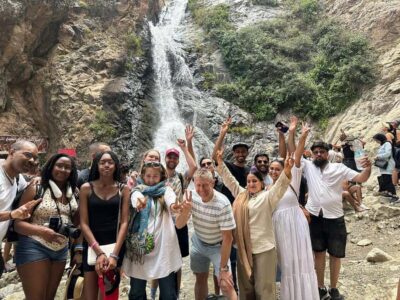
Atlas Mountains, Ourika Valley, Waterfall & Lunch
Read our review →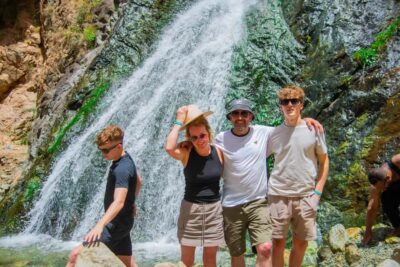
Ourika Waterfalls, Atlas Mountains, Guide + Lunch
Read our review →
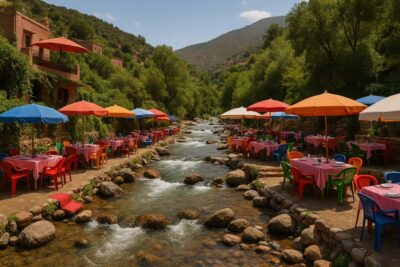
ourika valley lunch & guided hike to waterfalls
Read our review →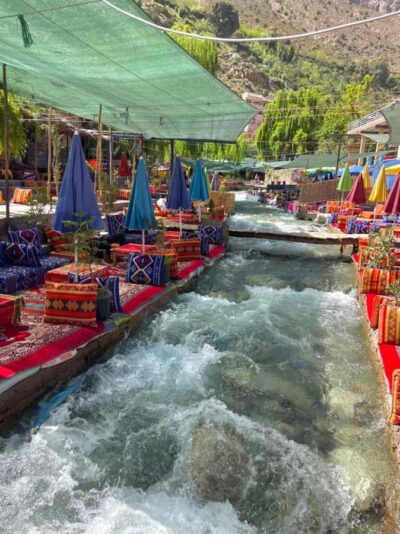
Atlas Mountains, Waterfalls, Ourika Valley +Lunch
Read our review →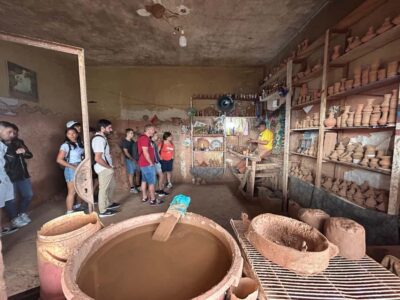
Ourika Valley Day Trip from Marrakech with Guide & Lunch
Read our review →
Ourika Valley & Atlas Mountains, Day Trip + Lunch
Read our review →
Ourika Valley & Waterfalls Guided Tour with Lunch
Read our review →Browse the lists this tour appears in