
Reviewed · TOURS IN MARRAKECH
Moroccan Desert 3-Day Luxury Tour from Marrakech
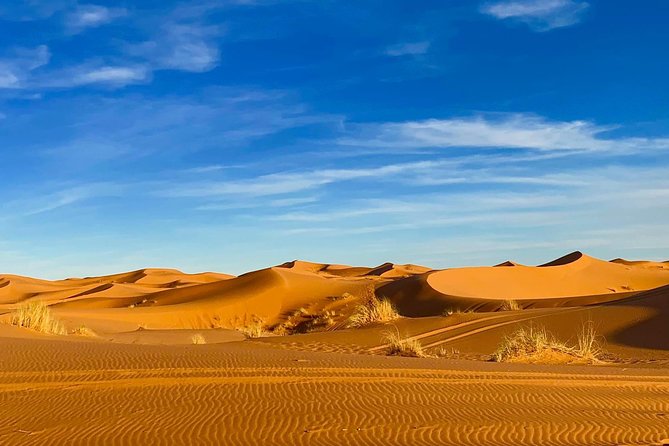
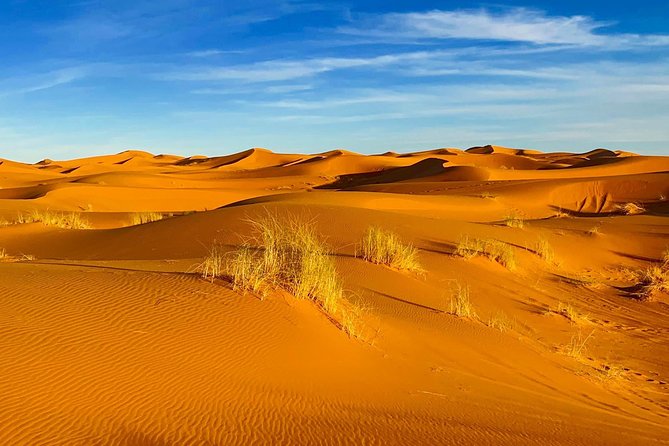
The payoff comes late on the second day, when your camel leaves the edge of Erg Chebbi and climbs into the Sahara’s orange dunes. After a long road journey, you reach a desert bivouac, watch the sun drop, eat dinner, and sleep beneath a wide night sky. The camel ride is the trip’s signature moment, but the mountain roads, kasbahs, gorges, and villages give the journey its full shape.
I like the small groups, which can feel almost private when only three to five people are booked. I also like the human touch: guides such as Moha, Khalid, Ibrahim, and Youssef have been praised for safe driving, local insight, flexible stops, and warm conversation. The catch is simple: this is a lot of Morocco in three days, and Day 3 can mean 9 to 10 hours in the vehicle.
Key points to know before booking
- Camel ride to Erg Chebbi: Ride across the dunes to a bivouac camp, with a camel trek of about one hour, sometimes longer depending on the group and conditions.
- Aït Benhaddou and Ouarzazate: Cross the High Atlas and visit Morocco’s famous kasbah country, with Atlas Studios included when the group wants to stop.
- Two very different nights: Sleep first in a comfortable riad near the desert route, then in a traditional Berber tent at the bivouac.
- Small-group format: The maximum is 15 people, though some departures have been much smaller.
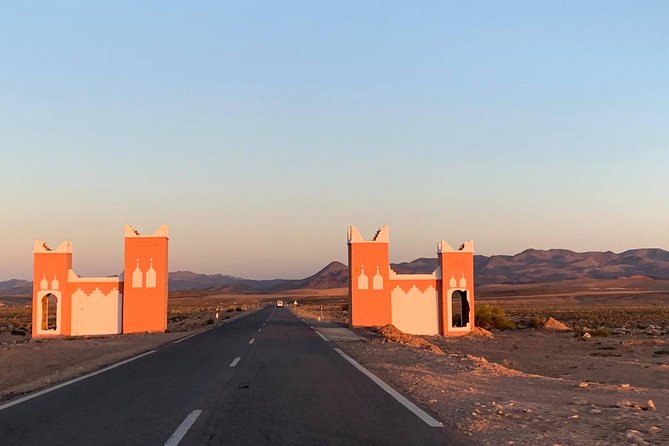
- Long driving days: The route covers a great deal of southern Morocco, so expect winding mountain roads and a very long return to Marrakech.
- Practical packing: Carry only a small bag for the camel ride, bring warm clothing and gloves for the desert morning, and have coins ready for roadside restrooms.
What the $450 price really buys you
At $450 per person, this is not a cheap transfer to the desert. It is a three-day package that includes the driver-guide, an air-conditioned vehicle, a scarf, two breakfasts, two dinners, two nights of lodging, and the camel journey to camp.
That makes the price easier to judge. You are paying for the vehicle, fuel, driver, guide service, overnight stays, meals at the accommodations, and the desert logistics. Lunches and drinks are extra, so keep cash available for those stops. The package is also useful if you want to reach Erg Chebbi without arranging separate hotels, desert transport, and camel arrangements yourself.
The value is strongest for a first visit or a short stay in Morocco. You see several major southern sights while moving between Marrakech and the Sahara. The value is weaker if you dislike long drives or want a slow desert visit. A three-day route is the minimum practical span for reaching Erg Chebbi from Marrakech, not a leisurely stay based in the dunes.
The experience is booked, on average, 127 days ahead. That does not guarantee every date sells out, but it is a good reason to reserve early if your Morocco plans are fixed.
Other trips people book in Marrakech:
- Marrakech: Agafay Desert Sunset, Camel Ride, and Dinner Show
★ 4.6 · 35,119 reviews - From Marrakech: Ouzoud Waterfalls Guided Hike and Boat Trip
★ 4.7 · 33,630 reviews - Marrakech: Agafay Desert Quad & Camel Rides with Dinner Show
★ 4.8 · 27,382 reviews
Day 1: High Atlas roads and Aït Benhaddou
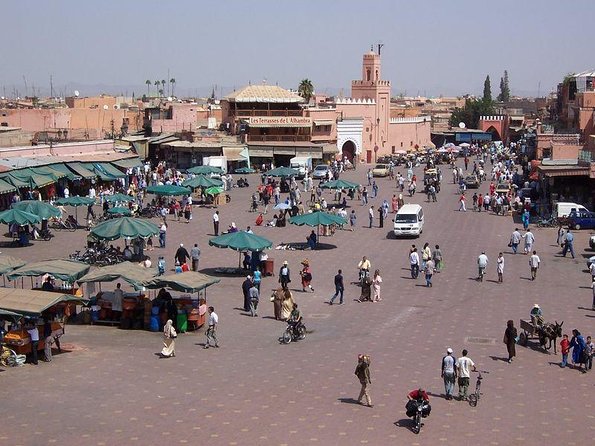
The pickup time is 8:00 a.m. at Hôtel Restaurant Café de France beside Jemaa el-Fnaa. Depending on the arrangement, pickup may be offered elsewhere, but confirm the meeting point before departure. The road quickly leaves Marrakech and climbs toward the High Atlas.
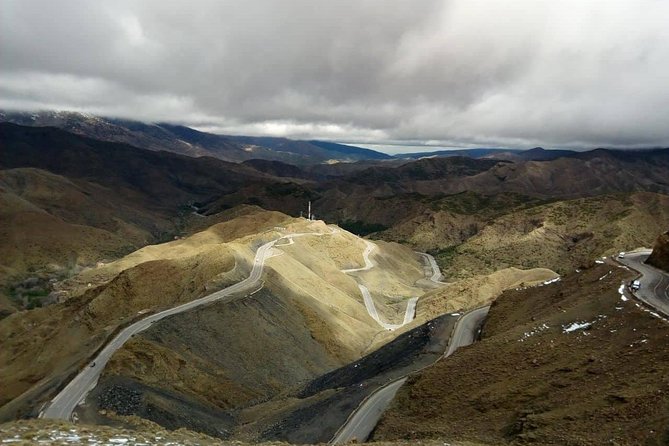
The mountain crossing is one of the best parts of the first day. You pass villages, high passes, and changing views as the road winds south. Motion sickness is possible on this section, so sit near the front if you are prone to it. One passenger with car sickness found the front seat and the driver’s steady pace helpful.
Aït Benhaddou gives you a strong sense of southern Morocco’s old architecture. This fortified settlement, or ksar, is built from earthen-colored walls and has been used as a setting for films. You can explore with a local guide, take photographs, and learn how the settlement fits into the old caravan routes.
The route also includes Ouarzazate and the Valley of the Roses. Atlas Studios is one of Africa’s largest film studios and is part of the advertised sightseeing route, but the amount of time spent there can depend on group interest. If studios are not a priority for you, that flexibility can help preserve time for the kasbahs and mountain scenery.
The first night is usually at a riad or kasbah-style property along the desert route. The quality described for this overnight stop includes clean, spacious rooms, good views, and dinner such as lamb tagine. Treat this as a welcome rest after the mountain crossing, not merely a place to sleep.
Road conditions and weather can alter the plan. Snow on the Tichka Pass has caused major delays in the past, and a closed pass can mean losing time at Aït Benhaddou or spending much of the day in the vehicle. Morocco’s mountain roads are beautiful, but they do not run on a rigid timetable.
Day 2: Todra Gorge before the Sahara
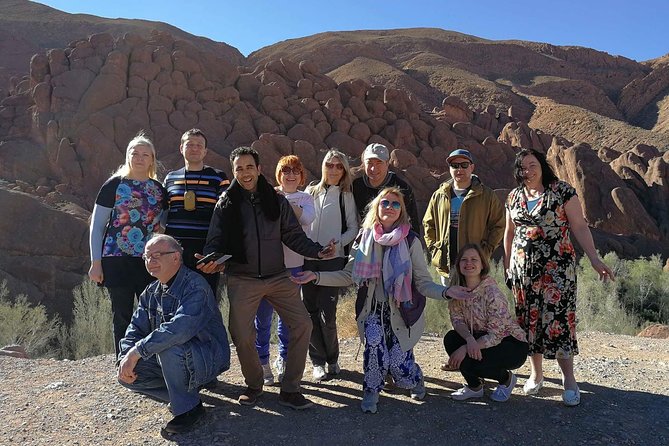
Day 2 moves toward the desert through some of the most striking scenery in southern Morocco. The route includes Todra Gorge, where tall rock walls press close around the road and walking area. A stop here breaks up the drive and gives you a chance to stretch your legs in a dramatic setting.
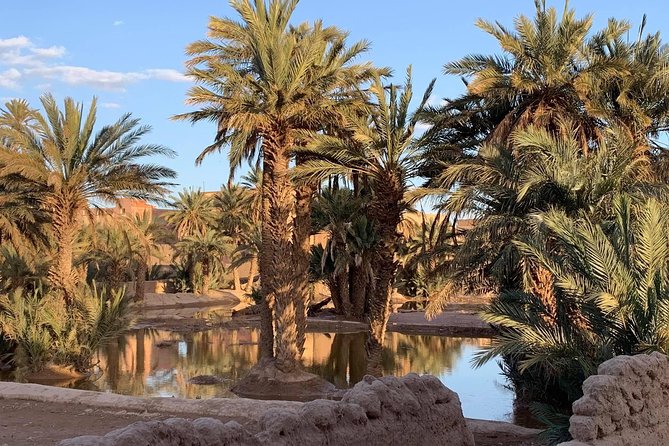
You may also pass oasis areas, small villages, and communities connected with Berber culture. This is where a good guide matters. Moha, Khalid, Ibrahim, Youssef, and other guides assigned to this departure have been praised for explaining local customs, languages, village life, and regional history while keeping the schedule flexible.
The road eventually reaches Merzouga and the Erg Chebbi dunes. This is the point where the tour changes character. Leave your main luggage in the secured storage arrangement at the hotel bordering the desert and carry a small backpack or overnight bag. Your belongings will be carried on the camel, so lighter is much better.
The camel ride lasts about an hour according to the planned program, though some departures have taken closer to 90 minutes each way. Mounting and dismounting can be awkward, and your legs may feel the ride afterward. Wear practical clothing and do not pack anything you cannot manage easily from a camel saddle.
The best timing is near sunset. The dunes soften into long ridges and shadows, and the slow pace gives you time to watch the desert change color. Sandboarding may be available at the camp, as one departure included it, but do not assume it is guaranteed on every date.
At the bivouac, you sleep in a traditional Berber tent. The word luxury can mean different things here, so set your expectations correctly. The camp has been described as comfortable, with good food, music, singing, dancing, and a welcoming team, but it remains a desert camp rather than a city hotel.
Dinner is included, as is breakfast the next morning. After dark, the open sky is a major reason to choose this trip. If the moon is low and the weather is clear, you may see a fine spread of stars. Some camp evenings also include shisha and conversation around the fire.
Bring warm layers. Desert temperatures can drop sharply before sunrise, and gloves are useful for the early camel ride. The scarf supplied with the tour helps with sun, dust, and cold, but it should not replace a warm jacket in winter or on a chilly morning.
Day 3: Sunrise, camels, and the long road home
The desert morning begins early. You may ride back toward the hotel after sunrise, when the light is gentle and the dunes are less harsh. This second camel journey is a lovely close to the desert portion, but it can also be uncomfortable if your legs are sore from the previous evening.
Once back at the hotel, the group begins the return drive to Marrakech. This is the day to plan around reality, not hope. The drive lasts about 9 to 10 hours with stops, and you may arrive late. The vehicle is air-conditioned, and regular breaks for food, photographs, and restrooms help, but this remains a full day on the road.
The route back crosses the Atlas Mountains and ends at the original meeting point near Jemaa el-Fnaa. If you have a flight or important reservation that evening, leave a large time buffer or book the tour earlier in your Morocco stay. The tour ends back at the departure point, not at a separate desert destination.
The return leg can feel long, yet it lets you see southern Morocco in one continuous journey. A careful driver makes a real difference here. Youssef, Ibrahim, Hassan, Amar, and Moha have each been praised in different departures for safe driving and conversation, but you cannot select a particular person unless the operator confirms that request.
Same base, a different sort of day:
- Marrakech: Agafay Desert Quad Biking Tour with Dinner-Show
★ 4.8 · 16,569 reviews - Marrakech: Atlas Mountains, Ourika Valley, Waterfall & Lunch
★ 4.8 · 15,834 reviews - From Marrakech: 3-Day Merzouga and Sahara Desert Tour
★ 4.9 · 15,308 reviews - Berber villages : Atlas Mountains Day Hike from Marrakech
★ 5.0 · 14,007 reviews
Guides, vehicles, and group size
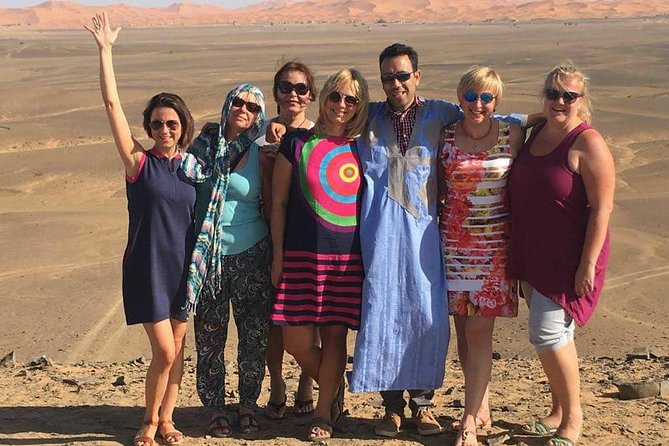
The maximum group size is 15 people, but departures can be far smaller. Groups of three to five have been described as almost private, with room for questions and occasional changes to the stop schedule.
The driver may also act as your guide, or a separate guide may join the trip. English ability and guiding style can vary by departure, even though several assigned guides speak fluent English and have been praised for explaining Moroccan and Berber culture. If language matters to you, state your preference when booking.
The vehicle is air-conditioned and has been described as clean, modern, and comfortable. That matters on a route with long hours in the car. Still, comfort does not erase distance. You should be happy looking out of a window for much of the day and willing to share the ride with a small group.
Frequent stops are part of the design. You can pause for photographs, lunch, drinks, and restrooms, and some departures have arranged visits to local people or shops. The scarf stop may include photographs in traditional clothing. Some people enjoy this cultural photo opportunity; others find it staged or uncomfortable. You can politely decline if it is not your style.
Food, lodging, and what to pack
Two dinners and two breakfasts are included. Lunches and beverages are not, so budget separately for roadside meals and water. Vegetarian food is available if you request it when booking.
The first overnight stay is generally the more conventional one, with a riad or kasbah-style property, views, clean rooms, and a substantial Moroccan dinner. The second is the memorable one: a tent in the desert, with camp food and evening entertainment.
Pack a small overnight bag with:
- Warm layers, especially for the desert morning
- Gloves for the early camel ride
- Comfortable trousers and sturdy shoes
- Water and money for lunches, drinks, and restroom stops
- Any medication you need for winding roads
- A phone charger and only the essentials for the bivouac
Your larger luggage can travel with you in the vehicle, while the bulk is stored and secured at a hotel bordering the desert. The small-bag rule is mainly for the camel section.
Who should book this three-day route?
I would choose this tour if you have limited time in Morocco and want the Sahara experience without planning several separate transfers. It suits first-time visitors who want a broad view of the country: mountain passes, kasbahs, a gorge, villages, a camel ride, and a desert night.
It also works well for solo travelers who prefer company and organized transport. The small group can make the long drive more social, and the guide can help with questions and practical details along the way.
I would be cautious if you have back problems, dislike camel riding, struggle with winding roads, or need a relaxed schedule. The camel ride is not extreme, but it can leave you stiff. The road time is the larger issue. You spend much of the first and third days traveling, and bad weather can add delays.
If you can spare four days, a longer version would give you more breathing room. This three-day departure is a concentrated route, not a slow stay in the Sahara.
Should you book it?
Book it if your priority is to reach Erg Chebbi from Marrakech and you want the major sights handled in one package. The strongest reasons are the small-group format, caring guides, comfortable first-night lodging, included dinners and breakfasts, and the chance to sleep in a desert camp after riding a camel across the dunes.
Skip it if you want to linger in each place or if a 9 to 10 hour return drive sounds miserable. For the right person, $450 is fair value for the distance, lodging, transport, meals, guide service, and desert arrangements. Just approach it as an ambitious three-day road journey with a spectacular desert finale, not as three easy days of relaxation.
Free cancellation is available up to 24 hours before the 8:00 a.m. start time. Changes or cancellations inside that window are not refunded.
FAQ
Where does the tour start?
It starts at Hôtel Restaurant Café de France, beside Jemaa el-Fnaa on Rue des Banques in Marrakech. The stated departure time is 8:00 a.m.
Where does the tour end?
The tour returns to the original meeting point near Jemaa el-Fnaa in Marrakech.
How long is the return drive on Day 3?
The drive back to Marrakech takes about 9 to 10 hours with stops.
Is the camel ride included?
Yes. The tour includes a camel trek across the Erg Chebbi dunes to the desert bivouac camp.
What meals are included?
Two dinners and two breakfasts are included. Lunches and beverages are not included.
Can I request vegetarian food?
Yes. A vegetarian option is available, but you should request it when booking.
How much luggage should I take to the bivouac?
Bring a small bag or backpack for the overnight desert stay because it will be carried on the camel. Larger luggage can travel in the vehicle and be stored securely at a hotel bordering the desert.
Just added in Marrakech
- Quad Ride In The Agafay Desert★ 5.0 · 39 reviews
- Quad Biking Agafay desert★ 5.0 · 20 reviews
- Marrakech: Tailor-Made City Tour With Your Own Private Guide★ 4.9 · 236 reviews
- Surf Training and Lunch on Essaouira Day Trip from Marrakech★ 4.9 · 51 reviews
- Essaouira: Surf Trip from Marrakech★ 4.9 · 31 reviews
- Marrakech palm grove: Sunset camel ride★ 4.8 · 194 reviews
- Marrakech : Agafay Desert Sunset Camel Ride & Luxury Dinner★ 4.3 · 39 reviews
- Marrakech: Sunrise Desert Tour with Camel Ride and Breakfast★ 4.4 · 36 reviews
Tours in Marrakech, compared.
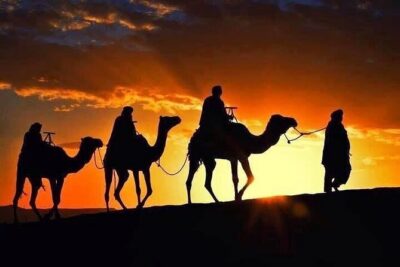
Agafay Desert Sunset, Camel Ride, and Dinner Show
Read our review →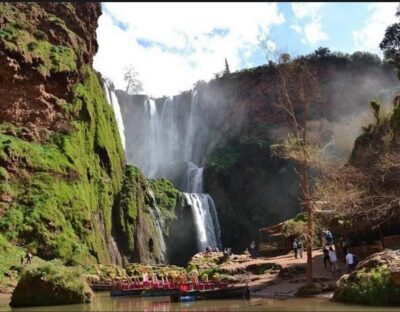
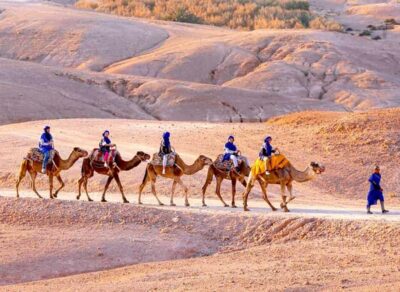
Agafay Desert Quad & Camel Rides with Dinner Show
Read our review →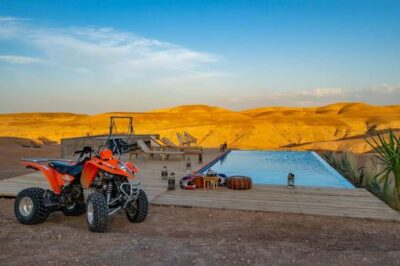
Agafay Desert Quad Biking Tour with Dinner-Show
Read our review →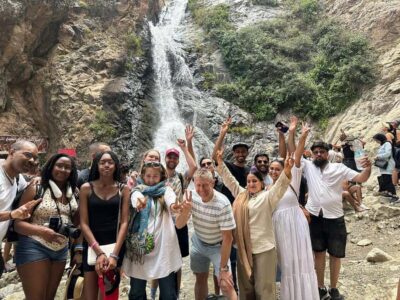
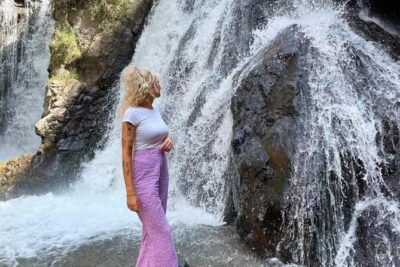
Atlas Mountains, Ourika Valley, Waterfall & Lunch
Read our review →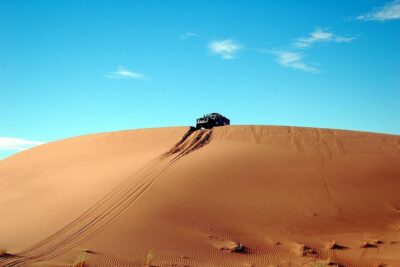
Berber villages : Atlas Mountains Day Hike from Marrakech
Read our review →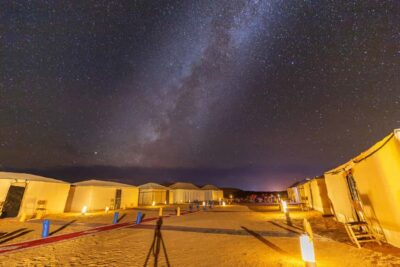
Browse the lists this tour appears in