
Reviewed · WALKING TOURS
Fez: Walking Tour in the Ancient City of Fez
Fez is easiest to understand from the inside out, and this walk takes you straight into its maze of lanes, old schools, workshops, shrines, and market squares. Guide Mustafa explains the city’s past while helping you make sense of a place that can feel confusing at first. I especially like the stop at Bou Inania Madrasa and the chance to see leather-making and other crafts in person.
I also like the tour’s clear focus on history, with no pressure to buy from the artisan workshops. The main consideration is the pace and terrain: three hours on foot through narrow streets calls for good shoes, modest clothing, and attention to the meeting point, which may vary by booking.
Key points at a glance
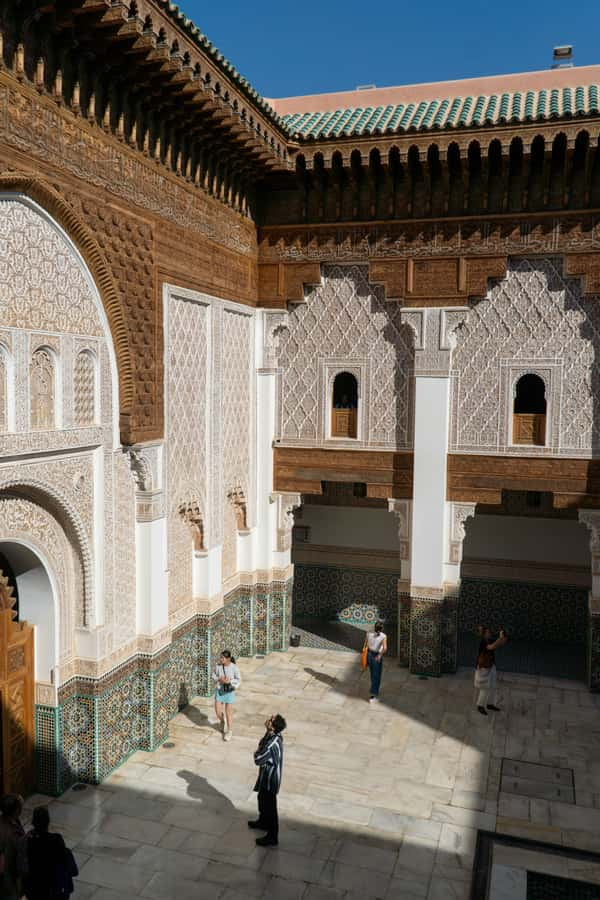
- See Fez’s famous religious school: Bou Inania Madrasa provides one of the tour’s strongest architecture stops.
- Learn the medina’s layout: Mustafa explains street signs, quarters, landmarks, and practical ways to find your way around later.
- Watch traditional crafts: The tanneries and artisan workshops show how leather and other goods are made, without a required purchase.
- Cover a lot in three hours: The route links madrasas, shrines, squares, workshops, and old civic buildings.
- Finish at R’cif Square: The ending point leaves you in a useful part of the medina for further exploring on your own.
Why this Fez walk is useful on your first day
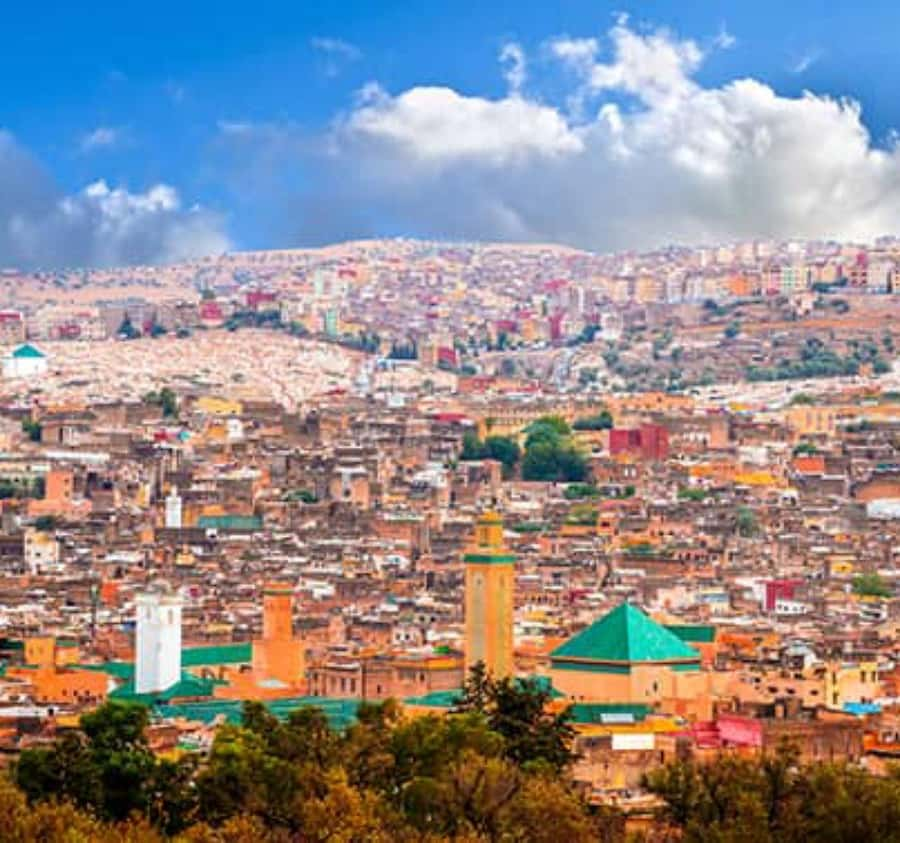
Fez’s old medina is not a place you casually cross from one end to the other. Its lanes turn sharply, names are not always easy to spot, and the difference between a historic school, a shrine, a workshop, and a residential quarter is not obvious at first glance.
That is why I would take this tour early in a Fez stay. Mustafa does more than point out old buildings. He explains how the medina is arranged and shares practical tips for returning to places after the tour. Several people who took the walk found it especially helpful for finding their way around afterward, which is one of the most useful things a guide can offer here.
The meeting point is listed at Batha Bus Stop, with the exact arrangement able to vary depending on the option booked. Confirm the details before leaving your riad. The walk begins at 10:30 AM in the described schedule and ends at R’cif Square after about three hours.
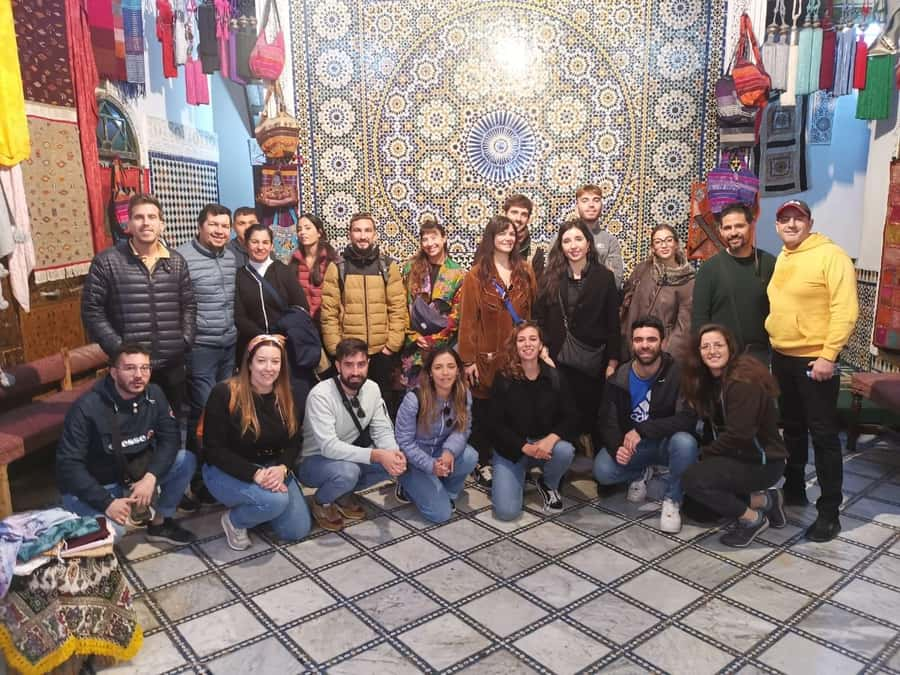
This is a general group tour rather than a private walk. That keeps the $28 price reasonable, but the guide may need to explain in more than one language. Mustafa has led tours in English, Italian, and Spanish, and has been praised for keeping the explanations clear and welcoming when working across languages.
Other walking tours in Fez people book:
- Explore Fes: Unforgettable Guided Walking Tour of the Medina
★ 4.7 · 1,339 reviews - Exclusive Fez Medina Walking Tour with Private Guide
★ 5.0 · 392 reviews - Fez: Guided Walking Tour of the Historic Medina
★ 5.0 · 359 reviews
Bou Inania Madrasa and the art of Fez
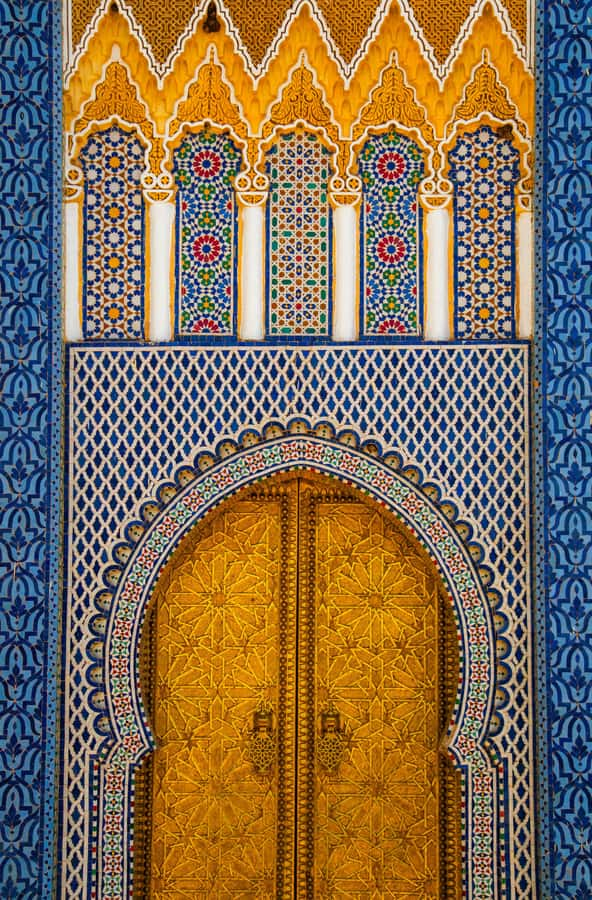
The route reaches Bou Inania Madrasa, one of the city’s essential architectural sights. A madrasa is a school connected with Islamic learning, and this one is known for its detailed tilework and careful decoration.
You can look at the building as a pretty stop, but the guide’s explanation gives it more meaning. Details that might blur together when you walk alone become clues to Moroccan craftsmanship and religious design. The madrasa is a good example of why a walking tour works well in Fez: you are close enough to notice materials, patterns, and small architectural details.
The route also includes Al-Attarine Madrasa. Entry there is optional and costs extra, so you should decide how important interior architecture is to you before the tour. If you enjoy historic buildings, this may be worth adding. If you are watching your budget or already plan to visit several paid sites, you can keep to the main walk.
The tour also points out the Mosque and Mausoleum of Moulay Idriss and the Mosque and Mausoleum of Sidi Ahmed Tijani. These are religious sites, so modest clothing is a sensible choice. Cover your shoulders and knees, and remember that the role of the guide may be to explain the site from the appropriate visitor area rather than provide unrestricted access.
The tanneries: Fez’s most memorable working tradition

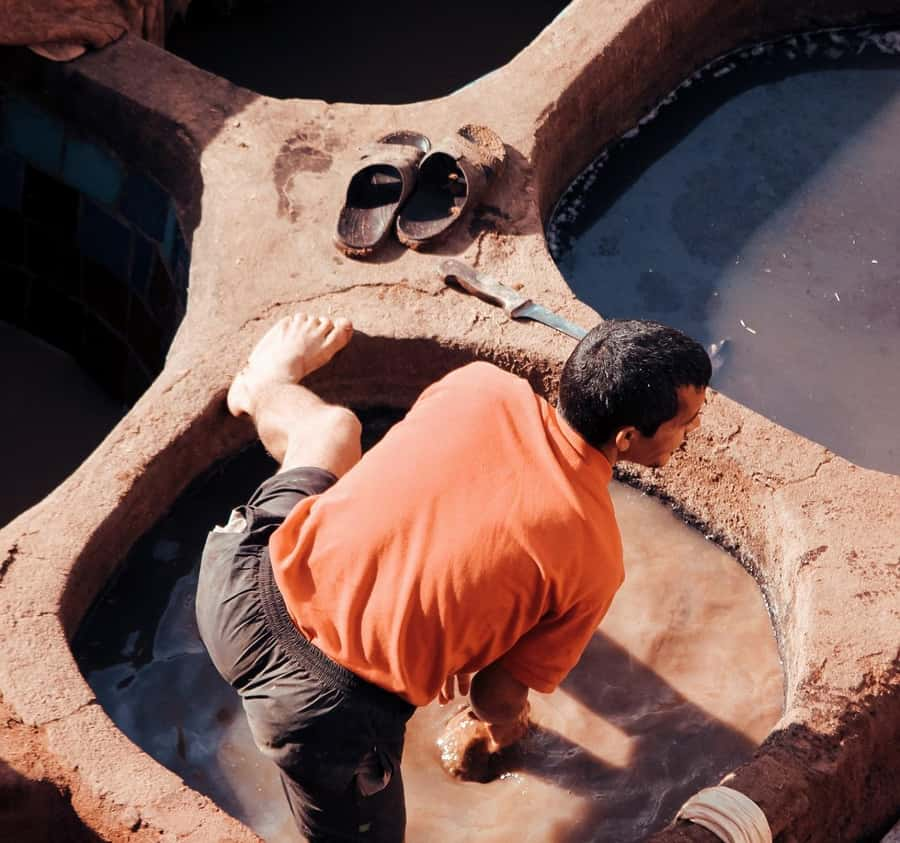
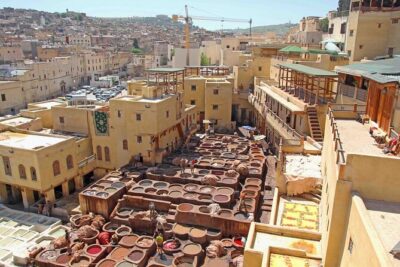
The tanneries are likely to be one of the most striking parts of the route. Here you can see leather-making as a working craft, with hides processed and dyed in the old way. The colored dyeing vats make the scene instantly recognizable, but the real value is understanding the labor and skill behind the finished leather goods.
This stop can also be intense. The sights and smells are part of an active craft district, not a polished museum display. If you have a sensitive nose, be prepared. The tour description does not promise a special viewing platform or a particular tannery, so the exact view may depend on conditions and the route on the day.
The walk also includes the School of Tanners and the School of Cooks. These names give you a sense of how the medina once organized trades and training around specialized quarters. Mustafa’s explanations help connect these places instead of treating them as unrelated photo stops.
An important practical point: seeing the tanneries does not mean you must buy leather. The tour is designed to avoid pressure to purchase, although shops near major sights may still be part of the surroundings. You can listen, watch the work, and move on.
Artisan workshops without the sales pressure
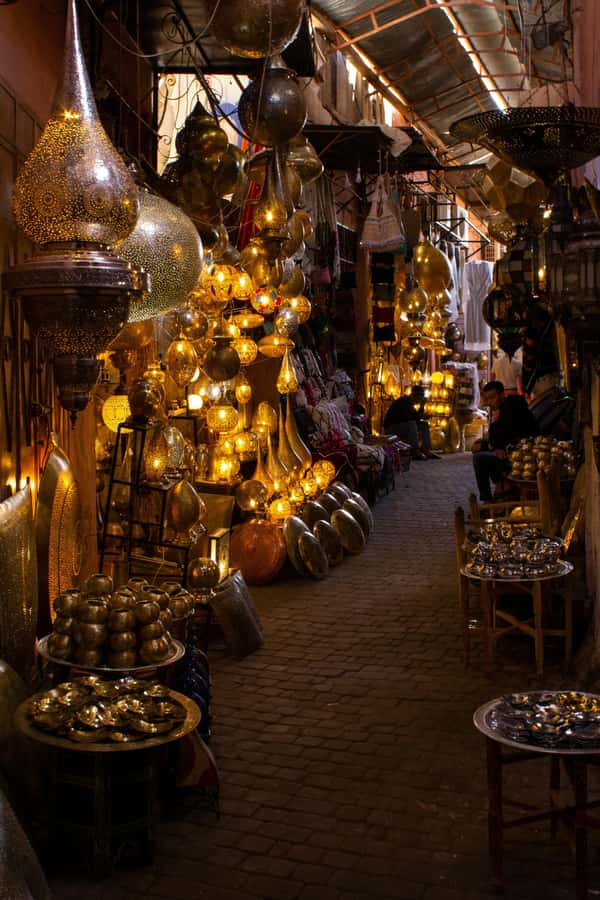
Local workshops are included so you can watch traditional crafts being made. The exact products can vary, but the route is designed to explain the steps behind the work rather than simply show you a shop window.
That distinction matters. In many historic medinas, a stop at a cooperative can quickly become a sales visit. Here, the stated focus is historical, and you are not required to purchase anything. One useful account of the walk describes visits to cooperatives where the guide explained how products were made without making the group feel obliged to buy.
Still, keep your expectations realistic. You will be walking through commercial parts of the medina, and shops near landmarks are normal. If you enjoy browsing, you can ask Mustafa where to return later. If you want a strictly noncommercial walk, you may find the occasional shop stop less appealing, even if there is no hard sell.
I like these workshop visits because they make Fez feel like a living city rather than a collection of old façades. The crafts are not just decorative souvenirs. They help explain why the medina developed into a network of specialized streets and working quarters.
Other guided walks in Fez:
- Fez Medina 4-Hour Guided Walking Tour
★ 4.5 · 248 reviews - Private walking tours Fez Medina
★ 4.5 · 164 reviews - Half-Day Private Guided Walking Tour Of Fez Medina
★ 5.0 · 136 reviews - Private Guided Walking Tour in Fez Medina
★ 5.0 · 117 reviews
Woodworkers, Nejjarine, and the old civic quarters
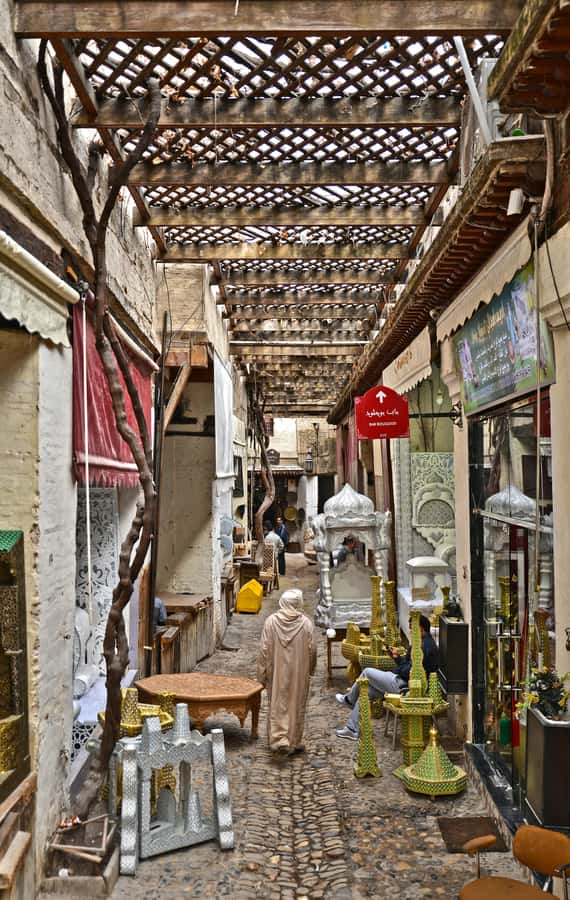
The Museum of Woodworkers and Foundouk Nejjarine add another side of Fez’s craft culture. A foundouk was traditionally a place associated with merchants, storage, and trade, and Nejjarine is one of the city’s notable historic buildings.
The route gives you a look at the connection between architecture and work. A stop at a museum or old foundouk is useful after the tanneries because it broadens the picture beyond leather. You get a sense of how wood, transport, trade, and skilled labor fit into the city’s daily life.
The tour also passes Dar Dheb and Seffarine Square. Seffarine is especially useful as a point of orientation because it is a recognizable open space within the maze of lanes. The sound and activity of metalwork associated with the square can make it feel very different from the quieter madrasas and shrines.
Do not expect a museum-style tour with long indoor visits at every stop. The experience is mainly a guided walk, and some places are viewed from outside or discussed as part of the route. The strength is the sequence: Mustafa links places together so the city’s quarters begin to make sense.
Moulay Idriss, Sidi Ahmed Tijani, and local religious life
The Mosque and Mausoleum of Moulay Idriss and the Mosque and Mausoleum of Sidi Ahmed Tijani introduce the religious side of Fez. These places matter because the medina is not only a historic district for sightseeing. It remains tied to worship, learning, family life, and local routines.
A guide is particularly valuable around religious buildings. You can learn why a place matters without relying on guesswork, and you are less likely to wander into an area that is not intended for casual visitors. Dress modestly and follow Mustafa’s instructions.
The Kairaouine Mosque and University is also included in the experience description as a cultural and historical site. The wording indicates access connected with the tour, but it is wise to confirm exactly what areas are open to your group when booking. The tour’s value here is the context: this institution is one of the key places for understanding Fez as a center of learning and religion.
These stops may appeal most to people who want more than a food-and-shopping walk. If your priority is architecture, local traditions, and the city’s religious character, this part of the route adds useful depth.
From Batha Bus Stop to R’cif Square
The route begins near Batha Bus Stop and ends at R’cif Square. Those two points frame a walk through much of the old medina, and the ending location is practical because you can continue exploring after the guide says goodbye.
A three-hour route sounds manageable, but Fez’s narrow lanes can make the walk feel busy and demanding. Wear closed-toe shoes with good grip. There may be uneven paving, tight passages, and frequent stops while the guide explains a building or local custom.
The tour is not designed as a slow photography stroll. You will see many sites in a limited time, so the route has to keep moving. That said, the pace has been described as steady and well judged, without making the group feel rushed. Mustafa has also received praise for offering restaurant and sightseeing suggestions for later in the day.
The timing works well for an arrival-day orientation, but you should think about the season. Fez can be chilly in winter, so layers are useful. In warmer weather, bring water and dress comfortably while still covering shoulders and knees.
What $28 gets you
At $28 per person, this is good value if you want a broad introduction to Fez with a licensed guide. The price covers about three hours of guiding, the historical route, and explanations at major landmarks and artisan areas. It does not cover transportation to the meeting point, meals, refreshments, personal purchases, or the optional Al-Attarine Madrasa entry.
The real value is not the number of buildings checked off. It is the orientation. If Mustafa helps you understand the medina well enough to return to a square, find a workshop, or recognize a quarter later, the walk can save time and frustration during the rest of your stay.
You should compare it with a private guide if you want a very slow pace or control over every stop. A group tour cannot offer that same flexibility. On the other hand, a private tour will generally cost more, and this walk already covers a large amount of ground at a modest price.
The experience has a 4.8 out of 5 rating from 73 reviews, with repeated praise for Mustafa’s explanations, professionalism, kindness, pacing, and local advice. The most consistent strength is clear guidance through a difficult-to-navigate medina.
Who should book this walk?
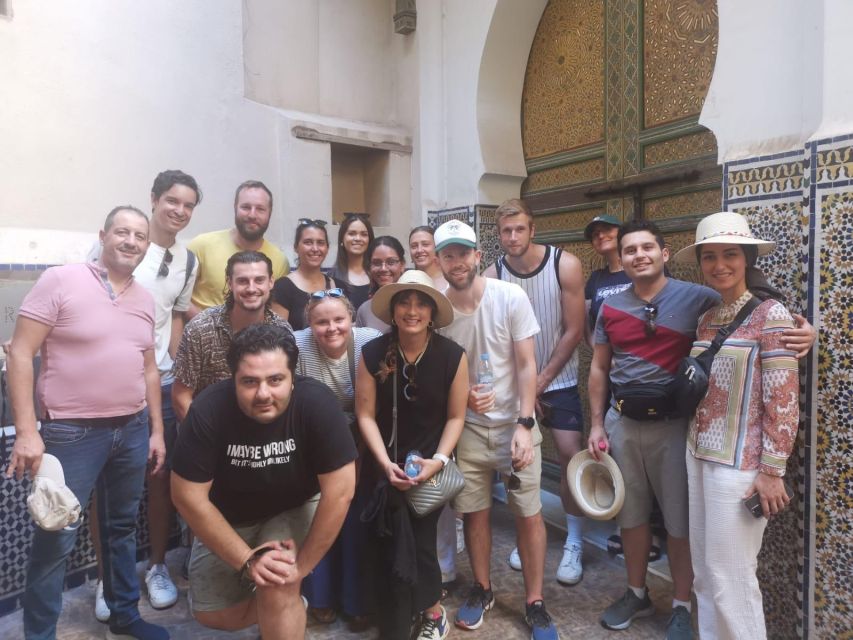
I would recommend it to first-time visitors who want a useful introduction before exploring Fez alone. It also suits history fans, architecture enthusiasts, and anyone who prefers learning about crafts instead of spending the morning shopping.
The walk is less suited to anyone who dislikes uneven streets, group tours, or a busy itinerary. You should also think twice if you want long interior visits at every landmark, since this is primarily a walking and explanation-based experience.
Families and older visitors should consider the three-hour duration and narrow streets carefully, though the stated pace is steady rather than rushed. Anyone with limited stamina may prefer a shorter or private arrangement, but no accessibility details are provided, so you should ask before booking.
Languages are English, Italian, and Spanish. Mustafa has been praised for making explanations work for groups using different languages, including adding humor and details for both language groups.
Practical tips before you go
Meet at the confirmed Batha Bus Stop location and check your booking for any change in meeting arrangements. The tour finishes at R’cif Square, not necessarily back where you started, so plan your next stop from there.
Wear comfortable closed-toe shoes and clothing that covers your shoulders and knees. A small bottle of water, a light layer in winter, and room in your schedule for a little browsing afterward are sensible additions.
If you want to visit Al-Attarine Madrasa inside, carry money for the extra entry fee. If you do not want to shop, say so politely and enjoy the explanations at the workshops without feeling responsible for buying anything.
Free cancellation is available up to 24 hours before the start time, and you can reserve now and pay later. The tour is about three hours, but confirm the current starting time when you check availability.
Should you book the Fez walking tour?
Book this tour if you want Fez to become easier to read. Mustafa’s strongest contribution is practical: he puts the medina’s buildings, quarters, crafts, and religious sites into a clear order, then gives you tips for returning on your own.
At $28, it is a sensible choice for a first look, especially if you value history and local context more than shopping. Just wear proper shoes, dress respectfully, prepare for a group walk, and treat the optional madrasa entry as an extra decision rather than part of the base price.
FAQ
How long is the Fez walking tour?
The tour lasts approximately three hours.
What is the tour price?
The price is $28 per person.
Where does the tour begin?
The described meeting point is Batha Bus Stop. The meeting point may vary depending on the option booked, so confirm the details before you go.
Where does the tour finish?
The route concludes at R’cif Square. A listed drop-off location is Sandwich du Hamid at 327G+2X9 in Fes.
Which languages are available?
The live guide service is available in English, Italian, and Spanish.
Is the tour private?
No. It is a general group tour, so you will likely join other people.
Is entry to Al-Attarine Madrasa included?
No. Al-Attarine Madrasa entry is optional and requires an additional fee.
Are meals and drinks included?
No. Meals, refreshments, and personal expenses are not included.
Do I need to buy anything at the workshops?
No. The tour is focused on history and culture, and you are not required to purchase anything.
What should I wear?
Wear comfortable closed-toe shoes for the walk and clothing that covers your shoulders and knees, particularly around religious sites. Layers are recommended in winter because Fez can be chilly.
Just added in Fez
- Fes to Chefchaouen Day Trip★ 5.0 · 20 reviews
- FES TO Chefchaouen Day Trip- luxury Private Tour★ 5.0 · 49 reviews
- Fes to Volubilis, Moulay Idriss and Meknes Private Day Trip★ 5.0 · 92 reviews
- Fes to Middle Atlas Private Day Trip★ 5.0 · 48 reviews
- walking day : private excursion in the ancient city of Fez★ 5.0 · 27 reviews
- Private Guided Tour in Fez Medina★ 5.0 · 94 reviews
- Volubilis and Meknes day trip from Fez★ 4.5 · 17 reviews
- Tour guide in the old city of Fez★ 4.0 · 18 reviews
Walking Tours, compared.
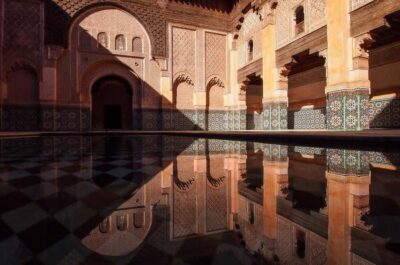
Ben Youssef, Secret Garden, & Souks Walking Tour
Read our review →
Explore Fes: Unforgettable Guided Walking Tour of the Medina
Read our review →
Exclusive Fez Medina Walking Tour with Private Guide
Read our review →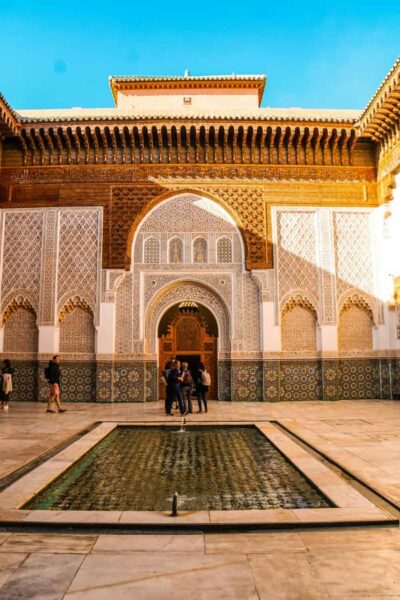
Morning Casablanca: The Medina and Beyond Cultural Walking Tour
Read our review →Browse the lists this tour appears in