
Reviewed · ATLAS MOUNTAINS DAY TRIPS
Climb Toubkal: 2-Day Atlas Trek with Local Berber Guide
Mount Toubkal rises to 4,167 meters, making this a serious high-mountain outing rather than a scenic stroll near Marrakech. In two long days, you travel from the Berber village of Imlil to the Toubkal Refuge, climb through rocky Atlas terrain before dawn, and return to the valley.
I like the local Berber guidance, especially the way Houssain, also called Hussein by some guests, explains village life and mountain customs along the way. I also like the practical setup: a mule carries heavy bags, cooks prepare filling local meals, and equipment such as crampons, headlamps, and sleeping bags can be rented if needed.
The catch is simple: the second day is tough. You may climb about 1,000 meters in the dark, reach the summit, and then descend roughly 2,500 meters to Imlil, with around 8.5 hours of walking. Poor sleep at the refuge, cold, snow, and quickly changing weather can make the outing much harder than the two-day label suggests.
Key points to know before booking
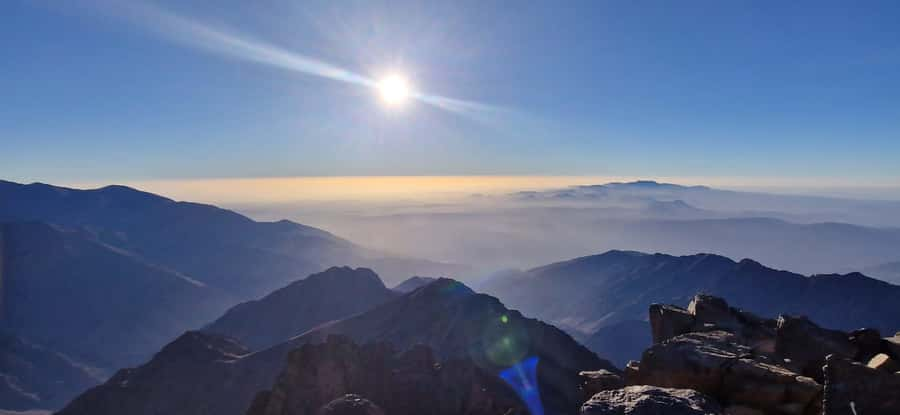
- A real summit attempt: Mount Toubkal reaches 4,167 meters, and the climb requires stamina, sure footing, and preparation.
- Imlil is the starting point: Your ride from Marrakech takes about 90 minutes before the walk begins.
- Local guide Houssain leads the way: He speaks English, French, Arabic, and Spanish, and brings useful knowledge of Berber culture and mountain conditions.
- Mule and cook support reduce the load: Your larger luggage can be carried or stored, while meals are provided during the trek.
- Winter changes the climb: Snow and ice can require crampons, and gear is available to rent locally.
- The refuge is basic: Expect shared sleeping quarters, limited sleep, and the need for warm clothing and possibly earplugs.
Why this two-day Toubkal trek is worth your time
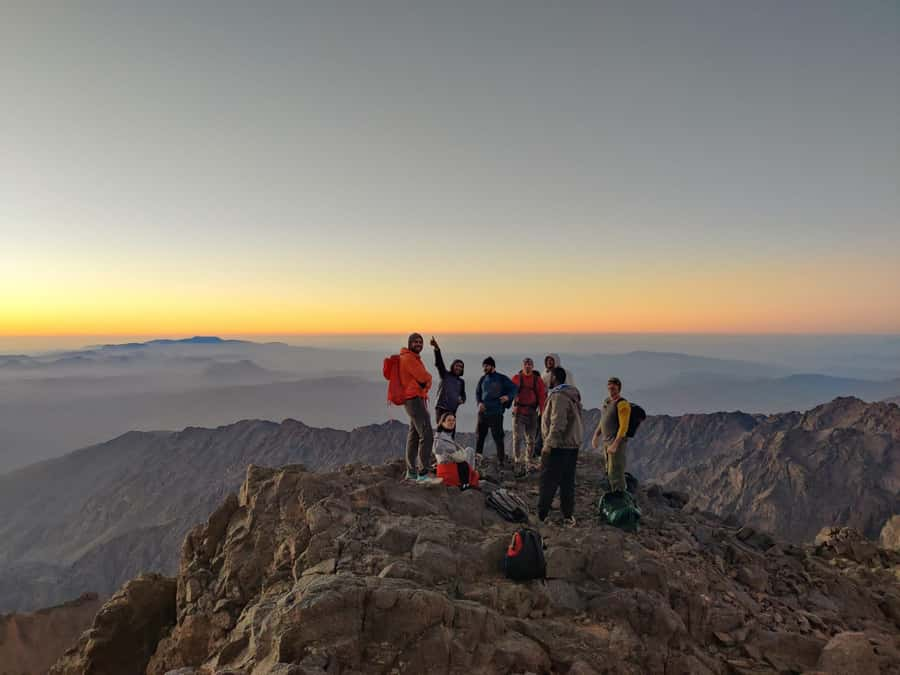
Mount Toubkal gives you a clear goal: reach the highest point in North Africa. That focus makes the outing feel more rewarding than a short Atlas Mountains walk, especially when you are standing among high peaks with wide views over valleys and ridges.
The cultural side matters just as much. The route passes through Berber villages, terraced fields, and remote valleys. You are not simply being driven to a viewpoint, taking a photo, and heading back to Marrakech. You walk into the mountains, eat food prepared for the group, sleep at a high refuge, and spend time with a guide from the region.
At $193 per person, the price is strong for what is included. Hotel or riad pickup in Marrakech, private transport to Imlil, a local guide, meals, mule support, an overnight stay, and the summit attempt are all covered. Equipment is not included, but you can rent key items locally, which helps if you arrive in Morocco without winter mountain gear.
The value is best for someone who wants the full mountain experience without arranging several separate services. The price is less attractive if you are looking for a gentle day trip or do not intend to summit. This is a demanding trek, and the included transport and support do not remove the physical work.
More of the High Atlas from the Atlas Mountains:
- Marrakesh: Ourika Waterfalls, Atlas Mountains, Guide + Lunch
★ 4.9 · 9,986 reviews - Marrakech: Atlas Mountains & Agafay Desert Tour w Camel Ride
★ 4.8 · 5,080 reviews - Marrakech: Atlas Mountains, Waterfalls, Ourika Valley +Lunch
★ 4.9 · 3,544 reviews
From Marrakech to Imlil, the mountain begins
Pickup is arranged from your hotel or riad in Marrakech, or from the nearest practical point if the vehicle cannot reach your accommodation. The drive to Imlil takes about 90 minutes, shifting you from the city to a Berber mountain village and the trailhead for Toubkal.
Imlil is more than a place to leave the car. It is the point where the trip changes pace. You meet your guide and mule team, sort your bags, and begin on foot through valleys, villages, and cultivated terraces.
Pack a daypack with water, warm layers, sun protection, snacks, and anything you need during the day. Larger luggage can remain in Imlil or go with the mule. Keeping your own pack light makes the long ascent more manageable.
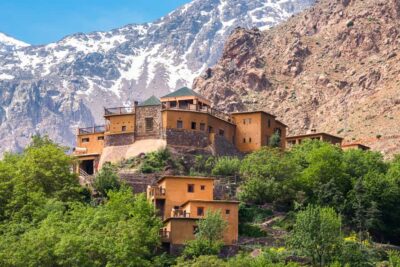
The route is not an empty wilderness from the first step. You pass traditional stone homes and see how settlements fit into the mountain valleys. Your guide can add context about Berber customs and local life, which is one of the best reasons to choose a local guide instead of treating the route as a purely athletic challenge.
Day one: the long walk to Toubkal Refuge
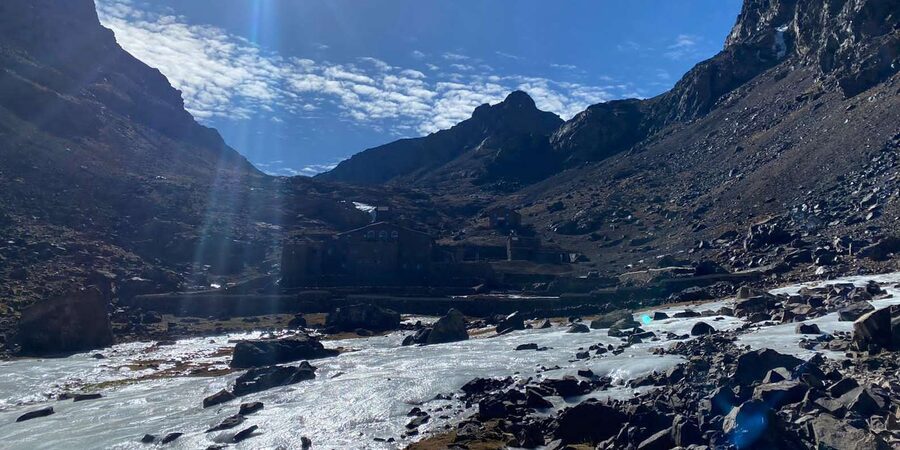
The first day leads from Imlil toward the Toubkal Refuge at about 3,200 meters. The path begins through greener valleys and village areas, then becomes more exposed and rocky as you gain height.
You stop for lunch along the route. Meals are included, and the food is designed to keep you moving rather than serve as a fancy restaurant experience. Past guests describe hearty meals, mint tea, and dinners such as beef with familiar local sides. If you have dietary requirements, tell the guide in advance. Houssain has been able to handle special food needs well.
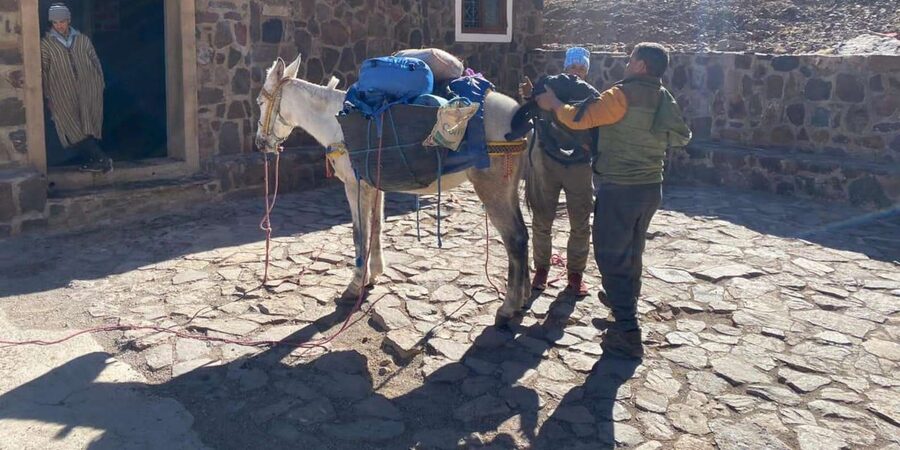
The mule carries heavy bags, which is a major practical benefit. You still carry your daypack, but you do not need to haul every layer, sleeping item, and spare garment up the mountain. A cook may also accompany the group and prepare meals along the way, depending on the arrangement for your departure.
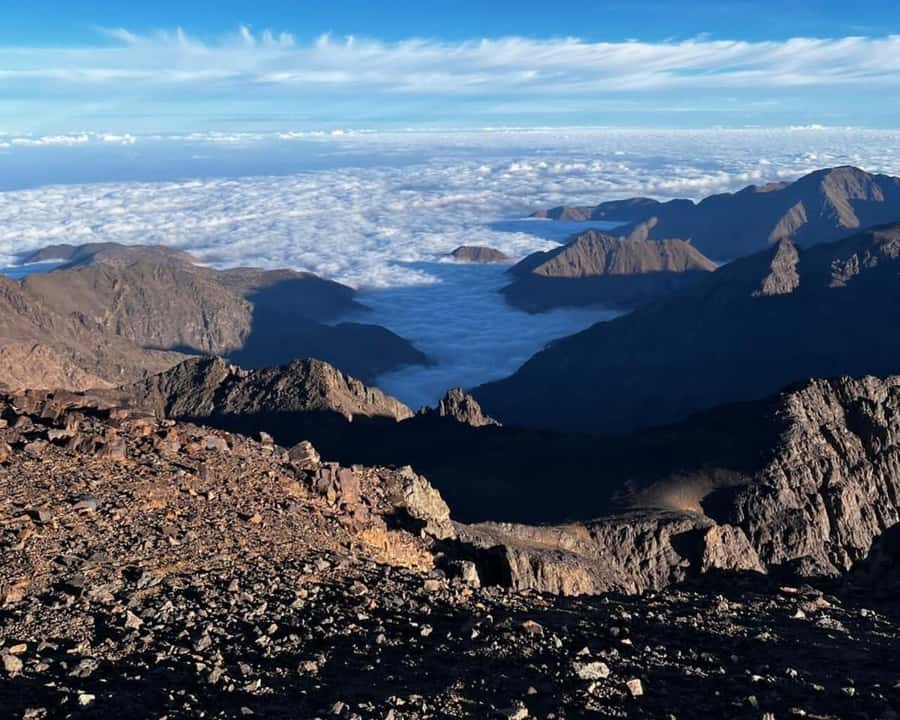
As the path steepens, the views open toward higher peaks and broad valleys. The scenery is a reward, but do not mistake the first day for an easy warm-up. You climb to 3,200 meters, and the altitude begins to matter. Walk at the guide’s pace, drink regularly, and say something if you feel unwell.
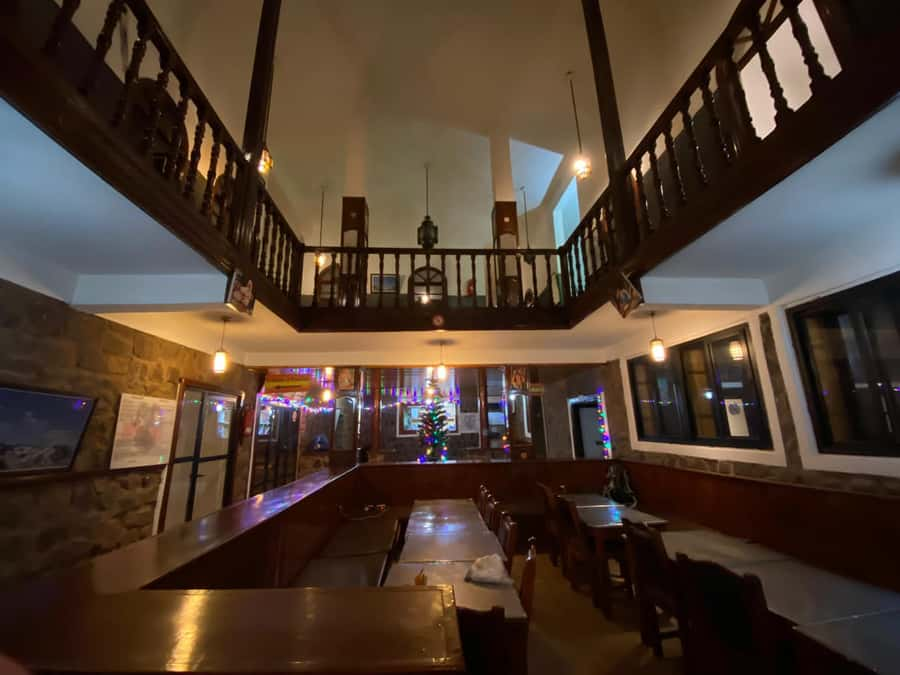
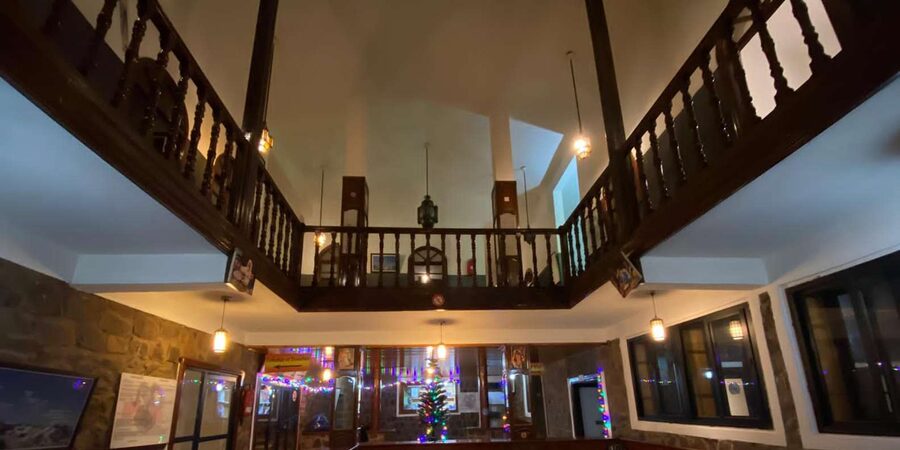
The refuge is a stone mountain building with shared bunkrooms. It offers a useful place to eat, wash, and rest, but comfort is basic. One account describes a hot shower, though facilities can vary, so you should not count on a hotel-style stay.
Sleep may be broken. Bunkrooms can be noisy, and the early start leaves little time for proper rest. Bring earplugs, keep your warm layers close, and organize your summit pack before bed. The usual morning departure is around 3 or 4 a.m., so fumbling with equipment in the dark is an avoidable nuisance.
Day two: a dark start and a hard summit push
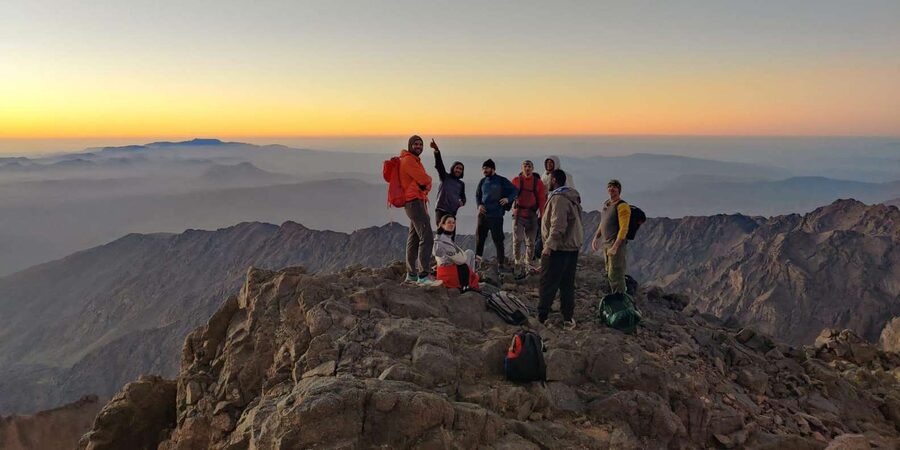
The summit day begins early because the group needs time for the climb and descent. After breakfast, you follow rocky ground toward Toubkal’s summit. Depending on the season, snow and ice may cover sections of the route.
The climb from the refuge to the summit can take several hours. One particularly demanding part is the roughly 1,000-meter ascent in darkness. The path is steep and uneven, so sturdy hiking boots and a headlamp are essential. If you forget a headlamp, rental may be possible, but arranging one beforehand is wiser.
Winter adds a serious equipment issue. Crampons are required when snow covers the peak, and you may also need suitable gloves, warm layers, and trekking poles. Do not rely on Marrakech temperatures when packing. Conditions at 4,167 meters can be bitterly cold, and one December outing recorded a wind chill of minus 30 degrees at the top.
The guide’s role is especially important here. Houssain has helped people with different ability levels and kept a steady pace for groups that included slower hikers. That does not mean you can arrive unfit and expect the guide to carry you. It means you have someone who can monitor conditions, encourage you, and make sensible decisions if the weather turns.
At the summit, you get 360-degree views across the Atlas Mountains and surrounding valleys. The achievement is physical, but the setting gives it emotional weight. You have climbed from a village near Marrakech to the highest point in North Africa, often arriving after hours of effort in the cold and darkness.
Give yourself time for photos and a rest, but do not linger carelessly. Weather can shift fast in the high mountains. Your guide decides when it is sensible to start down, and you should follow that advice even when the sky looks clear.
Same base, a different sort of day:
- Marrakech: Ourika Valley Trip with Waterfall Hike & Lunch
★ 4.9 · 5,303 reviews - Marrakech: Atlas Mountains and 5 Valleys Day Tour with Lunch
★ 4.9 · 2,242 reviews - Ourika Valley Day Trip from Marrakech with Guide & Lunch
★ 4.9 · 2,065 reviews - Marrakech: Ourika Valley Waterfalls & Atlas Mountains Trip
★ 4.9 · 978 reviews
The descent is not an easy finish
After the summit, you descend to the refuge for lunch and then continue down to Imlil. The route largely follows the way up, but the physical demands change.
Downhill walking can be hard on knees, ankles, and tired legs. The total day may reach about 8.5 hours, and the full outing has been described as roughly 40 kilometers with about 4,100 meters of total mountain gain and loss. Those figures help explain why a two-day schedule can feel more like a compact expedition than a weekend hike.
You should use trekking poles if you have them, especially on loose or steep sections. Keep water and snacks accessible, and do not burn all your energy during the summit push. The long descent still lies ahead.
Lunch at the refuge gives you a useful break before the final stretch. Once back in Imlil, your vehicle takes you to Marrakech. The day can end late and leave you very tired, so avoid scheduling a demanding city activity that same evening.
What the Berber guide adds
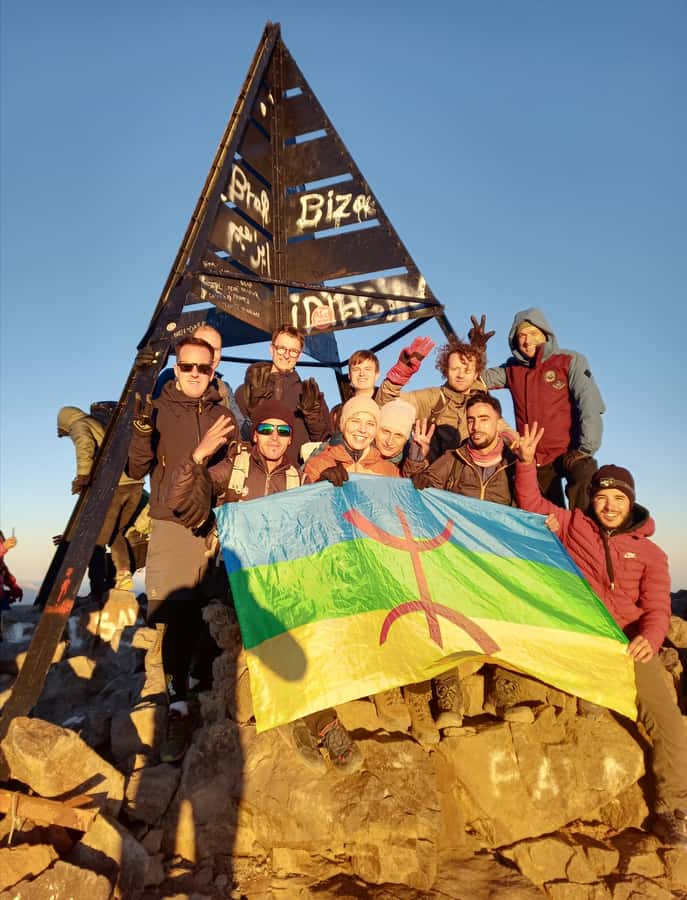
A local guide changes the character of the trip. Houssain does more than point toward the summit. He explains aspects of Berber culture and traditions, speaks several languages, and helps the group deal with practical problems such as rented headlamps or extra equipment.
That local connection is most noticeable during the first day. You pass villages and working mountain areas, and the guide can help you understand what you are seeing instead of reducing the route to a sequence of climbs and rest stops.
The guides also help balance different abilities within a group. Groups may be small and personal, though one departure had 10 hikers with two guides. If you are slower than the rest, say so early. A patient guide can help you reach the summit without turning the whole day into a race.
Still, a guide is not a substitute for preparation. The route remains steep, weather remains changeable, and altitude affects people differently. Listen closely if the guide recommends changing plans because of snow or bad conditions. Alternative arrangements may be offered when the mountain is unsafe.
Food, sleeping arrangements, and gear
All meals are included, which makes this trek easier to budget. Expect filling Moroccan and Berber-style food, mint tea, and meals prepared to support a long day of walking. You should still bring snacks, since appetite can rise quickly during a strenuous climb.
The overnight stay is at the Toubkal Refuge, not a private hotel. Shared sleeping quarters are part of the deal. Bring a sleeping bag, warm clothes, and earplugs. Even if a shower is available, you should expect a basic mountain refuge rather than comfort designed for relaxation.
The included mule is one of the trip’s most useful features. It carries larger bags for much of the trek, letting you walk with a smaller daypack. You need to protect essentials from weather and keep personal items you may need quickly with you.
Equipment is not included in the $193 price, but rental is available locally. Plan for:
- Sturdy hiking boots
- Warm clothing and spare layers
- Sun hat, sunglasses, and sunscreen
- Water bottle and snacks
- Daypack and hiking pants
- Sleeping bag
- Trekking poles
- Headlamp
- Crampons in winter or snowy conditions
Check the forecast and season before you go. Summer avoids the main winter snow issue, but high-altitude conditions can still be cold. Winter may provide a more dramatic snow climb, but it also demands better equipment and greater care.
Fitness, age, and the real level of difficulty
This trek suits fit adults who already enjoy long walks or mountain hikes. It is not suitable for children under seven, people with a low level of fitness, or people over 70 according to the stated restrictions.
You do not need to be an elite climber, but you do need endurance. The hardest combination is the early summit start, limited sleep, steep ascent, cold, and long descent on the same day. If you are slow, that is not automatically a problem. If you are unused to sustained uphill walking, however, two days may feel rushed.
Build some walking practice before arrival. Include hills if possible, and wear the boots you plan to use. Blisters, poor layering, and a heavy pack are small problems that become serious after many hours.
Altitude is another consideration. The route reaches 4,167 meters, and the itinerary gives you only one night at the refuge before the summit. If you develop serious symptoms, tell the guide immediately. A summit goal is never more important than a safe return.
Cancellation, languages, and group planning
Pickup is included from Marrakech, and the activity is offered with live guidance in English, French, Arabic, and Spanish. You can reserve now and pay later, and cancellation is available up to 24 hours in advance for a full refund.
Ask about your expected group size, equipment rental, and the current snow conditions before setting out. The experience can be intimate, but group size varies. A smaller group may offer a quieter pace, while a larger group can bring more company but may move according to a wider range of abilities.
The tour is operated by Atlas Mountains Hikes. The strongest part of the organization is the combination of local leadership, mule support, and practical help on the mountain. The main weakness is not poor service. It is the unavoidable strain of packing a high summit into only two days.
Should you book this Toubkal trek?
Book it if you want a genuine mountain challenge, enjoy walking for hours, and value local contact as much as the summit photo. The $193 cost is good when you count transport, meals, guide service, mule support, refuge accommodation, and the return ride to Marrakech.
Think twice if you want a relaxed Atlas outing, dislike shared sleeping quarters, or have little experience with steep hikes. Also be cautious about winter dates unless you are ready to rent or use crampons and carry proper cold-weather gear.
For a prepared hiker, this is a focused and fairly priced way to reach Mount Toubkal. Start training, pack lightly, bring earplugs and a headlamp, and let the local guide make the final call on mountain conditions.
FAQ
How high is Mount Toubkal?
Mount Toubkal reaches 4,167 meters, or 13,671 feet, making it the highest peak in North Africa.
How long does the trek take?
The activity lasts two days. Day one goes from Imlil to the Toubkal Refuge, and day two includes the summit attempt and the descent back to Imlil.
Is transport from Marrakech included?
Yes. Pickup from your hotel or riad in Marrakech is included, along with transport to Imlil and the return journey after the trek.
Are meals and accommodation included?
Yes. All meals are provided, and the overnight stay is at the Toubkal Refuge. Sleeping arrangements are in shared bunkrooms.
Do I need to bring all my own hiking equipment?
No. Equipment is not included, but gear can be rented locally. Crampons are required during winter when snow covers the summit. You should still bring suitable clothing, hiking shoes, a daypack, and personal items such as a sleeping bag.
Is the trek suitable for beginners?
The trek is demanding and is not suitable for people with a low level of fitness. You need to manage a steep summit climb, an early start, altitude, and a long descent. Children under seven and people over 70 are also excluded from the stated suitability guidelines.
Just added in the Atlas Mountains
- Ourika Valley, Atlas Mountains, Waterfalls & Guided Tour★ 4.5 · 39 reviews
- imlil valley atlas mountains guided walk & lunch with locals★ 4.9 · 62 reviews
- Ourika Valley Private Trip: Lunch, Guide, & Camel Ride★ 4.1 · 62 reviews
- Marrakech Day Trip to Ourika valley & Waterfalls★ 4.2 · 25 reviews
- Day Trip To Atlas Mountain and Berber Village From Marrakech★ 4.7 · 29 reviews
- From Marrakesh: Private Atlas Mountains Day Trip {5-Valleys}★ 4.9 · 59 reviews
- From Marrakesh: Day Tour to Ourika Valley & Atlas Mountains★ 4.4 · 57 reviews
- From Marrakech: Trek to Atlas Mountains, Full-Day Trip Lunch★ 5.0 · 17 reviews
Atlas Mountains Day Trips, compared.
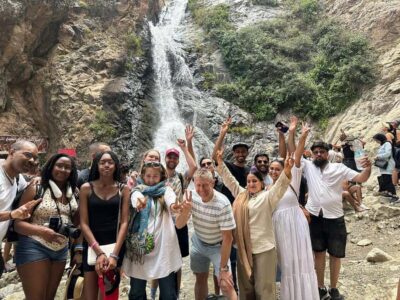
Atlas Mountains, Ourika Valley, Waterfall & Lunch
Read our review →
Berber villages : Atlas Mountains Day Hike from Marrakech
Read our review →
Ourika Waterfalls, Atlas Mountains, Guide + Lunch
Read our review →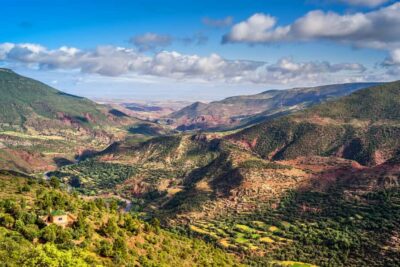
Atlas Mountains & Agafay Desert Tour w Camel Ride
Read our review →
Atlas Mountains, Waterfalls, Ourika Valley +Lunch
Read our review →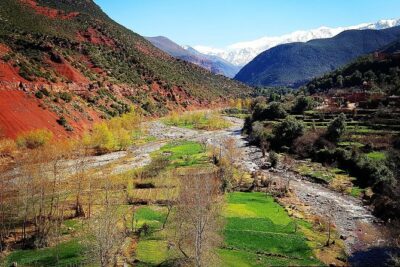
Atlas Mountains & 5 Valleys Tour from Marrakech – All inclusive –
Read our review →Browse the lists this tour appears in