
Reviewed · ZAGORA & ERG CHIGAGA DESERT TOURS
From Marrakech: 2-Days luxurious experience to Zagora Desert
Zagora gives you a fast taste of the Sahara without committing to a three-day desert journey. The best moments come close together: a sunset camel ride, dinner and Berber music by the fire, then sunrise over the rocky desert before the long road back to Marrakech.
I like two things here. First, Ait Ben Haddou adds real history before the desert spectacle. Second, the trip includes a private tent, dinner, breakfast, luggage storage, Wi-Fi, and one camel per person for only $89. The guides, including Simo, Mohamed el Qayed, Zohair, Hicham, and Houssine, are often praised for keeping the long ride friendly and organized.
The catch is the driving. You spend roughly seven hours on the road on Day 1 and another six and a half to seven hours on Day 2. Zagora is also a rocky desert, not the huge golden dunes many people picture when they hear Sahara.
Key points to know before booking
- Ait Ben Haddou comes first: Explore Morocco’s famous UNESCO-listed kasbah before crossing toward Zagora.
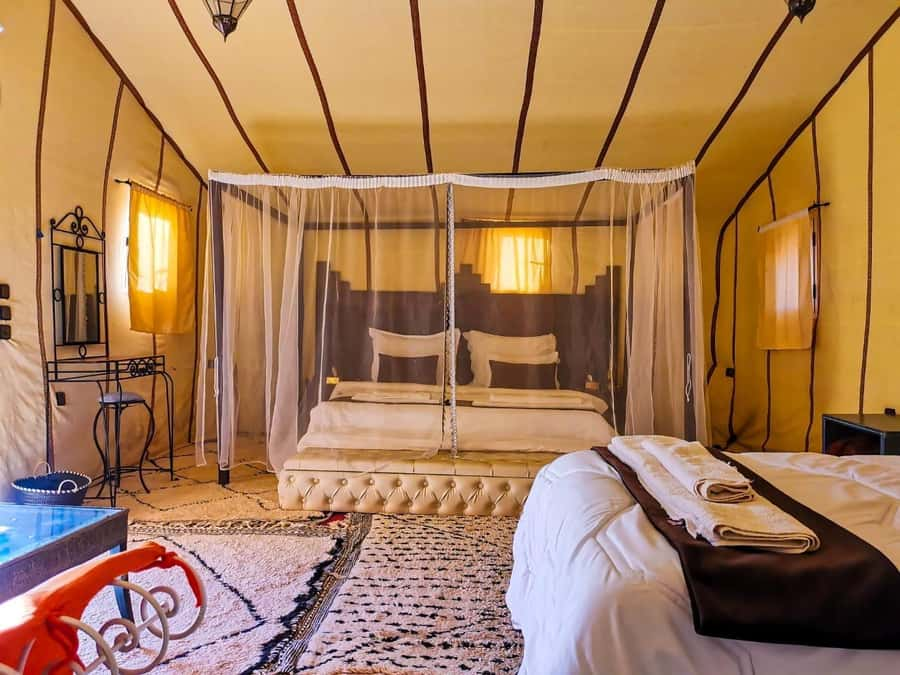
- The desert camp is simple but comfortable: Standard tents have shared bathrooms, while luxury tents include private ensuite facilities and better bedding.
- The road is part of the tour: High Atlas passes, the Draa Valley, palm groves, villages, and kasbahs fill the long transfer.
- Sunset and sunrise are the highlights: The camel ride reaches camp around sunset, and the early morning desert light is worth the wake-up call.
- Lunch costs extra: Bring Moroccan dirhams, water, sun protection, and warm layers for cold nights from November through March.
- This is a fast Sahara option: It suits you if reaching the desert matters more than spending several quiet days there.
The real appeal of a two-day Zagora trip
This tour is built around contrast. You leave Marrakech in the busy morning, climb through the High Atlas, walk among mud-brick walls at Ait Ben Haddou, pass through the long Draa Valley, and finish the day on a camel heading toward camp.
That makes the trip feel full. You see historic architecture, mountain scenery, palm-filled river valleys, and desert night skies in a short time. I like that variety, but it also explains the schedule. This is not a slow retreat into the Sahara. It is a tightly packed route for people with limited time.
At $89 per person, the price is strong for what is included. Transport with air conditioning, hotel pickup and drop-off, a driver-guide, the camel ride, a private tent, dinner, breakfast, Wi-Fi, luggage service, and live Berber music are all part of the package. You still pay for lunches, drinks, and optional quad biking, so your final cost will be higher than the headline price.
Other desert runs people book from Marrakech:
- From Marrakech: 2-Day Sahara Tour to Zagora & Ait Ben Haddou
★ 4.4 · 1,925 reviews - From Marrakech: Zagora 2-Day Desert Safari with Food & Camp
★ 4.5 · 1,137 reviews - 2-Day Zagora Desert Tour from Marrakech
★ 4.5 · 718 reviews
Leaving Marrakech through the High Atlas
Pickup is arranged from your hotel or riad, using the nearest practical location. You need to provide that accommodation information and a working WhatsApp number so the operator can coordinate the meeting point once you are in Morocco.
The drive begins with the High Atlas Mountains. The road itself is a major part of the outing, with photo stops along the way. In winter, you might see snow-capped peaks, while other seasons bring clearer views of the dry mountain country.
The vehicle has air conditioning, and the driver-guide speaks Spanish, English, or French. Recent guide names associated with the trip include Simo, Mohamed el Qayed, Zohair, Hicham, Houssine, and Omar, but your guide can vary. The strongest guides help the time pass with explanations, music, local stories, and well-timed stops.
Still, do not underestimate the distance. Around seven hours of driving on the first day is a lot, even with breaks. Bring water and a small bag with easy access to your phone, sunscreen, snacks, and a light layer.
Ait Ben Haddou, Morocco’s great fortified village
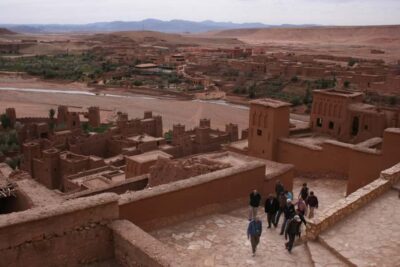
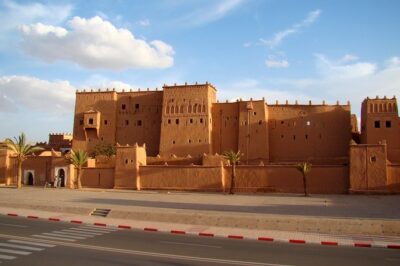
Ait Ben Haddou is the first major stop and one of the most worthwhile parts of the route. This cluster of earthen buildings rises above the surrounding countryside, with narrow lanes, defensive walls, and views across the dry valley.
It is a UNESCO World Heritage Site and Morocco’s best-known kasbah complex. The architecture is the point here: mud-brick towers, geometric details, and compact passageways show how homes and community spaces were shaped for a harsh climate.
The stop can feel short, so use your time well. Walk through the old settlement, look back from higher points, and keep a little room in your schedule for photographs. A local guide is available. On shared tours, a guide is not included by default, but you can join an optional group tour for about €2 on arrival. A private guide is included with the private option.
One practical note: the ground can be uneven, and the walk is more about exploring lanes and viewpoints than simply taking one photograph from the road. Comfortable clothes and sturdy walking shoes make sense.
Through the Draa Valley to Zagora
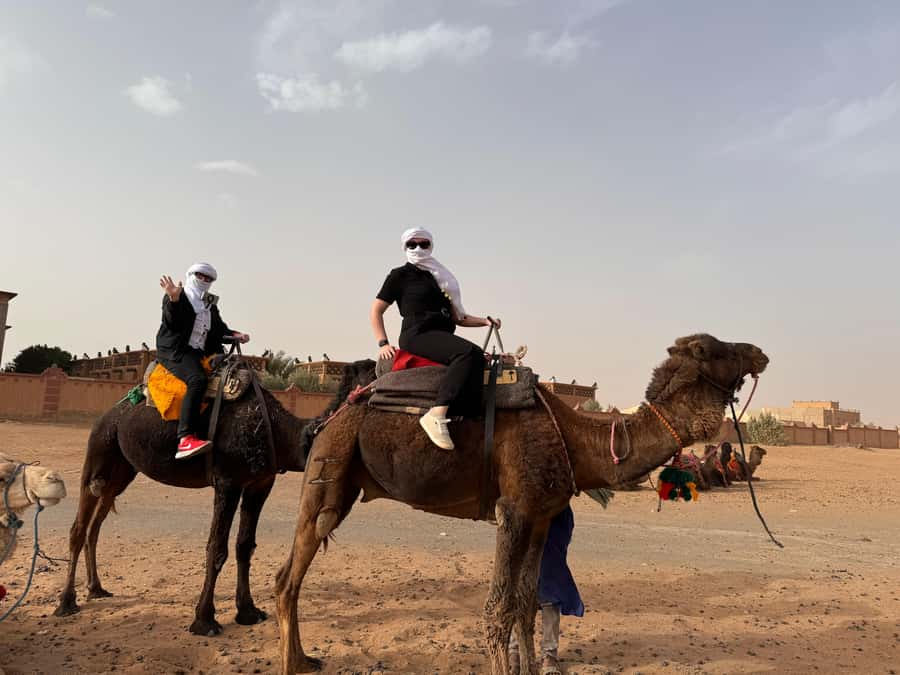
After Ait Ben Haddou, the route continues toward Ouarzazate and then through the Draa Valley. This is one of Morocco’s most rewarding stretches by road. Palm groves follow the valley, while villages and old kasbahs appear between the dry hills.
The scenery changes gradually rather than dramatically. You move from mountain country into a wider, warmer valley, with long views and clusters of green palms marking the water below. Photo stops help break up the journey, and your driver-guide can point out villages, valley features, and local sights.
Lunch is not included. The tour stops at restaurants selected for cleanliness and food safety, but these places may charge more than small local eateries. Bring cash in Moroccan dirhams, since lunch and drinks are your responsibility. Water is also not included, apart from a cold bottle provided at dinner in the camp.
This is one place where expectations matter. The meal stops are practical and convenient, not the main culinary event of the tour. If you have dietary needs, mention them when booking and confirm them with your guide.
Same base, a different sort of day:
- Marrakech: Agafay Desert Sunset, Camel Ride, and Dinner Show
★ 4.6 · 35,119 reviews - From Marrakech: Ouzoud Waterfalls Guided Hike and Boat Trip
★ 4.7 · 33,630 reviews - Marrakech: Agafay Desert Quad & Camel Rides with Dinner Show
★ 4.8 · 27,382 reviews - Marrakech: Agafay Desert Quad Biking Tour with Dinner-Show
★ 4.8 · 16,569 reviews
The sunset camel ride into Zagora’s rocky desert
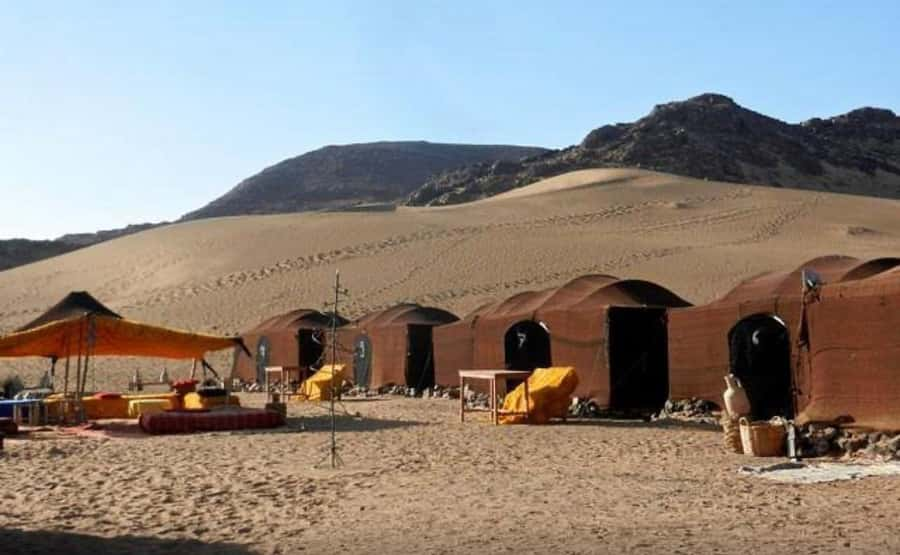
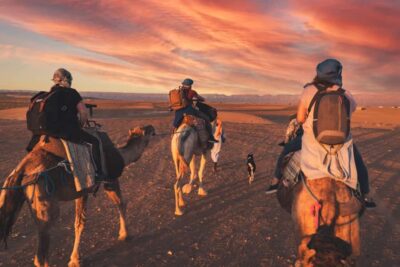
By late afternoon, you reach the desert area near Zagora. Each person receives a camel, then rides toward camp as the sun drops. The timing gives you the best light and a cooler temperature than a midday ride.
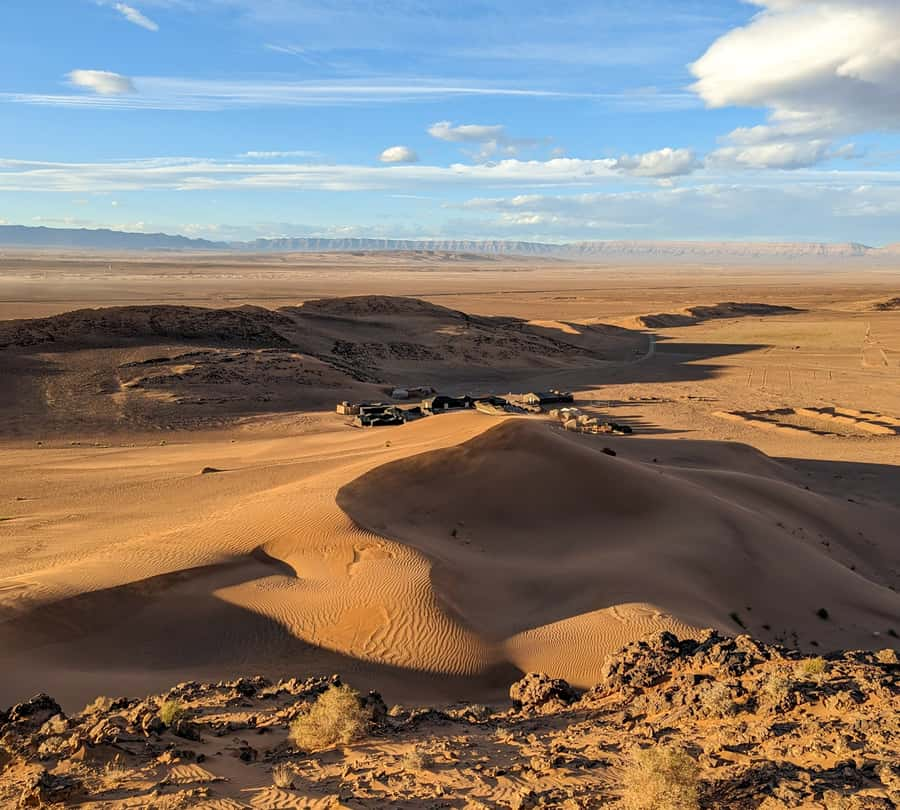
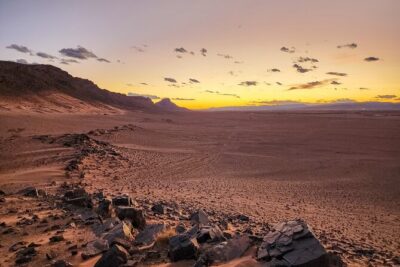
The desert here is generally rocky rather than a field of towering sand dunes. That does not make it dull. The open ground, low hills, changing light, and quiet horizon create a strong sense of space. If your picture of the Sahara comes from giant orange dunes, you should know that Zagora offers a different look.
Camel riding is not difficult in a technical sense, but it can be uncomfortable. The saddle position may cause leg chafing, and some camels can feel lively when standing or walking. Wear long, comfortable trousers and avoid bringing a large bag. You can leave your main suitcase in the van and carry only a small item to camp.
A quad bike is available for an extra €60. It is optional, not part of the $89 price. If you want more time moving through the desert, this gives you another activity, but the camel ride remains the central arrival ritual.
A night at the Berber camp
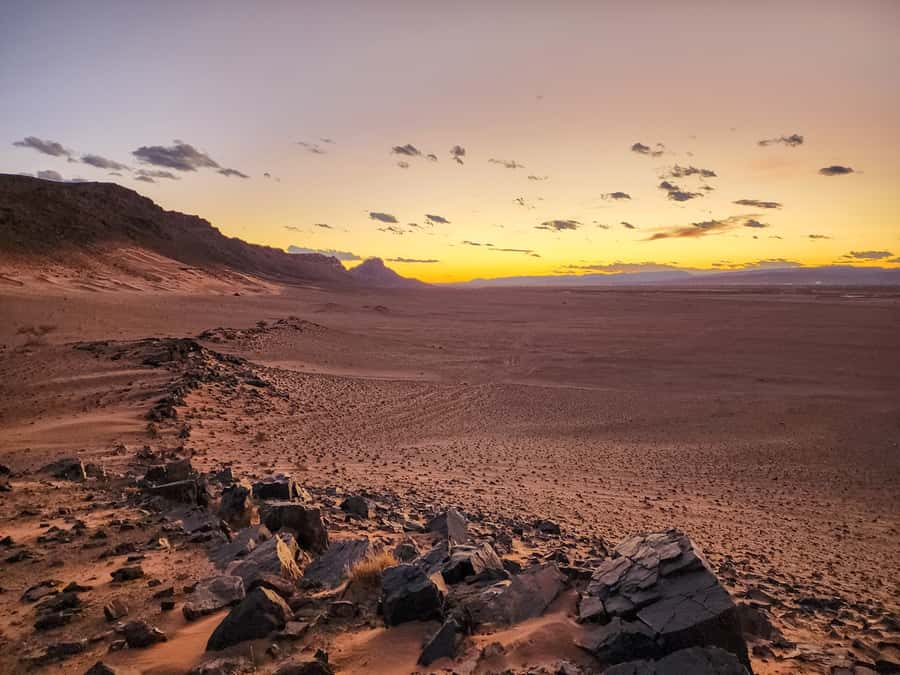
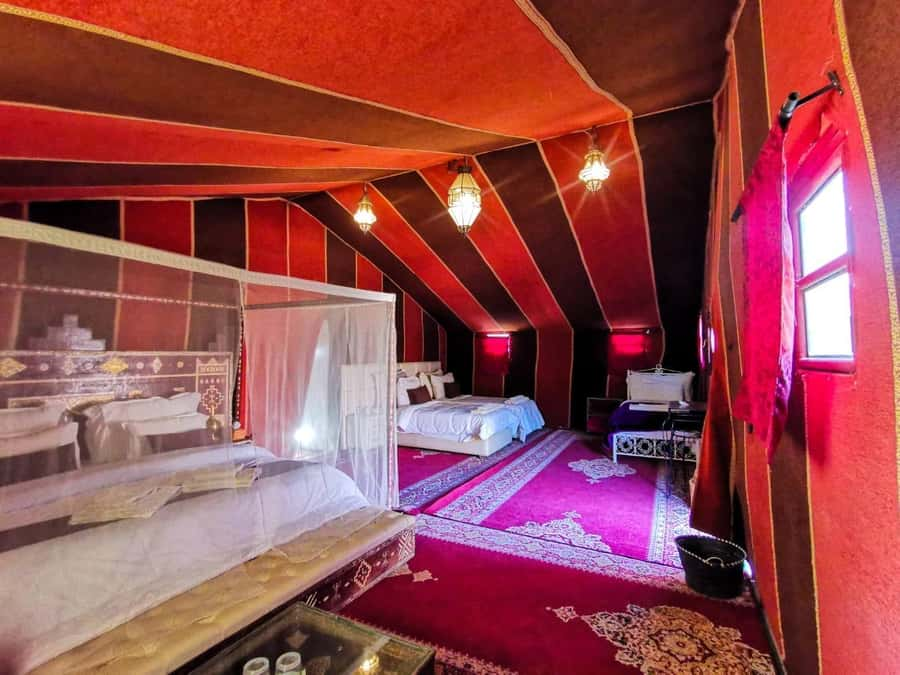
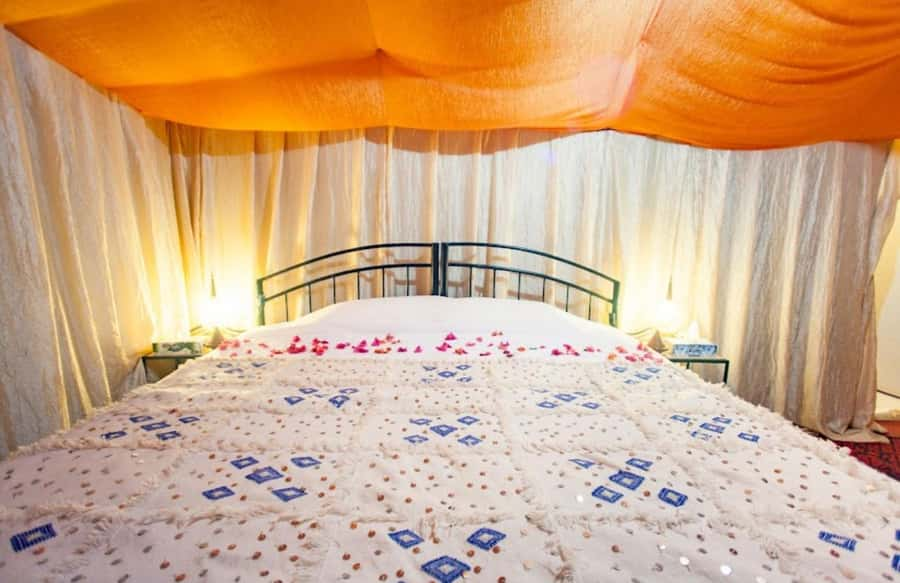
The camp offers a private tent in both accommodation categories. The standard option, listed as Caravane du Sud Authentic Tizi Camp or a similar camp, uses shared bathroom facilities. The luxury option, listed as Caravane du Sud Luxury Camp or similar, adds an ensuite bathroom and upgraded bedding.
The word luxury needs a little perspective. This is still a desert camp. You may find sand in the tent, and temperatures can change sharply after dark. The luxury choice is mainly about having your own bathroom and a more comfortable bed, not about turning the desert into a city hotel.
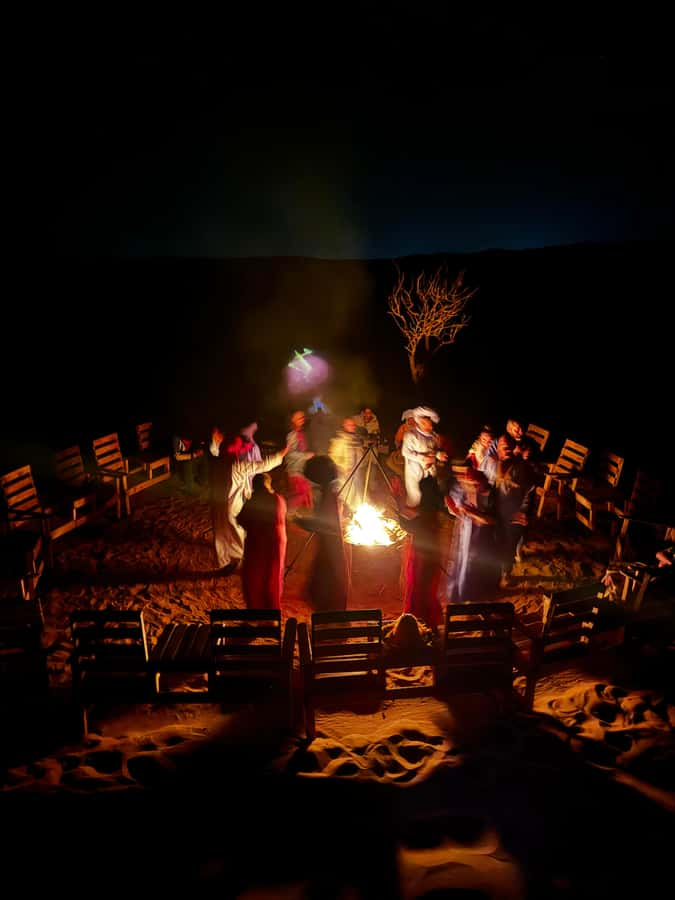
Dinner is included, followed by live Berber music around the fire. Expect drumming, singing, and dancing, with time to sit outside and look at the stars. The evening atmosphere is one of the strongest parts of the trip because it gives you more than a quick photo stop. You spend the night in the same place, eat with the camp team, and wake up in the desert.
The standard camp can still be a good choice if you want to keep the price low. Recent visitors have described clean shared facilities and comfortable tents, while others noted sandy beds and cold conditions. Bring a warm layer, especially between November and March. A small flashlight can also be useful, although it is not listed as a required item.
Sunrise, breakfast, and the long ride back
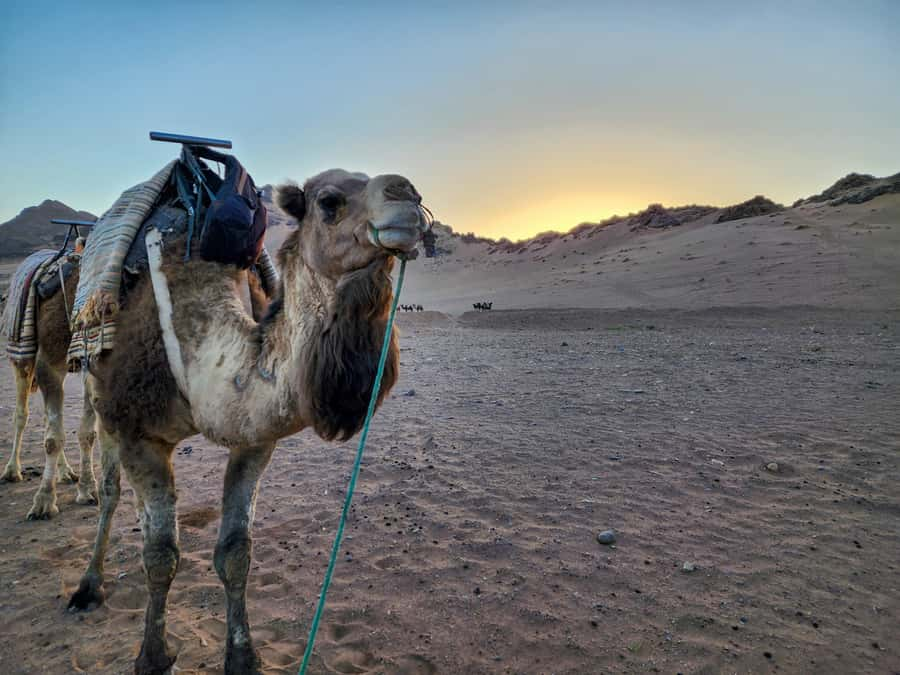
The second morning starts early so you can watch sunrise over the desert. This is often the quietest and most beautiful moment of the whole trip. The low light softens the rocky ground, and the camp is calmer before breakfast and departure.
Breakfast is included. Afterward, you return toward Ouarzazate and the Atlas Mountains. The route offers more mountain views and photo stops, but the drive still lasts around six and a half to seven hours.
Arrival in Marrakech is expected between 5:00 and 6:30 p.m. That timing matters if you are booking a dinner reservation, train, or flight. I would not schedule anything important too close to the expected arrival window. Mountain roads and group departures can affect the exact time.
The return drive can feel long after an early start. On the other hand, it gives you another chance to see the terrain in different light. A good driver such as Hicham or Houssine can make a noticeable difference by stopping for photographs and keeping everyone informed.
Standard camp or luxury camp?
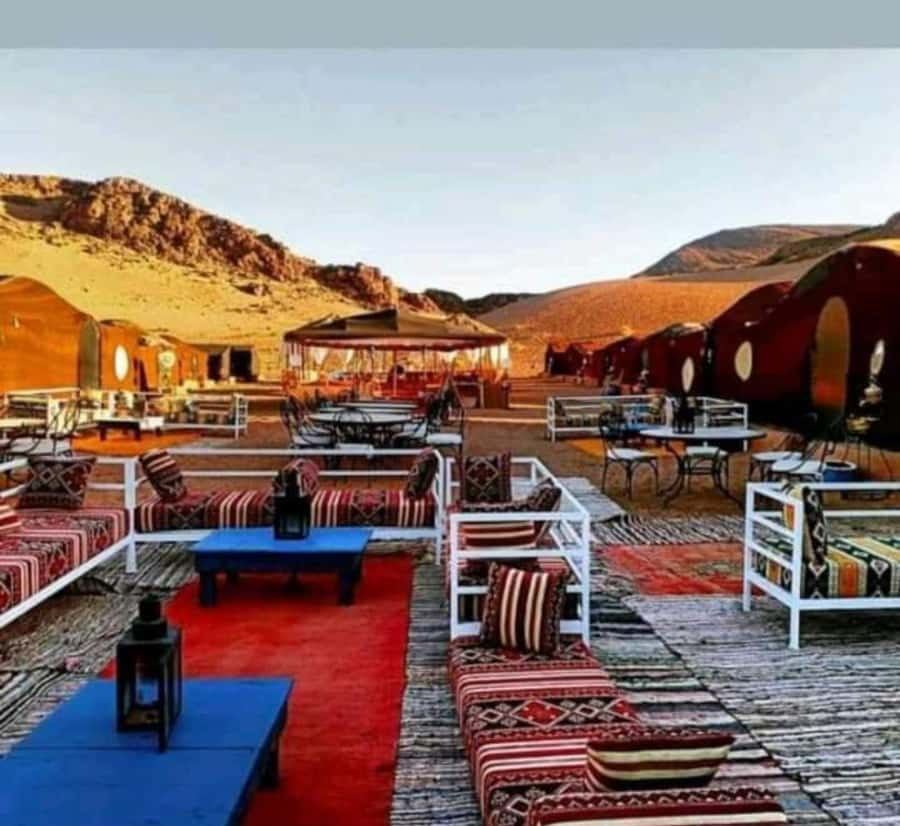
The choice is simple if you focus on what you need at night.
Choose the standard camp if you want the lower-cost option and do not mind walking to shared bathrooms. It still includes a private tent, dinner, breakfast, music, and the same desert setting.
Choose the luxury camp if a private bathroom matters to you, particularly during a cold or sandy night. Upgraded bedding can also help after two long road days and a very early sunrise.
Do not expect either option to be completely free of sand. This is the desert, and the weather can shift. Some people consider the sand part of the charm; others will appreciate having an ensuite bathroom and a better bed.
What the $89 price really buys you
The $89 starting price is good value if you want several major Moroccan sights in one compact trip. The included transport alone covers a large distance, and the package also provides the camel ride, accommodation, two meals, a driver-guide, luggage storage, and evening entertainment.
The price becomes less complete once you add lunch, drinks, and perhaps the €60 quad bike. You should also budget for the optional Ait Ben Haddou guide if you are on a shared tour and want more explanation at the site.
The main tradeoff is time, not hidden luxury. You pay little for a lot of ground covered, but you spend much of both days sitting in the vehicle. For many people, that is a fair exchange. If you prefer slow travel, fewer stops, and longer time at each place, a three-day desert route may suit you better.
Who should book this Zagora experience?
I would recommend it to you if you have only a few days in Morocco and want to combine Ait Ben Haddou with a desert night. It also suits first-time visitors who want hotel pickup, a planned route, and a guide who can handle the long transfers.
It works well for couples, friends, and small groups. Several young women have found the organized format reassuring, with the guide and camp team keeping the trip structured from pickup through return.
Families with older children may also enjoy it, provided everyone can handle the driving and camel ride. It is not suitable for pregnant women or people over 80, according to the activity restrictions.
I would hesitate if you dislike long road journeys, need a soft schedule, or specifically want huge sand dunes. Zagora provides a rocky desert setting, and the itinerary leaves limited time for wandering alone.
What to pack for two days
Bring light, comfortable clothes for the road and camel ride, plus a warm layer for the night. Sun protection is essential, and a scarf or hat can help during the outdoor portions.
Pack water because it is not included during the transfers. Carry Moroccan dirhams for lunches, drinks, and small purchases. Keep your overnight needs in a small bag since your large suitcase stays in the van while you ride to camp.
A phone charger, comfortable shoes, and trousers that protect your legs from saddle rubbing are sensible additions. If you choose the standard camp, remember that the bathroom is shared. If you choose luxury, you still need to prepare for sand and changing temperatures.
Should you book it?
Book this tour if you want the most desert atmosphere possible in only two days and accept that the road takes up much of the schedule. The combination of Ait Ben Haddou, the Draa Valley, camel riding, camp dinner, music, stargazing, and sunrise gives you a lot for $89.
Choose the luxury tent if a private bathroom will make the night more comfortable. Choose the standard tent if value matters most. Either way, bring water, cash, warm layers, and realistic expectations about the rocky desert and long drives. If that sounds like a fair trade, this is a practical and memorable way to reach Zagora from Marrakech.
FAQ
How long is the drive from Marrakech to Zagora?
The first day includes about seven hours of driving with stops. The return journey takes roughly six and a half to seven hours, also with stops.
Is Ait Ben Haddou included?
Yes. The itinerary includes a visit to Ait Ben Haddou, a UNESCO World Heritage Site. On shared tours, a local guide is not included by default, but an optional group guide is available for about €2. A private guide is included with the private option.
What type of desert accommodation is included?
You stay in a private tent at a standard or luxury camp. The standard camp has shared bathrooms. The luxury camp has an ensuite bathroom and upgraded bedding.
Are meals included?
One dinner and one breakfast are included at the camp. Lunches and drinks are not included, so bring cash in Moroccan dirhams.
Is the camel ride included?
Yes. The tour includes one camel for each person. A quad bike is available separately for €60.
What languages does the driver-guide speak?
The driver-guide service is available in Spanish, English, and French. Guides may vary, with names associated with the experience including Simo, Mohamed el Qayed, Zohair, Hicham, and Houssine.
What should I bring for the desert night?
Bring comfortable clothing, sun protection, water, cash, and warm layers, especially from November through March. You can leave your main suitcase in the van and carry a small bag to the camp.
Just added in Marrakech
- Quad Ride In The Agafay Desert★ 5.0 · 39 reviews
- Quad Biking Agafay desert★ 5.0 · 20 reviews
- Marrakech: Tailor-Made City Tour With Your Own Private Guide★ 4.9 · 236 reviews
- Surf Training and Lunch on Essaouira Day Trip from Marrakech★ 4.9 · 51 reviews
- Essaouira: Surf Trip from Marrakech★ 4.9 · 31 reviews
- Marrakech palm grove: Sunset camel ride★ 4.8 · 194 reviews
- Marrakech: Sunrise Desert Tour with Camel Ride and Breakfast★ 4.4 · 36 reviews
- Marrakech : Agafay Desert Sunset Camel Ride & Luxury Dinner★ 4.3 · 39 reviews
Zagora & Erg Chigaga Desert Tours, compared.
Experience Luxury in Zagora: 2-Day Desert Adventure
Read our review →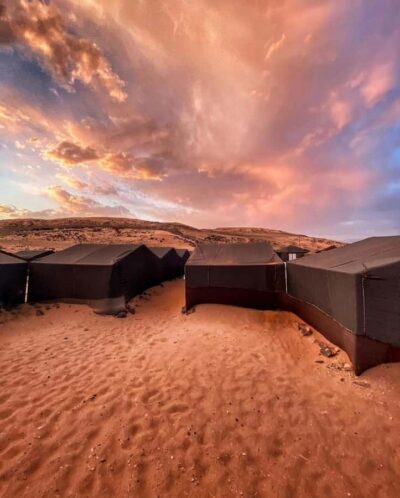
Zagora Desert: 2-Day 1-Night Desert Expedition to Remember
Read our review →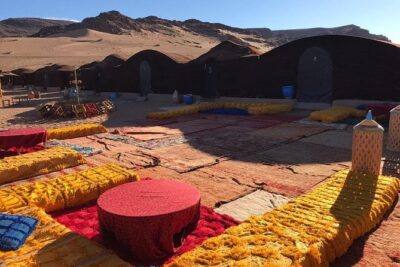
2-Day Zagora Tour from Marrakech Including the Atlas Mountains, Camel Trek and Desert Camp
Read our review →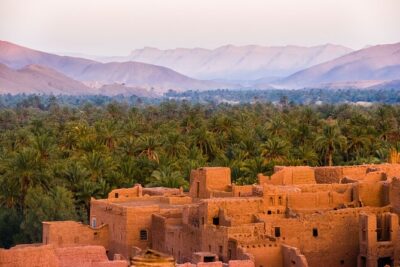
Tour from Ouarzazate to Vallee Du Draa and Dunes Of Tinfou
Read our review →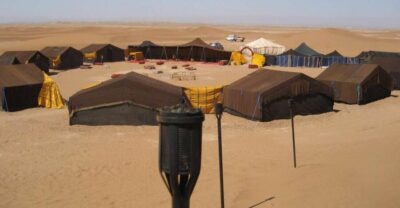
Browse the lists this tour appears in