
Reviewed · DESERT CAMPS
From Marrakech: 3-Day Desert with luxury camp, camel & meals
The great appeal here is the sheer variety packed into three days. You move from Marrakech’s crowded streets to the High Atlas Mountains, red kasbahs, narrow gorges, and finally the golden dunes of Erg Chebbi. The camel ride and camp night give you the classic Sahara scene, but the road there is just as important.
I like the route through Aït Ben Haddou and the Todra Gorge, and I like the practical choice of ending in Fez instead of backtracking to Marrakech. The main tradeoff is simple: this is a lot of Morocco in a short time, so expect long hours in the minibus, sometimes six to eight hours of driving in a day.
Key points to know
- Tizi n’Tichka pass: Cross the High Atlas at 2,260 meters, with frequent stops for mountain views and photos.
- Aït Ben Haddou and Ouarzazate: See one of Morocco’s best-known kasbahs and visit the film-studio area near Ouarzazate.
- Dades and Todra: Break up the road journey with red cliffs, the Valley of Roses, and a walk through Todra Gorge.
- Erg Chebbi by camel: Ride into the dunes for sunset, then return to the sands for sunrise.
- Camp choices: Standard and luxury tents are available, with dinner, breakfast, music, and Berber hospitality.
- Flexible ending: Return to Marrakech or continue to Fez, a useful option for a wider Morocco itinerary.
Why this three-day route works
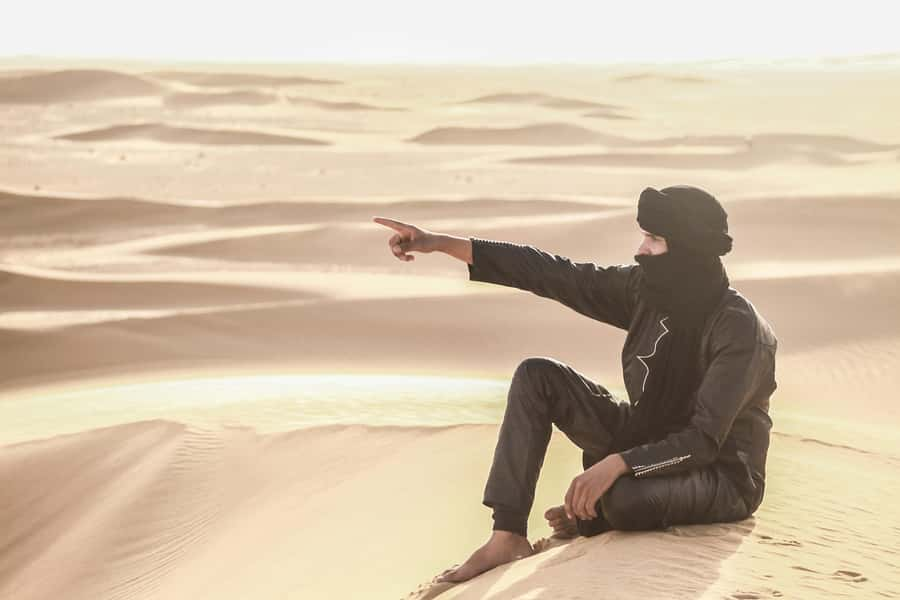
This is not a slow desert retreat. It is a road trip with a strong finish. You cross a major mountain pass, visit old kasbahs, pass through valleys and gorges, and reach the Sahara in time for a camel ride and overnight camp.
That variety is the reason I would consider this tour good value. Transport, two nights of accommodation, breakfast, dinner, camel trekking, and live Berber entertainment are included. You are not paying only for a night in the dunes. You are also buying a structured route across a large section of southern Morocco, with a driver handling the roads.
The limitation is the timetable. Marrakech and Merzouga are far apart, and there is no clever shortcut. The breaks help, usually keeping road stretches to around an hour and a half, but you still spend much of the tour seated. If you want long walks, quiet village time, or several nights in the desert, choose a longer trip.
Drivers and guides vary by departure. Names praised for being helpful and careful include Alae, Abdul, Chafik, Aymen, Idriss, Moncef, Khalid, and Abderrahman. Your assigned driver may be someone else, but the best experience depends heavily on having a driver who explains the route, stops at sensible points, and checks that everyone is comfortable.
Other nights under canvas booked from Marrakech:
- Marrakech: 3-Day Desert Trip to Merzouga with Luxury Camp
★ 4.7 · 887 reviews - Marrakech: Agafay Desert Camp Lunch with Camel Ride and Pool
★ 4.4 · 860 reviews - 3-Day Tour from Marrakech to Merzouga Luxury Camp with Camel
★ 5.0 · 601 reviews
Day one: crossing the High Atlas to Aït Ben Haddou
The first day begins with pickup from your hotel or the nearest accessible meeting point in Marrakech. You travel in an air-conditioned minibus with a professional driver, although the condition of the air conditioning can vary. One passenger specifically advised bringing ice water and wearing light clothes, so I would take that seriously in hot weather.
The road climbs toward the Tizi n’Tichka pass, one of the most memorable parts of the trip. At 2,260 meters, the pass gives you a sharp change of scenery from the city. The High Atlas is rugged and open, and the bends make the journey feel like a proper mountain crossing rather than a simple transfer.
Bring comfortable shoes and sunglasses. You will want to get out at viewpoints, stretch your legs, and take photos. The driver usually breaks up the long ride with stops, but this remains a driving day, not a relaxed walking day.
A guide on the first day may cost an extra 2.5 euros. That small detail matters because the included professional driver is not necessarily the same thing as a dedicated guide at every historical stop. If you care about detailed interpretation at Aït Ben Haddou, confirm what guiding is covered before you depart.
Aït Ben Haddou: Morocco’s great kasbah stop
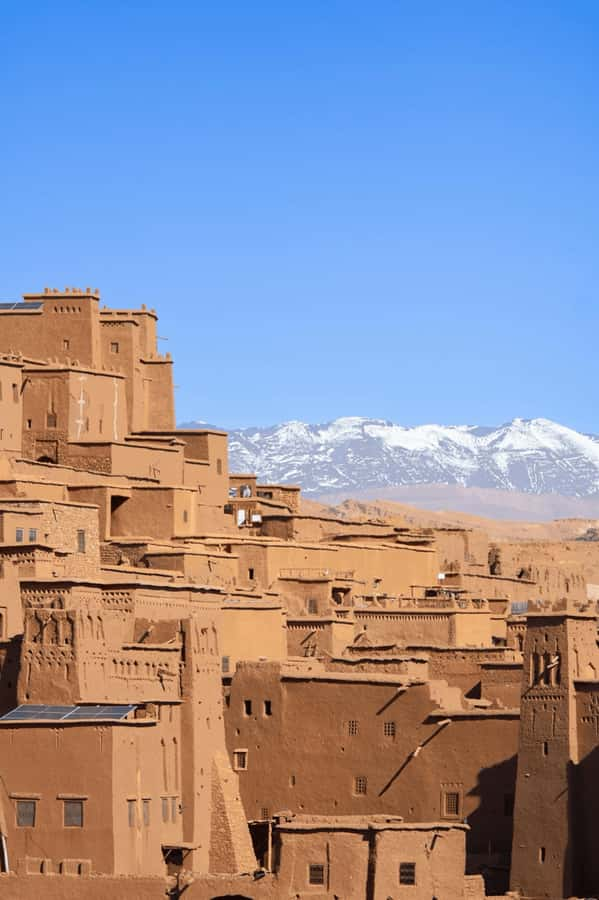
Aït Ben Haddou is the cultural high point of the first day. This fortified village of earthen buildings is listed by UNESCO and is among the most recognizable sights in southern Morocco. The narrow lanes, packed-earth walls, and position above the surrounding country make it easy to understand why filmmakers have used the area.
You should allow time for uneven surfaces and some walking. Comfortable shoes are more useful here than stylish ones. The stop is not just a quick roadside photo, although the exact amount of time depends on the day’s traffic and the group’s pace.
The nearby Ouarzazate area adds a film connection to the route. The tour includes Ouarzazate’s film studios, giving you a chance to see another side of the region’s screen-making reputation. For many people, Aït Ben Haddou is the more visually striking stop, while the studios are a different kind of curiosity. Together, they give the first day a useful mix of old architecture and modern popular culture.
The first night is spent in the Dades Valley, with hotel accommodation and dinner included. This is a sensible overnight point. It prevents the first day from becoming an exhausting push all the way to the desert and puts you near some of the most dramatic rock scenery in southern Morocco.
Day two: roses, red cliffs, and Todra Gorge
The second day brings more scenery before the desert. The Valley of Roses is one of the route’s quieter pleasures, especially if you prefer seeing how people live and work in the region instead of collecting only famous viewpoints.
The exact stops can vary, but the road through the valley gives you a different view of southern Morocco, with cultivated areas set against dry hills. Some departures may include a farm or small local stop. These places can feel more ordinary than Aït Ben Haddou, but they add human detail to a route otherwise dominated by stone, sand, and mountain views.
The Dades area is known for red cliffs and unusual rock formations. It is worth paying attention during the drive, not just at planned stops. The colors change with the light, and the road itself is part of the experience.
Same base, a different sort of day:
- Marrakech: Agafay Desert Sunset, Camel Ride, and Dinner Show
★ 4.6 · 35,119 reviews - From Marrakech: Ouzoud Waterfalls Guided Hike and Boat Trip
★ 4.7 · 33,630 reviews - Marrakech: Agafay Desert Quad & Camel Rides with Dinner Show
★ 4.8 · 27,382 reviews - Marrakech: Agafay Desert Quad Biking Tour with Dinner-Show
★ 4.8 · 16,569 reviews
Walking through Todra Gorge
Todra Gorge is the major stop of the day. The cliffs narrow around the road and walking area, creating a dramatic corridor of rock. A short walk here is a welcome break after the minibus, and it gives you a chance to appreciate the scale in a way that a quick photo from the vehicle cannot.
This is also where pacing matters. The tour aims to get you from the city to the Sahara in three days, so you should not expect a long hike or a full day at the gorge. Think of it as a well-chosen stop that breaks up the journey and adds one of Morocco’s strongest natural sights.
Lunches are not included. This is the clearest weakness in the value calculation. Several stops use designated restaurants, and prices can feel high compared with the quality or the limited choice. Bring some cash, compare what is available, and remember that drinks are also extra. Carrying snacks can help, particularly if you prefer not to make every meal a formal restaurant stop.
The road continues toward Merzouga and Erg Chebbi. This is another long driving section, but the reward is a dramatic change from red rock and mountain valleys to open sand.
Day two evening: camels into the Erg Chebbi dunes
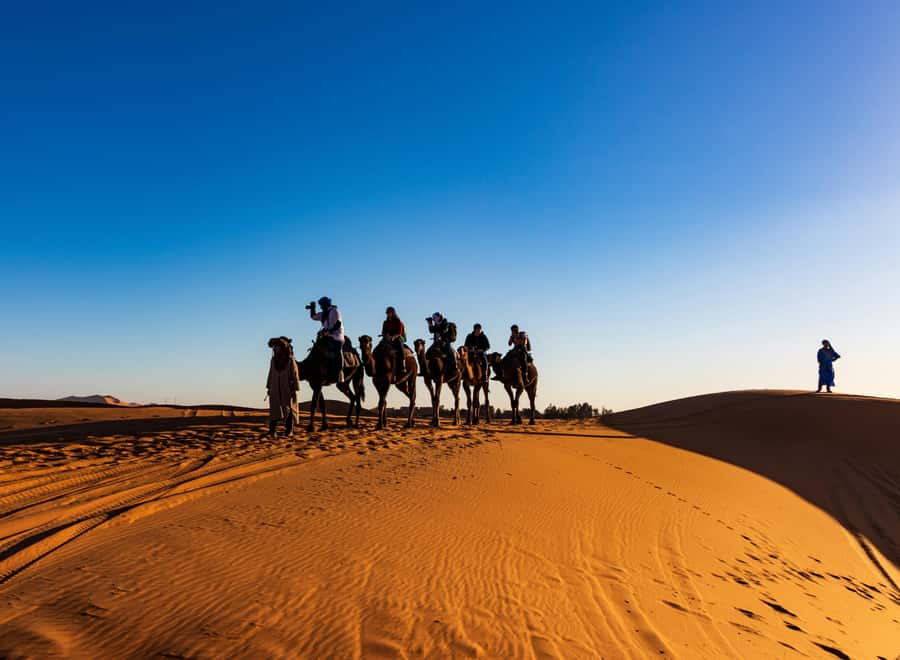
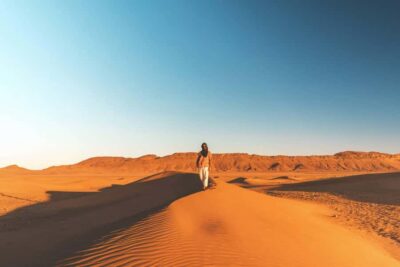
The camel ride is the moment many people imagine when they book a Sahara tour. At Erg Chebbi, you ride into the dunes around sunset, with the sand taking on warmer colors as the light drops.
The ride is scenic rather than fast. You sit high above the sand and move at a steady pace, so it is worth wearing comfortable clothing. A headscarf and longer trousers are useful recommendations, both for sun protection and for comfort around the sand.
Some people find the camel ride longer than expected. If you have back or hip trouble, ask about the timing and alternatives before setting off. The tour includes camel trekking, but the information provided does not promise a particular ride length or a vehicle transfer for anyone who does not want to ride.
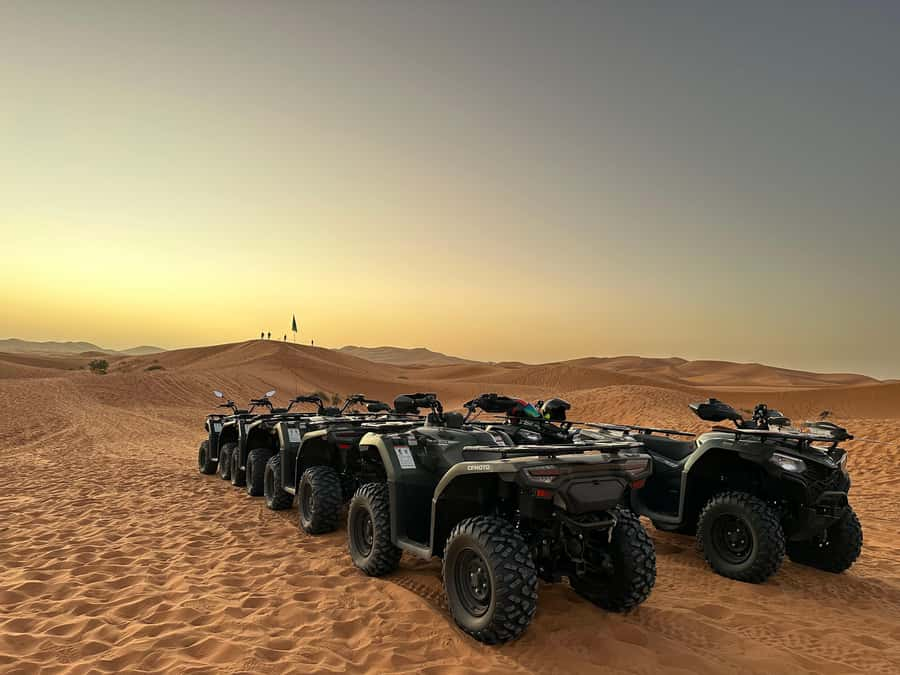
Optional activities include a 4×4 dune tour and sandboarding. Quad biking is also described as a popular extra, with the dunes offering a fun place to drive. Sandboarding can be enjoyable, but check the price before agreeing, since the value may not be as strong as the activity itself.
The best part of the camel ride is not the animal ride alone. It is the transition from road travel to a camp reached through the dunes. As the minibus disappears from view, the setting becomes quieter and more focused.
Sleeping under the stars in a Berber camp
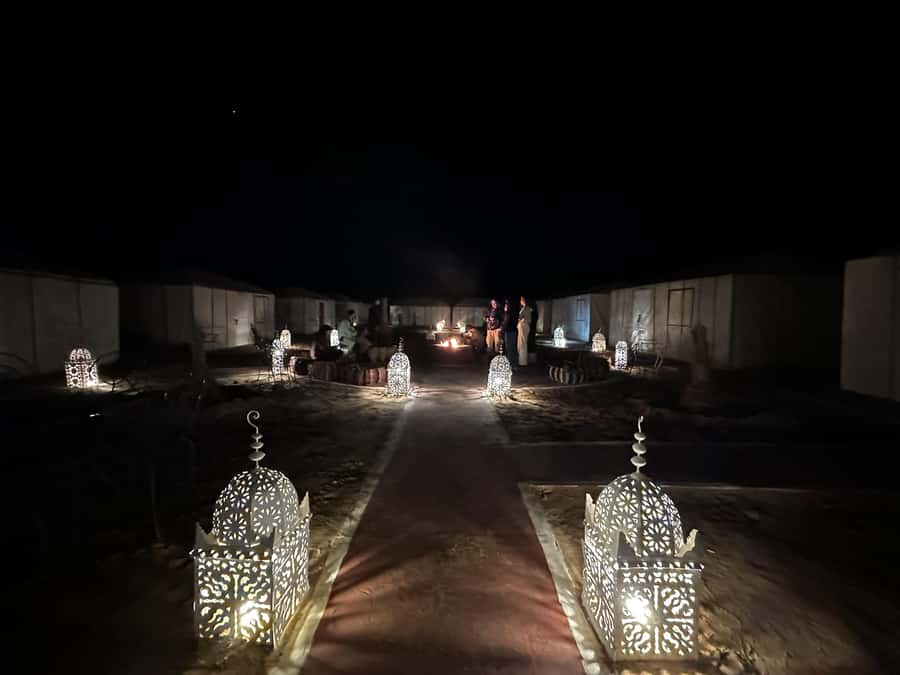
The camp offers standard and luxury tent options. The word luxury needs a little context here. Some luxury tents have private bathrooms and showers, air conditioning, and more comfortable furnishings, but desert facilities are still limited. One account noted weak bathroom flushing and a bathroom door that did not provide the privacy expected from a luxury tent.
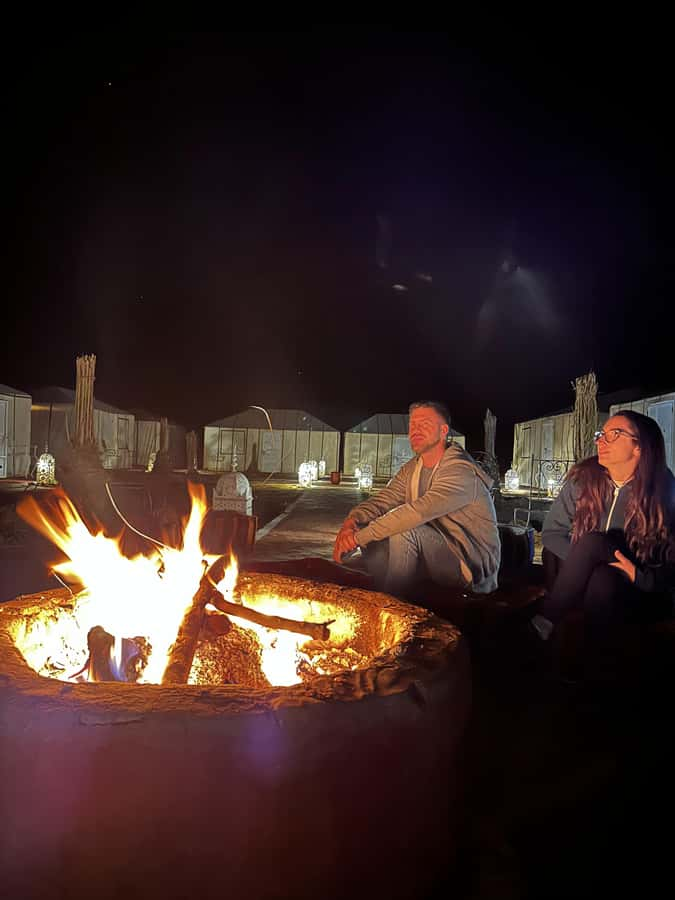
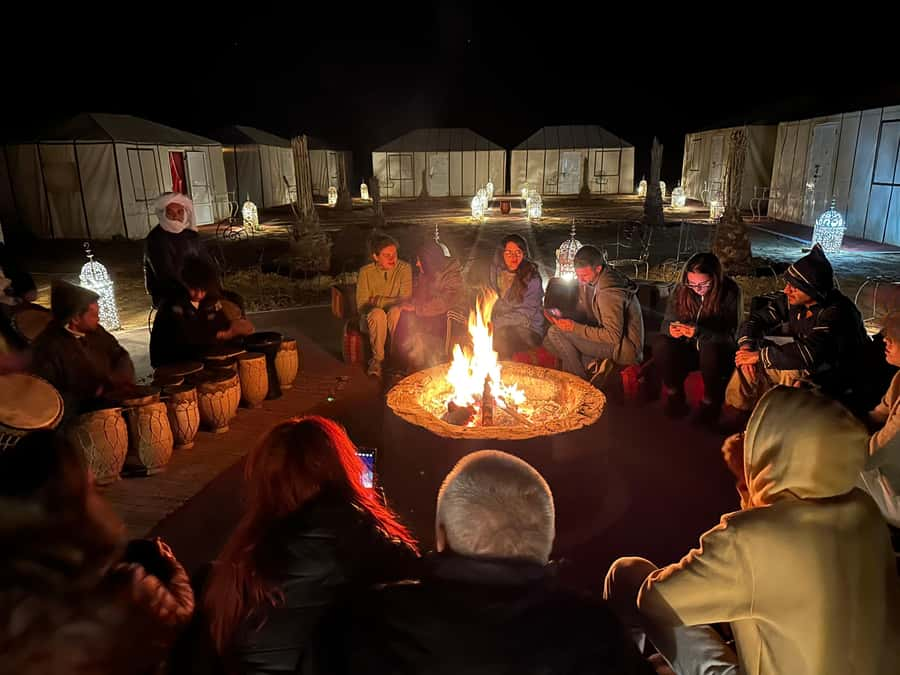
The camp is still one of the strongest parts of the trip. The setting is beautiful, the staff are welcoming, and the dinner and music create a clear sense of place. Live Berber entertainment around the campfire may include tam-tam drumming and desert dancing.
Dinner and breakfast are included at the camp. Food quality can vary, but several people found the camp meals fresh and satisfying. The camp is also a good place to slow down after two demanding road days, even though the overnight is brief.
Wi-Fi and mobile signal should not be treated as part of the experience. Signal may be available in the restaurant area, but not reliably in the tents. That is a minor inconvenience for most people and a useful reason to download maps, tickets, and important information before leaving Marrakech.
Sunrise is another major reward. You can watch the dunes change color in the early light before breakfast and the return journey. The sunset and sunrise combination is the part that makes the long road worthwhile for many people.
Day three: choosing Fez or Marrakech
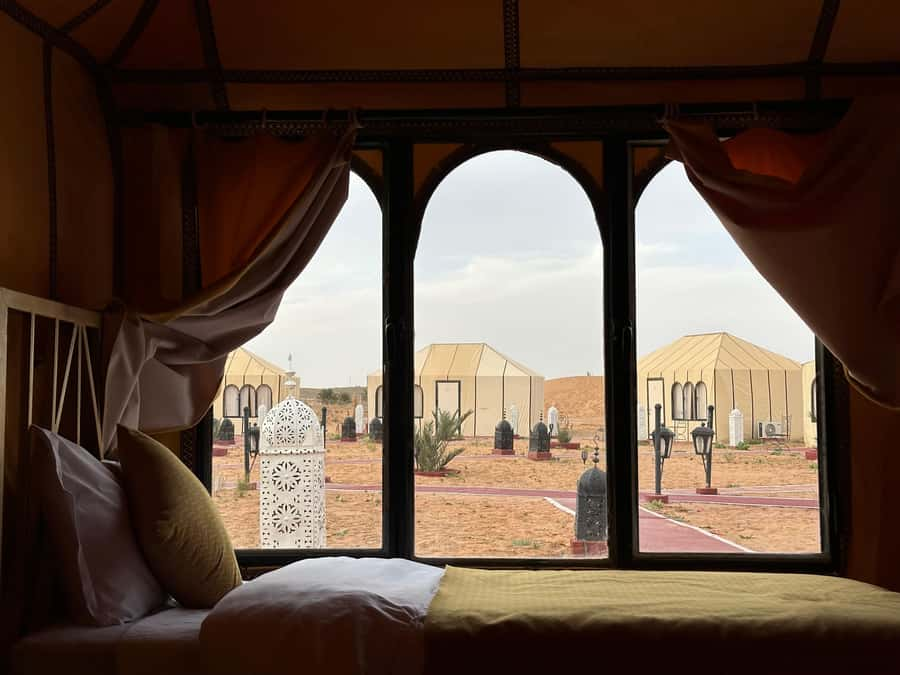
After breakfast and the desert morning, you begin the long return or onward journey. The tour lets you choose between returning to Marrakech and continuing to Fez. That flexibility can save a full day of backtracking if you are building a wider Morocco route.
The Fez option is especially useful if you want to travel through more of the country rather than repeat the road to Marrakech. One route includes a stop to see monkeys, adding another small change of scenery during the long drive. The exact timing remains demanding, so do not plan an important event immediately after drop-off.
If you return to Marrakech, you finish where you began. This works well for a short holiday with flights in and out of the same city. If you continue to Fez, the tour becomes part of a one-way itinerary from southern Morocco toward the imperial cities.
Your driver makes a real difference on this final day. Aymen was praised for accommodating a later destination, while drivers such as Idriss, Alae, and Abdul were repeatedly described as helpful with stops, directions, photos, and general comfort. Still, these are individual assignments, not a guaranteed named-driver service.
Transport, comfort, and the real daily rhythm
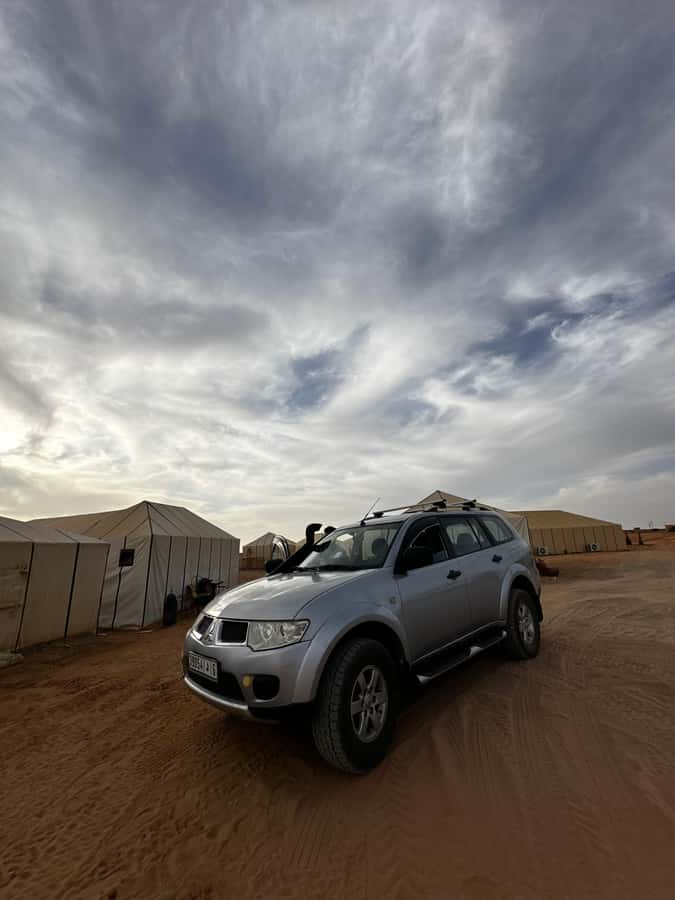
The air-conditioned minibus is practical, but do not expect a private car or a luxury coach. The road is long, and space and air conditioning may feel less comfortable on hotter days. Ask for stops when needed, and use every break to walk, drink water, and stretch.
The journey is commonly described as six to eight hours of driving per day, divided into shorter stretches. That makes it manageable, but not easy. Families have completed it successfully, including families with children under ten, yet the pace is still demanding for young children.
I would bring:
- Comfortable walking shoes
- Sunglasses and sunscreen
- A headscarf or light covering
- Longer trousers for the camel ride
- Water and small snacks
- Cash for lunches, drinks, bathrooms, and tips
- Light clothing for warm conditions
- A warmer layer for the desert night
The tour is not suitable for wheelchair users. The uneven surfaces at kasbahs, gorges, and the desert camp also make mobility an important consideration for anyone with limited walking ability.
What the price includes, and where costs build up
No tour price is provided here, so I cannot judge the exact amount you will pay. I can judge the structure. The package has good value if you want transport, two nights, four included meals, camel trekking, and entertainment arranged in one booking.
The luxury tent upgrade deserves closer attention. It can be worthwhile if you want a private bathroom, shower, air conditioning, and a more comfortable camp room. Do not assume it upgrades the first hotel night as well. One person paid extra for the luxury camp but expected a better hotel too, and that was not included.
Budget for the following extras:
- Lunches
- Drinks
- The possible first-day guide charge of 2.5 euros
- Optional 4×4 dune tours
- Optional sandboarding or quad biking
- Small cash payments for bathrooms
- Tips for drivers, local guides, and camp staff
The tour can still be good value after these costs, but the advertised package does not cover every expense during the road days. I would ask about lunch arrangements and optional activity prices before departure.
Who should book this desert tour
I would recommend it to first-time visitors who want to see a broad slice of southern Morocco without arranging several separate transfers. It also suits couples, solo visitors, families comfortable with long drives, and small groups looking for a ready-made route.
It is particularly useful if you want to finish in Fez. That choice turns the tour into a practical bridge between Marrakech and northern Morocco, not simply a round trip to the Sahara.
I would hesitate if you dislike early starts, long minibus rides, fixed meal stops, or basic desert facilities. A four or five-day route would give you more time in the valleys and dunes. Three days works because the route is tightly planned, not because the distances are short.
Should you book it?
Book this tour if your priority is variety: mountain pass, kasbah, film studios, gorges, camel ride, desert camp, dinner, music, and sunrise, all in one compact trip. The most praised part of the service is the care shown by individual drivers, with names such as Chafik, Alae, Abdul, Moncef, and Idriss repeatedly associated with safe driving, useful stops, good music, and friendly help.
Go in with clear expectations. You are choosing access and variety over slow travel. Bring water, cash, sensible clothes, and patience for the road. If that sounds fair, this is a strong way to reach Erg Chebbi while seeing far more than just the desert.
FAQ
Where does the tour begin?
Pickup is available from your hotel or the nearest accessible meeting point in Marrakech. The experience can also begin from Ouarzazate according to the tour details.
Can I finish the tour in Fez?
Yes. You can choose to return to Marrakech or continue to Fez.
What accommodation is included?
The tour includes two nights: one hotel night and one desert camp night. Standard and luxury tent options are available for the camp.
Are meals included?
Breakfast and dinner are included on both tour days. Lunches and drinks are not included.
Is camel trekking included?
Yes. The tour includes a camel trek into the Erg Chebbi dunes, with sunset and sunrise opportunities.
Are 4×4 tours and sandboarding included?
They are optional extras, not standard inclusions. Quad biking may also be offered at an additional cost.
Is the tour suitable for wheelchair users?
No. The tour is not suitable for wheelchair users.
Just added in Marrakech
- Quad Ride In The Agafay Desert★ 5.0 · 39 reviews
- Quad Biking Agafay desert★ 5.0 · 20 reviews
- Marrakech: Tailor-Made City Tour With Your Own Private Guide★ 4.9 · 236 reviews
- Surf Training and Lunch on Essaouira Day Trip from Marrakech★ 4.9 · 51 reviews
- Essaouira: Surf Trip from Marrakech★ 4.9 · 31 reviews
- Marrakech palm grove: Sunset camel ride★ 4.8 · 194 reviews
- Marrakech: Sunrise Desert Tour with Camel Ride and Breakfast★ 4.4 · 36 reviews
- Marrakech : Agafay Desert Sunset Camel Ride & Luxury Dinner★ 4.3 · 39 reviews
Desert Camps, compared.
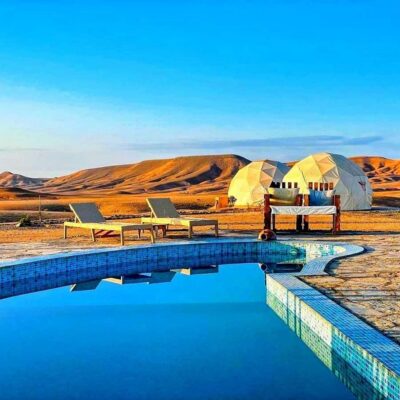
Agafay Desert Camp Lunch with Camel Ride and Pool
Read our review →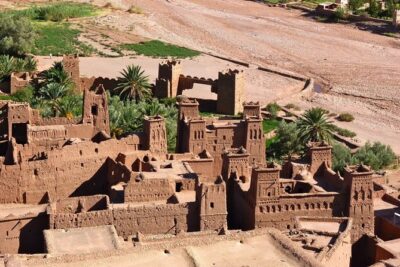
3-Day Tour from Marrakech to Merzouga Luxury Camp with Camel
Read our review →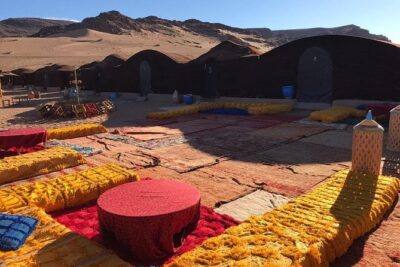
2-Day Zagora Tour from Marrakech Including the Atlas Mountains, Camel Trek and Desert Camp
Read our review →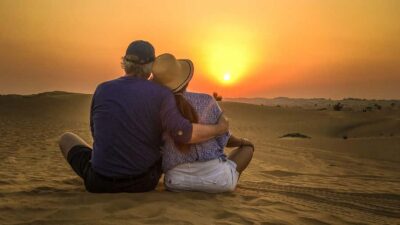
1-Night in Desert Camp With Dinner & camel ride
Read our review →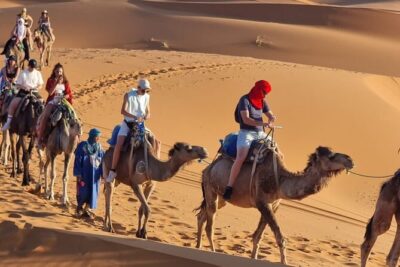
3 days from Marrakech to Merzouga Desert with Luxury Camp
Read our review →
2Days Desert Tour From Fez: Round-Trip with Luxury Camp stay
Read our review →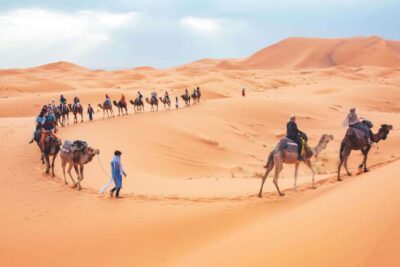
From Fes To Marrakech: 2-Days with Luxury Camp, Desert Tour
Read our review →Browse the lists this tour appears in