
Reviewed · ATLAS MOUNTAINS DAY TRIPS
Marrakech: 2-Day Atlas Mountains Trek with Village Stay
The best part of this trip is the quick change from Marrakech’s crowded medina to quiet Atlas valleys and high mountain passes. In two days, you walk through Amazigh villages, eat tagine beside the trail, and sleep in a mountain community rather than returning to the city each night.
I like the excellent value at $96, especially since transport, a guide, cook, mule team, meals, sleeping bags, and accommodation are included. I also like the human side of the trip: guides such as Kamal, Mustafa, Hassan, and Mourad are praised for patient pacing and useful explanations about local life.
The catch is that this is a real mountain walk, not a gentle sightseeing outing. Rocky paths, steep sections, altitude, and cold nights can surprise anyone expecting a simple village stroll. Winter visitors need serious warm layers, and less experienced walkers should bring proper footwear and take the hills at their own pace.
Key points to know before booking
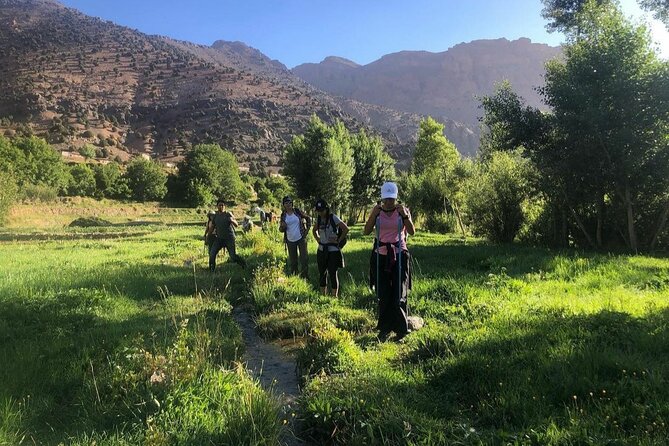
- Two different days on foot: Expect mountain walking from Imlil through Tizi Mzik, Azzaden Valley, Tizi Oujdid, and nearby villages.
- Village accommodation is simple: Guesthouses can be clean and comfortable, but heating may be absent and bathrooms may be shared.
- Food is a major strength: Lunch, dinner, and breakfast are included, with generous Moroccan meals prepared by the cook.
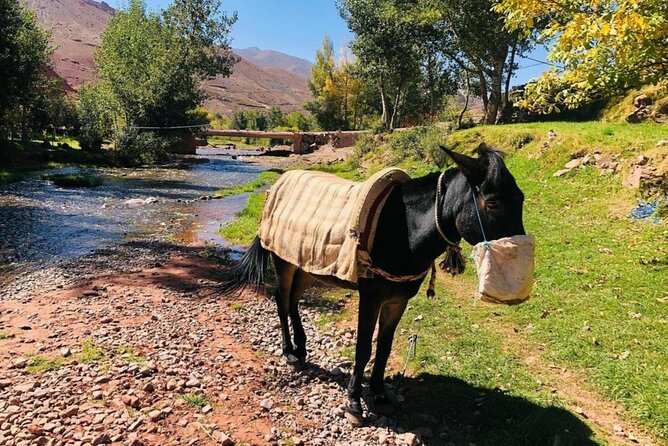
- A mule carries the heavy load: You carry a daypack, while muleteers transport clothing and other overnight items.
- Winter changes the trip: Snow can close a route, but experienced guides have used safer alternate paths.
- Small groups help: The maximum group size is 14, and guides generally adjust the pace to suit the people walking.
Leaving Marrakech for the High Atlas
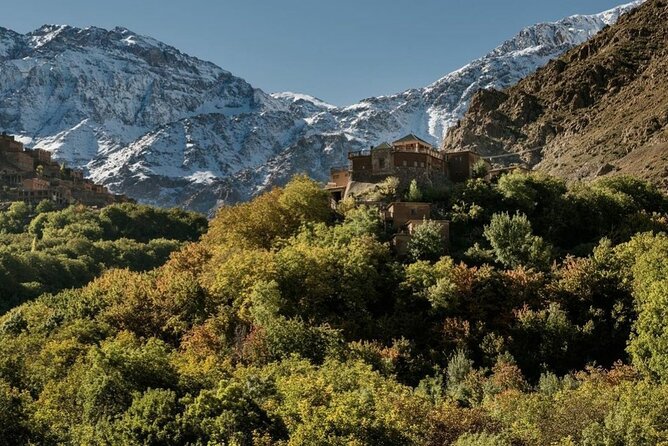
Pickup begins at your Marrakech hotel, followed by a drive toward the High Atlas through Tahnnaout, Oued Ghighaya, and Asni. The road brings a useful change of rhythm: city traffic gives way to broad valleys, scattered villages, and increasingly rugged mountain views.
The drive can take longer than expected if you are among the first people collected. One family reported about two hours from the first pickup, followed by roughly an hour from the last pickup point to the mountains. That is normal for a shared transfer, so do not schedule a tight Marrakech appointment for the late afternoon.
Your destination is Imlil, a well-known starting point for mountain routes. Here you meet the guide, cook, muleteers, and the rest of your group. Mint tea gives you a warm start before the first climb.
The group limit is 14 people, though some departures are much smaller. That matters on narrow paths. A small party makes it easier for the guide to set a steady pace, stop for views, and help on loose or steep ground.
More of the High Atlas from Marrakech:
- Marrakech: Atlas Mountains, Ourika Valley, Waterfall & Lunch
★ 4.8 · 15,834 reviews - Berber villages : Atlas Mountains Day Hike from Marrakech
★ 5.0 · 14,007 reviews - From Marrakech: Atlas Mountains Full-Day Hiking Trip w Lunch
★ 4.8 · 7,417 reviews
Day one: climbing over Tizi Mzik
The first walking section heads from Imlil toward Tizi Mzik pass. The route gains height and can feel demanding at the beginning, particularly if you are not used to walking uphill or are affected by altitude.
The advertised walking time is five to six hours each day, but actual times vary. Several departures have taken about three to five hours of walking per day, while other descriptions put the distance near 10 kilometers daily. The guide may also shorten or adjust the route for weather, snow, fitness levels, or the group’s pace.
At Tizi Mzik, the reward is a broad view over Azzaden Valley and the surrounding High Atlas peaks. On clear days, you may see Mount Toubkal, North Africa’s highest mountain. The pass is also one of the trip’s best lunch spots, since the meal comes with a high mountain view rather than a restaurant wall.
The terrain is not technical mountaineering, but it is uneven. Gravel, rocky steps, narrow paths, and steep drops appear in places. Hiking shoes with firm grip are a much better choice than trainers. Walking poles are useful, and guides have sometimes been able to lend them.
Down through the juniper forest to Tizi Oussem
After lunch, the route descends through juniper forest toward Tizi Oussem. Downhill walking can be harder on the knees than the climb, especially on loose rock, so use short steps and do not hurry.
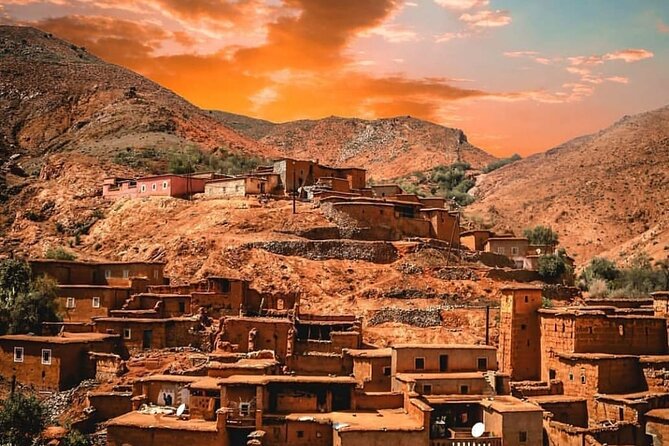
This section gives you a better sense of daily life in the mountains. Rather than viewing the High Atlas from a road, you pass through working villages and see the way homes and paths fit into the valleys. Guides explain local Amazigh culture, the area’s communities, and the mountain environment as you walk.
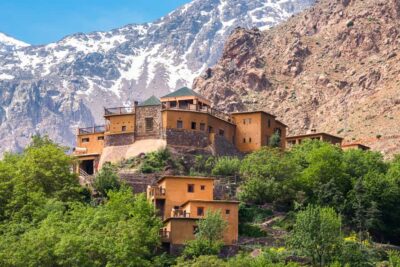
The destination is a village accommodation described variously as a riad, lodge, or guesthouse. Names and facilities can differ by departure, but the common pattern is simple mountain lodging with beds, blankets, and sometimes twin rooms with private bathrooms. Other rooms may use shared facilities.
Do not expect central heating. In winter, the temperature can fall sharply after sunset, even when the walk felt warm in bright sunshine. Sleeping bags are supplied, but I would still pack a sleeping bag liner, thick socks, gloves, a warm hat, and a fleece or insulated jacket.
Dinner is usually a Moroccan meal, with tagine frequently mentioned as the evening dish. The cook travels with the mule team and prepares the food along the route. Portions are generous, and vegetarian and some special dietary needs have been handled when arranged with the team.
What the overnight stay is really like
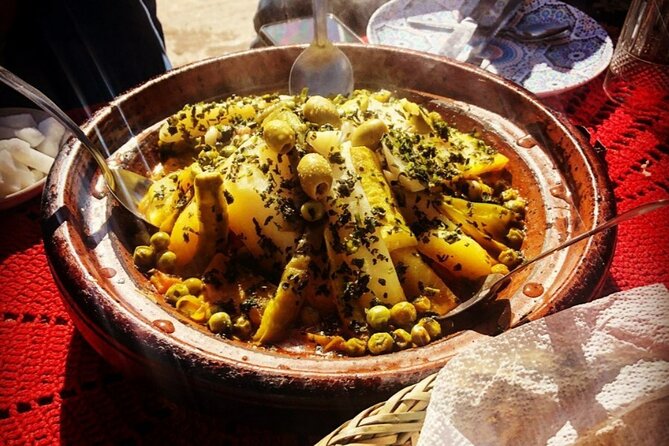
The village night is valuable because it gives you time away from the trail and a chance to meet local people. You are not simply looking at mountain villages from a vehicle. You sleep in one and wake up to the valley around you.
The accommodation is authentic rather than polished. Some people have found comfortable beds, hot showers, terraces, and two-person rooms. Others have encountered harder mattresses, basic facilities, shared bathrooms, and no heat. Both descriptions can be true because the exact property and room assignment may vary.
Pack a small overnight bag, but keep it light. The mule carries luggage, yet it should not be overloaded. A daypack needs to hold water, sun protection, a camera, a waterproof layer, and anything you need during the walk.
Bring a towel if you want one for certain, since towels have not always been available. Extra toilet paper and small change are also sensible additions. Bottled water may need to be purchased along the way, so do not rely only on the included tea and meals.
The evening itself may be quiet. If you arrive early, you could have spare time before dinner, so a deck of cards or a small book is useful. The reward is the simple pleasure of hot tea, a full meal, clear mountain air, and a sky far darker than the one over Marrakech.
Same base, a different sort of day:
- Marrakech: Agafay Desert Sunset, Camel Ride, and Dinner Show
★ 4.6 · 35,119 reviews - From Marrakech: Ouzoud Waterfalls Guided Hike and Boat Trip
★ 4.7 · 33,630 reviews - Marrakech: Agafay Desert Quad & Camel Rides with Dinner Show
★ 4.8 · 27,382 reviews - Marrakech: Agafay Desert Quad Biking Tour with Dinner-Show
★ 4.8 · 16,569 reviews
Day two: Id Issa, Tizi Oujdid, and the walnut grove
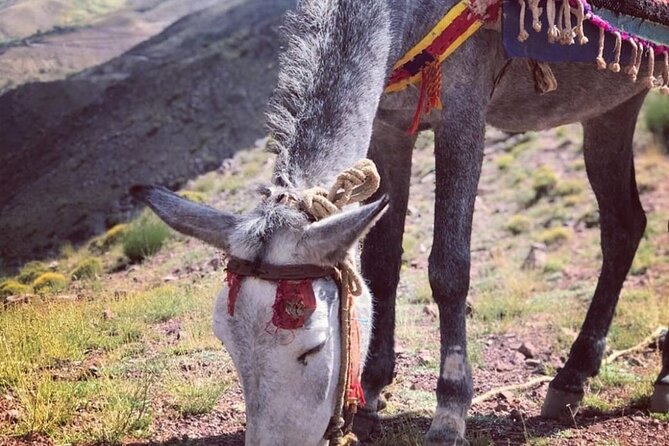
After breakfast, you walk toward Id Issa through a colorful mountain valley. The morning light is often the best time for photographs, especially when snow covers the higher peaks in winter.
The route then crosses Tizi Oujdid pass and continues through Matat. As on the first day, expect a mixture of easier paths and rougher sections. The climb and descent are not as demanding as a Toubkal summit trip, but they still require balance and steady footing.
This is a good route for people who want a proper taste of the High Atlas without committing to a multi-day summit expedition. At the same time, do not confuse less demanding than Toubkal with easy. A basic level of fitness helps, and anyone nervous around exposed paths should think carefully before booking.
The final lunch is served near a walnut grove beside a river. This is one of the nicest details of the trip because the setting changes again: after high passes and rocky trails, you get shade, water, and a relaxed meal before the return drive.
The walking schedule can finish earlier than the advertised five to six hours. Some groups have completed the main walking in around four hours, while others have taken longer with breaks and route changes. If you want a tougher challenge, this trip may feel too short. If you want a manageable mountain introduction, the shorter pace can be a real advantage.
Guides make the difference on this route
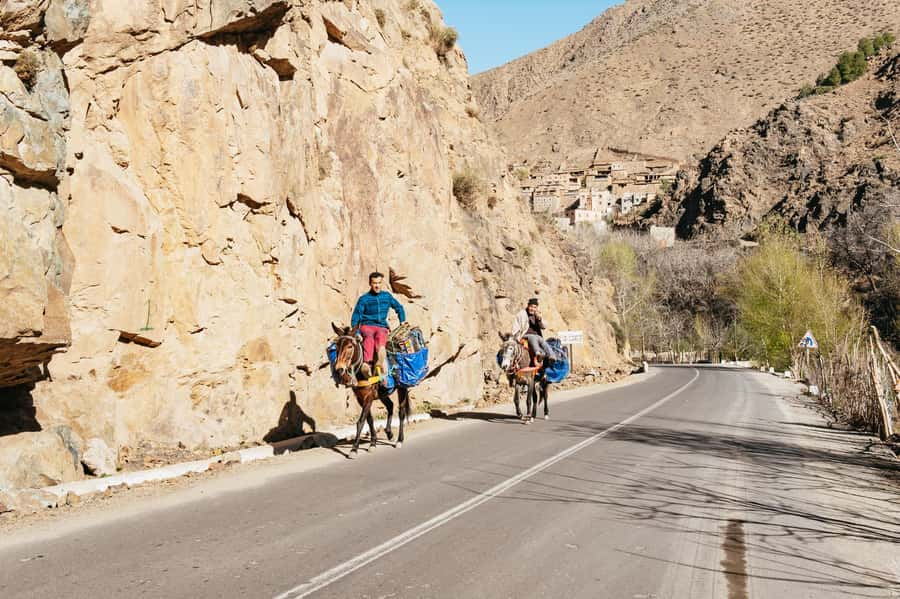
The guide is not just there to point out the path. On a mountain route, the guide controls the pace, watches the weather, explains safe foot placement, and decides when a route needs to change.
Kamal has been particularly praised for helping slower walkers, explaining Amazigh culture, and keeping mixed-age groups together. Mustafa is known for a friendly approach and careful pacing, while Hassan and Hussain have guided groups through difficult ground and changing weather. Mourad has also redirected a group onto a safer alternate route when conditions made the original plan unsuitable.
Names are not guaranteed, but the pattern is important. You should expect the assigned guide to adjust the day rather than force a fixed schedule. Heavy snow has sometimes blocked a planned path, and guides have chosen alternatives that kept the group moving safely.
The language range is broad: Arabic, English, French, Spanish, and German are listed. The quality of explanations can depend on the individual guide, but cultural discussion is a regular part of the walk. You can ask about village life, mountain routes, local customs, and the Amazigh communities along the way.
Food, water, and carrying your gear
Meals are included from lunch on the first day through lunch on the second. The usual setup is lunch during the walk, dinner at the accommodation, breakfast the next morning, and another lunch before the return to Marrakech.
Food is one of the strongest reasons this trip offers good value. Expect traditional Moroccan cooking rather than packed snack food, with tagine and other filling dishes prepared by the cook. Vegetarian meals have been provided, and gluten-free needs have been accommodated on some departures when communicated ahead of time.
You still need to carry water. Tea and coffee are included, but water is not something to assume is covered. Bring a refillable bottle and budget for purchased bottled water along the route.
Mules carry the overnight luggage, sleeping bags, and cooking equipment. You should still pack responsibly and keep your own daypack light. The mule is working equipment, not an excuse to bring a full suitcase.
What to pack for the Atlas Mountains
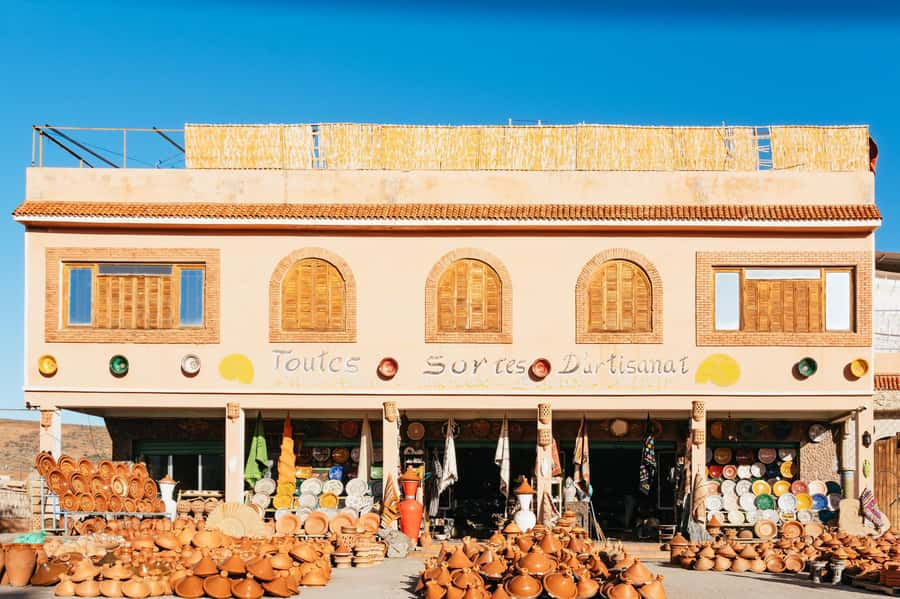
The supplied essentials are comfortable shoes, sunglasses, a sun hat, a camera, and sunscreen. I would treat those as the starting point, not the full kit list.
For a warmer season, add:
- Hiking shoes with good grip
- Lightweight layers
- A light rain jacket
- Water and personal snacks
- A small daypack
- Extra socks
- A walking pole if you use one
For winter, add much more warmth:
- Gloves
- A warm hat
- Thick socks and a spare pair
- A fleece or insulated jacket
- A sleeping bag liner
- Waterproof hiking shoes
- A buff or scarf for cold wind
- Hiking poles
The sun can feel strong during the climb, while clouds and wind can make the same day feel cold. Layering is the answer. Do not pack only for the temperature in Marrakech.
Snow can make the views spectacular, but it can also slow the walk and alter the route. Good waterproof footwear becomes especially important after snowfall or rain.
Is $96 good value?
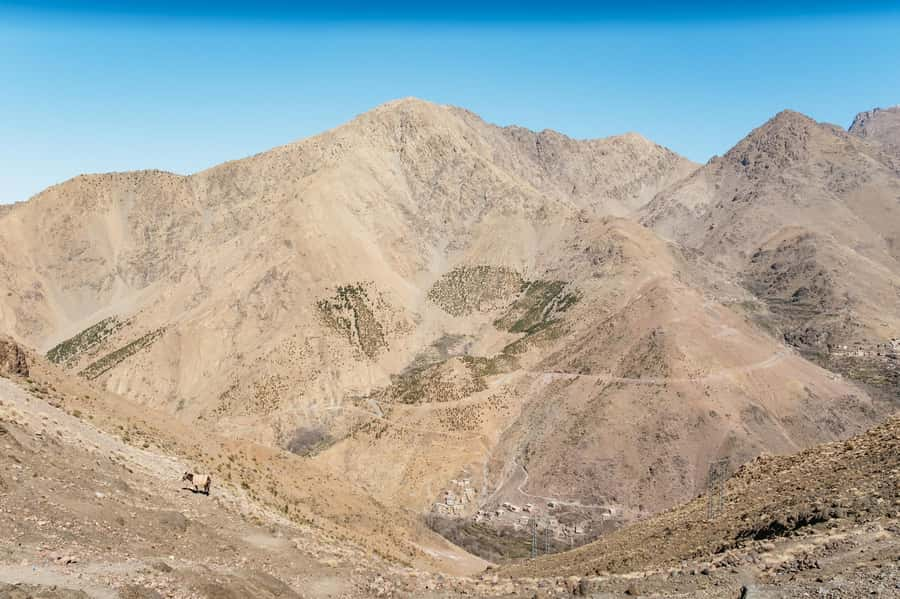
At $96 per person, this is a strong package if you want a guided mountain experience without arranging each part yourself. The price covers hotel pickup and return, the guide, cook, muleteers, mules for luggage, meals, coffee, tea, one night of accommodation, and sleeping bags.
The value is not just the number of included items. You are paying for local route planning, food preparation, transport between Marrakech and the mountains, and support if weather changes the route. Organizing all of that independently would take time and would not necessarily be cheaper.
The price does not cover every small expense. Water may need to be purchased, and you should bring money for personal needs. The basic accommodation also means you are choosing local mountain life over hotel comfort.
Free cancellation up to 24 hours before departure and a reserve-now, pay-later option make the booking less rigid. Starting times vary, so check the available departure when choosing your date.
Who should book this trek?
I would choose this trip if you have two days in Marrakech and want more than the medina, palaces, and souks. It gives you dramatic mountain views, village contact, and a proper walk without requiring a Toubkal summit.
It suits active beginners, families with older children, solo visitors comfortable in a group, and regular walkers who want a moderate route. A family with children aged 10 and 12 completed it successfully, and guides have adapted their pace for older walkers as well.
I would hesitate if you dislike cold rooms, shared facilities, uneven ground, or long uphill sections. Pregnant people should not book, since the activity is specifically listed as unsuitable for pregnant women.
You also need to be honest about your walking habits. If you rarely hike, the first climb may feel strenuous. If you regularly walk several miles, the route will likely feel manageable, with the altitude and rocky surface providing the main challenge.
Should you book it?
Book this trek if you want a high-value escape from Marrakech with real walking, local food, and a night in an Atlas village. The scenery is the headline, but the guides, mule team, shared meals, and quiet evening give the trip its character.
Choose a different trip if you want a summit climb, guaranteed long hiking days, heated lodging, or hotel-level comfort. For most people seeking a first taste of the High Atlas, this two-day route offers the right balance: challenging enough to feel earned, but short enough to fit into a Marrakech holiday.
FAQ
How long is the Marrakech Atlas Mountains trek?
The activity lasts two days. The advertised walking time is about five to six hours per day, but actual walking time can vary with the group’s pace, weather, breaks, snow, and route changes.
What mountain areas does the route visit?
The route begins in Imlil and includes Tizi Mzik pass, Azzaden Valley, Tizi Oussem, Id Issa, Tizi Oujdid pass, Matat, and a walnut grove beside a river.
Can I see Mount Toubkal?
The route includes views toward Mount Toubkal, the highest peak in North Africa. This experience does not describe a summit of Toubkal.
Where do I sleep?
You spend one night in a mountain village accommodation. It may be described as a riad, lodge, or guesthouse, with either private or shared bathroom facilities depending on the property and room assignment.
Is the accommodation heated?
Heating is not guaranteed. Winter temperatures can fall sharply at night, so bring warm clothing, thick socks, and a sleeping bag liner.
Are meals included?
Yes. Lunch and dinner on the first day, breakfast and lunch on the second day, coffee, and tea are included.
Is drinking water included?
Water is not listed among the included services. You should bring water and be prepared to buy bottled water along the route.
Who carries the overnight luggage?
Muleteers and mules carry luggage and equipment. You should still bring a small daypack for items needed during the walk.
What languages can the guide speak?
Guides may lead the activity in Arabic, English, French, Spanish, or German.
How large is the group?
The activity is described as a small-group experience with a maximum of 14 participants. Some departures may have fewer people.
Just added in Marrakech
- Quad Ride In The Agafay Desert★ 5.0 · 39 reviews
- Quad Biking Agafay desert★ 5.0 · 20 reviews
- Marrakech: Tailor-Made City Tour With Your Own Private Guide★ 4.9 · 236 reviews
- Surf Training and Lunch on Essaouira Day Trip from Marrakech★ 4.9 · 51 reviews
- Essaouira: Surf Trip from Marrakech★ 4.9 · 31 reviews
- Marrakech palm grove: Sunset camel ride★ 4.8 · 194 reviews
- Marrakech: Sunrise Desert Tour with Camel Ride and Breakfast★ 4.4 · 36 reviews
- Marrakech : Agafay Desert Sunset Camel Ride & Luxury Dinner★ 4.3 · 39 reviews
Atlas Mountains Day Trips, compared.
Atlas Mountains, Ourika Valley, Waterfall & Lunch
Read our review →
Berber villages : Atlas Mountains Day Hike from Marrakech
Read our review →
Ourika Waterfalls, Atlas Mountains, Guide + Lunch
Read our review →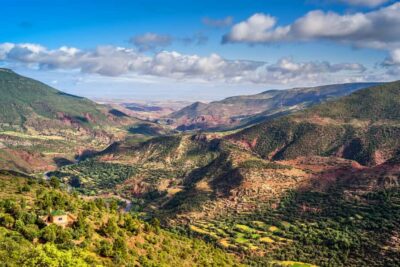
Atlas Mountains & Agafay Desert Tour w Camel Ride
Read our review →
Atlas Mountains, Waterfalls, Ourika Valley +Lunch
Read our review →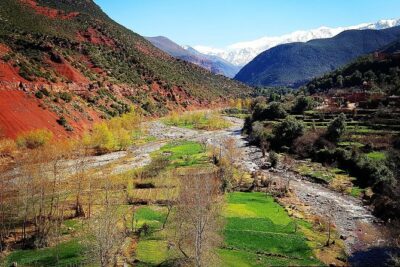
Atlas Mountains & 5 Valleys Tour from Marrakech – All inclusive –
Read our review →Browse the lists this tour appears in