
Reviewed · ATLAS MOUNTAINS DAY TRIPS
Marrakech: 3-Day High Atlas Mountains and Three Valleys Trek
The best part of this three-day Atlas Mountains trek is the steady change of scene. You walk from Imlil through Berber villages, walnut groves, high passes, and the waterfalls of Toubkal National Park, then return to Marrakech by road. The views and village life are the real draw, not a checklist of famous sights.
I like the small-group format, with no more than 10 people, and the way the guides adjust the pace to suit the group. I also like that muleteers carry the luggage while cooks prepare full meals, including options for vegan diets and food allergies. The drawback is rustic comfort: bedding may come with blankets but no sheets, and showers can be cold at the first lodge.
Key points to know before you book
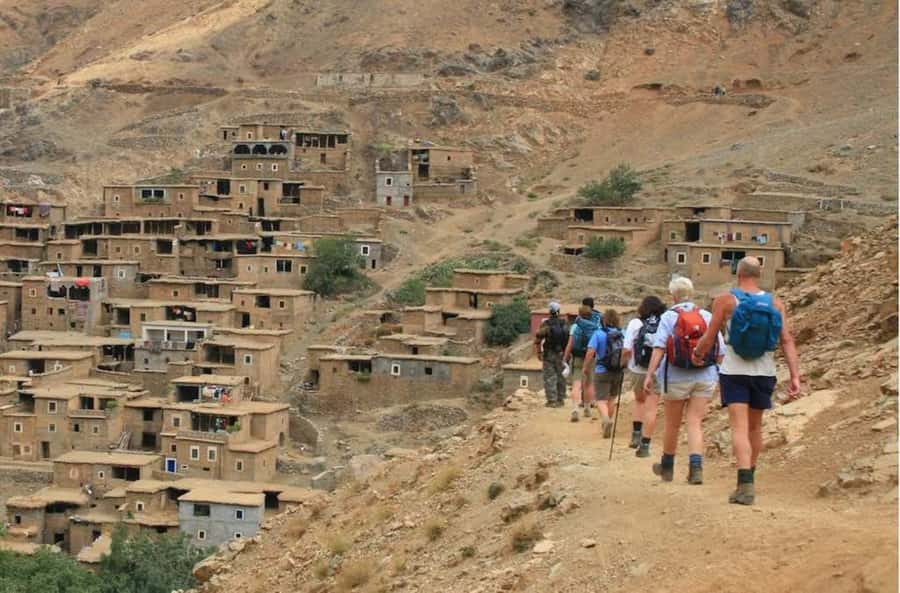
- Three full days on foot: Expect roughly 5 to 6 hours of walking on the first two days and about 6 hours on the third.
- High passes, not flat paths: The route reaches Tizi n’Tamterte at 2,300 meters, Oudit Pass at 2,200 meters, and Mzik Pass at 2,500 meters.
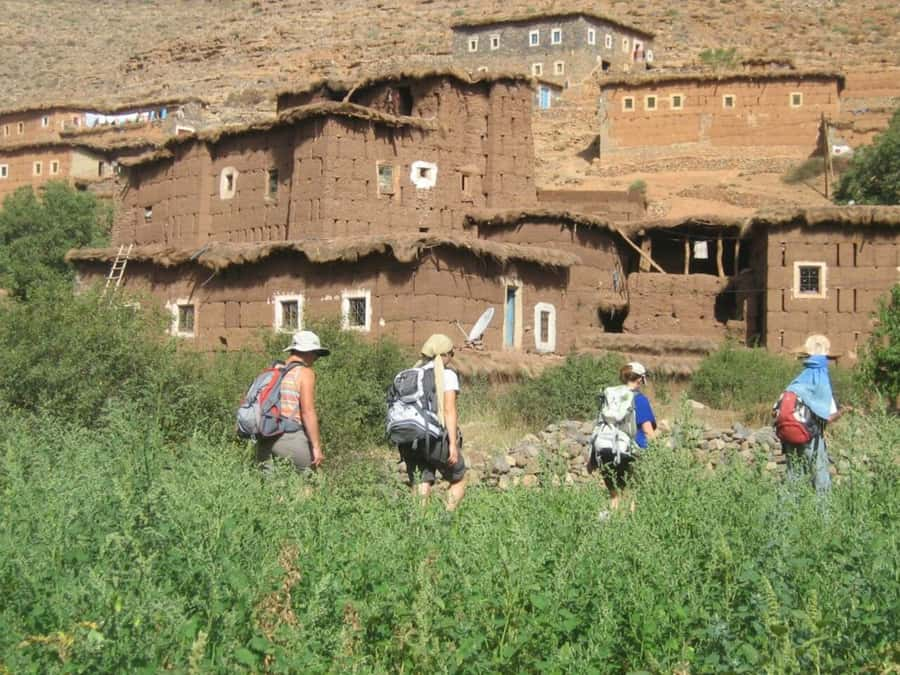
- A real village experience: You pass through mountain communities where daily life continues around you, rather than simply viewing the mountains from a vehicle.
- Food is a major strength: Three breakfasts, three lunches, and two dinners are included, with cooks such as Ibrahim, Mohamed, and Hassan preparing abundant Moroccan dishes.
- Simple overnight stays: Two nights are in mountain guesthouses or gites. Bring a sleeping bag liner, pillowcase, warm layer, and toilet paper.
- Good value for active visitors: At $227 per person, transport, a guide, mule support, lodging, and all trek meals are included.
Why three days works better than a quick Atlas outing
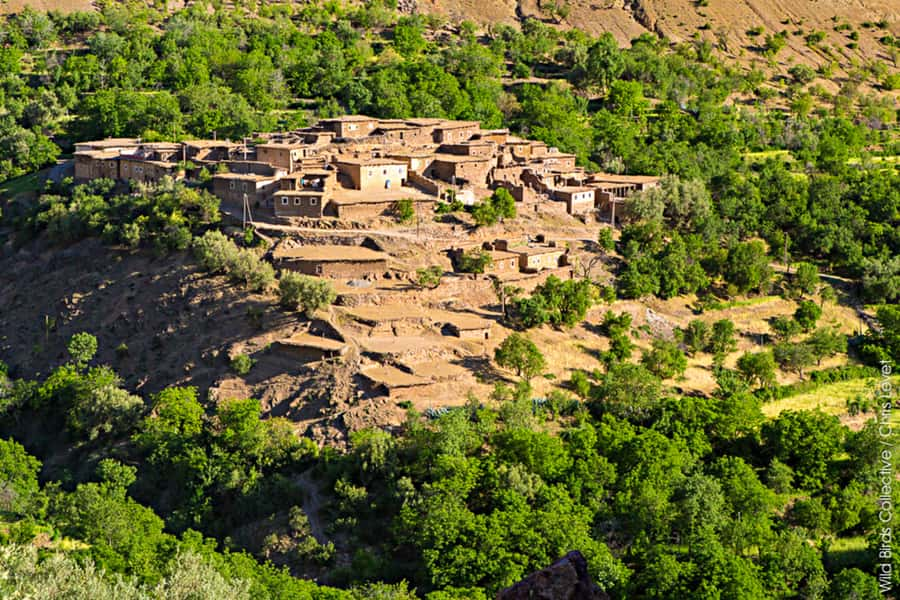
A day trip from Marrakech can show you the mountains, but it cannot give you much time in them. This route uses three days to move between valleys and overnight in mountain villages, so you spend less time looking through a vehicle window and more time walking at village level.
You will cover moderate but serious terrain. This is not a technical climbing trip, and you do not need to summit Toubkal. Still, the paths can be rocky, steep, and slippery on descents. If you regularly walk hills, you should find the pace manageable. If your usual holiday exercise is strolling through the medina, prepare with proper footwear and a little patience.
The tour includes hotel pickup and drop-off in Marrakech, air-conditioned transport to and from the trail area, a local guide, two nights of accommodation, and a muleteer with mules for luggage. That last detail matters. You carry a daypack, while the animals transport larger bags and food supplies.
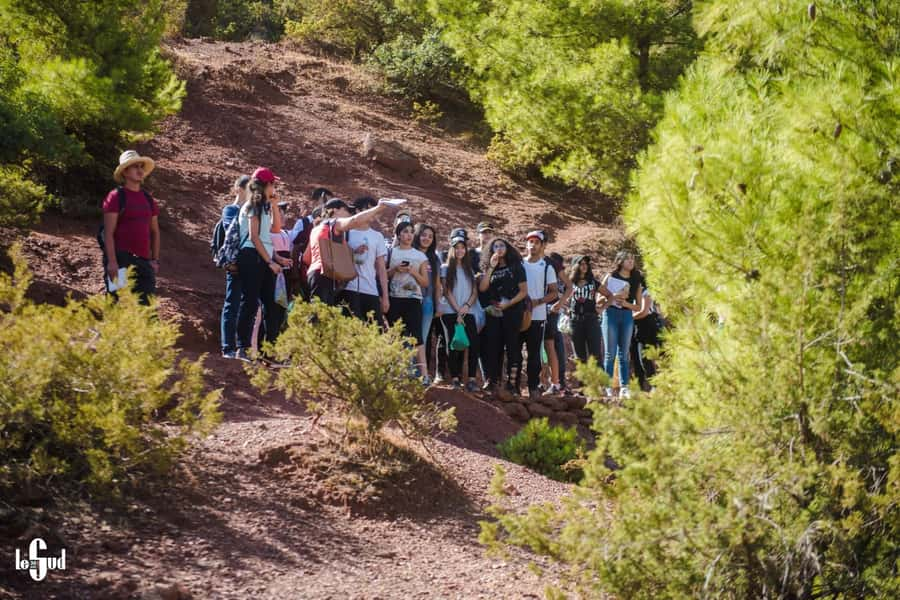
The advertised group limit is 10 people. Some departures may be smaller, even just two people, while other days can include a larger walking group. A small group gives your guide more room to adjust the pace and stop for photographs.
More of the High Atlas from Marrakech:
- Marrakech: Atlas Mountains, Ourika Valley, Waterfall & Lunch
★ 4.8 · 15,834 reviews - Berber villages : Atlas Mountains Day Hike from Marrakech
★ 5.0 · 14,007 reviews - From Marrakech: Atlas Mountains Full-Day Hiking Trip w Lunch
★ 4.8 · 7,417 reviews
Day one: Imlil to Tachdirt over Tizi n’Tamterte
The route begins in Imlil, at about 1,740 meters. This mountain village is the starting point for many High Atlas walks, but you are not simply heading up and back. The first day takes you away from Imlil toward Tizi n’Tamterte, a pass at roughly 2,300 meters.
The climb is gradual but noticeable. You will spend much of the day gaining height, so the first morning sets the tone for the rest of the trek. Comfortable boots or trail shoes are important here, especially if the path is loose underfoot.
Lunch is served near the pass, where the height opens up wide views across the surrounding peaks and valleys. This is one of the tour’s best uses of time. Rather than rushing through a packed schedule, you can eat, rest, and take photographs at a natural viewpoint.
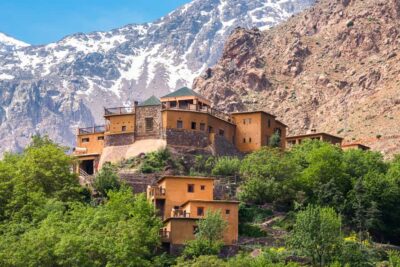
After lunch, the trail continues toward Tachdirt or Tinghourine, where you spend the night in a mountain guesthouse. The village setting gives you your first close look at rural Amazigh life. The experience is quiet and local, but do not expect hotel polish. Rooms are simple, and bedding may consist of blankets without a sheet.
The lodging has varied by departure. Some people have found clean, comfortable rooms with fine views, while others have dealt with cold showers. You should pack a sleeping bag liner or at least a sheet, plus a pillowcase. A light sleeping bag can also make cold nights more comfortable, especially in winter.
Your first dinner is included, and the food is generally a generous part of the experience. Moroccan tagines, salads, bread, tea, and other simple local meals are prepared along the route. You are unlikely to need a heavy supply of snacks, although a few are useful if lunch comes later than expected.
Day two: Aguersiwal, Matat, and the Oudit Pass
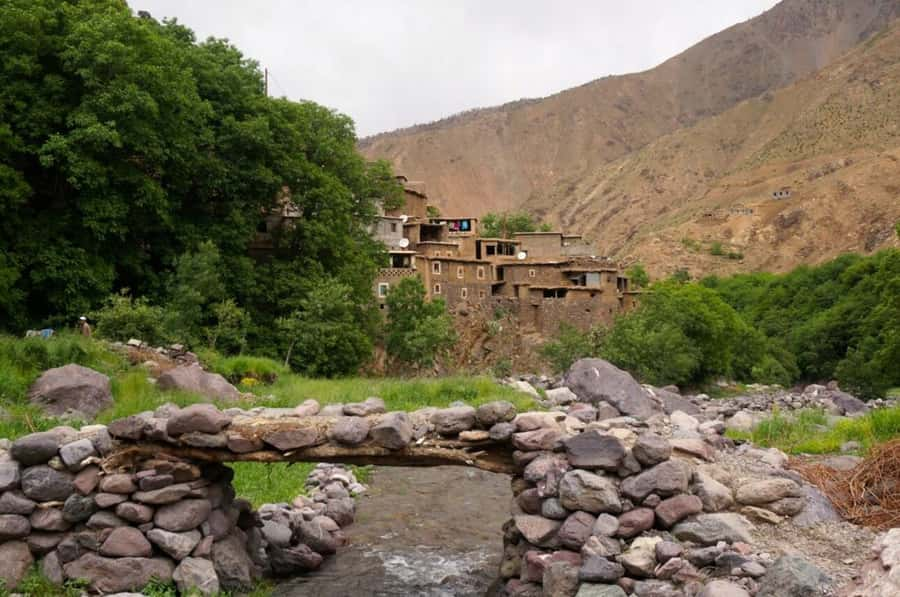
The second day links several mountain communities. You leave Tachdirt and walk toward Aguersiwal, then continue through Matat and onward to Ait Aissa. The route reaches Aguersiwal Pass at about 2,100 meters and Oudit Pass at about 2,200 meters.
This is perhaps the most varied day. The path moves between open high ground and inhabited valleys, with village buildings, cultivated slopes, and changing views around each turn. In spring, you might find fruit trees in bloom. The walk among cherry and apple blossoms can be especially lovely, though the exact display depends on the season.
You should expect another 5 to 6 hours of walking. The distances are not presented as extreme, but the ups and downs add work. The guide’s pacing makes a difference. Guides named Abdul, Abdo, Kamel, Mustafa, and Abdulaziz have been praised for stopping for photographs, explaining Amazigh culture, and matching the pace to the group.
The cultural side of the walk is strongest when you are moving through villages instead of stopping at a staged attraction. You may see people going about ordinary work, and your guide can explain the communities and mountain lifestyle. Some guides also arrange tea stops with local families or invite you to meet relatives. These moments are not guaranteed, but they show how a local guide can add much more than route-finding.
Ait Aissa is the overnight base. The gite offers a place to rest after the longest part of the day, and a steam shower may be available. Conditions vary, so treat hot water as a welcome bonus rather than a certainty. Electricity, Wi-Fi, and mobile service have been available at some mountain lodges, but connectivity should not be the reason you book this trip.
This is a good evening to bring a book or cards. Internet access may be limited or absent, and that is part of the appeal if you want a break from Marrakech’s noise. Bring cash for tips to the guide, muleteer, and cook. Tips are not included in the stated price.
Day three: waterfalls, Mzik Pass, and the return to Imlil
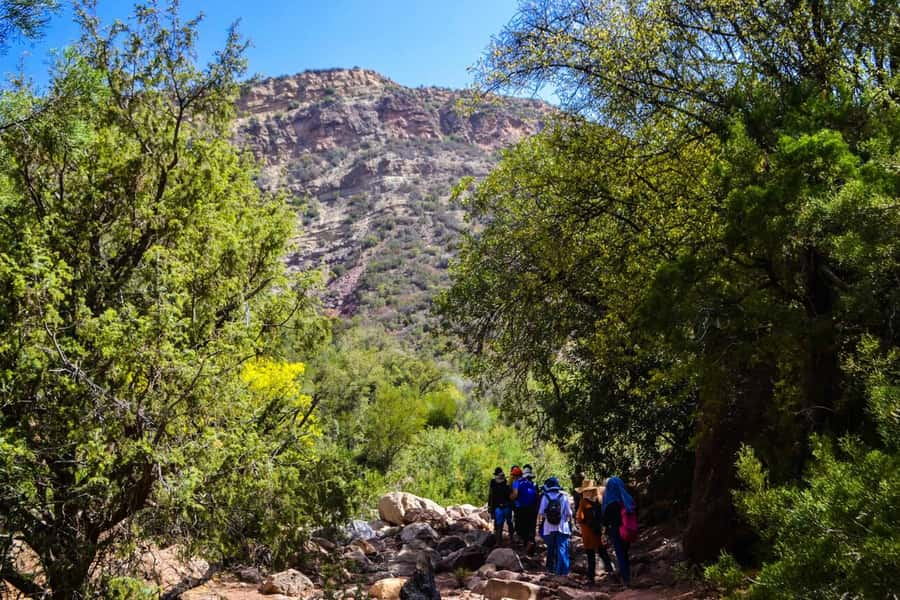
The final day combines a waterfall stop with the highest pass on the route. From Ait Aissa, you walk toward the waterfalls in Toubkal National Park before continuing to Mzik Pass at about 2,500 meters.
The waterfalls provide a welcome change from the long valley walks. You get a natural point of interest before another climb, and the water makes a good setting for a break and photographs. The route then rises toward Mzik Pass, where you look across the Ait Mizan Valley.
This final pass is the highest listed point on the trek, so the climb may feel demanding after two days on foot. Take your time. The purpose is not to race uphill, and your guide can set a workable rhythm. The views from the pass are the payoff, with broad mountain scenery rather than a single monument or viewpoint.
Lunch follows in Mzik, then you descend to Imlil. Downhill sections can be harder on the knees than the climbs, and loose stones make hiking boots or sturdy trail shoes a sensible choice. One person completed the route in good trainers after plenty of hill walking, but the safer advice is to wear footwear with firm grip.
At Imlil, transport takes you back to Marrakech. The road transfer is included and has been described as comfortable and well organized. Pickup and drop-off can be arranged around the Medina, which is useful because vehicles cannot always reach every narrow riad lane.
Same base, a different sort of day:
- Marrakech: Agafay Desert Sunset, Camel Ride, and Dinner Show
★ 4.6 · 35,119 reviews - From Marrakech: Ouzoud Waterfalls Guided Hike and Boat Trip
★ 4.7 · 33,630 reviews - Marrakech: Agafay Desert Quad & Camel Rides with Dinner Show
★ 4.8 · 27,382 reviews - Marrakech: Agafay Desert Quad Biking Tour with Dinner-Show
★ 4.8 · 16,569 reviews
The food, mule support, and local guides
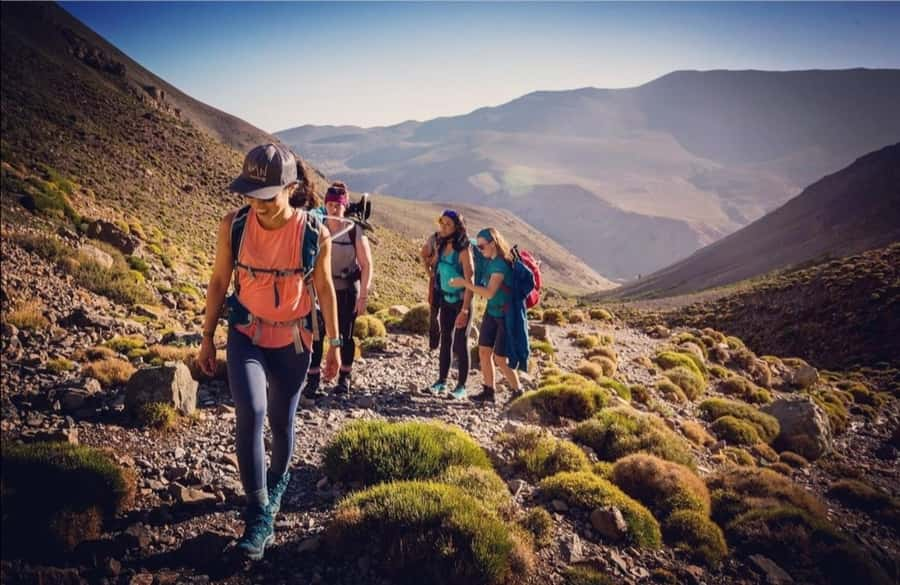
Food is included for the full walking days: three breakfasts, three lunches, and two dinners. Cooks such as Ibrahim, Mohamed, Hassan, Samir, and Braham have prepared tagines, salads, bread, tea, and other filling Moroccan meals. The portions are usually large enough that you should not pack a full second food supply.
If you have dietary needs, tell the provider before departure. Vegan meals and allergy-friendly cooking have been handled with fresh ingredients. Breakfast may lean sweet or simple by European standards, so mention your preference if you would rather have a more traditional Moroccan breakfast such as msemen or an omelet.
The muleteer and mules carry luggage, cooking supplies, and other equipment. This keeps your daypack lighter and lets the food team prepare meals away from the road. It is also a direct connection to the working economy of the mountain villages.
The guide is central to the experience. A good guide does three jobs: keeps the pace sensible, explains the route and local culture, and helps you understand what you are seeing. Guides including Abdul, Abdou, Mustafa, Kamel, and Abdulaziz have been praised for kindness, safety awareness, and local insight. Language support is available in English and French, though individual fluency can vary.
What the $227 price really covers
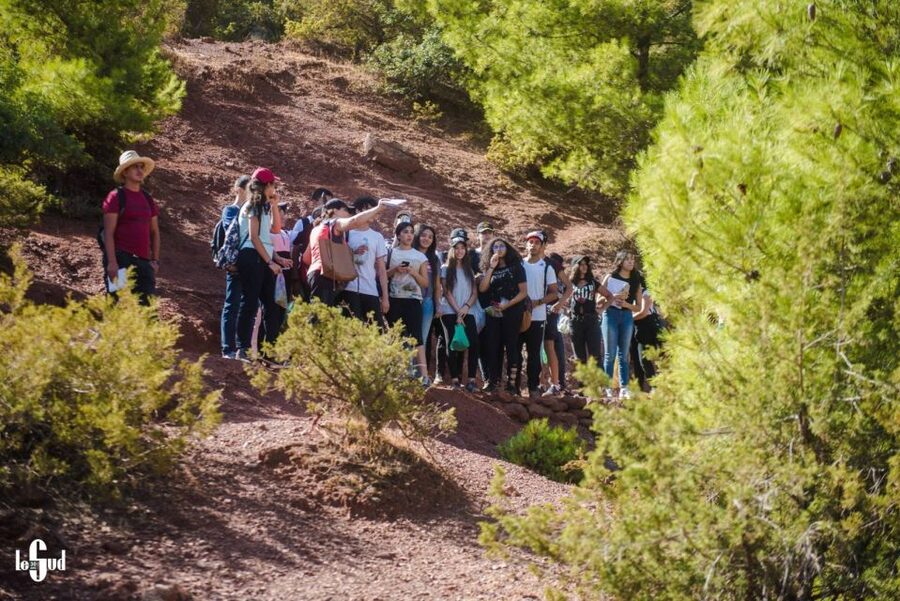
At $227 per person, the tour is not simply paying for three walks. The price includes transport from Marrakech, a local guide, two nights of lodging, mule support, and eight included meals. For a three-day mountain trip, that makes the cost reasonable, especially when you consider the people needed to move luggage and prepare food.
The value is strongest if you want the route organized for you. You do not need to arrange separate transport to Imlil, find a guide, negotiate mule support, or locate overnight accommodation in remote villages. You also avoid carrying all your clothing and supplies over the passes.
The tradeoff is comfort. This is not a luxury mountain lodge experience. You may encounter basic rooms, blankets without sheets, a cold shower, and limited internet. Bring a liner, warm sleeping clothes, a towel, sunscreen, a hat, sunglasses, and toilet paper. Mineral water and soft drinks are not included, so keep some cash available for drinks along the route.
Free cancellation is available up to 24 hours before departure, and you can reserve now and pay later. Starting times depend on availability, so confirm the schedule before you book.
Who should book this trek
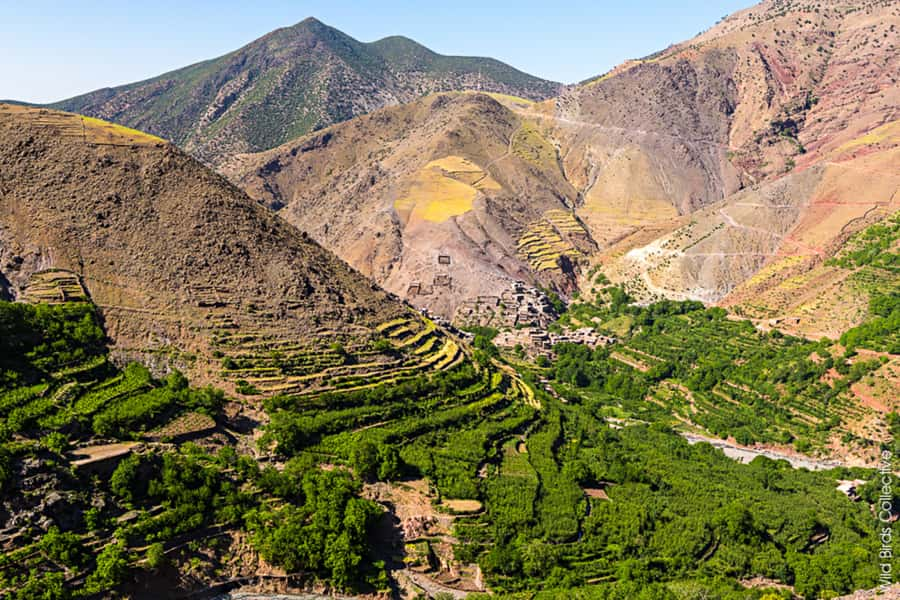
I would choose this trip if you want a proper introduction to the High Atlas without committing to a high summit. You get mountain passes, waterfalls, village life, local meals, and two nights away from Marrakech, but you do not need mountaineering skills.
It suits people who enjoy walking for several hours, families with older children who are comfortable on steep paths, and visitors who want more cultural contact than a sightseeing bus provides. It also suits solo visitors who prefer an organized small group.
I would not choose it if you need step-free access, have a heart condition, are pregnant, or use a wheelchair. The route includes significant climbs, uneven ground, and rocky descents. You should also think twice if you need hotel-style bedding, reliable hot water, or constant internet.
Summer can work better than you might expect, since mountain temperatures are cooler than Marrakech during the day, though the route can still feel hot in the sun. Winter evenings can be cold, so pack accordingly. Spring may offer flowering fruit trees, while each season changes the color and feel of the valleys.
Should you book the High Atlas three-day trek?
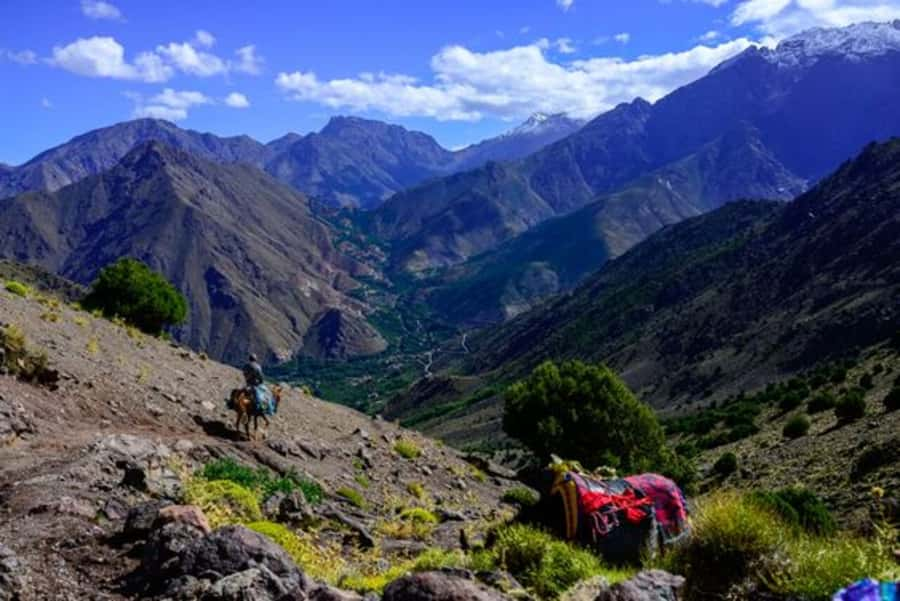
Book it if your priority is mountain walking with genuine village contact, not luxury. The strongest parts are the varied route, the local guides, the generous cooking, and the chance to spend two nights in the mountains instead of squeezing the Atlas into a day trip.
Go in with realistic expectations. The walking is moderate only if you are reasonably fit, the descents can be rough, and the guesthouses are basic. Bring proper footwear, a sleeping liner, warm layers, sunscreen, and a small amount of cash.
For $227, this is a strong-value choice for an active visit to Morocco. It gives you enough time to slow down, learn about Amazigh communities, and let the mountains provide the entertainment.
FAQ
How long is the tour?
The experience lasts three days, including the trek and transport back to Marrakech.
How many hours do you walk each day?
The first and second days involve about 5 to 6 hours of walking. The third day takes about 6 hours.
Where does the trek begin?
The walking starts in Imlil, at an altitude of about 1,740 meters.
How high do the mountain passes reach?
The route crosses Tizi n’Tamterte at about 2,300 meters, Oudit Pass at about 2,200 meters, and Mzik Pass at about 2,500 meters.
Where do you sleep?
You spend two nights in mountain guesthouses or gites in villages including Tachdirt or Tinghourine and Ait Aissa.
Are meals included?
Yes. The price includes three breakfasts, three lunches, and two dinners during the trek.
Is drinking water included?
No. Mineral water and soft drinks are not included, so you should bring money to purchase drinks along the route.
What languages does the guide speak?
Guides are available in English and French.
What should you bring?
Bring your passport or ID card, comfortable hiking shoes, a towel, sunscreen, a hat, and sunglasses. A sleeping bag liner, pillowcase, warm layer, and toilet paper are also useful based on the simple lodging conditions.
Is the trek suitable for everyone?
No. It is not suitable for pregnant women, wheelchair users, or people with heart problems. The route includes steep and rocky sections, so you should also be comfortable walking for several hours.
Just added in Marrakech
- Quad Ride In The Agafay Desert★ 5.0 · 39 reviews
- Quad Biking Agafay desert★ 5.0 · 20 reviews
- Marrakech: Tailor-Made City Tour With Your Own Private Guide★ 4.9 · 236 reviews
- Surf Training and Lunch on Essaouira Day Trip from Marrakech★ 4.9 · 51 reviews
- Essaouira: Surf Trip from Marrakech★ 4.9 · 31 reviews
- Marrakech palm grove: Sunset camel ride★ 4.8 · 194 reviews
- Marrakech: Sunrise Desert Tour with Camel Ride and Breakfast★ 4.4 · 36 reviews
- Marrakech : Agafay Desert Sunset Camel Ride & Luxury Dinner★ 4.3 · 39 reviews
Atlas Mountains Day Trips, compared.
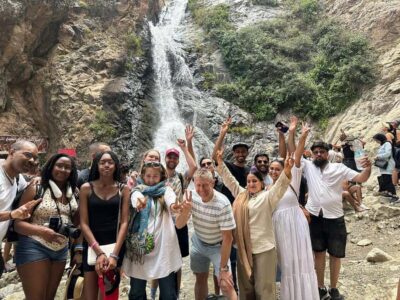
Atlas Mountains, Ourika Valley, Waterfall & Lunch
Read our review →
Berber villages : Atlas Mountains Day Hike from Marrakech
Read our review →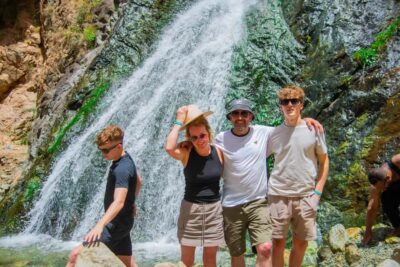
Ourika Waterfalls, Atlas Mountains, Guide + Lunch
Read our review →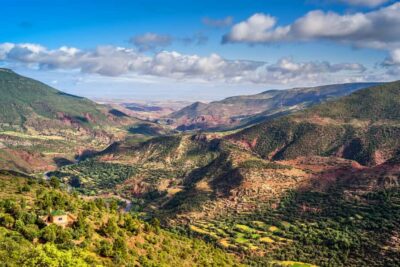
Atlas Mountains & Agafay Desert Tour w Camel Ride
Read our review →
Atlas Mountains, Waterfalls, Ourika Valley +Lunch
Read our review →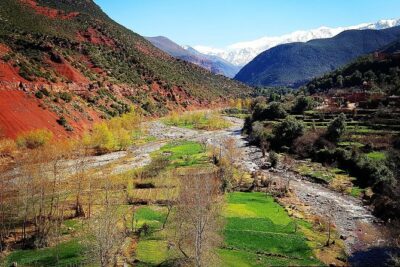
Atlas Mountains & 5 Valleys Tour from Marrakech – All inclusive –
Read our review →Browse the lists this tour appears in