Reviewed · TOURS IN MARRAKECH
Marrakech: Moroccan Pastries and Tea Class with a Local
Marrakech’s souks can be a lot to take in. This 2.5-hour pastry class gives you a welcome change of pace, with hands-on baking, mint tea, and a box of treats for later. You learn the small, precise steps behind Moroccan sweets, including traditional pastries such as fekkas and Kaab el Ghazal.
I especially like two things here: you do the work yourself, rather than simply watching a demonstration, and the tea lesson adds a useful piece of Moroccan food culture to the baking. The class also suits families well, with one small group enjoying a private session and teenage children taking part.
The main consideration is that pastry making can be fiddly. If you want a relaxed tasting with little effort, this may feel more practical than polished. Also, the exact workshop location is sent before the date, so you need to allow time to find it.
Key details at a glance
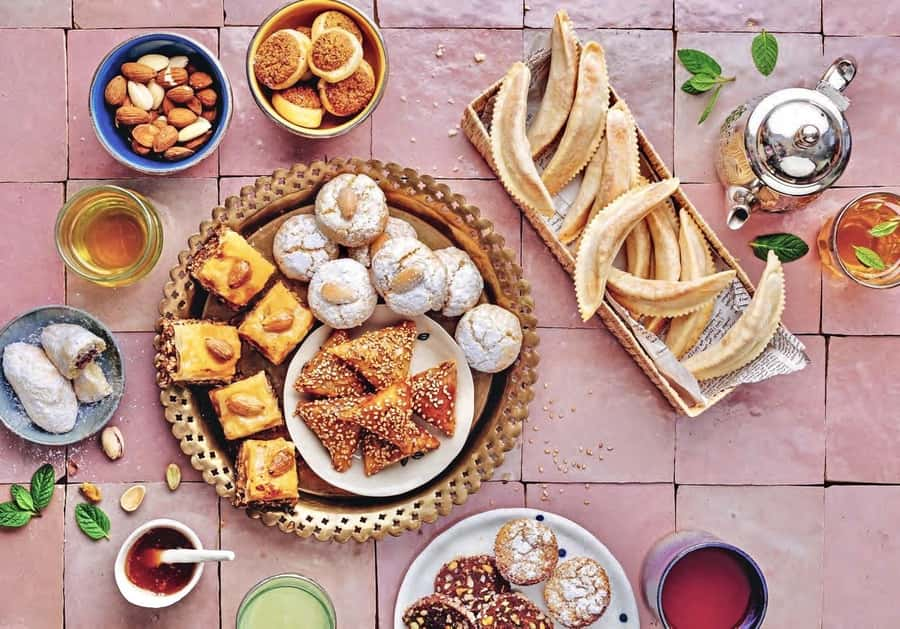
- Traditional pastries: Learn recipes and techniques for Moroccan treats, including fekkas and Kaab el Ghazal.
- Mint tea lesson: Prepare Moroccan tea and practice the traditional pouring style before sitting down to taste.
- Take-home box: Pack up pastries at the end, giving you something to enjoy later or share with family.
- Small groups: The class accepts no more than 10 people, and smaller bookings may become private sessions.
- Useful ingredients: Work with flavors such as fennel seeds and orange blossom water.
- Flexible booking: Pay later and cancel up to 24 hours before the experience for a full refund.
Why a pastry class fits a Marrakech itinerary
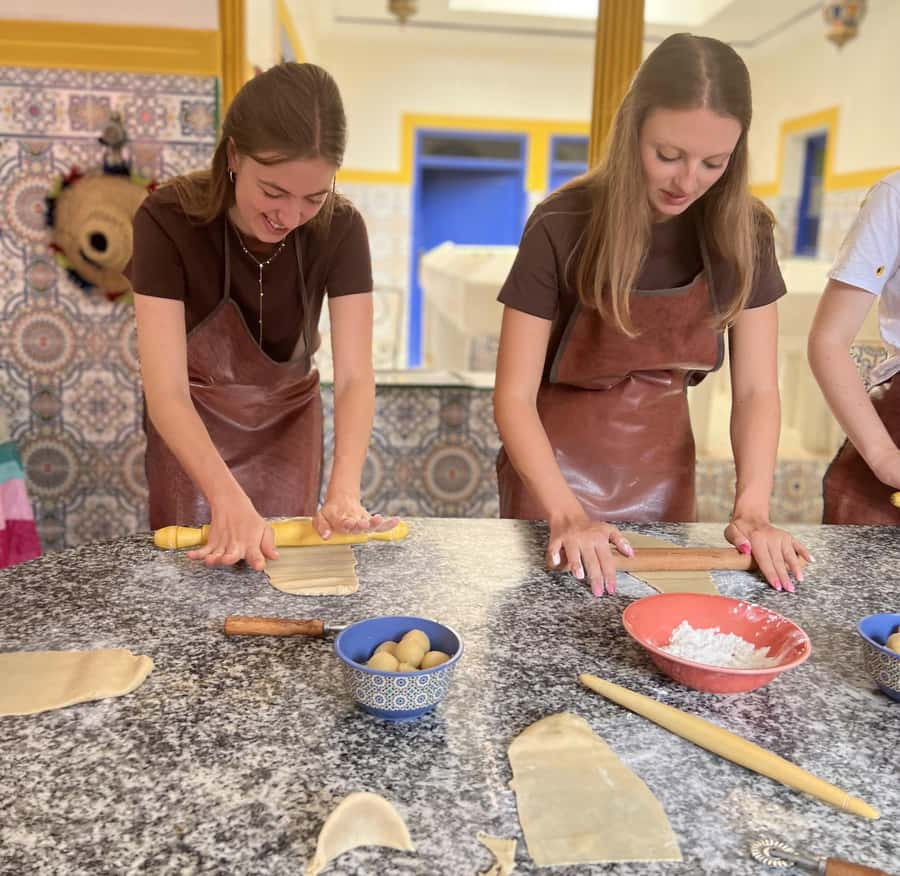
Marrakech is full of food experiences, but not all of them give you much to do. This one puts you at the worktable. You measure, shape, handle the dough, and follow the instructor’s method before tasting the results.
That matters if you want to carry part of the trip home in a useful way. The recipes are not only something to eat during your stay. One participant had already tried them at home after returning, which tells you that the class aims to teach practical methods rather than offer a one-off snack.
The setting also gives your day a different rhythm. After time in the souks, a pastry workshop lets you sit down, focus on a simple task, and talk with the people in your group. It is still active, but it is not physically demanding in the way a long walking tour can be.
The class has a rating of 4.7 from 84 bookings, and the strongest pattern is clear: people value the friendly instruction, the amount of food made, and the warm finish with tea. One point worth noting is that at least one participant wished they had asked for the recipe at the end. I would make that request before leaving.
A few more things to do in Marrakech worth a look
- Tangier: Sunset, Tea, Sweets, Camel Ride, and Hercules Caves
★ 4.9 · 575 reviews - boat trip from 9 am to 3 pm fishing & swimming & barbecue & dessert
★ 4.0 · 36 reviews - Moroccan Crepes & Pastries Kitchen
★ 4.9 · 34 reviews
The first stage: learning the Moroccan pastry method
Your session begins with an introduction to Moroccan pastry making and the techniques that give these sweets their character. The wording of the experience stresses simple but precise methods, and that is a useful expectation to set. Moroccan pastries may look small, but shaping and finishing them can take care.
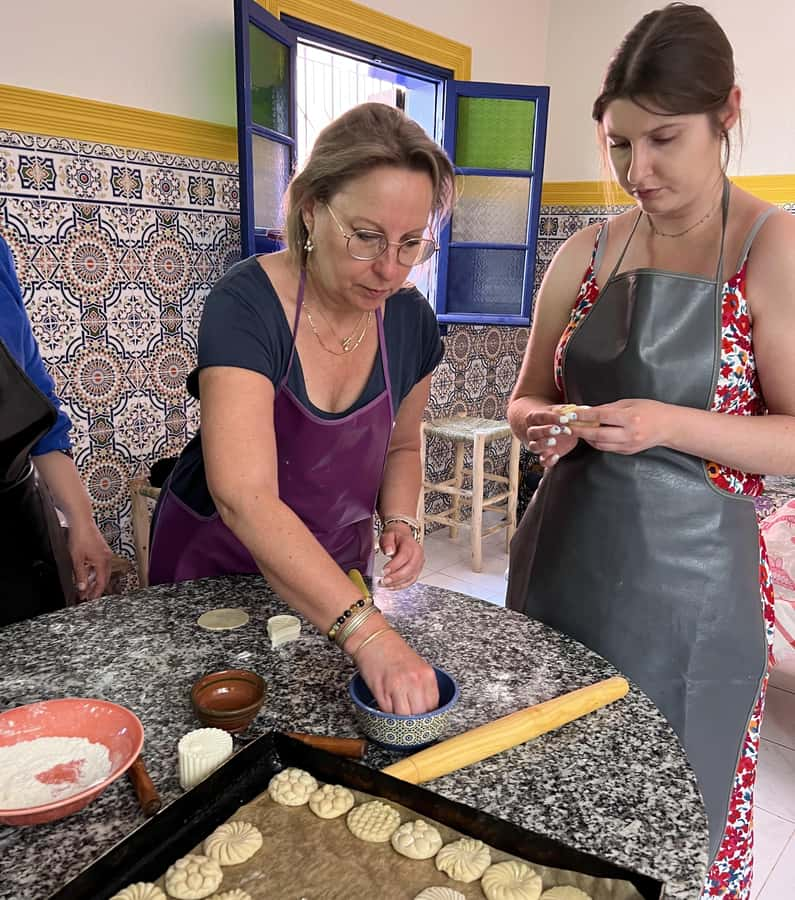
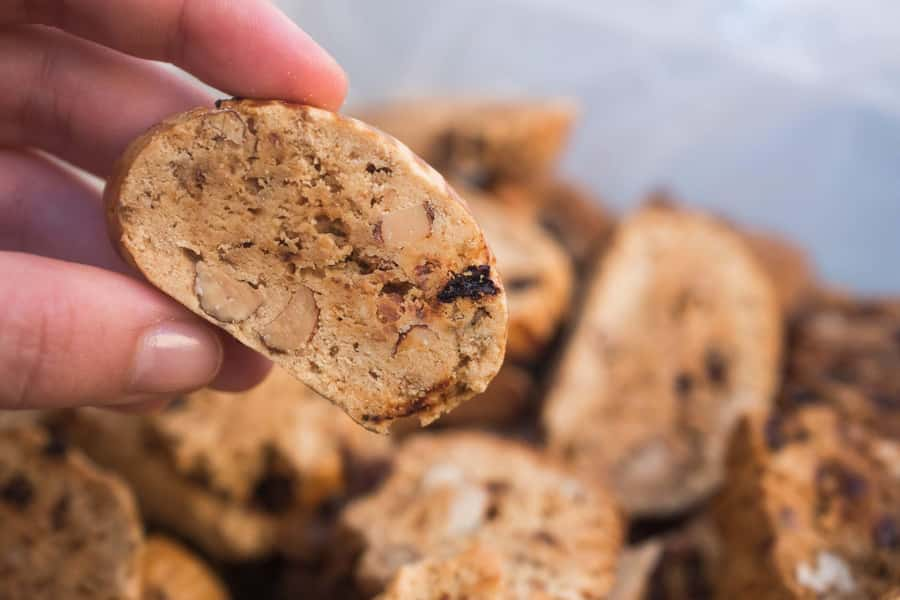
You might work through several types of biscuits and pastries during the session. Fekkas and Kaab el Ghazal are specifically included in the experience, and one family made both along with other pastries. Fekkas are known for their firm, biscuit-like texture, while Kaab el Ghazal is a more delicate pastry associated with almond filling and a curved shape.
The instructor shows you each step as you go. That is particularly helpful if you have little or no baking experience. One participant booked the class before heading to Merzouga and found it suitable even without previous baking skills. You do not need to arrive as a confident cook.
At the same time, do not expect the work to be completely effortless. One person described the process as hard but satisfying. That is part of the appeal. You are learning the details that make the pastries work, not simply assembling a ready-made mixture.
Ingredients that give the pastries their Moroccan flavor
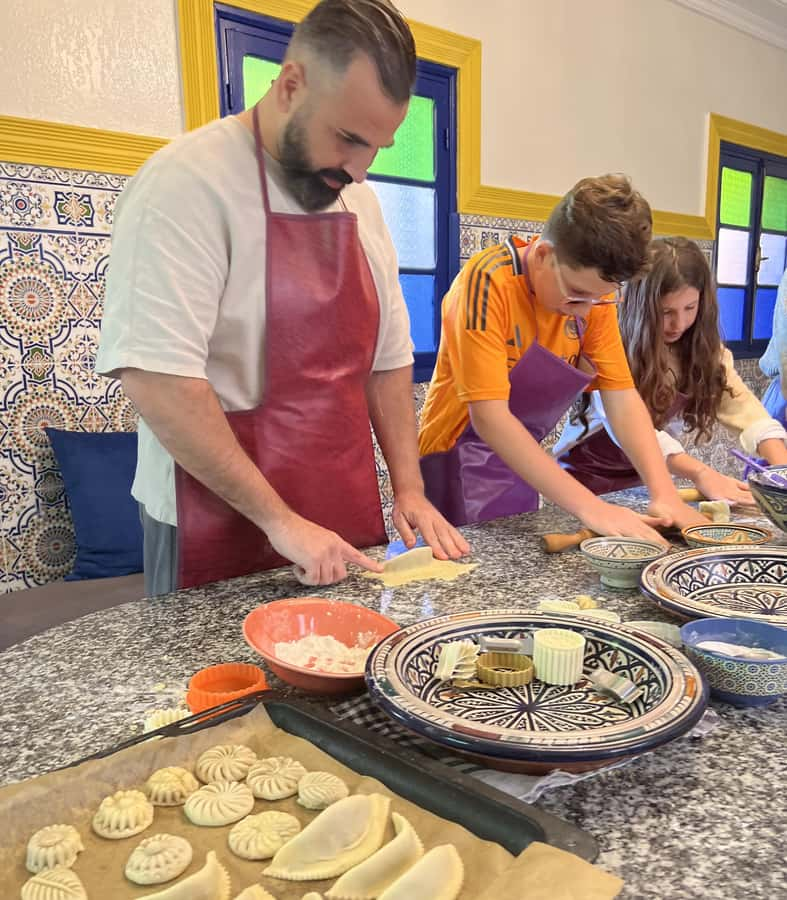
The class introduces ingredients that may be less familiar if your baking usually relies on vanilla, cinnamon, or chocolate. Fennel seeds and orange blossom water were singled out as memorable parts of the session.
Orange blossom water gives many Moroccan sweets a floral scent and taste. It can be easy to use too much at home, so seeing how it fits into the recipe is useful. Fennel seeds add a warm, lightly sweet note and a small crunch in some preparations.
These ingredients are not included just for decoration. They help explain why Moroccan pastry tastes different from standard European biscuits. The workshop connects the ingredients with the techniques, so you can understand not only what goes into the dough but also why the finished pastry has its particular flavor.
If you have food allergies, provide that information in advance. The class includes ingredients and shared cooking equipment, so this is an important step before booking rather than something to sort out at the table.
Fekkas, Kaab el Ghazal, and the pleasure of making enough
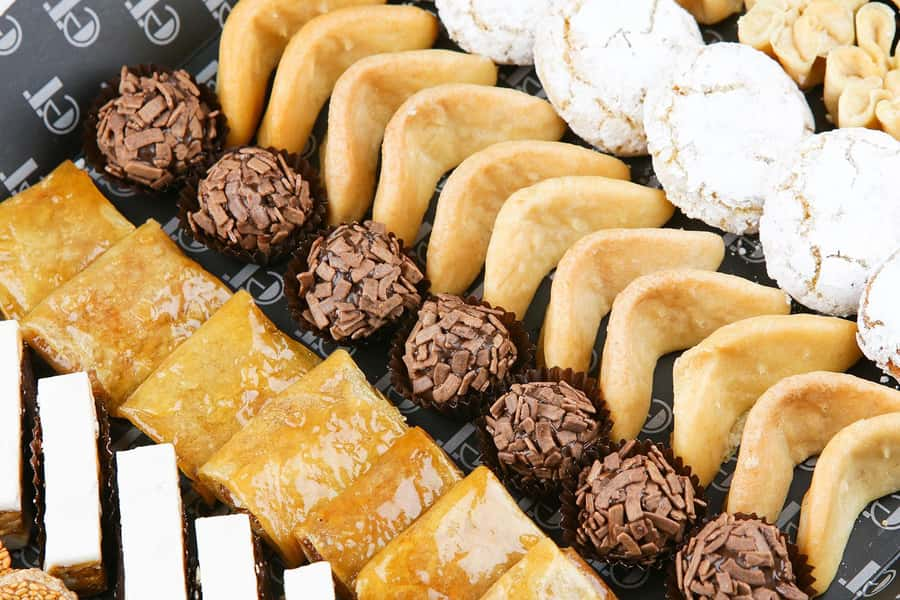
One strong feature is the quantity. You are not making one tiny sample and watching the rest of the baking happen elsewhere. The class produces enough pastry for a tasting at the end and a box to take home.
That makes the $40 price easier to judge. You receive instruction, equipment, ingredients, a tasting, mint tea, and a take-home box. If you are comparing this with a simple food tasting, the class offers more time and more participation. If you are comparing it with a full cooking course, it is shorter and focused on one category of Moroccan food.
Fekkas and Kaab el Ghazal also give the session some range. You get a biscuit-style pastry and a more shaped, delicate sweet rather than one repeated recipe. The work can be exacting, but the result is satisfying because you can see several finished forms on the table.
For a family, the take-home portion is a real plus. One family with two teenage boys enjoyed the hands-on work and brought the pastries home. The box also helps if you are heading to another part of Morocco and want something ready to eat later.
Same base, a different sort of day:
- Marrakech: Agafay Desert Sunset, Camel Ride, and Dinner Show
★ 4.6 · 35,119 reviews - From Marrakech: Ouzoud Waterfalls Guided Hike and Boat Trip
★ 4.7 · 33,630 reviews - Marrakech: Agafay Desert Quad & Camel Rides with Dinner Show
★ 4.8 · 27,382 reviews - Marrakech: Agafay Desert Quad Biking Tour with Dinner-Show
★ 4.8 · 16,569 reviews
The tea lesson is more than a final drink
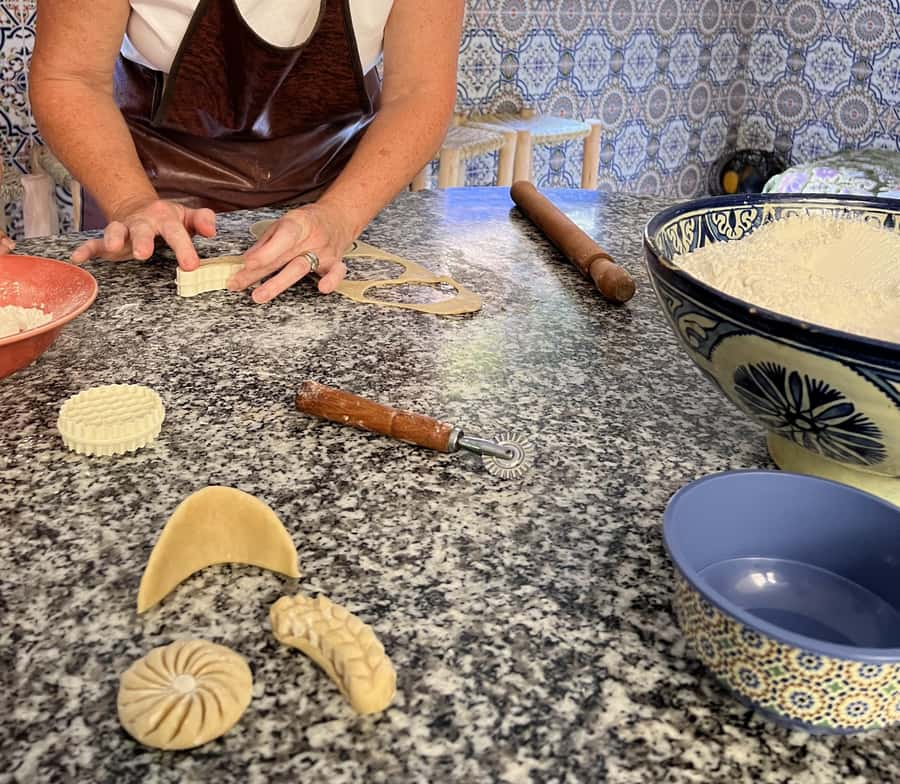
After the pastry work, the class turns to Moroccan mint tea. You learn how to prepare the tea and then taste it with the baking.
The tea lesson adds a social side to the experience. Everyone can have a go at pouring, which creates a light, entertaining finish, especially for children and teenagers. The pouring itself is part of the presentation, not just a way to fill a glass.
This final stage also helps you understand how Moroccan pastries are served. Sweet tea and small pastries belong together, so the tasting feels like a complete local snack rather than a detached cooking exercise.
You should expect a generous tasting, but additional food and drinks are not included. The included tea is the Moroccan mint tea served with your pastries. Bring water, especially if you are visiting Marrakech in warm weather.
A small group, with a chance of a private session
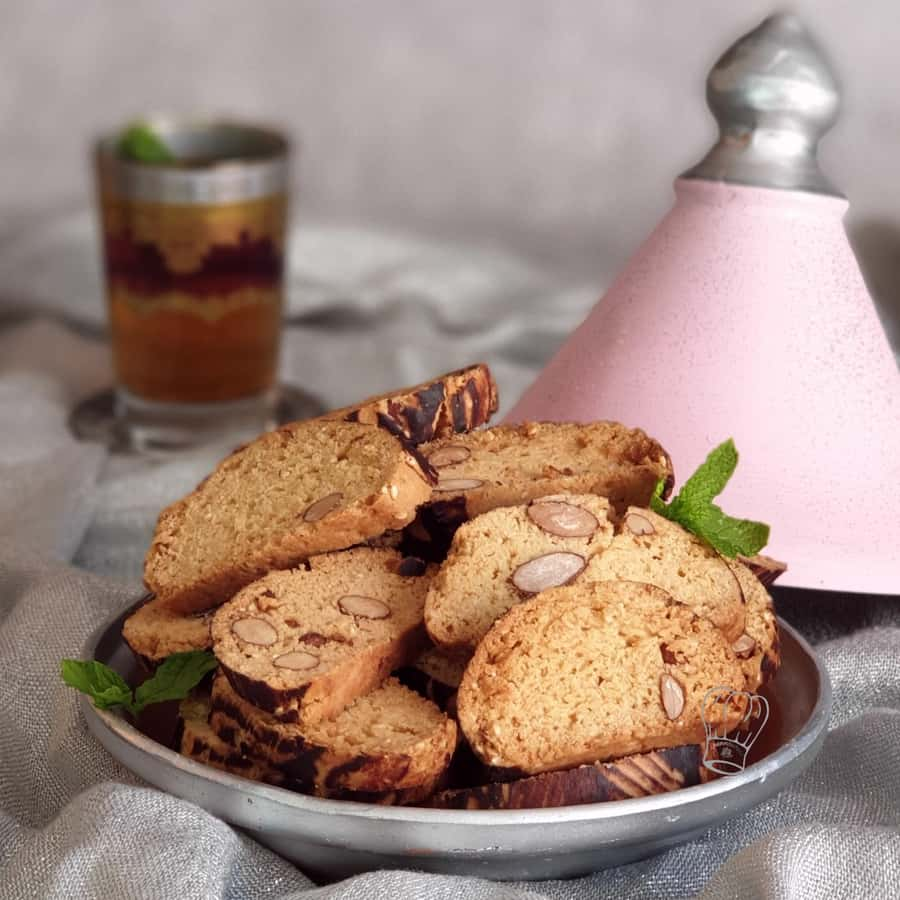
The maximum group size is 10 people. That is small enough for the instructor to watch your technique and help as you work, while still giving the session a social feel.
Your actual group may be smaller. A booking for four people, including two teenagers, became a private class. Another booking for two also had close help with arrival and directions. This is not guaranteed, but it shows why the group limit matters.
A small group also helps if you need to ask questions about ingredients, shaping, or when the pastries are traditionally eaten. The class is offered in Arabic, French, and English, so check that the language you need is available when you reserve.
The atmosphere is described as lively and easy to follow, but the format remains hands-on. You will have to pay attention, especially during shaping and preparation. Comfortable clothes are the sensible choice, and you should wear something suitable for cooking.
Finding the workshop and planning your arrival
The exact workshop location is sent before the experience date. That gives you the information you need, but it means you should not plan to simply turn up at a fixed public landmark.
Build in extra time for the journey. One participant arrived by taxi, ran late, and needed help from the instructor to direct the driver and find the door. The staff handled the situation well, but a late arrival can cut into a 150-minute class.
Hotel pickup and drop-off are not included. You arrange your own way to the workshop, and the exact meeting information arrives before the date. Keep your phone available on the day in case you need the directions.
The full activity lasts 150 minutes, or two and a half hours. That is long enough to learn several pastry techniques without taking up your entire day. I would place it between major sightseeing plans rather than at the end of a tightly timed day, since taxi delays and finding the entrance can make the schedule less predictable.
Who will get the most from this class?
I would recommend it to you if you want a practical food activity rather than a restaurant meal. It works especially well for:
- Families with children over four, particularly teenagers who enjoy making and tasting food.
- First-time bakers who want close instruction.
- Couples or small groups looking for a calm break from souk visits.
- Anyone who wants Moroccan recipes to try at home.
- People who like edible souvenirs and want more than a shop-bought box.
It may be less suitable if you dislike detailed hand work or have very limited time in Marrakech. You also need to provide allergy information before the class and have an adult accompany anyone under 18.
Children under four cannot take part. Older children can join, but the class involves cooking tasks, equipment, and attention to instructions, so an adult should stay involved.
Is $40 good value?
At $40 per person, the value depends on what you want from a food activity. You get a 150-minute class, local instruction, cooking equipment, ingredients, mint tea, a tasting, and a box of pastries.
That is good value if you would otherwise spend money on several pastry snacks and want to learn how they are made. It is also useful for families because everyone can take part, and the take-home box gives the experience a second life after the class.
The price does not include transport, hotel pickup, or extra food and drinks. You should budget for your own taxi or other route to the workshop. Still, the included food is substantial enough that this is not simply a demonstration followed by one small sample.
Reserve now and pay later is available, and you can cancel up to 24 hours in advance for a full refund. Those terms are useful if your Marrakech plans are still shifting.
Should you book the Moroccan pastry class?
Book it if you want to slow down, work with your hands, and learn pastries you can attempt again at home. The best parts are the friendly guidance, the chance to make several traditional sweets, the unusual ingredients, and the relaxed tea finish.
I would ask for the recipes before leaving, wear comfortable cooking clothes, and allow extra time to find the workshop. If you prefer a polished food demonstration with no fiddly preparation, choose another activity. If you like fresh baking, local flavors, and an edible box to carry into the rest of your Morocco trip, this is a strong choice at $40.
FAQ
How long does the Moroccan pastry class last?
The class lasts 150 minutes, or two and a half hours.
How much does the experience cost?
The price is $40 per person.
Which pastries will I learn to make?
The class includes Moroccan pastries and biscuits such as fekkas and Kaab el Ghazal. The exact selection can vary, but you should expect to make more than one type.
Is Moroccan mint tea included?
Yes. The experience includes a Moroccan mint tea tasting and instruction on how to prepare the tea.
Do I get to take pastries home?
Yes. A box of pastries to take home is included.
What languages does the instructor speak?
The class is offered in Arabic, French, and English.
How large is the group?
The group is limited to 10 participants. Smaller bookings may have a private session, but that is not guaranteed.
Is transportation included?
No. Hotel pickup and drop-off are not included. The exact workshop location is sent before the experience date.
Can children join the class?
Children under four are not permitted. Participants under 18 must be accompanied by an adult.
Just added in Marrakech
- Quad Ride In The Agafay Desert★ 5.0 · 39 reviews
- Quad Biking Agafay desert★ 5.0 · 20 reviews
- Marrakech: Tailor-Made City Tour With Your Own Private Guide★ 4.9 · 236 reviews
- Surf Training and Lunch on Essaouira Day Trip from Marrakech★ 4.9 · 51 reviews
- Essaouira: Surf Trip from Marrakech★ 4.9 · 31 reviews
- Marrakech palm grove: Sunset camel ride★ 4.8 · 194 reviews
- Marrakech: Sunrise Desert Tour with Camel Ride and Breakfast★ 4.4 · 36 reviews
- Marrakech : Agafay Desert Sunset Camel Ride & Luxury Dinner★ 4.3 · 39 reviews
Tours in Marrakech, compared.
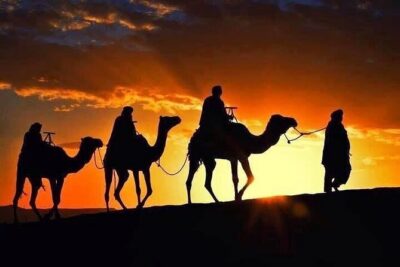
Agafay Desert Sunset, Camel Ride, and Dinner Show
Read our review →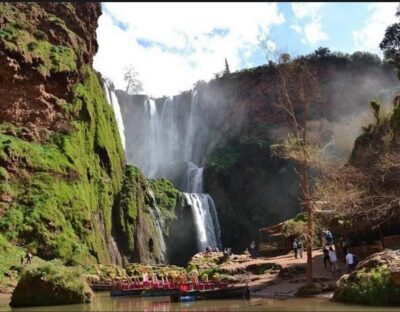
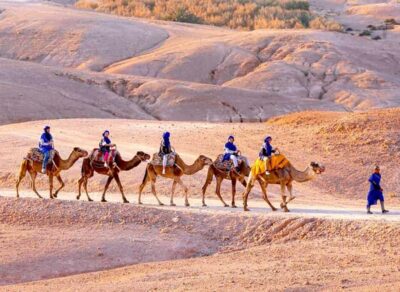
Agafay Desert Quad & Camel Rides with Dinner Show
Read our review →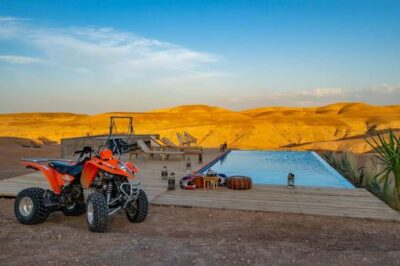
Agafay Desert Quad Biking Tour with Dinner-Show
Read our review →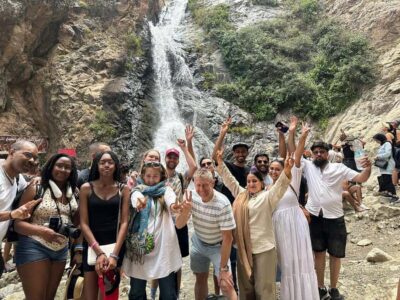
Atlas Mountains, Ourika Valley, Waterfall & Lunch
Read our review →
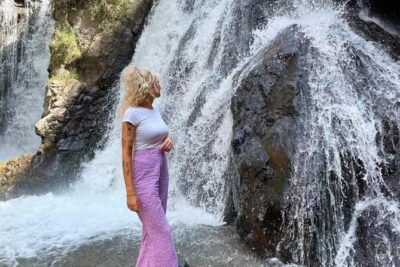
Berber villages : Atlas Mountains Day Hike from Marrakech
Read our review →