
Reviewed · WALKING TOURS
Marrakech: Uncover Hidden Gems on a Half-Day Walking Tour
Marrakech reveals itself best on foot, and this four-hour route takes you from the broad streets near Koutoubia Mosque into the tighter lanes of the Kasbah, Mellah, and Medina. You’ll see major sights, but the real value is the connection between them: palace courtyards, old neighborhood streets, working souks, and quiet corners such as the Mouassine Fountain.
I like the compact route, which works well on a first day, and I like the guides’ practical touch. Hassan and Hussein are named in several bookings, and visitors describe patient explanations, good photo stops, help with bargaining, and advice about places to eat and common scams. The main drawback is that entrance fees are extra, the mosque is viewed only from outside, and one person was unhappy after being taken to an oil shop with high prices.
Key points to know before booking
- Four hours on foot: The route covers Bab Agnaou, the Kasbah, Mellah, Bahia Palace, the Medina, and the souks.
- A strong first-day introduction: You get orientation, local customs, history, and practical advice before exploring alone.
- Moroccan tea with locals included: This adds a personal break to a fast-moving sightseeing walk.
- Shopping requires care: Your guide may help with bargaining, but optional stops at herb or oil shops can lead to sales pressure.
- Major sights are not all included in the price: Entrance fees and drinks are separate, and Koutoubia Mosque can only be visited from outside.
- Best for walkers: Comfortable shoes, a hat, and sunglasses matter. People with limited mobility may find the route difficult.
Why this four-hour walk works well in Marrakech
At $18 per person, this is an inexpensive way to get your bearings in a city that can feel confusing at first. You are paying mainly for a licensed guide, a planned route, local interpretation, and the chance to ask questions as you go.
That matters in Marrakech. The old city is not a museum arranged in neat rows. Streets bend, shops overlap, and a quiet residential lane can suddenly open into a crowded market. A guide helps you understand what you are seeing instead of simply leading you from one photo stop to the next.
The tour is also useful if you have only a short stay. It packs several of the city’s best-known areas into half a day, then leaves you with time to return to a favorite souk, visit another museum, or rest at your hotel. I would book it early in your visit rather than on your final morning.
The pace is designed for walking, not for sitting in a vehicle between landmarks. You should expect uneven surfaces, busy lanes, and periods of standing while the guide explains a building or neighborhood. The route is not recommended for pregnant women, wheelchair users, or anyone with restricted mobility.
Other guided walks in Marrakech:
- Marrakech: Ben Youssef, Secret Garden, & Souks Walking Tour
★ 4.6 · 2,802 reviews - Marrakech: Colorful Medina Souks Guided Walking Tour
★ 4.7 · 2,470 reviews - Marrakech: Medina by Night Walking Tour with Moroccan Tea
★ 4.6 · 586 reviews
Meeting at Hotel Islane and beginning near Koutoubia
The meeting point is directly in front of Hotel Islane. There is no included vehicle transfer, so you need to reach the hotel yourself and be ready to start on foot. The tour returns to the same hotel, which makes the beginning and end simple to manage.
Koutoubia Mosque is one of the first important reference points in this part of Marrakech. Its tall minaret helps you understand the city’s layout, and the surrounding gardens offer a calmer start before the route moves into older quarters.
You can admire the mosque from outside, but entry for sightseeing is not permitted on this tour. That distinction is important if you are booking mainly to see the interior. The building still gives you useful context for Marrakech, but this is an exterior visit rather than a full mosque tour.
A guide can explain the mosque’s role in the city, its architecture, and the way the surrounding public spaces connect to Jemaa el-Fna. You also get an early chance to ask practical questions about finding your way around.
Bab Agnaou and the Kasbah: a strong opening
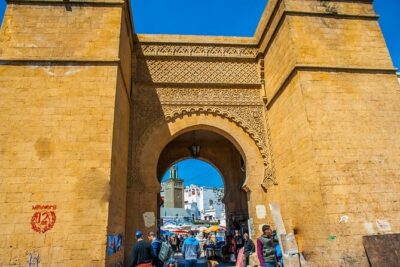
Bab Agnaou is one of the route’s first formal stops. This historic gate leads toward the Kasbah and gives you an immediate sense of how Marrakech was once organized around fortified entrances and important districts.
The stop is partly about architecture and partly about orientation. The gate is a good place for photographs, and your guide can point out details you might otherwise walk past. Because the visit includes a photo stop, do not expect a long interior visit at this stage.
From Bab Agnaou, you walk through the Kasbah. This area feels different from the open space around Koutoubia. Streets become narrower, and the experience shifts from major monument to neighborhood.
I like this part of the route because it slows the sightseeing down. You are not only collecting famous names. You are seeing how the old city functions as a network of streets, homes, shops, and religious sites. Ask about the buildings and daily life as you walk. The guides are described as patient with questions, which is useful in a district where context makes a big difference.
The Mellah and the changing shape of old Marrakech
The walk continues into the Mellah, the historic Jewish quarter. This gives the itinerary more range than a basic souk tour. Instead of staying only around the busiest market lanes, you get a look at another part of the old city and how different communities shaped Marrakech.
The Mellah is also a useful transition before Bahia Palace. The streets and buildings help you see that the Medina is not one single market. It contains distinct quarters with different histories and uses.
Your guide may pause to explain local architecture, neighborhood life, and the role of the area in Marrakech’s past. The route includes walking and a visit, but exact time at each stop can vary with the group and the pace of the day.
This is one reason I would not treat the tour as a checklist. The value is in linking places together. You can later return to whichever quarter interests you most, now with a better sense of where it fits.
Same base, a different sort of day:
- Marrakech: Agafay Desert Sunset, Camel Ride, and Dinner Show
★ 4.6 · 35,119 reviews - From Marrakech: Ouzoud Waterfalls Guided Hike and Boat Trip
★ 4.7 · 33,630 reviews - Marrakech: Agafay Desert Quad & Camel Rides with Dinner Show
★ 4.8 · 27,382 reviews - Marrakech: Agafay Desert Quad Biking Tour with Dinner-Show
★ 4.8 · 16,569 reviews
Bahia Palace and the beauty of the courtyards
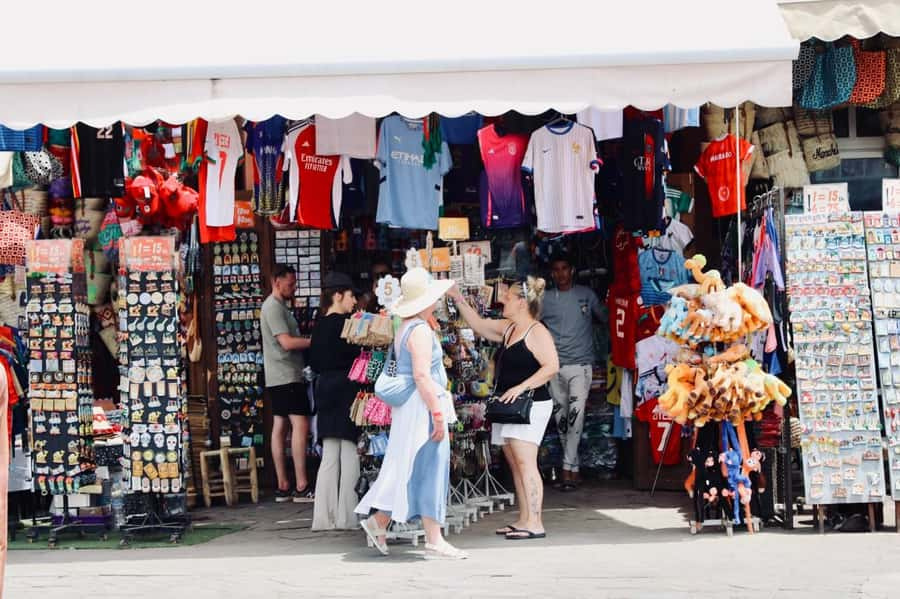
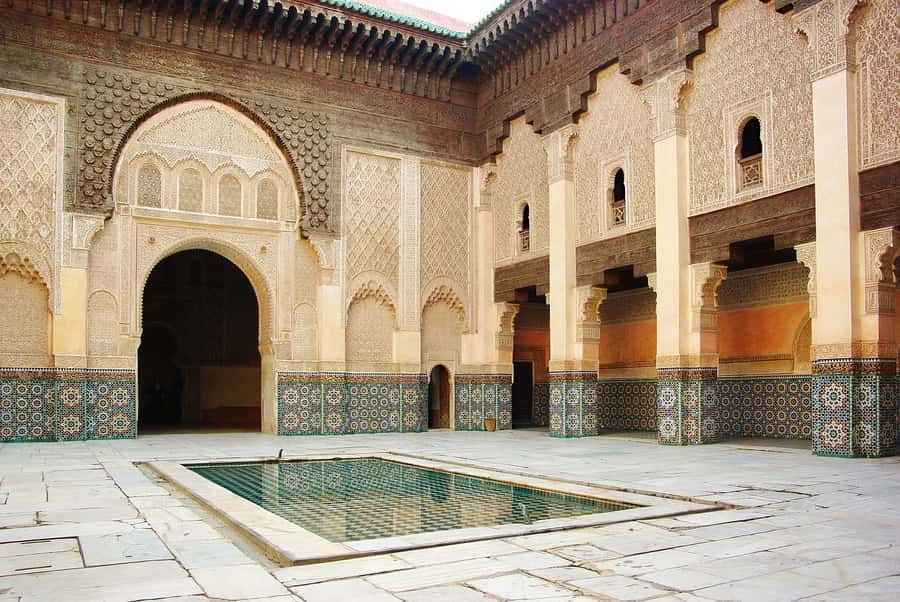
Bahia Palace is the main palace visit on the route. Built in the 19th century, it is known for detailed decoration, courtyards, and gardens. This is where the tour shifts from streets and gates to domestic royal architecture.
The palace gives you plenty to look at: patterned surfaces, carved details, enclosed garden spaces, and carefully arranged rooms. A guide helps you read those details instead of rushing through them as a series of attractive pictures.
The route includes a guided visit and a photo stop, but the entrance fee is not included. Bring extra Moroccan dirhams or confirm the current fee before setting out. The advertised $18 price is therefore a starting cost, not the full amount you will spend if you enter paid sights.
Bahia Palace can be a busy place, so your experience may depend on the time of day and the number of groups inside. Still, it is one of the strongest stops for anyone interested in Moroccan design. You will see why courtyards, shade, water, tilework, and carved plaster matter so much in traditional buildings.
Jemaa el-Fna and the changing face of the square
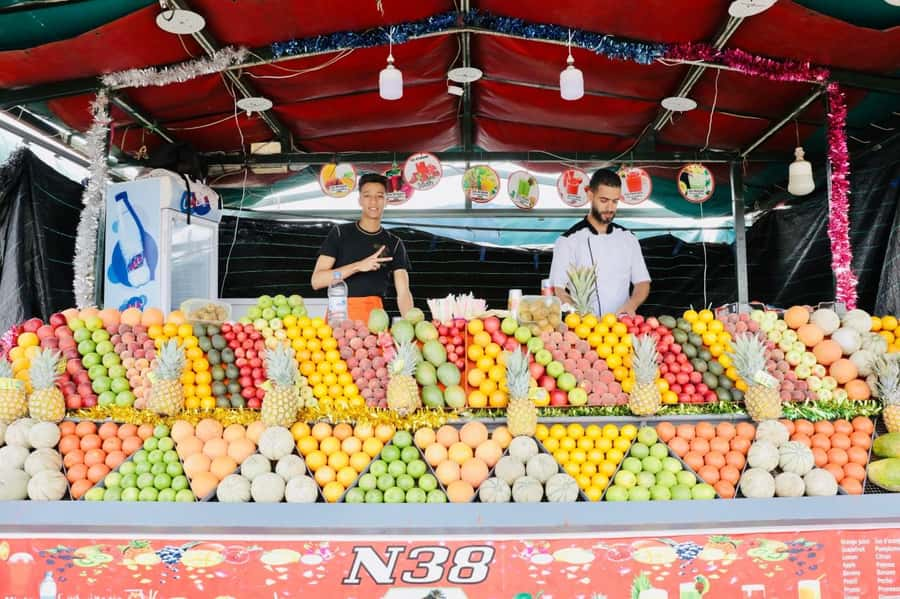
Jemaa el-Fna is Marrakech’s best-known public square and the social heart of the old city. During the day, you may find traders, performers, food sellers, and people moving between the Medina and the surrounding streets.
The square is not a static monument. Its character changes as the day progresses. A daytime visit gives you a chance to study the layout and watch ordinary movement, while later hours can bring more food stalls and activity.
Your guide can help you understand what is happening around you and point out places to eat. One guide also helped a visitor find suitable lunch options after the walk, which is a practical bonus if you are hungry at the end.
Use normal city caution here. Keep your belongings close, agree on prices before buying anything, and ask your guide if you are unsure about a seller or offer. The square is a place to enjoy, not a place to switch off your judgment.
Entering the Medina souks without losing your bearings
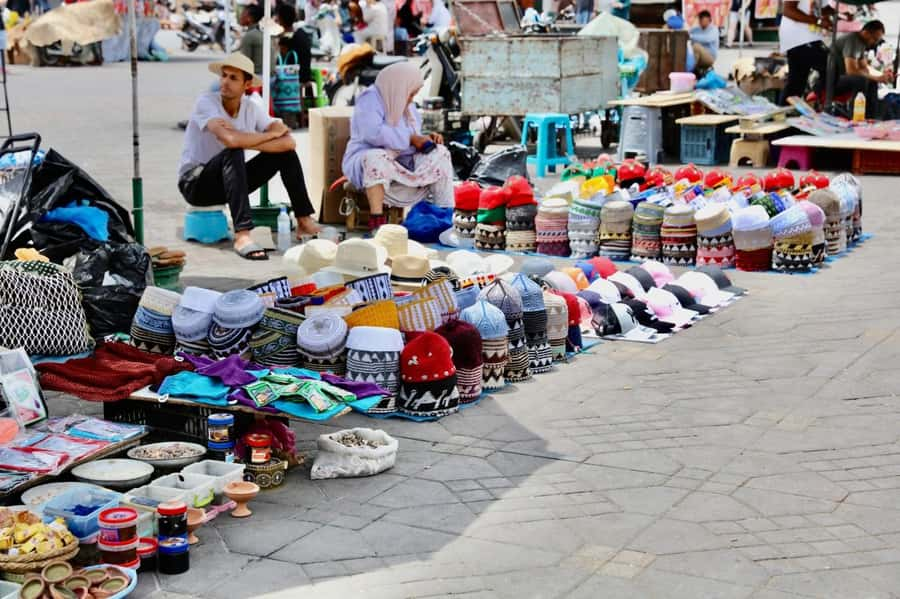
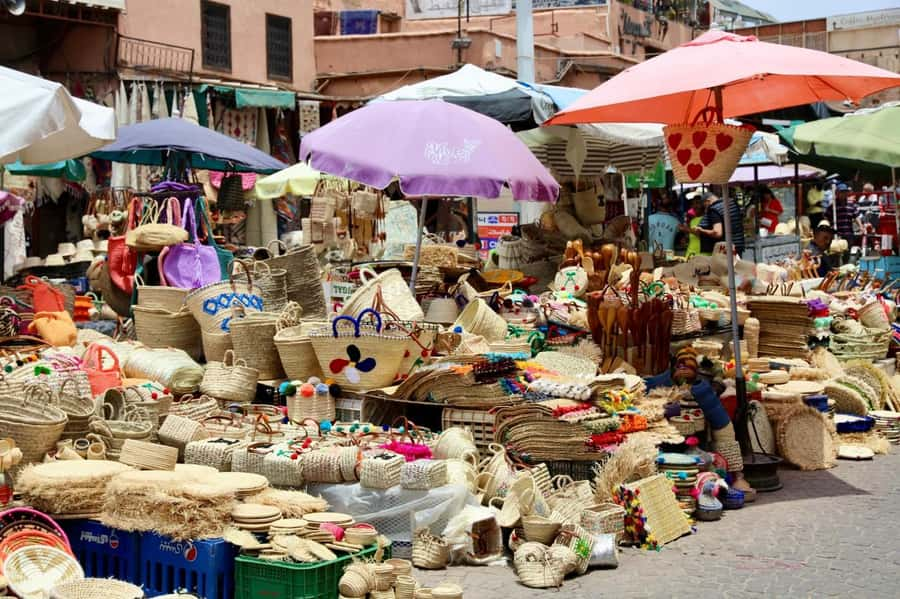
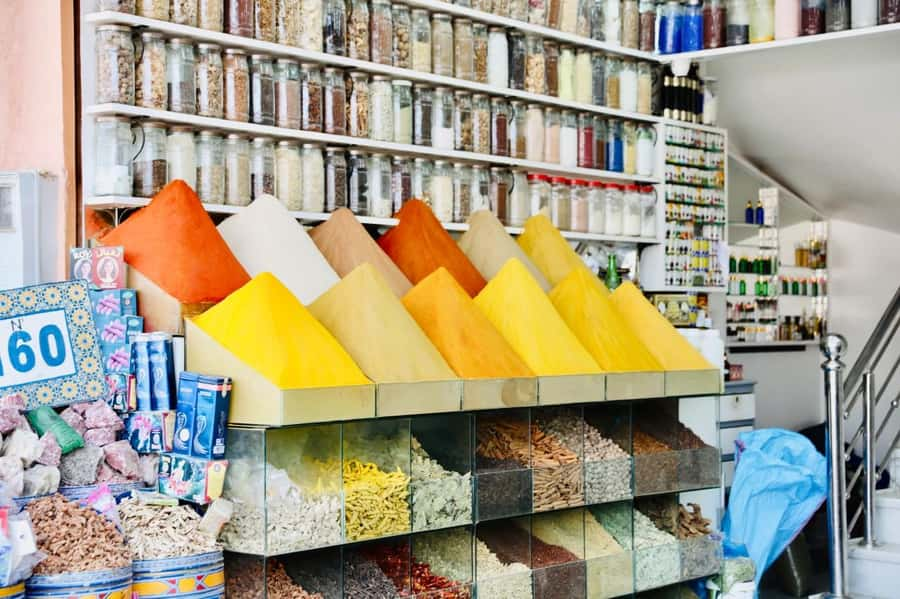
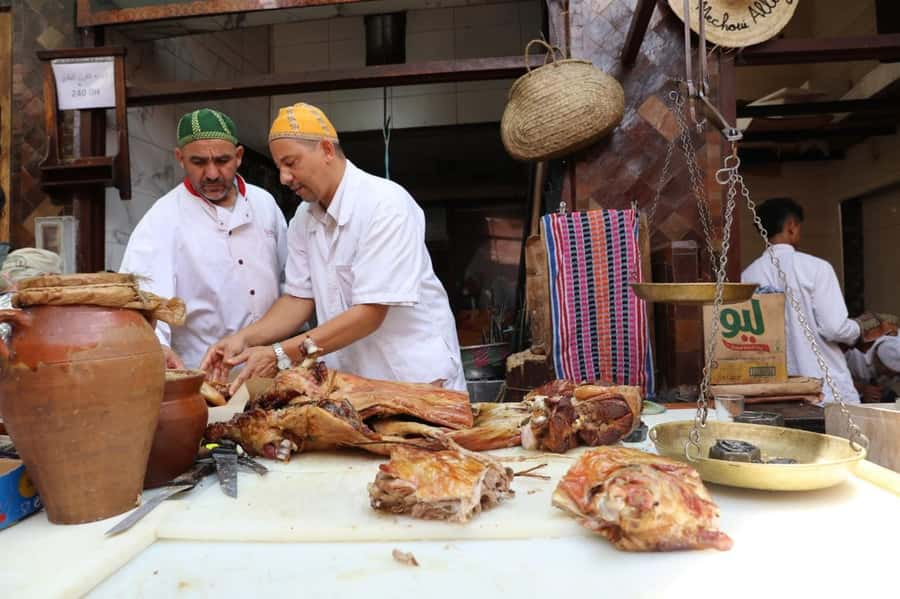
The Medina is where the tour becomes most useful for a first visit. Its lanes form a maze of shops, workshops, food stalls, and passages. You will see textiles, spices, jewelry, leather goods, carpets, and metalwork, with the exact mix depending on the streets used that day.
The guide can point out where local craftspeople work and explain what you are seeing. Specific stops described during the walk include areas connected with ironwork, leather, and carpets. That makes the souks more than a shopping stop. You get a look at how goods are made, displayed, and sold.
Shopping is optional, and you should feel free to browse without buying. Bargaining is normal in many souks, but it works best when you are calm and willing to walk away. One guide helped with bargaining, which can be useful if you are not familiar with local prices.
There is one important caution. The route may include a herb or oil shop where someone explains spices, oils, or traditional products. That can be interesting, but sales are part of the setup. One person paid 150 dirhams for an oil later found elsewhere for about 50 dirhams. My advice is simple: compare prices, ask about quantity and ingredients, and never assume that fixed price means best price.
Mouassine Fountain and a quieter pause
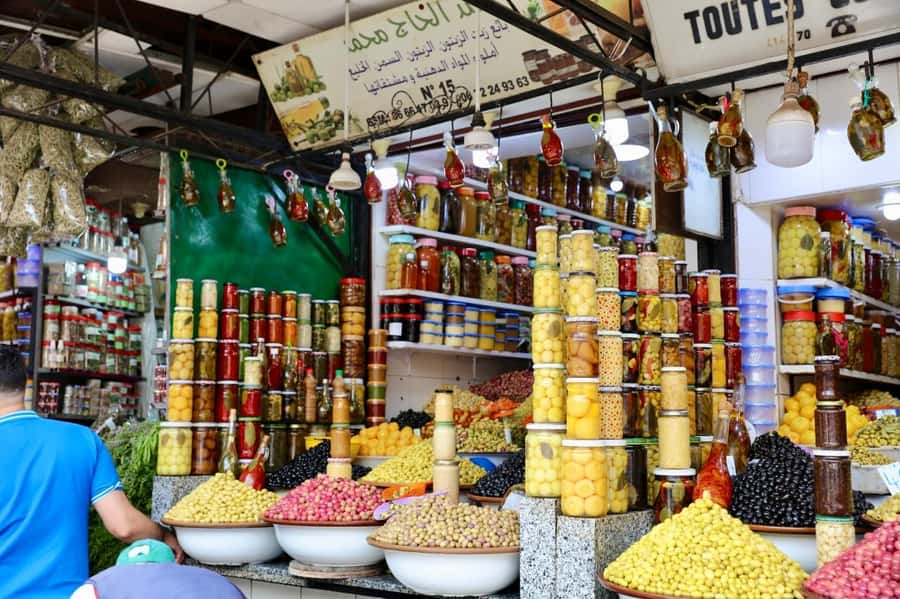
The Mouassine Fountain offers a welcome change after the noise and tight spaces of the souks. Historic fountains were practical public features as well as works of decoration, and this one gives you a short pause in the middle of the Medina.
Do not expect a long rest stop with extensive facilities. Think of it as a moment to look closely, listen, and let the pace drop. The tour’s appeal comes partly from this contrast: a major square, crowded market lanes, and then a small place where you can notice craftsmanship and old city design.
This is also a good point to ask final questions. You may want directions back to Jemaa el-Fna, advice about a restaurant, or help planning the rest of your afternoon. The guides are often praised for answering questions and explaining customs in clear terms.
The guide makes more difference than the route
The route is solid, but the guide will shape your experience. Several bookings specifically name Hassan, while others refer to Hussein or El Hassan. The descriptions of these guides point to a friendly manner, clear explanations, patient pacing, and good local advice.
You should expect a live guide in English, French, or Arabic. The included information lists English and French for the licensed guide, with Arabic also available. If language is important to you, confirm your preferred option when booking.
The best use of your guide is to ask questions. Ask why a quarter looks different from another, how to judge a fair souk price, which foods are worth trying, and how to avoid common scams. You will get more from the tour if you treat it as a conversation rather than a procession.
Group size can affect that conversation. If more than 10 people book, the group is split into two smaller groups, each with its own guide. That is helpful, though a smaller group or private departure will naturally make it easier to ask questions and take photographs.
What the $18 price really covers
The low price is a good deal if you want orientation and a guided walk without paying for an all-day private tour. You receive a licensed guide, walking pickup from the meeting point, and Moroccan tea with locals.
The price does not cover transfers, entrance fees, or drinks. Since the tour begins and ends at Hotel Islane, you need to arrange your own way to the meeting point. You should also carry money for Bahia Palace and any other paid sight you decide to enter.
Moroccan tea is a pleasant included detail, but do not confuse it with a full meal. Plan lunch separately, especially if your tour runs through the middle of the day.
The free cancellation period is up to 24 hours before the start time, and you can reserve now while paying later. Those terms are useful if your schedule is still changing.
How to prepare for the walk
Wear comfortable shoes with good grip. Sports shoes are specifically suggested, and that advice makes sense for the old city’s uneven surfaces and long stretches on foot.
Bring sunglasses and a sun hat. The route includes open areas as well as shaded lanes, so you will deal with changing levels of sun. Carry water, even though drinks are not included.
Dress for a walking day and remember that the route includes religious and historic places. You should also keep your bag secure in crowded areas and avoid carrying more than you need.
Allow some flexibility. The tour lasts four hours, but the exact time spent at each stop can change with group size, questions, crowd conditions, and the pace of the guide.
Should you book this Marrakech walking tour?
I would book it if you are visiting Marrakech for the first time, have only a few days, or want local orientation before exploring the Medina alone. It covers a useful mix of architecture, neighborhoods, markets, and public spaces for $18, with tea and a licensed guide included.
I would skip it if your main goal is entering the Koutoubia Mosque, avoiding all shopping-related stops, or seeing every major museum at a slow pace. The tour is also a poor fit for anyone who struggles with long walks or uneven streets.
For the best experience, take it near the start of your stay, wear proper shoes, bring money for entrance fees, and treat any oil or herb purchase as optional. If you want an affordable introduction to old Marrakech with practical advice from guides such as Hassan or Hussein, this is a sensible choice.
FAQ
How long does the Marrakech walking tour last?
The tour lasts four hours.
Where does the tour begin?
Meet your guide directly in front of Hotel Islane.
Where does the tour finish?
The walking tour returns to Hotel Islane.
Which languages are available?
The live guide may speak English, French, or Arabic. The included information specifically lists English and French for the licensed guide, with Arabic also available.
Is the Koutoubia Mosque visited from inside?
No. The mosque may be viewed from outside only.
Are entrance fees included?
No. Entrance fees to the sights are not included in the tour price.
Is the tour suitable for wheelchair users?
No. Wheelchair users and people with restricted mobility may find the route unsuitable, despite the general accessibility information provided for the activity.
Just added in Marrakech
- Quad Ride In The Agafay Desert★ 5.0 · 39 reviews
- Quad Biking Agafay desert★ 5.0 · 20 reviews
- Marrakech: Tailor-Made City Tour With Your Own Private Guide★ 4.9 · 236 reviews
- Surf Training and Lunch on Essaouira Day Trip from Marrakech★ 4.9 · 51 reviews
- Essaouira: Surf Trip from Marrakech★ 4.9 · 31 reviews
- Marrakech palm grove: Sunset camel ride★ 4.8 · 194 reviews
- Marrakech: Sunrise Desert Tour with Camel Ride and Breakfast★ 4.4 · 36 reviews
- Marrakech : Agafay Desert Sunset Camel Ride & Luxury Dinner★ 4.3 · 39 reviews
Walking Tours, compared.
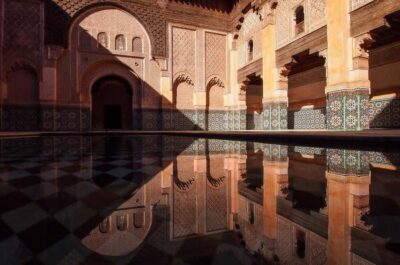
Ben Youssef, Secret Garden, & Souks Walking Tour
Read our review →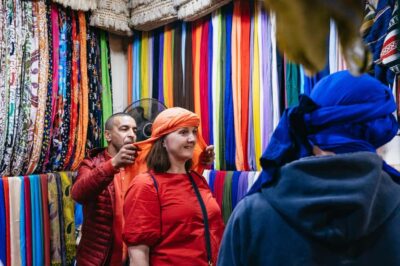
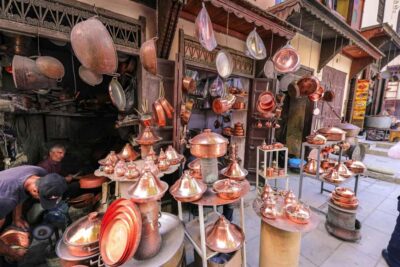
Explore Fes: Unforgettable Guided Walking Tour of the Medina
Read our review →
Exclusive Fez Medina Walking Tour with Private Guide
Read our review →
Morning Casablanca: The Medina and Beyond Cultural Walking Tour
Read our review →Browse the lists this tour appears in