
Reviewed · MEDINA & SOUK TOURS
Marrakech: Vibrant Souks, Local Artisans & Medina Experience
Marrakech reveals itself best on foot, and this tour takes you straight into its maze of souks, courtyards, workshops, and historic buildings. I especially like the mix of Ben Youssef Medersa’s fine tilework and the quieter Secret Garden, two very different places that give the walk some welcome variety.
I also like having a guide such as Youness or Hassan to explain the craft behind the goods and help you find your way through the medina. The main consideration is that this is a fairly active walking experience, with uneven streets and no transport, and the entrance fees to the two main sights are extra.
Key points to know before you go
- Start at Café de France: Meet your guide in Djemaa el Fna, the easiest central landmark in the old city.
- See two major sights: Ben Youssef Medersa costs 50 MAD per adult, while the Secret Garden costs 100 MAD.
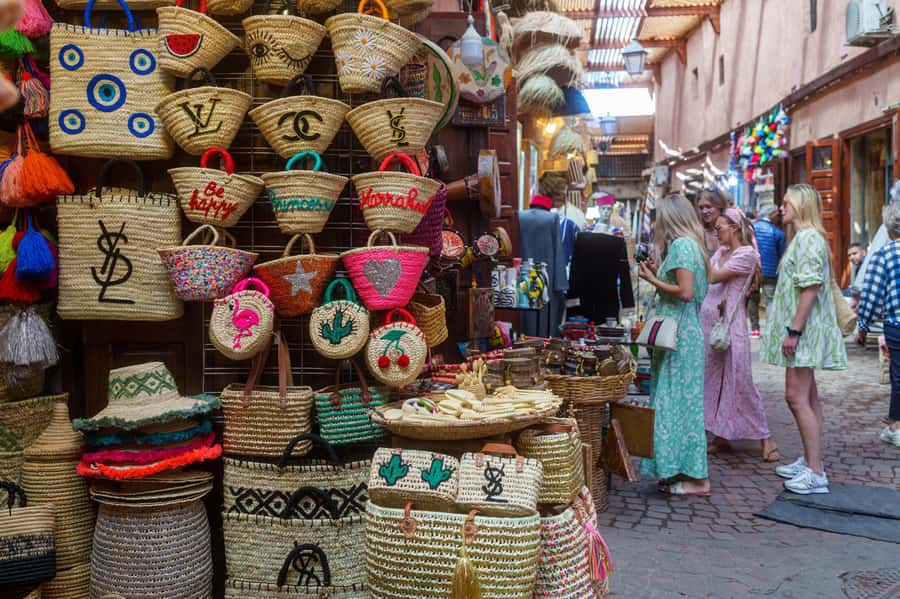
- Expect real souk shopping: You can browse leather, silver, spices, argan oil, rugs, pottery, metalwork, and carved wood.
- Guides make a difference: Youness and Hassan are praised for clear explanations, cultural context, and a friendly manner.
- Choose private or small group: Private tours include pickup from a riad inside the medina, while transport is not otherwise included.
- Bring practical gear: Wear comfortable shoes, carry water and cash, and expect a good deal of walking.
A useful first walk through Marrakech’s old city
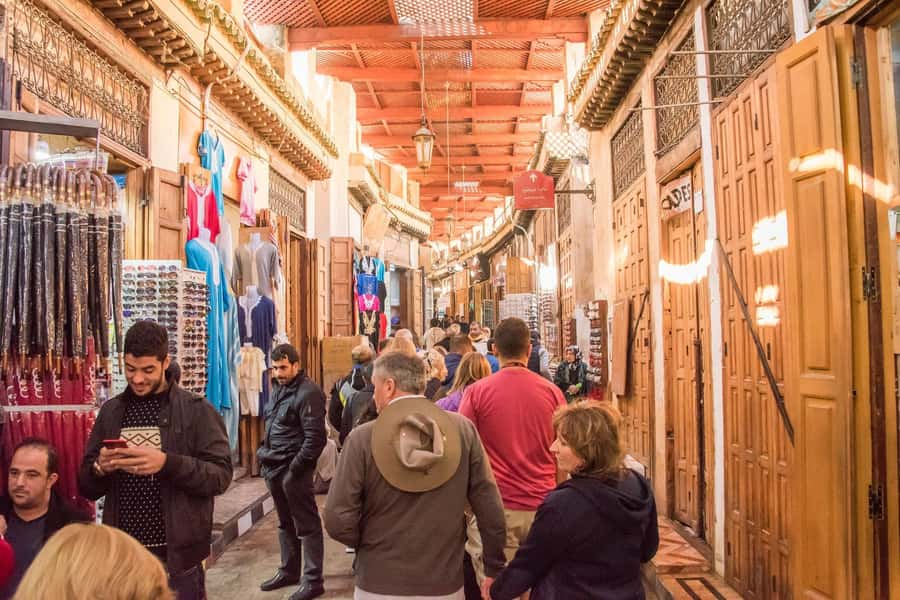
This is a good orientation tour for your first day in Marrakech. In one outing, you get a working map of the medina, a look at its main shopping lanes, two important cultural sights, and a close view of traditional crafts.
I like this kind of introduction because the medina can feel confusing at first. Narrow lanes turn suddenly, souks change character from one street to the next, and the same route may look different when you walk it in reverse. A local guide helps you spend less time guessing where you are and more time noticing what is around you.
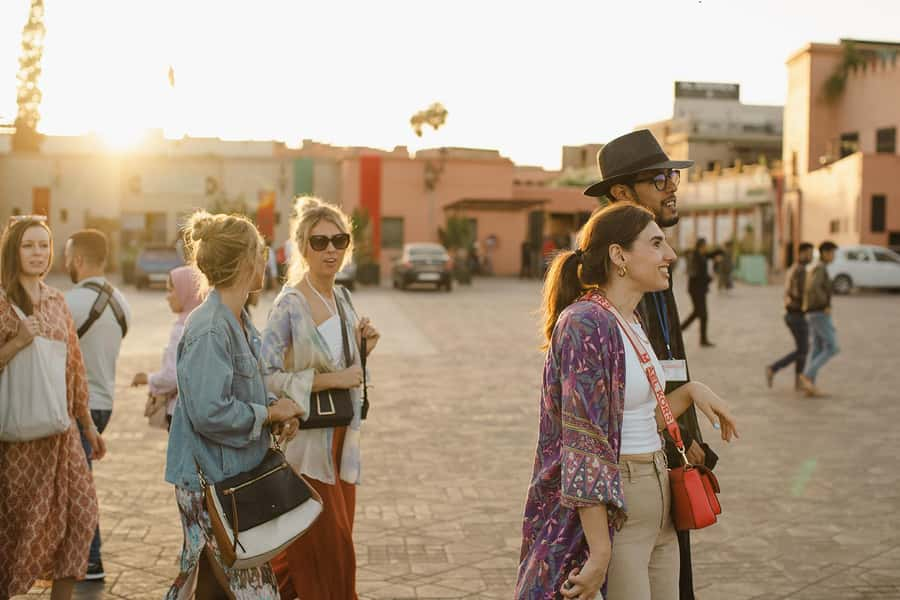
The tour begins in Djemaa el Fna, the city’s famous central square. Meet in front of Café de France, where the activity provider confirms the final arrangements and guide details by WhatsApp a day or two before the walk. That message is useful in a city where a precise meeting point matters.
The outing is offered as a private or small-group walk, depending on the option you book. A private format gives you more room to set the pace and ask questions. The group option can be good for solo visitors or couples who want company and an easier price, though the pace may be less personal.
Other medina and souk tours in Marrakech people book:
- Marrakech: Bahia Palace, Saadian Tombs, Souk and Medina Tour
★ 4.7 · 4,974 reviews - Marrakech: Ben Youssef, Secret Garden, & Souks Walking Tour
★ 4.6 · 2,802 reviews - Marrakech: Colorful Medina Souks Guided Walking Tour
★ 4.7 · 2,470 reviews
Starting at Djemaa el Fna
Djemaa el Fna is more than a meeting point. It is the front door to the medina and a helpful place to get oriented before entering the lanes.
Your guide explains the general layout of the old city and points out the areas that matter for shopping and sightseeing. This first briefing has practical value. Once you leave the square, the streets become narrower and the signs less useful, so knowing the broad direction of the tour helps you keep your bearings.
The square can be noisy and crowded, with plenty of activity around it. Keep your meeting details handy and arrive ready to identify your guide. The pre-tour WhatsApp message should provide the guide’s name and final instructions.
For the first day of a Marrakech stay, this start makes sense. You see where the medina connects with the square, learn how the shopping districts fit together, and can later return to places that caught your attention.
Riad Zitoun el Jdid and the first souks
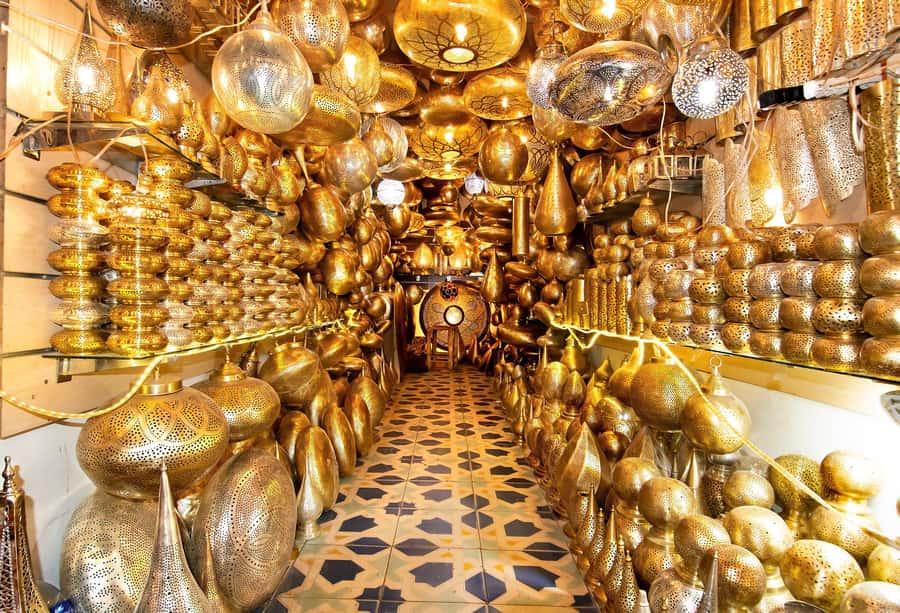
From the square, the route moves toward Riad Zitoun el Jdid, an area filled with antique shops, spice stalls, rugs, and other local goods. This is where the walking tour begins to feel less like a sightseeing checklist and more like a lesson in how Marrakech’s traditional markets work.
You may find antique objects, woven carpets, leather items, silver goods, spices, argan oil, and small handmade souvenirs. The point is not simply to shop. Your guide can explain what the products are used for, how they are made, and which parts of the medina are known for particular trades.
The shopping element is worth handling with a clear plan. You are free to browse and bargain, but you do not have to buy anything. The guide is paid for the guiding service, so there is no obligation to enter a shop or make a purchase. That distinction matters in a market where a friendly conversation can quickly turn into a sales pitch.
I would use this first section to watch and learn rather than rush into buying. Compare items, ask about materials, and note prices before deciding. If you find something you truly want, the guide can help you understand the setting, but you should still make your own choice.
Ben Youssef Medersa and Moroccan design
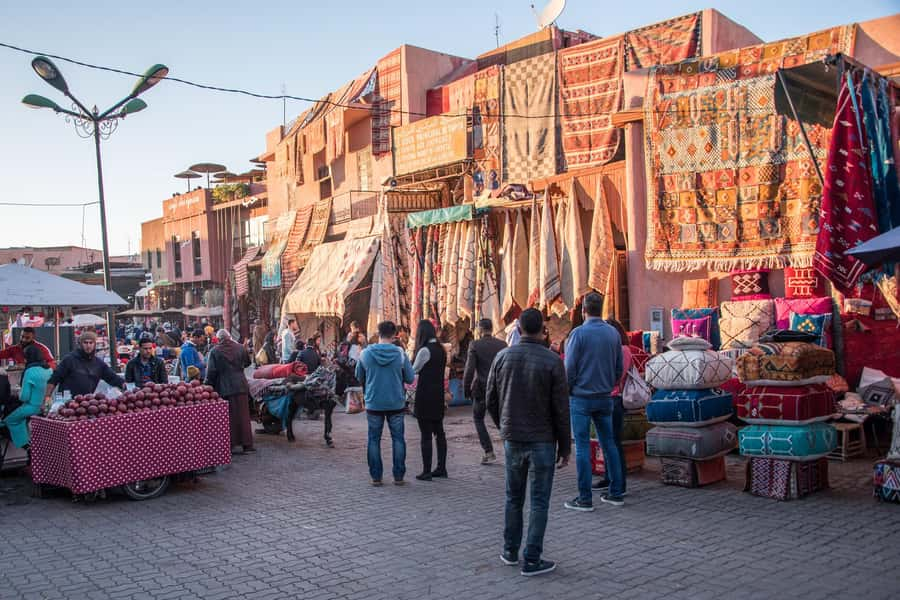
The strongest historical stop is Ben Youssef Medersa, a former Quranic school dating from the 14th century and later restored by the Saadians. You pay the entrance fee separately, currently 50 MAD per adult.
Inside, the appeal is architectural rather than grand in scale. Look closely at the zellij tilework, carved plaster, and cedar wood details. These surfaces reward slow attention. The geometric tile patterns, repeating carved forms, and carefully finished wood show how much skill goes into Moroccan decorative design.
A good guide adds meaning to what you see. Youness is praised for explaining the medersa clearly without overloading the visit with facts. Hassan is also singled out for bringing the site’s cultural and Islamic background to life in clear English. That kind of explanation helps you understand the building as a place of study, not just a photogenic courtyard.
You get free time to explore each monument at your own pace, which is important here. A short guided explanation can point out the major features, but you need a few quiet minutes to look upward, study the patterns, and take photographs.
The limitation is simple: the entrance cost is not included in the tour price. If you want to visit both major sights, add 150 MAD per adult to your budget. That does not make the tour poor value, but the advertised price is not the full cost of the cultural stops.
Other walks through the old town in Marrakech:
- Marrakech: Saadian Tombs & Bahia Palace, Medina Guided Tour
★ 4.6 · 1,989 reviews - Marrakech Monuments & Souks 3-Hour Tour
★ 3.8 · 1,540 reviews - Marrakech: Bahia Palace, Madrasa Ben Youssef and Medina Tour
★ 4.7 · 1,347 reviews - Marrakech: Madrassa Ben Youssef, Secret Garden & Medina Tour
★ 4.8 · 1,303 reviews
Souk El Attarine and the scent of the city
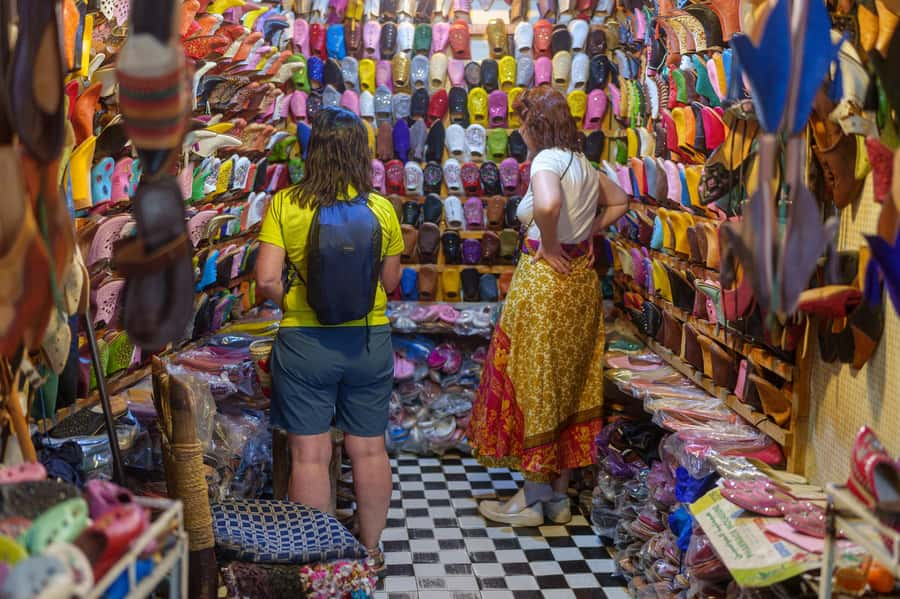
Souk El Attarine focuses on spices, perfumes, and natural beauty products. This part of the route works on several levels because it is both a shopping area and a window into everyday Moroccan customs.
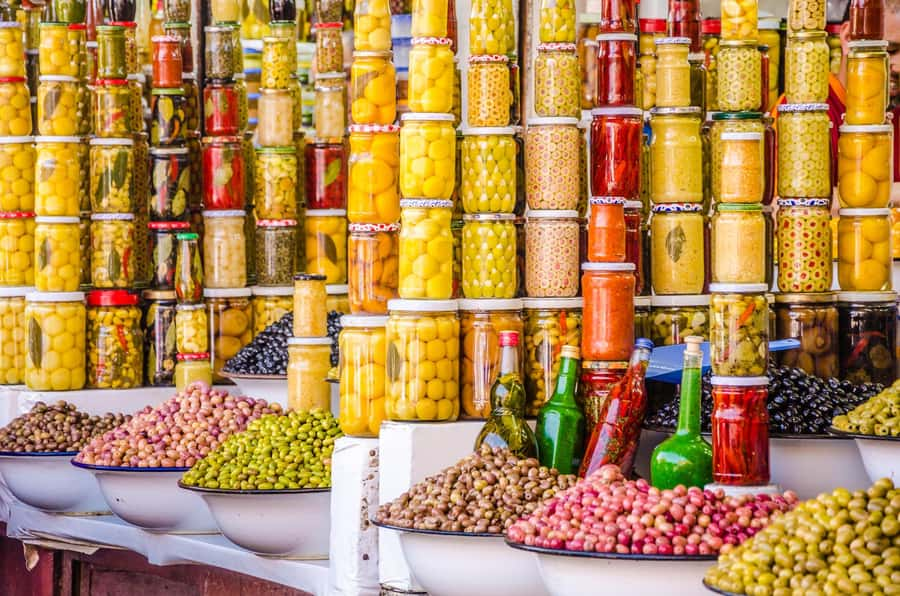
You will see colorful displays of spices and products made with natural ingredients, including argan oil. The smells are strong, and the narrow market lanes make this one of the more sensory parts of the walk. Your guide explains how these goods are used in Moroccan daily life and what they tell you about local traditions.
This is a useful stop if you are unsure what to buy. Argan oil is widely sold, but labels, quality, and presentation can vary. The tour does not require you to purchase anything, so you can ask questions and continue browsing without pressure.
Carry cash if you plan to shop. It is also wise to keep your purchases compact, since you still have more walking ahead. A small spice packet may be easy to carry; a carpet or larger craft item needs more thought.
Artisan workshops and work passed down
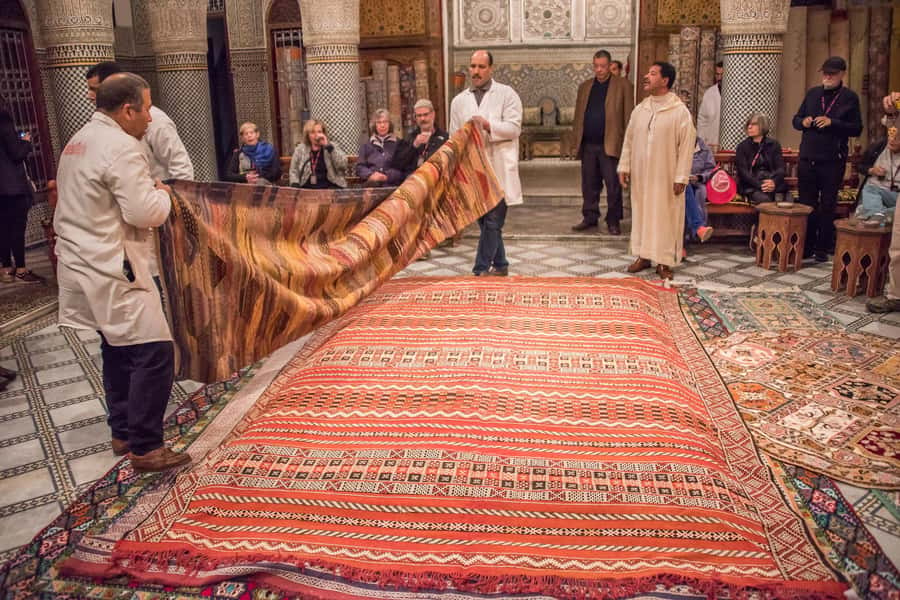
The workshop visits offer some of the tour’s most direct contact with local craft. You may watch artisans working with pottery, metal, and hand-carved wood.
These workshops matter because finished objects in the souks can look anonymous once they are stacked on a shelf. Seeing the work in progress gives you a better idea of the hand skills involved. You can watch how simple materials become useful or decorative objects, and your guide can connect the techniques to Morocco’s long craft traditions.
The exact workshop experience can vary, so you should not expect a formal demonstration with a fixed script. Instead, think of this as a chance to see working spaces and ask questions. It is one of the better reasons to take a guided walk rather than simply follow a shopping map.
If you are shopping for pottery, metalwork, or carved wood, this is the moment to look closely at finish and construction. You can also ask about care, weight, and how easy an item will be to take home. The focus is on understanding the work, not on buying.
The Secret Garden, a quiet break
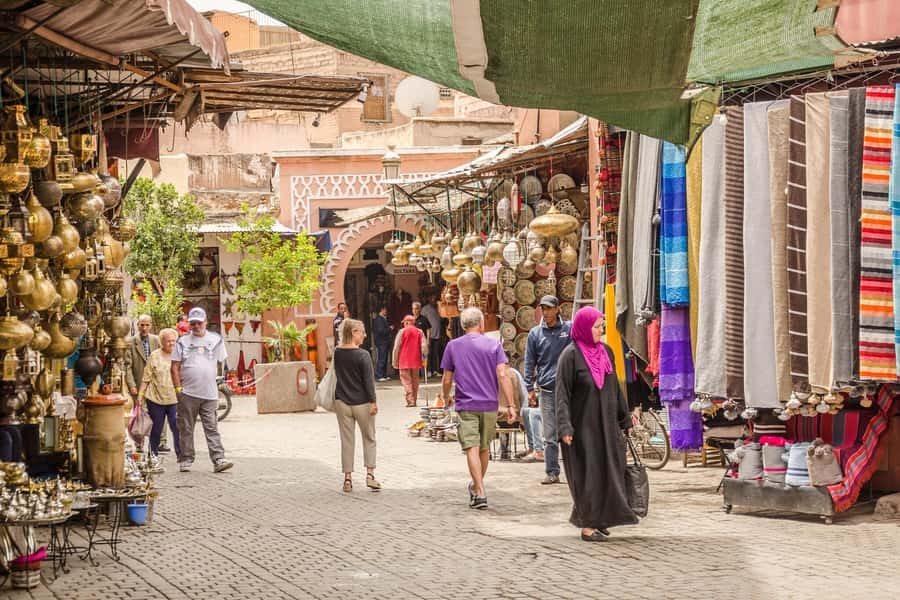
After the souks, the Secret Garden provides a change of mood. Hidden behind the medina walls, it combines planted gardens with Islamic architectural details and an irrigation system designed to move water through the site.
The garden costs 100 MAD per adult, paid separately. That makes it the more expensive of the two main entrances, but it also gives the walk a needed pause. After narrow lanes, shop displays, and constant activity, greenery and open space can feel like a reset.
I would not treat this as a quick photo stop. Take time to notice the water system and the relationship between the garden, walls, and architecture. Your guide explains how the irrigation works, giving the visit more substance than a simple stroll among plants.
The Secret Garden also helps balance the itinerary. Ben Youssef Medersa is about education, design, and religious architecture. The garden is about water, shade, planting, and calm within the old city. Together, they show different sides of Marrakech.
Souk El Kebir and the final carpet browse
The route ends in Souk El Kebir, known for carpets and finely woven textiles. This is a suitable final stop because rugs are among the larger and more considered purchases you might make in the medina.
You can browse patterns, materials, and sizes, then decide if anything deserves a closer look. Bargaining is part of the shopping experience, but it should remain friendly and realistic. You do not need to buy simply because you have entered a carpet area.
If you are seriously considering a rug, ask about its dimensions, construction, origin, and shipping arrangements before agreeing to anything. The tour gives you a first look, not a guarantee that every item is right for you. I would take notes and compare several pieces rather than feel rushed at the end of a walking tour.
The activity finishes back at the original meeting point near Djemaa el Fna. That makes it easy to continue exploring, return to your accommodation, or revisit one of the souks with a better sense of direction.
What $24 really gets you
At $24 per person, this is a reasonable price for a guided introduction to the medina, especially if you are new to Marrakech. You are paying for a local guide, route planning, cultural explanations, and help navigating areas that can be hard to read on your own.
The value is strongest if you use the tour as an orientation rather than a simple shopping trip. You visit several distinct areas, see artisan work, learn about local products, and receive context at two important sights.
Remember to budget separately for the 50 MAD Ben Youssef Medersa entrance and the 100 MAD Secret Garden entrance. Transportation is not included. Private bookings include pickup from a riad within the medina, but the standard meeting arrangement is at Café de France.
The tour also includes a reminder with your guide’s name, meeting point, and practical tips. That small service can prevent a confusing start. French and English are available.
Who will enjoy this walk most
I would recommend this experience to first-time visitors who want a clear introduction to Marrakech before exploring alone. It is especially useful on day one, when you are still learning the medina’s shape and deciding which places deserve a second visit.
It also suits shoppers who want context before spending money. You can see where rugs, spices, leather, silver, pottery, and woodwork fit into the city’s craft culture, then return later with a better idea of what you want.
The tour is less suitable if you dislike walking, crowded market lanes, or sales activity. It is not designed for people with mobility impairments, and you should wear comfortable shoes. Bring water, sunglasses, and cash.
A private option is the better choice if you want personal attention or a flexible pace. The small-group option is likely the better value if you enjoy meeting others and do not need the route tailored to you.
Should you book this Marrakech medina tour?
Book it if you want a well-rounded first look at the old city, with a guide who can connect shopping, architecture, crafts, and local customs. The combination of Ben Youssef Medersa, the Secret Garden, artisan workshops, and several souks gives you more range than a walk focused only on markets.
I would especially consider it for your first afternoon in Marrakech. Guides such as Youness and Hassan receive strong praise for clear explanations, friendly service, and a good sense of timing. The tour can also make the souks feel less intimidating, since you are not immediately trying to navigate every turn alone.
Skip it if you prefer to wander without a set route or if extra entrance fees and active walking do not suit your plans. For most first-time visitors, though, $24 is a fair way to get oriented, see key sights, and learn how to explore the medina with more confidence.
FAQ
Where does the tour begin?
You meet your guide in front of Café de France in Djemaa el Fna square. The activity provider sends the guide’s name, meeting point, and helpful tips by WhatsApp a day or two before the tour.
Where does the tour end?
The walk ends back at the meeting point near Café de France in Djemaa el Fna.
Are entrance fees included?
No. Ben Youssef Medersa costs 50 MAD per adult, and the Secret Garden costs 100 MAD. These fees are paid separately.
Is transportation included?
Transportation is not included. Private bookings include pickup from a riad within the medina.
Is this a private tour or a group tour?
You can select a private or small-group option. The exact format depends on the option you book.
What languages are available?
The tour is available in English and French.
What should I bring?
Wear comfortable shoes and bring sunglasses, water, and cash. Cash is useful for entrance fees and any shopping you choose to do.
Do I have to buy anything in the souks?
No. You can browse without making purchases. The guide is compensated for guiding services, so there is no obligation to buy.
Just added in Marrakech
- Quad Ride In The Agafay Desert★ 5.0 · 39 reviews
- Quad Biking Agafay desert★ 5.0 · 20 reviews
- Marrakech: Tailor-Made City Tour With Your Own Private Guide★ 4.9 · 236 reviews
- Surf Training and Lunch on Essaouira Day Trip from Marrakech★ 4.9 · 51 reviews
- Essaouira: Surf Trip from Marrakech★ 4.9 · 31 reviews
- Marrakech palm grove: Sunset camel ride★ 4.8 · 194 reviews
- Marrakech: Sunrise Desert Tour with Camel Ride and Breakfast★ 4.4 · 36 reviews
- Marrakech : Agafay Desert Sunset Camel Ride & Luxury Dinner★ 4.3 · 39 reviews
Medina & Souk Tours, compared.
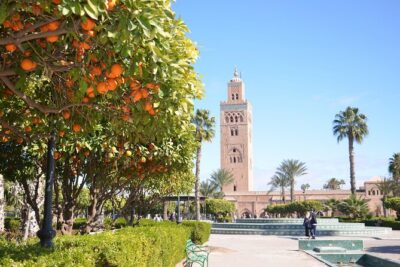
Bahia Palace, Saadian Tombs, Souk and Medina Tour
Read our review →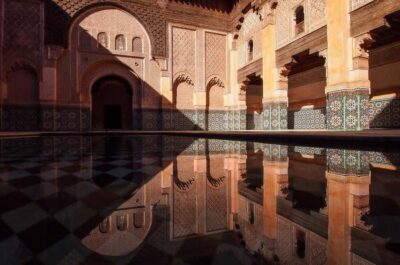
Ben Youssef, Secret Garden, & Souks Walking Tour
Read our review →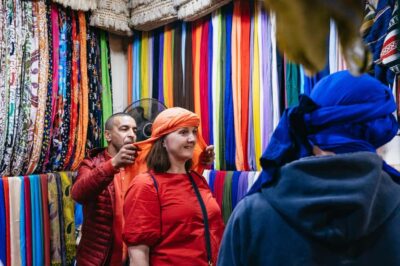
Museum, Al Attarine Madrasa & Tannery and Medina Tour
Read our review →
Bahia Palace, Madrasa Ben Youssef and Medina Tour
Read our review →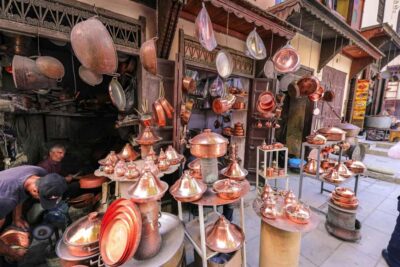
Explore Fes: Unforgettable Guided Walking Tour of the Medina
Read our review →Browse the lists this tour appears in