Reviewed · TOURS IN MARRAKECH
Marrakech: Weave Your Own Moroccan Rug with Love & Transfe
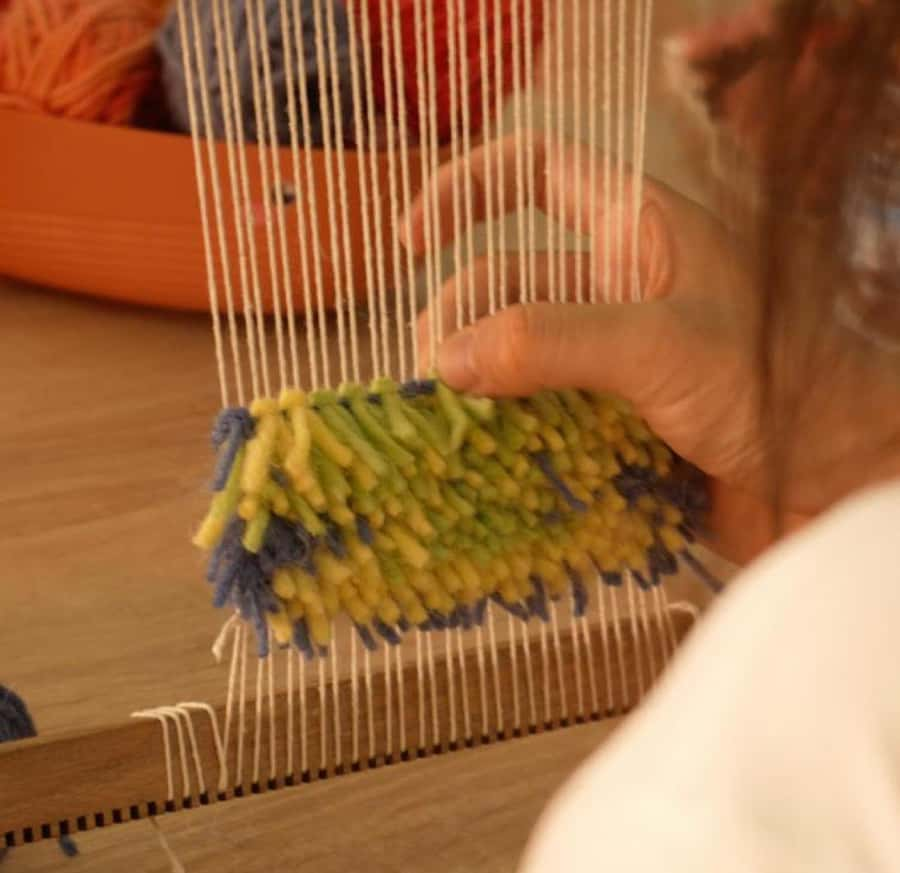
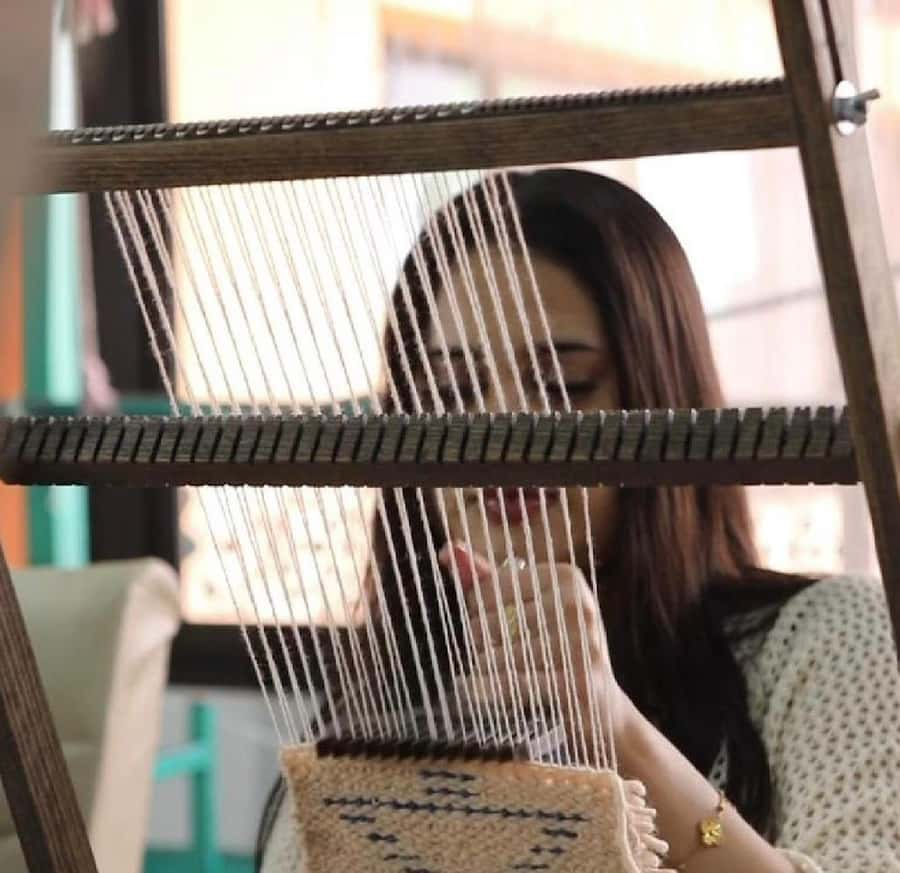
The best part of this Marrakech workshop is that you do not just look at Moroccan rugs, you learn how one is made. In a calm studio, local artisans show you how to knot wool on a traditional loom, explain the meaning of patterns and colors, and help you create a mini rug by hand.
I like the warm, personal teaching from guides such as Hajar and Abla, plus the simple pleasures of mint tea, pastries, Moroccan pop music, and conversation about daily life. The hotel pickup and drop-off also make this an easy break from the medina. The main thing to note is that the hands-on weaving time produces a very small rug, not the larger pieces pictured in some promotional images.
Key points to know before you book
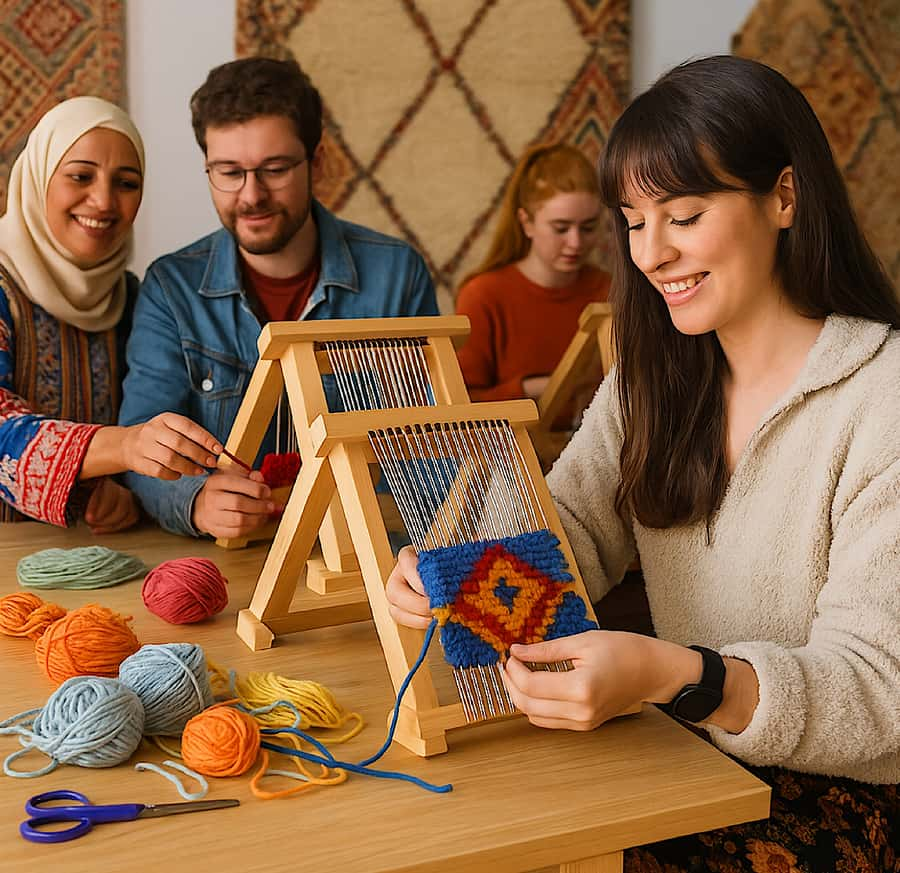
- You make a real mini rug: No experience is needed, and you choose your own colors and symbols.
- Hajar and Abla lead the teaching: Instruction is available in French, English, Arabic, Italian, and Spanish.
- The mood is calm and social: Mint tea, pastries, storytelling, and conversation are part of the two-hour visit.
- Pickup saves time: Hotel transport is included, with a nearby meeting point if a car cannot reach your accommodation.
- Larger rugs can be shipped: Prices are fixed and transparent, with a sales contract and DHL tracking.
- Set expectations on size: The workshop piece is a small souvenir, and the weaving portion may last about an hour.
Making a Moroccan rug instead of simply buying one
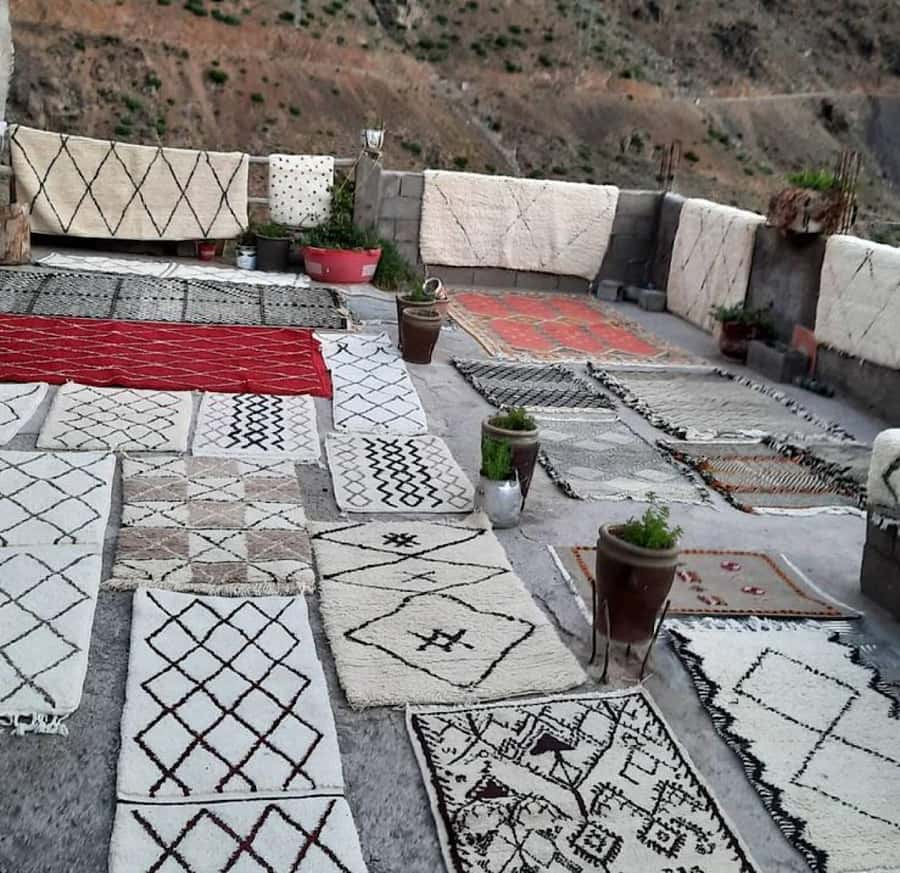
Marrakech is full of rugs. You will see them hanging in shops, stacked in souks, spread across courtyards, and rolled tightly for transport. Buying one can be fun, but it can also feel rushed. This workshop gives you time to understand what your eyes are seeing.
The activity takes place at Art Rug Atlas, where artisans work with wool and traditional looms. Your own piece is small, but it is made by your hands with help from an experienced teacher. That changes the souvenir from something you selected to something you helped create.
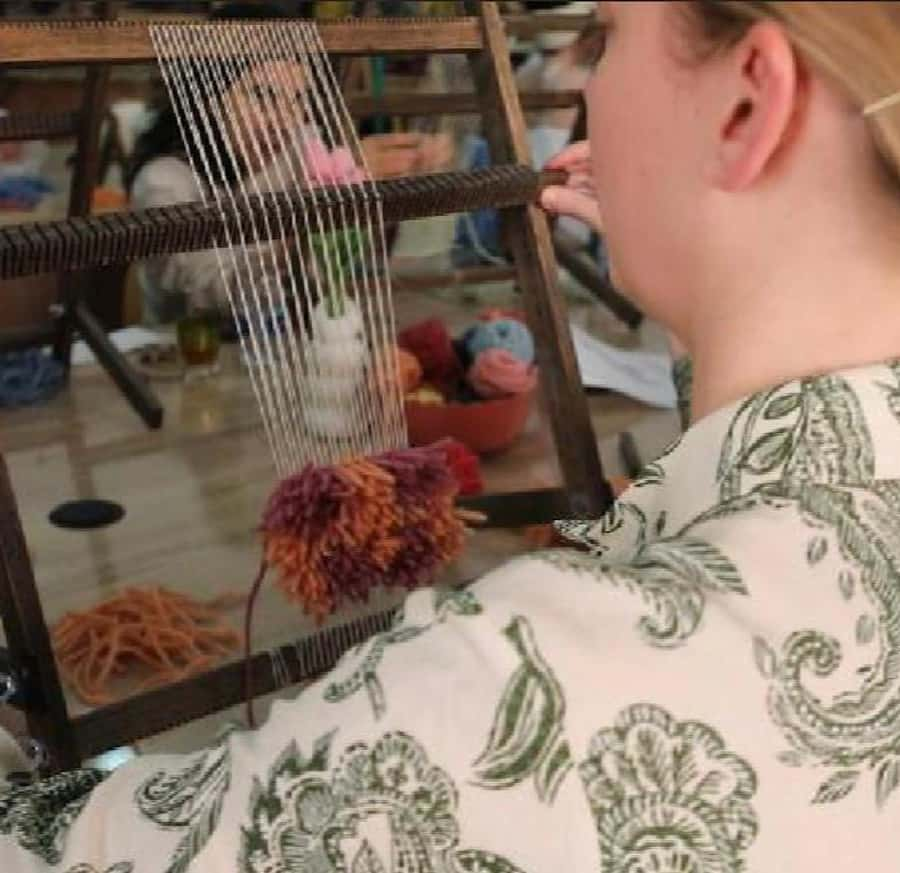
I especially like the human scale of the session. This is not a large production show where you stand at the back and watch a demonstration. You sit close to the loom, ask questions, choose details, and work at your own pace. The setting is described as a welcoming studio in a beautiful building, with local women guiding the class.
The two-hour schedule works well during a busy Marrakech stay. You get a focused cultural activity without giving up an entire day. Still, do not book it expecting two hours of continuous weaving. One detailed account found that the actual hands-on portion was about one hour, with the rest given to instruction, conversation, tea, and viewing other rugs.
Other trips people book in Marrakech:
- Marrakech: Agafay Desert Sunset, Camel Ride, and Dinner Show
★ 4.6 · 35,119 reviews - From Marrakech: Ouzoud Waterfalls Guided Hike and Boat Trip
★ 4.7 · 33,630 reviews - Marrakech: Agafay Desert Quad & Camel Rides with Dinner Show
★ 4.8 · 27,382 reviews
What happens when you arrive
Pickup from your hotel is included. If your accommodation sits on a street that a car cannot reach, the local partner provides a nearby meeting point. This is useful in Marrakech, where narrow lanes and pedestrian areas can make door-to-door transport difficult.
Arrive about 10 minutes early. That small buffer matters because the session has a set rhythm, and a late arrival could reduce your time with the loom. Wear comfortable clothing and shoes. You may sit on a low stool, so clothes that allow easy movement will make the session more pleasant.
The studio itself is part of the experience. One participant described visiting a beautiful building near a university, a part of the city that many holidaymakers do not usually see. That gives the outing a different feel from a standard medina shopping stop. You are seeing a working cultural space, not just browsing a store designed for tourists.
Once inside, expect an introduction to the artisans and the craft. You can watch people working on larger rugs before beginning your own piece. This is valuable because the small loom exercise makes more sense after you see how patience, repeated knots, and careful color choices build a full-size design.
Choosing colors and symbols
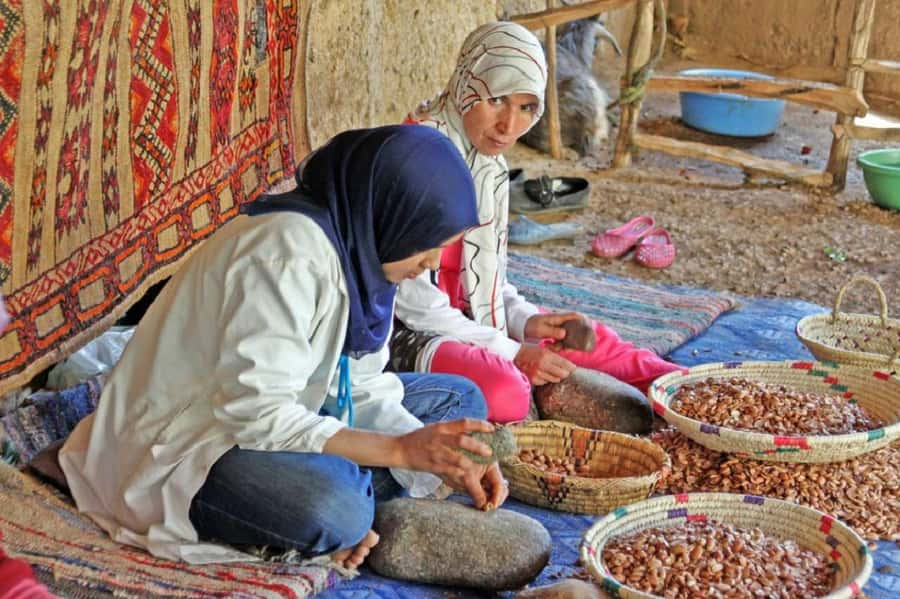
Moroccan rugs are not just blocks of color. Their patterns can carry personal, regional, or symbolic meaning. During the workshop, you learn about the ideas behind different motifs and colors before choosing elements for your own rug.
The freedom here is limited in a practical way. You have only a short session and will make a small piece, so you are not designing a room-size carpet from scratch. Instead, you select colors and symbols that fit the materials and time available, then work with the instructor to turn those choices into a simple design.
That limitation is not a flaw, as long as you know about it before booking. A small pattern is achievable for a beginner. Trying to create a large, complicated design in two hours would make the class frustrating rather than relaxing.
You do not need previous weaving experience. The instructors demonstrate the technique, guide your hands, and explain what to do next. The teaching has received strong praise for being gentle and clear. Hajar, in particular, is described as patient, friendly, fluent in English, and good at managing the time.
The loom work: relaxing, but not instant
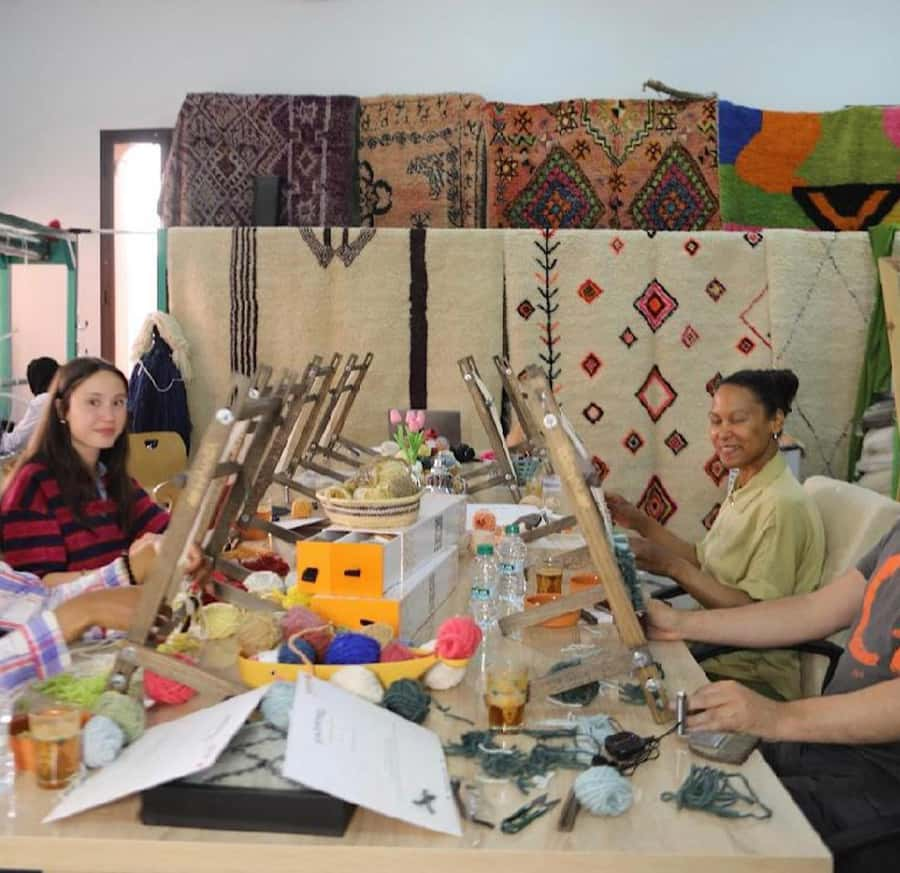
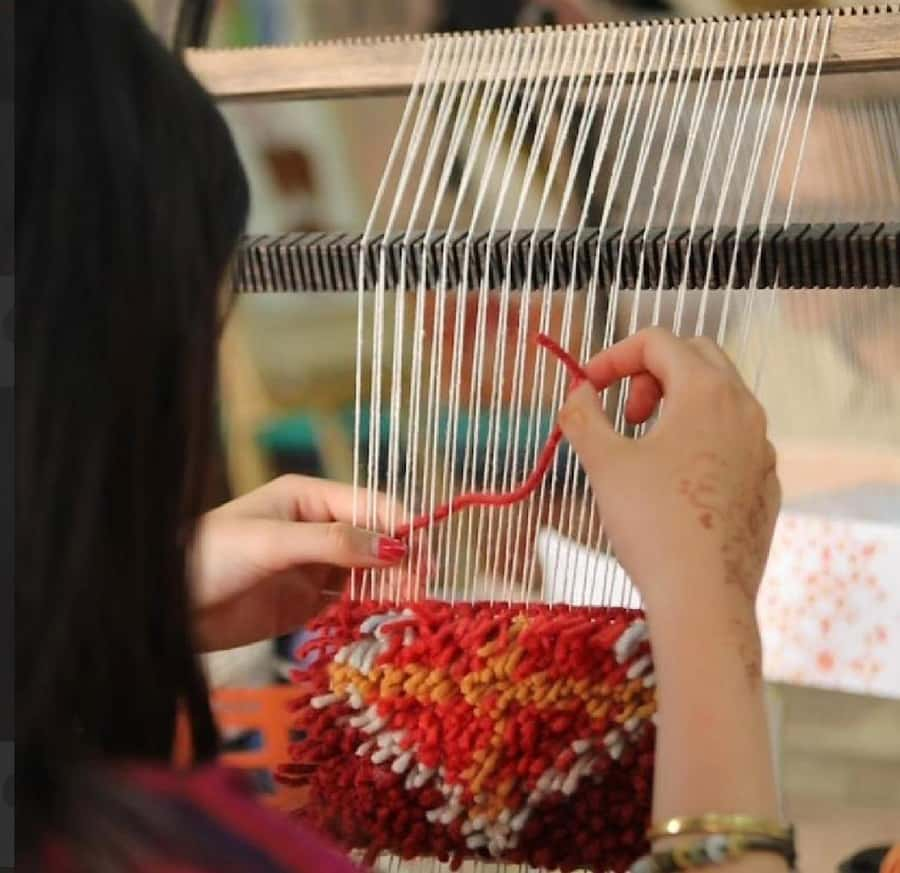
The actual weaving is repetitive. That is part of its appeal. You place or knot the wool, keep track of the pattern, and repeat the movement. The rhythm can feel calming, especially after the noise and bargaining of central Marrakech.
You should not expect to produce a polished museum piece. Your rug is a first project, and the charm comes from its handmade character. The instructor helps you avoid major mistakes, but small irregularities are part of the learning process.
This is a good activity if you enjoy making things with your hands. It also suits people who prefer a quiet cultural experience to a fast sightseeing schedule. One participant called the session relaxing and meditative, while another said she wished she could stay all day. Those comments make sense: the work is slow, focused, and pleasantly different from checking off monuments.
The tradeoff is size. The finished item is a mini carpet. The exact dimensions are not given as a fixed standard, but one person expected something larger after seeing photographs and was surprised by the tiny result. Read the experience as a beginner lesson with a personal souvenir, not as a way to manufacture a full-size Moroccan rug.
Same base, a different sort of day:
- Marrakech: Agafay Desert Quad Biking Tour with Dinner-Show
★ 4.8 · 16,569 reviews - Marrakech: Atlas Mountains, Ourika Valley, Waterfall & Lunch
★ 4.8 · 15,834 reviews - From Marrakech: 3-Day Merzouga and Sahara Desert Tour
★ 4.9 · 15,308 reviews - Berber villages : Atlas Mountains Day Hike from Marrakech
★ 5.0 · 14,007 reviews
Mint tea, pastries, music, and conversation
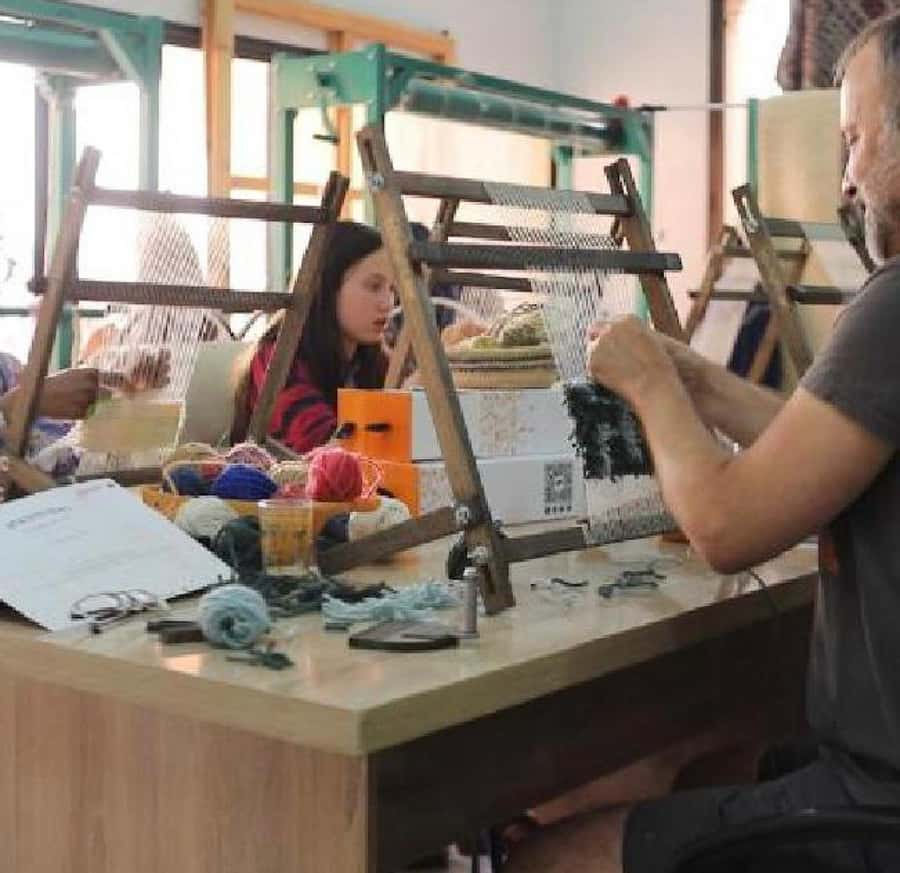
The workshop includes fresh Moroccan mint tea and traditional pastries. Water and Wi-Fi are also provided. These extras are not the main reason to book, but they help turn the lesson into a cultural visit rather than a craft appointment.
Tea gives you a natural pause while the instructor explains the craft or answers questions. The pastries add a small taste of local hospitality without turning the activity into a meal. Lunch is not included, so plan to eat separately before or after the class.
The social side can be as memorable as the weaving. Conversations may touch on life in Morocco, local traditions, and the work of the artisans. One session included Moroccan pop music, with Hajar softly singing along while teaching. That sort of detail cannot be scheduled, but it shows the friendly tone you can expect.
The language options are unusually broad for a short workshop. Guides can lead the activity in English, French, Arabic, Italian, or Spanish. If you need a specific language, check availability when booking rather than assuming every session uses all five.
Seeing the artisans work
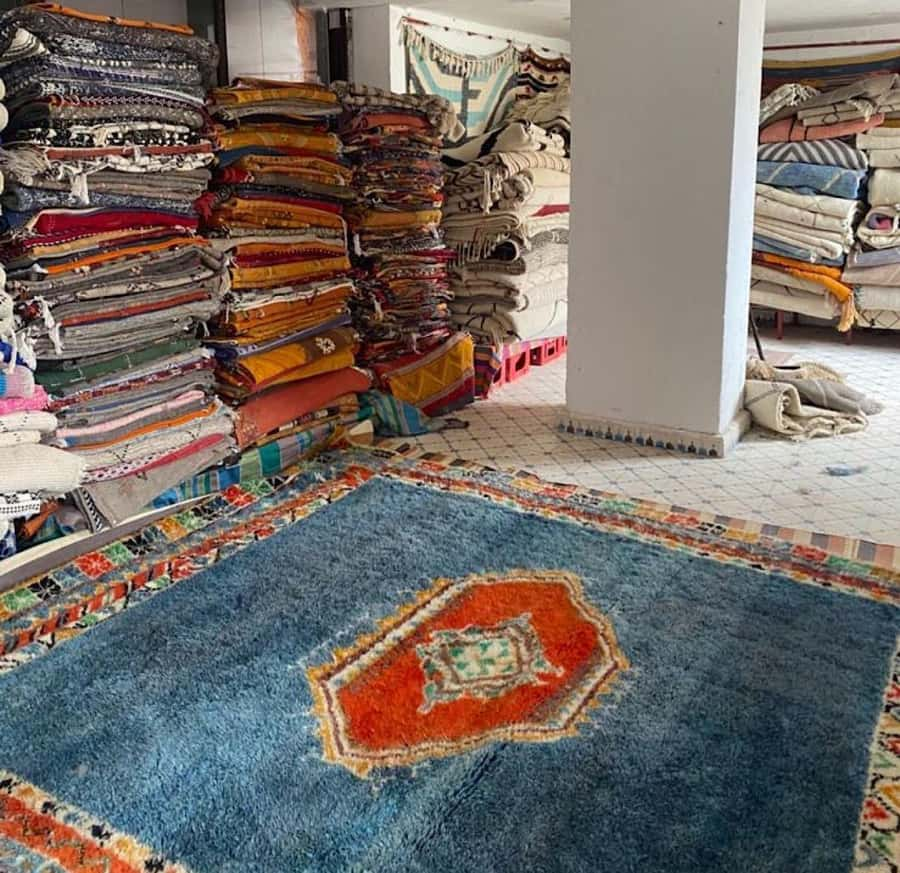
Before or during your own weaving, you can watch artisans turn wool into larger, more complex rugs. This is where the workshop adds value beyond a standard craft class. You see the scale of the work and the time involved before deciding if you want to buy anything.
Pay attention to the differences between your beginner piece and the larger rugs around the studio. A full-size rug requires far more wool, planning, repeated labor, and room on the loom. That context helps explain why handmade rugs can cost much more than mass-produced floor coverings.
You also have a chance to ask about construction, colors, patterns, and care. The provided details do not promise a formal lecture on every regional style, so the depth of the explanation may depend on your guide and your questions. Ask directly if a motif or material catches your eye.
This is also the point where the experience can shift from workshop to shopping opportunity. Larger rugs are available for purchase, with fixed prices rather than a haggling process. That approach will appeal to you if you prefer clear pricing and a straightforward sale. It may feel less attractive if you enjoy bargaining in the medina or want to compare many shops before buying.
Buying a larger rug and arranging shipping
You are not required to buy a rug. The price of the workshop covers the activity, not a larger carpet. If one speaks to you, the studio offers a contract of sale and worldwide DHL shipping with a tracking number.
That paperwork is useful for a large purchase. You do not have to carry a rolled rug through the rest of your trip, and tracking gives you a way to follow the shipment. Still, keep your judgment switched on. Fixed pricing is convenient, but it does not automatically mean every rug is the best value available in Marrakech.
One person purchased a 20 by 30 centimeter rug for 300 and later felt a larger rug could be found in the medina for the same amount. This is the clearest caution attached to the experience. Take your time, ask about dimensions and materials, and compare the price with similar pieces elsewhere before paying.
I would treat the studio purchase as optional. Buy because you like the design, understand the size, and value the convenience of documented shipping. Do not buy simply because you have just enjoyed a warm, personal workshop. A pleasant class can make it easy to spend more than planned.
Is the $102 price fair?
At $102 per person, this is not a bargain-basement craft class. The value depends on what you want from the outing.
You are paying for a two-hour guided cultural activity, hotel pickup and drop-off, instruction from local artisans, tea, pastries, your handmade mini rug, and access to the studio setting. Multilingual support and wheelchair accessibility add practical value. The included transport is especially helpful if you are staying outside the easiest walking area.
The strongest value is personal. You are not just purchasing a small object. You are paying for the story behind it, the guidance that lets a beginner make it, and the chance to ask questions in a working rug environment. If you already planned to buy a souvenir, this gives that souvenir a connection to your own time in Marrakech.
The price is harder to justify if you want a long, technical weaving course or a larger finished carpet. The session is short, the handmade piece is small, and lunch is not included. Anyone hoping to learn enough to make a full-size rug should search for a longer workshop, such as a four-hour option, if one is available for their dates.
Who will enjoy this activity most
I would recommend this workshop to couples, families with older children, solo visitors, and anyone who likes creative activities. It is also a good choice for a rainy or very hot part of the day because the work takes place indoors.
You do not need to be artistic. The guide handles the technical teaching, and the pattern can remain simple. Curiosity matters more than skill.
It suits you particularly well if you:
- Want a personal souvenir rather than a mass-produced trinket
- Prefer meeting local artisans to spending another hour shopping
- Enjoy calm, repetitive creative work
- Need hotel transport in Marrakech
- Want help in English, French, Arabic, Italian, or Spanish
- Like the idea of a fixed-price purchase with international shipping
I would hesitate if your main goal is to make a sizable rug yourself. I would also be cautious if you have a strict souvenir budget and are likely to feel pressured by attractive larger pieces. Decide before arriving how much you are willing to spend on additional rugs.
Practical details that affect your day
The activity lasts two hours, with starting times based on availability. Hotel pickup and drop-off are included, but a nearby meeting point may replace direct pickup where cars cannot reach the accommodation.
Wear comfortable clothes and shoes. Low seating is part of the setup, and you may spend time leaning forward over the loom. Bring a camera if you want photos of the studio, rugs, or your finished work. Alcohol and drugs are not allowed.
The experience is wheelchair accessible. Since access can vary by accommodation and vehicle route, confirm the pickup details when booking if you use a wheelchair.
You can cancel up to 24 hours before the activity for a full refund. Reserve-now, pay-later booking is available, which helps if your Marrakech schedule is still changing.
Should you book the Marrakech rug workshop?
Book it if you want a friendly, hands-on look at Moroccan weaving and you are happy taking home a small rug made with beginner-level skill. Hajar and Abla bring a warm teaching style, the tea and conversation make the studio visit pleasant, and included transport removes much of the hassle.
Go in with clear expectations. This is not a full-day apprenticeship, and the mini rug will be much smaller than some of the larger rugs displayed around the studio. Treat any larger purchase as a separate decision, compare sizes and prices, and use the contract and DHL tracking if you buy.
For a two-hour cultural activity with a personal result, the $102 cost can be worthwhile. For a serious weaving course or a bargain rug, spend your money elsewhere. For most curious visitors, this is a thoughtful way to leave Marrakech with more than a souvenir: you leave with a small piece you helped make.
FAQ
How long does the rug-making activity last?
The scheduled experience lasts two hours. The hands-on weaving portion may take about one hour, with the remaining time used for instruction, conversation, tea, pastries, and viewing rugs.
Do I need previous weaving experience?
No. The workshop welcomes all skill levels, and the instructors teach the traditional technique from the beginning.
What size rug will I make?
You will make a mini rug. The exact size is not specified, so do not expect to complete a large carpet during the two-hour activity.
Who teaches the workshop?
Guides include Hajar and Abla. Hajar has led sessions in English and is described as patient, friendly, and careful with the timing.
What languages are available?
The activity can be guided in French, English, Arabic, Italian, and Spanish.
Is hotel pickup included?
Yes. Hotel pickup and drop-off are included. If a car cannot reach your accommodation, the local partner provides a nearby meeting point.
What refreshments are provided?
Fresh Moroccan mint tea, traditional pastries, and water are included. Lunch is not included.
Can I buy a larger Moroccan rug?
Yes. Larger rugs are available to purchase separately. Prices are fixed and transparent, with no haggling required.
Can a purchased rug be shipped internationally?
Yes. The studio offers worldwide DHL shipping, a contract of sale, and a tracking number.
Is the workshop wheelchair accessible?
Yes, the activity is listed as wheelchair accessible.
Just added in Marrakech
- Quad Ride In The Agafay Desert★ 5.0 · 39 reviews
- Quad Biking Agafay desert★ 5.0 · 20 reviews
- Marrakech: Tailor-Made City Tour With Your Own Private Guide★ 4.9 · 236 reviews
- Surf Training and Lunch on Essaouira Day Trip from Marrakech★ 4.9 · 51 reviews
- Essaouira: Surf Trip from Marrakech★ 4.9 · 31 reviews
- Marrakech palm grove: Sunset camel ride★ 4.8 · 194 reviews
- Marrakech: Sunrise Desert Tour with Camel Ride and Breakfast★ 4.4 · 36 reviews
- Marrakech : Agafay Desert Sunset Camel Ride & Luxury Dinner★ 4.3 · 39 reviews
Tours in Marrakech, compared.

Agafay Desert Sunset, Camel Ride, and Dinner Show
Read our review →

Agafay Desert Quad & Camel Rides with Dinner Show
Read our review →
Agafay Desert Quad Biking Tour with Dinner-Show
Read our review →
Atlas Mountains, Ourika Valley, Waterfall & Lunch
Read our review →

Berber villages : Atlas Mountains Day Hike from Marrakech
Read our review →