Reviewed · TOURS IN MARRAKECH
Sparkling Marrakech through the eyes of your local Guide
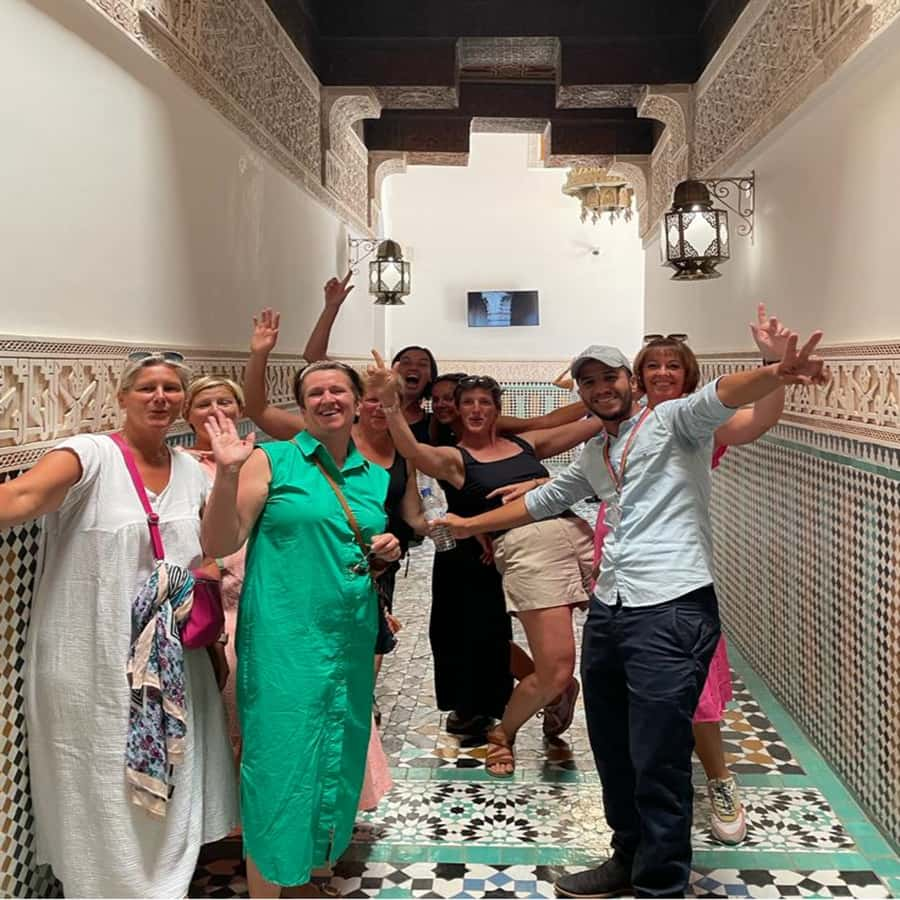
Marrakech makes the most sense when someone helps you read the city as you walk. This three-hour tour links Jemaa el-Fnaa, palaces, mosques, and souks with stories about family life, religion, food, language, and local customs. I like the clear route and the way guides such as Abdo, Abdul, Abdoo, Nasser, and Ahmed explain more than dates and names. I also like the small-group feel reported by several bookings, with groups of three to five sometimes feeling almost private.
The main thing to consider is pace. Nine stops in three hours is ambitious, and you will spend much of the time on foot over uneven streets. Monument entry fees are extra, food and transport are not included, and one booking ran beyond four hours, so leave some flexibility in your day.
Key points at a glance
- A useful first-day orientation: The route takes you from the main square into the Medina, helping you understand the city before exploring alone.
- Local help in the souks: Your guide leads you through the maze and offers practical shopping advice, which can save time and reduce confusion.
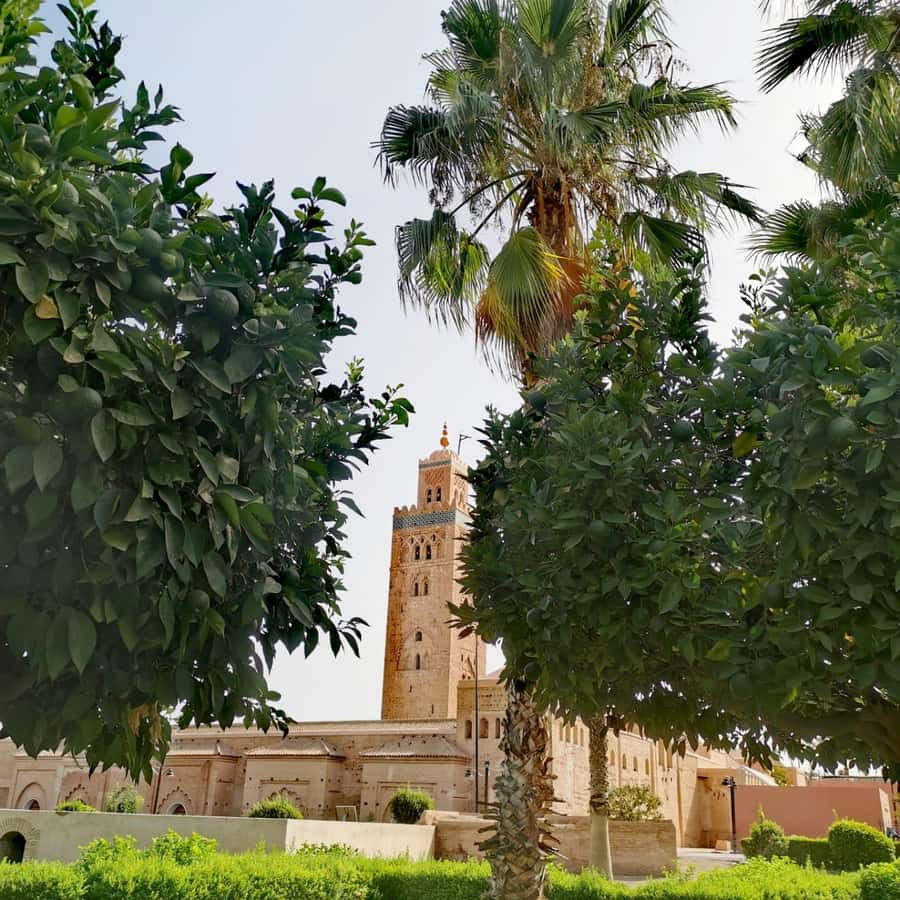
- Several major sights in one walk: Koutoubia Mosque, Bab Agnaou, Bahia Palace, Ben Youssef Madrasa, and Secret Garden all appear in the route.
- Culture beyond monuments: Expect discussion of Moroccan marriage customs, family life, religious practice, languages, food, politics, education, and festivals.
- Good language coverage: Tours are offered in English, German, Dutch, French, and Arabic.
- Strong value at $25: The price is low for a licensed guide, water, local interpretation, and a broad introduction, but admission tickets cost extra.
Why this Marrakech walk works best early in your stay
I would book this tour near the start of a Marrakech visit. The old city can feel simple on a map and bewildering once you are inside it. Alleys twist, shops look alike, and the souks quickly swallow your sense of direction. A guide gives you a working map in your head, then you can return later with more confidence.
The route also gives you useful cultural context. Instead of seeing Bahia Palace as a pretty collection of rooms, you can connect its design with Moroccan households and power. Instead of treating the souks as a row of souvenir stalls, you can watch how craft, trade, and daily life meet in the Medina.
The guide is described as official, professional, and bilingual. English appears often in the feedback, with Abdo and Abdoo receiving particular praise for clear speech, humor, and easy conversation. German, French, Dutch, and Arabic are also available, though you should confirm your preferred language when booking.
Other trips people book in Marrakech:
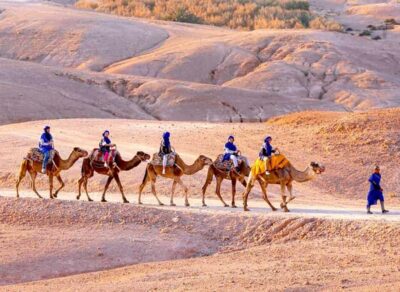
- Marrakech: Agafay Desert Sunset, Camel Ride, and Dinner Show
★ 4.6 · 35,119 reviews - From Marrakech: Ouzoud Waterfalls Guided Hike and Boat Trip
★ 4.7 · 33,630 reviews - Marrakech: Agafay Desert Quad & Camel Rides with Dinner Show
★ 4.8 · 27,382 reviews
Meeting at Argana and entering Jemaa el-Fnaa
The meeting point is in front of Café Argana on Jemaa el-Fnaa, the large central square. Look for the café’s green sign and the large ice cream sculpture near the entrance. Juice sellers and food stands help identify the spot if the square feels confusing.
Your guide is meant to hold a professional guiding card or license and will have your name on the booking list. Arrive through the main entrance of the square and walk toward the center. This is a public, busy meeting point, so allow a little time to find the café rather than arriving at the last minute.
Jemaa el-Fnaa is more than a place to check off. It is Marrakech’s public stage, with food stalls, juice sellers, performers, and constant movement. The exact activity changes through the day, but the square gives you an immediate sense of how the old city works. The planned tea stop here is a pleasant way to begin, though food and additional drinks are not included.
Koutoubia Mosque and the view from outside
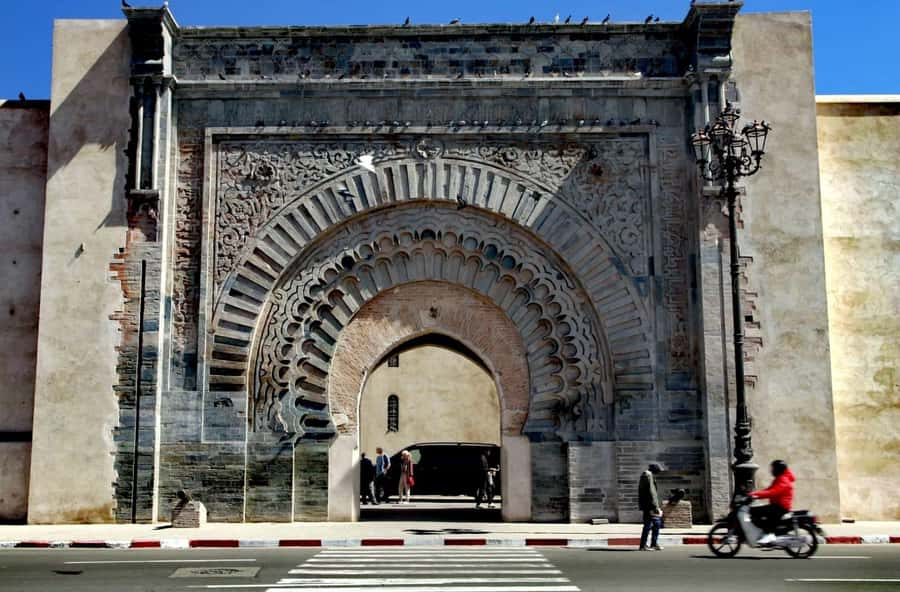
From the square, the walk continues to Koutoubia Mosque, one of Marrakech’s best-known landmarks. The minaret is an important visual reference across the city, and your guide explains its place in Marrakech’s story before leading you onward.
The itinerary calls this a visit and guided walk. Do not assume that this means entry inside the mosque. The supplied information does not promise interior access, and visitors should be prepared to appreciate the exterior and surrounding area. The stop works well early in the route because it helps you understand the scale and layout of the old city.
This is also where the tour begins to balance major sights with everyday movement. You are not simply driven from one attraction to another. You walk between them, passing streets and corners that show how the Medina functions.
Bab Agnaou and the old city walls
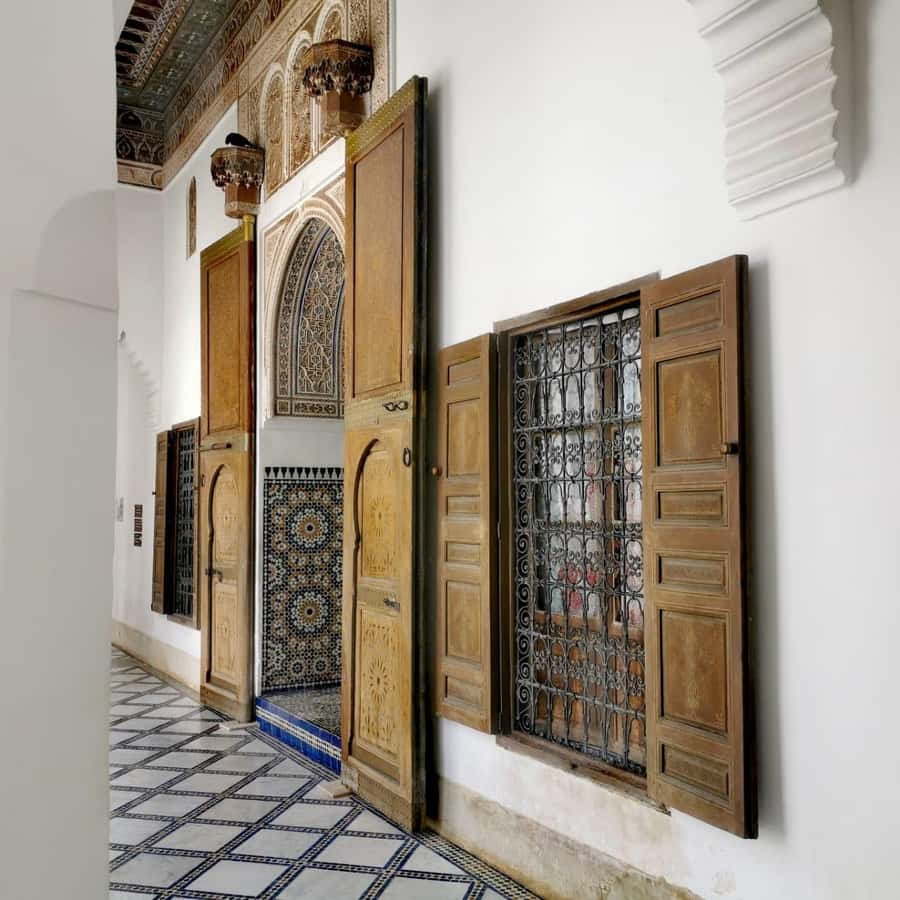
Bab Agnaou is one of Marrakech’s historic gates and another walking stop. A gate can look like a quick photo opportunity if you do not know what you are seeing. With a guide, you get the reason for its form, location, and connection to the city’s old defenses and royal areas.
The stop is brief enough to keep the tour moving, but it adds useful structure. Marrakech is easier to understand when you see how walls, gates, palaces, markets, and religious buildings fit together. This is one reason the experience offers more than an unaccompanied walk through attractive streets.
Same base, a different sort of day:
- Marrakech: Agafay Desert Quad Biking Tour with Dinner-Show
★ 4.8 · 16,569 reviews - Marrakech: Atlas Mountains, Ourika Valley, Waterfall & Lunch
★ 4.8 · 15,834 reviews - From Marrakech: 3-Day Merzouga and Sahara Desert Tour
★ 4.9 · 15,308 reviews - Berber villages : Atlas Mountains Day Hike from Marrakech
★ 5.0 · 14,007 reviews
Bahia Palace and the cost of admission
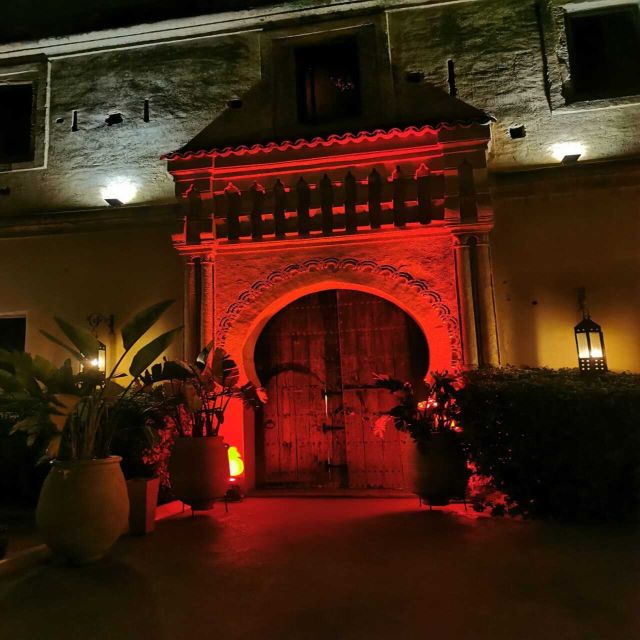
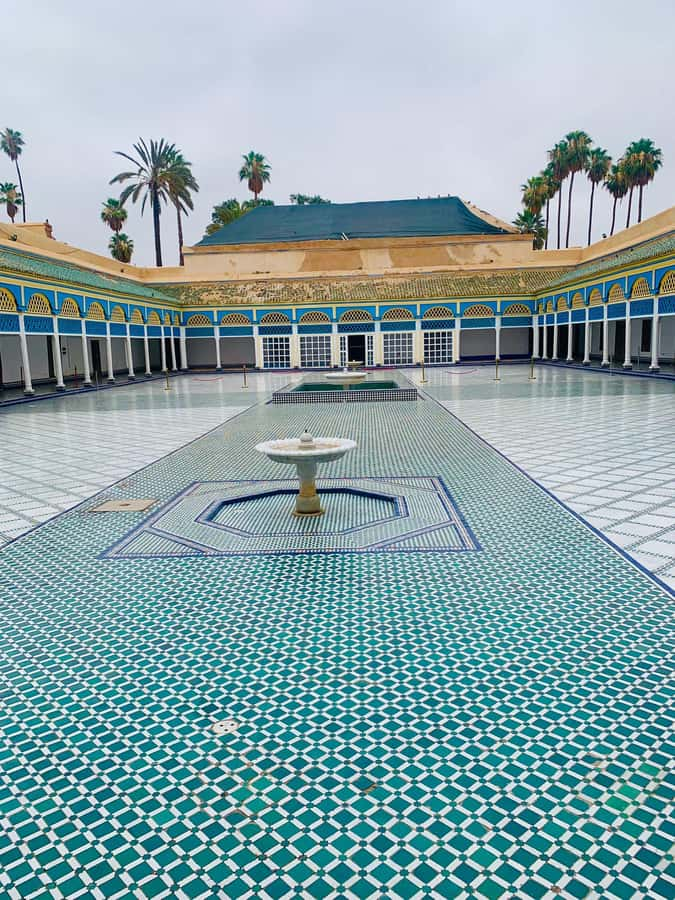
Bahia Palace is listed as a photo stop, but the broader description says the group visits the site. Admission is not included, and the stated price is 100 Moroccan dirhams, about 10 euros. Bring cash, since the tour specifically advises you to have enough money for monument tickets.
The palace is one of the route’s strongest stops for architecture and decoration. You can expect courtyards, painted details, tilework, and rooms designed around privacy, shade, and household life. The guide’s cultural explanations matter here. You can ask about marriage traditions, family arrangements, domestic spaces, and the role of palace compounds in Moroccan society.
Plan your energy carefully. The route includes a lot of standing and walking, and one booking found that a short rest after the palace would have helped. If the day is hot, carry water, wear light clothing, and take the supplied bottle of water seriously.
Ben Youssef Madrasa and a second ticket
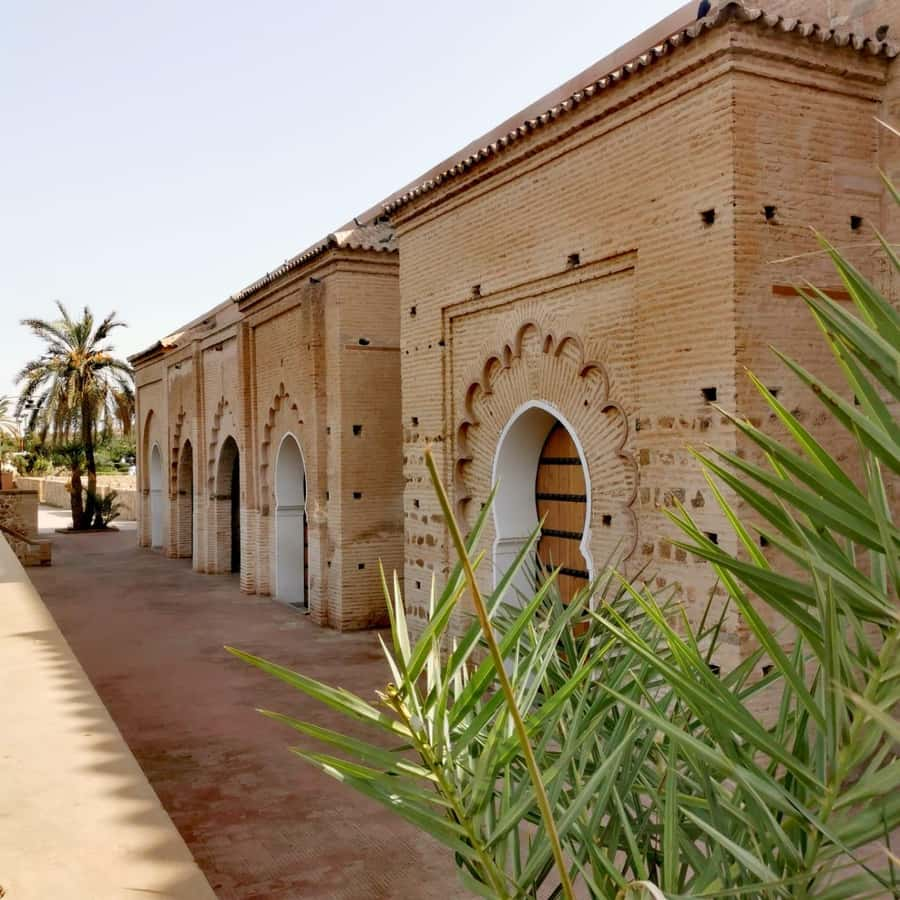
Ben Youssef Madrasa is a dedicated visit rather than a passing glance. Entry is listed at 50 dirhams, about 5 euros, again payable separately. This former religious school is especially valuable for understanding Moroccan design, with carved plaster, woodwork, tile patterns, and a central courtyard.
The madrasa also opens a door to discussion about education and religious practice. The tour promises explanations of beliefs, languages, schooling, and traditions, and this is a natural place to ask how learning worked in historic Morocco.
The schedule is tight. If you want time for careful photographs or detailed questions at both Bahia Palace and Ben Youssef Madrasa, tell the guide early. The route can be changed to suit the group, but adding time at one site may mean shortening another.
Souk Semmarine, workshops, and shopping advice
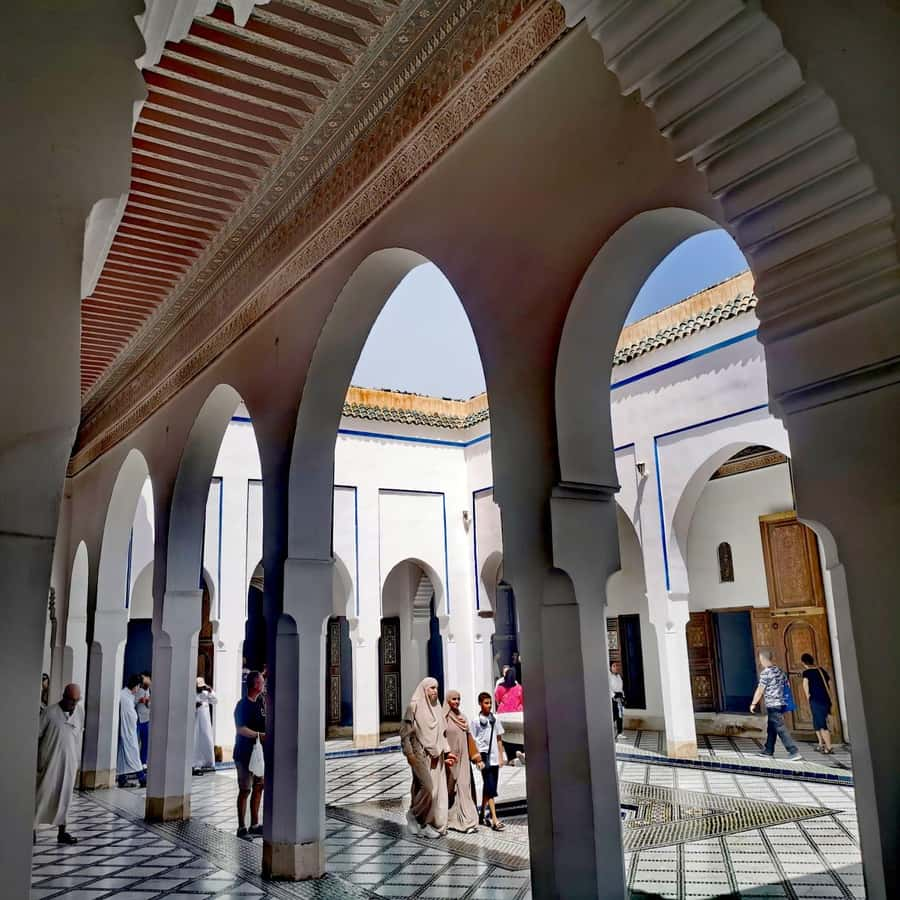
Souk Semmarine brings you into the commercial heart of the Medina. Here, the value of a local guide becomes very practical. The lanes can be hard to follow, and several people found it especially useful to have help getting out of the souks.
Expect stalls and workshops featuring traditional Moroccan goods. The experience description includes visits to local workshops where artisans make crafts, and the feedback points to friendly makers and useful advice about shopping. This is not just a shopping stop. It is your chance to see how goods are made and to ask what is genuinely local, what is produced for visitors, and how to judge quality.
You are not required to buy anything. Souk shopping can be fun, but it can also be tiring if every stop turns into a sales conversation. A guide can point out suitable places and help you understand prices, yet you should still decide for yourself how much time and money to spend.
The tour does not include souvenirs, and the $25 price does not cover purchases. Bring a credit card and cash, but do not carry more money than you need while walking through crowded lanes.
Secret Garden and a quieter final stop
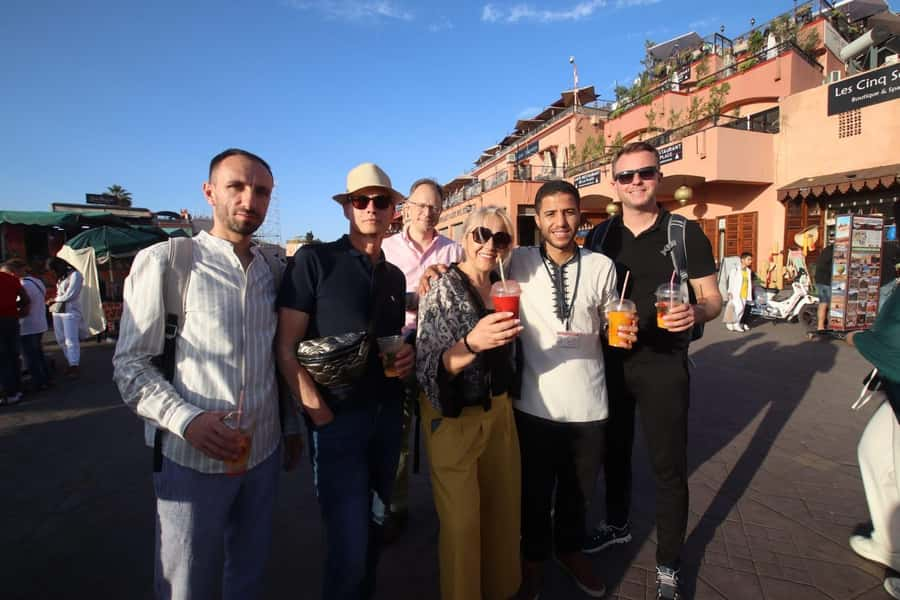
The Secret Garden offers a change of mood after the square, monuments, and souks. The itinerary includes a visit, guided walk, and sightseeing. Gardens in Marrakech are designed for shade, water, order, and relief from the heat of the streets, so this stop helps round out the city’s character.
It also gives the guide room to discuss Moroccan ideas about gardens, homes, privacy, and hospitality. The garden may be one of the better places to slow down, take photographs, and ask questions before returning to Argana.
As with the other monuments, check the entry arrangement and carry cash. The supplied details clearly list admission costs for Bahia Palace and Ben Youssef Madrasa, but do not give a price for Secret Garden.
What you learn beyond the sightseeing
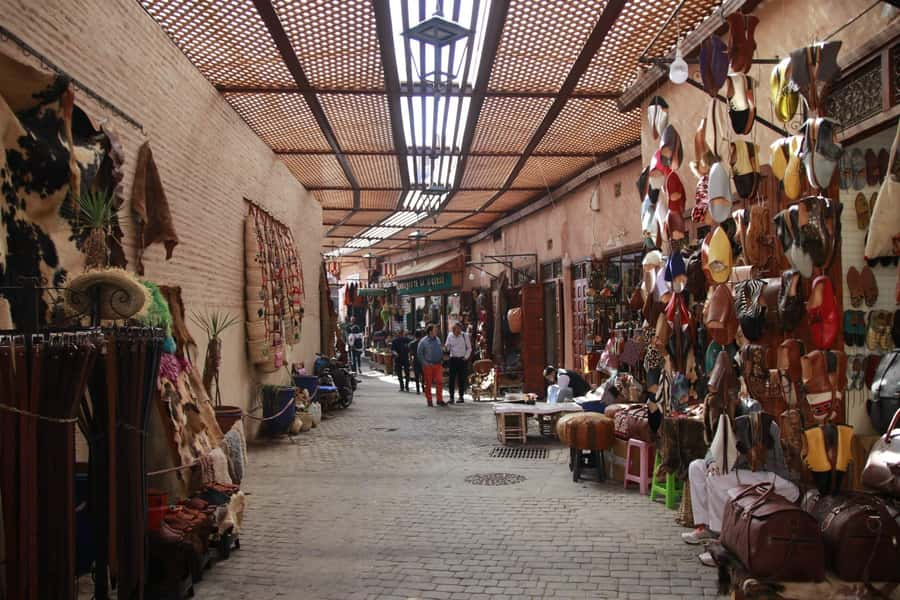
The strongest part of this experience is not simply the number of stops. It is the promised conversation about modern Moroccan life. Your guide can explain marriage and family customs, religious practices, local languages, eating habits, politics, education, festivals, and everyday etiquette.
That broad subject list gives you a better way to ask questions. You can connect a palace room to family life, a food stall to eating habits, a craft workshop to local work, and the Medina’s movement to the city’s social routines.
The tone appears intended to be light rather than academic. Abdo and Abdul are repeatedly described as funny, patient, friendly, and clear in English. One guide even reminded a group to walk on the right, a small point that says a lot about the practical side of the tour. Good guiding here means helping you move through Marrakech with courtesy, not just reciting facts.
Pace, group size, and comfort
The advertised duration is three hours. That is enough for a strong introduction, but not enough for a slow, detailed visit at every stop. You will walk through narrow lanes, wait for the group, enter monuments, and pause for explanations. Comfortable shoes are essential.
The group size can vary. Some bookings had three or five people and felt almost private, while the published details do not guarantee a maximum group size. If you strongly prefer a quiet, unhurried experience, ask about the group before booking.
The route is wheelchair accessible, though the Medina’s narrow streets and historic buildings may still present practical challenges. The supplied information does not detail every surface or interior access point, so discuss your needs in advance.
The itinerary is adaptable. That is useful if you want more time at the madrasa, less shopping, or a quicker route in hot weather. Remember that flexibility works both ways. One tour lasted more than four hours, so do not schedule a flight, spa appointment, or restaurant reservation too closely afterward.
Is $25 good value?
At $25 per person, this is an inexpensive way to get a licensed local guide through central Marrakech. You receive the guided walk, a bottle of water, help in the Medina, free delivery of purchased goods to your hotel or riad, and a free connection network during the tour.
The low price needs context. You still pay for entry to monuments, food, drinks beyond the planned tea, souvenirs, and transport. The experience is also a walking tour, not a private car tour. If you want a slow palace visit with every ticket included, this is not that product.
For a first look at Marrakech, the value is strong. You get a broad route, local explanation, and practical orientation for less than many private sightseeing walks. The main tradeoff is time. You cover a lot, but you may not linger.
Who should book this Marrakech tour?
I would recommend it to first-time visitors, solo visitors who want help in the Medina, families needing a patient guide, and anyone staying only a short time. It is also useful if you want cultural explanations rather than a simple photo walk.
The tour suits people who enjoy walking and asking questions. It is less suitable if you dislike busy markets, need long rests between sights, or want to explore each monument at your own speed.
Families may appreciate the flexible approach. One booking specifically praised the guide’s patience with children. Couples and small groups can benefit from the photography help and local suggestions described during the route.
Book with the expectation of a lively introduction, not a silent luxury tour. Guides such as Abdo, Abdoo, Abdul, Nasser, and Ahmed are praised for humor, clear language, and personal attention, but the exact guide and group size may vary.
Should you book it?
Book this tour if you want to get your bearings fast, understand more of Moroccan daily life, and enter the souks with a local guide beside you. The combination of Koutoubia Mosque, Bab Agnaou, Bahia Palace, Ben Youssef Madrasa, Souk Semmarine, and Secret Garden gives you a useful first picture of Marrakech.
Skip it if you want a private, slow-paced architectural tour with all admission fees included. For most first visits, though, $25 is a fair price for three hours of orientation, practical help, and cultural context. Wear good shoes, bring cash for tickets, and keep the rest of your day open.
FAQ
Where does the tour meet?
Meet in front of Café Argana in Jemaa el-Fnaa Square. The café has a green symbol and is near juice sellers and a large ice cream sculpture.
How long does the tour last?
The advertised duration is three hours. The itinerary can be adaptable, and one booking lasted more than four hours, so allow extra time if possible.
Which languages are available?
Live guiding is available in English, German, Dutch, French, and Arabic.
What places are included?
The route includes Jemaa el-Fnaa, Koutoubia Mosque, Bab Agnaou, Bahia Palace, Ben Youssef Madrasa, Souk Semmarine, and Secret Garden.
Are monument entrance fees included?
No. Bahia Palace is listed at 100 dirhams, about 10 euros, and Ben Youssef Madrasa at 50 dirhams, about 5 euros. Bring enough cash for tickets.
Is food included?
A tea stop is included in the route, but other food and drinks are not included.
Is transport included?
No. Transportation is not included, and the experience is primarily a walking tour through Marrakech.
What should I bring?
Bring comfortable shoes, cash, and a credit card. A bottle of water is included, but carrying extra water may be useful in warm weather.
Can the route be changed?
Yes. The itinerary can be changed and adapted to guest needs, depending on the guide and the group’s requests.
Can I cancel for a full refund?
You can cancel up to 24 hours in advance for a full refund. Reserve now and pay later is also available.
Just added in Marrakech
- Quad Ride In The Agafay Desert★ 5.0 · 39 reviews
- Quad Biking Agafay desert★ 5.0 · 20 reviews
- Marrakech: Tailor-Made City Tour With Your Own Private Guide★ 4.9 · 236 reviews
- Surf Training and Lunch on Essaouira Day Trip from Marrakech★ 4.9 · 51 reviews
- Essaouira: Surf Trip from Marrakech★ 4.9 · 31 reviews
- Marrakech palm grove: Sunset camel ride★ 4.8 · 194 reviews
- Marrakech : Agafay Desert Sunset Camel Ride & Luxury Dinner★ 4.3 · 39 reviews
- Marrakech: Sunrise Desert Tour with Camel Ride and Breakfast★ 4.4 · 36 reviews
Tours in Marrakech, compared.
Agafay Desert Sunset, Camel Ride, and Dinner Show
Read our review →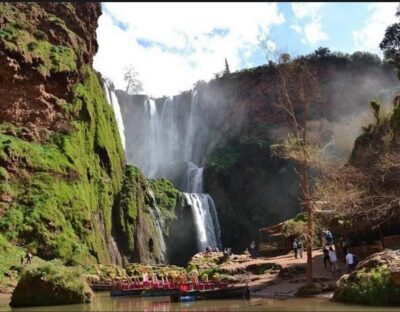
Agafay Desert Quad & Camel Rides with Dinner Show
Read our review →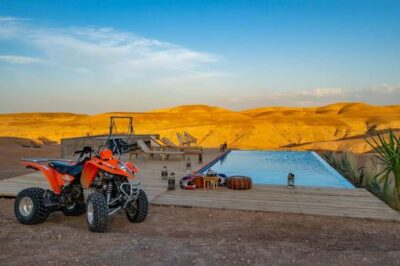
Agafay Desert Quad Biking Tour with Dinner-Show
Read our review →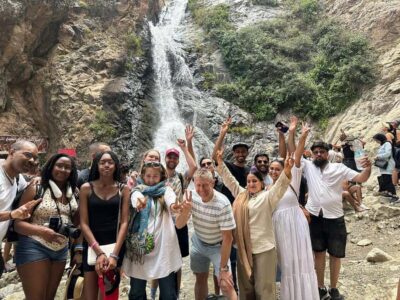
Atlas Mountains, Ourika Valley, Waterfall & Lunch
Read our review →
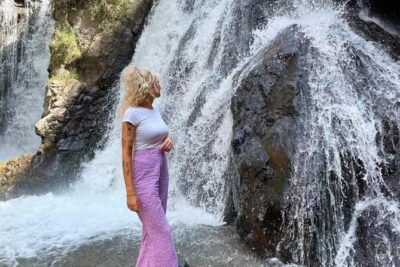
Berber villages : Atlas Mountains Day Hike from Marrakech
Read our review →