
Reviewed · MERZOUGA & ERG CHEBBI DESERT TOURS
3-Day Tour from Marrakech to Merzouga Luxury Camp with Camel
The great prize here is the Sahara night: after a long ride from Marrakech, you reach Merzouga, watch the sun sink over the dunes, ride a camel or take a 4×4 to camp, and sleep under a desert sky. Along the way, Ait Ben Haddou, the High Atlas, rose country, and Dades Gorge give the trip real variety.
I like the built-in camel ride and sandboarding, both included in the price. I also like the small-group limit of 18, the two breakfasts and dinners, and the camp tents with private toilets and showers. Drivers and guides such as Hassan, Youssef, Aziz, and Ibrahim have been praised for safe driving, good humor, music, and keeping the group together.
The catch is the road time. This is a long-distance budget tour, not a relaxed luxury holiday. Accommodation on the first night can be basic, lunch stops may be expensive, and English service is not always as clear as the booking choice suggests.
The essential points before you book
- The desert evening is the main event: Ride camels or take a 4×4, stop for sunset, sandboard, eat dinner, and hear traditional Berber music.
- Ait Ben Haddou adds genuine cultural interest: The UNESCO-listed fortified village is far more than a quick photo stop.
- Expect a packed three days: The final return from Merzouga to Marrakech takes most of the day.
- Luxury means comfort by desert standards: Your tent includes a private toilet and shower, but remote camp services can have technical problems.
- Bring cash for lunches and drinks: They are not included, and selected restaurants may charge around 120 dirhams for lunch.
- Language and organization can vary: Ask clearly about the language of your guide, meeting point, luggage, and return time before departure.
From Marrakech to the High Atlas at 7:30 a.m.
The meeting point is near Jemaa el-Fnaa at Argana, and departure is scheduled for 7:30 a.m. Pickup is offered from selected hotels, but do not assume every riad is included. Confirm the exact pickup spot the evening before, especially if your accommodation sits in the old medina.
The road south climbs into the High Atlas. The Tizi n’Tichka pass provides wide mountain views, and the vehicle usually makes stops for photographs. This is a fine opening to the trip, but it also signals what the next three days will feel like: plenty of scenery viewed through a minibus window, interrupted by short walks, meals, and photo breaks.
The vehicle may be full, with a maximum group size of 18. That keeps the price low, but it also means limited personal space. One guide, Hassan, was praised for making extra room for a passenger with an injured knee. That sort of help matters on a long drive, though you should still expect a tightly packed ride rather than a roomy private transfer.
A stop at an argan oil producer explains how the nuts are processed and how the oil is used. It is an interesting look at a familiar Moroccan product, but it is also a shopping stop. You can listen, look, and buy if you want. Do not feel that every planned store requires a purchase.
Other desert runs people book from Marrakech:
- From Marrakech: 3-Day Merzouga and Sahara Desert Tour
★ 4.9 · 15,308 reviews - From Marrakech: Merzouga 3-Day Desert Safari with Food
★ 4.7 · 12,232 reviews - 3 Days Desert Tour From Marrakech To Merzouga Dunes & Camel Trek
★ 5.0 · 10,125 reviews
Ait Ben Haddou, Morocco’s great fortified village
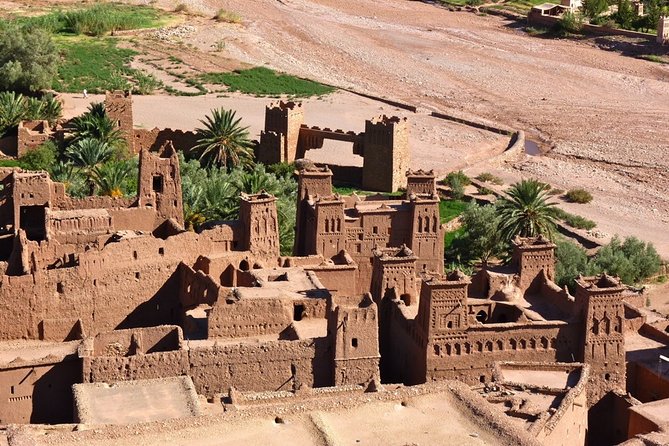
Ait Ben Haddou is the strongest sightseeing stop on the first day. Its earthen walls and clustered kasbahs rise beside the route like a film set, which is fitting because productions including Gladiator and The Jewel of the Nile used the site.
The village is a UNESCO World Heritage Site, and you should allow yourself time to notice its construction rather than treating it as a single photo backdrop. The narrow paths, mud-brick buildings, gates, and views across the surrounding terrain show why this place has such staying power.
The visit may feel rushed if your group is running behind. Some guides focus on getting everyone to the best viewpoints and the planned shop rather than offering a long historical explanation. If you want context, ask direct questions and stay close to the guide. Names and language ability can vary by departure. Some groups have had excellent explanations from guides such as Youssef, while others have had to request English translations repeatedly.
Lunch follows in the area and is not included. This is one place to keep your budget in mind. Several people have paid about 120 dirhams at selected group restaurants, while nearby alternatives may cost much less. The issue is not simply the price. Group restaurants can also mean fixed menus, limited choice, and food arriving on the tour’s timetable.
Ouarzazate, rose country, and Dades Gorge
After Ait Ben Haddou, the route continues toward Ouarzazate, often called the gateway to the desert. The town is a useful transition point between the mountain route and the dry valleys farther east. The emphasis here is on passing scenery and short stops, not an extended town visit.
The road then reaches the Valley of Roses. The name gives you a sense of the seasonal character of this part of Morocco, where rose products are sold alongside other local goods. The scenery changes again as the route follows dry slopes and valley settlements toward Dades Gorge.
The first overnight stop is generally in the Dades area. Breakfast and dinner are included, but the standard of the hotel can vary. Some people find the first-night accommodation perfectly acceptable, often with a pool, while others have encountered dirty rooms, weak ventilation, or troublesome showers. This is the clearest reason not to book the tour expecting hotel luxury simply because the desert camp is called luxury.
Dinner may be served late, sometimes after 9:30 p.m. Bring snacks for the minibus. You will be glad to have something simple during the long stretches between meals, especially since lunch and drinks are your responsibility.
Todra Gorge and the road to Merzouga
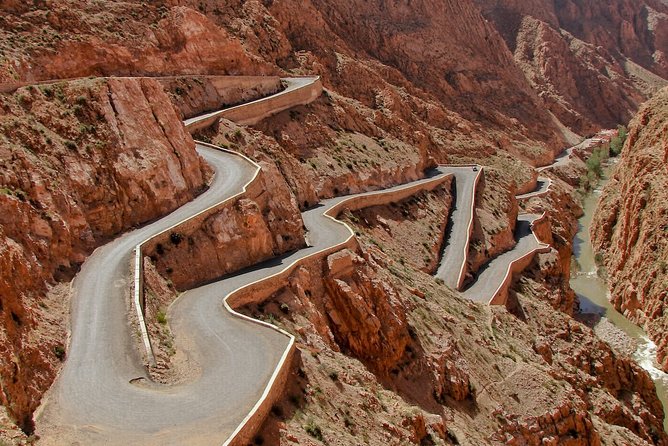
After breakfast, the route continues through the Dades area toward Todra Gorge, then on through Erfoud and Rissani before reaching Merzouga. Todra’s steep rock walls make it one of the most memorable natural stops on the route. The visit is generally brief, so wear shoes you can walk in and keep your camera ready.
This second day is still a driving day, but it feels more purposeful because the desert is getting closer. You will pass dry valleys, small towns, and increasingly open scenery. Frequent toilet and snack stops are useful, though the timing can be loosely managed. Sometimes you may wait for people to return, then be hurried back into the vehicle.
Merzouga is where the trip changes character. At the desert base, you receive tea, leave larger bags at the lodging or departure point, and carry only what you need into camp. Pack a small overnight bag with medication, toiletries, a phone charger, water, and a warm layer. You do not want to sort through a full suitcase beside the camels.
Other nights under canvas booked from Marrakech:
- From Marrakech: 3-Day Desert with luxury camp, camel & meals
★ 4.6 · 922 reviews - Marrakech: 3-Day Desert Trip to Merzouga with Luxury Camp
★ 4.7 · 887 reviews - Marrakech: Agafay Desert Camp Lunch with Camel Ride and Pool
★ 4.4 · 860 reviews - 2-Day Zagora Tour from Marrakech Including the Atlas Mountains, Camel Trek and Desert Camp
★ 4.5 · 328 reviews
Camel ride, 4×4 option, and sunset on the dunes
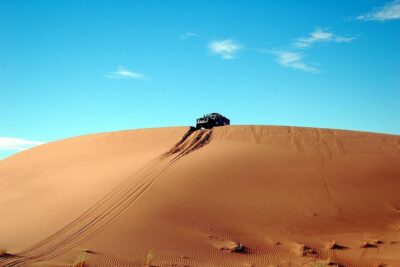
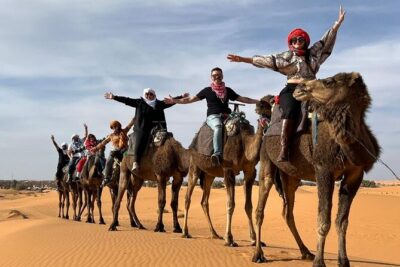
The standard desert transfer is about an hour by dromedary caravan. You can also use a 4×4 jeep, which is the better choice if you are uncomfortable on a camel or simply want a faster, steadier ride over the sand.
The camel ride is not a private desert expedition. You will travel with the group, usually stopping along the way for photographs and sunset. Sandboarding is included at no extra charge. The boards are a simple but fun addition, and the dunes give you an easy chance to try it without signing up for another paid activity.
Some departures also make room for quad biking, henna, local camel feeding, or dress-up photographs. These extras are not the core promise of the trip, and the supplied details do not establish that every departure includes all of them. Treat them as possible additions, not guaranteed features.
Sunset is the moment to protect. Keep track of the meeting time and ask the guide to repeat it clearly. One party was given confusing wake-up information and missed an important desert moment. Remote camp evenings are special precisely because the schedule is simple, so poor communication can spoil a large part of the experience.
What the luxury Sahara camp is really like
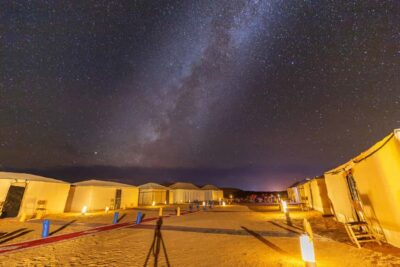
The tented camp includes a private toilet and shower, better bedding, and more decoration than the regular camp option. Dinner is included, and the evening normally brings traditional Berber music, singing, and dancing. Birthday celebrations are also listed as part of the evening program.
The camp has been warmly praised for its beds, food, setting, and friendly staff. That is the good news. The practical warning is that you are still in a remote desert camp. Electricity and water can fail, and there may be no air conditioning or fan. One disappointing stay involved no water or electricity overnight, while other departures had functioning showers and power.
Pack accordingly. Bring a small flashlight, a power bank, wet wipes, and enough drinking water for the evening. The camp provides a shower and toilet in the tent, but you should not expect the same reliability as a city hotel. The word luxury here means a more comfortable tent and private facilities, not a resort with constant utilities.
Dinner and breakfast are included at camp. The desert meal has been praised more consistently than the first-night hotel food, and the music gives the evening a social feel. You will meet people from several countries, which is part of the appeal of a group tour. It can also mean the evening and guiding operate in more than one language.
Sunrise and the long return to Marrakech
The next morning begins early for sunrise, followed by breakfast and a shower at camp. Sunrise over the Merzouga dunes is worth the early alarm, so place your clothes, shoes, and phone within reach the night before.
The return drive goes back through the desert and Ouarzazate, then crosses the Atlas toward Marrakech. Stops may include lunch around El Kelaa M’Gouna or Ouarzazate, with bathroom breaks along the way. Arrival is usually around 6:30 to 7:30 p.m., depending on traffic, stops, and the driver’s schedule.
This day is mostly transportation. You should not book a flight, a hammam appointment, or an important dinner immediately after the stated arrival time. The return is tiring, and a delay would not be surprising on a route of this length.
Drivers such as Aziz, Ibrahim, Ahmed, and Hassan have been praised for calm driving and helpful service. That is important on winding mountain roads and a long final day. Still, reports also describe unexplained roadside stops and weak communication. If the vehicle pauses unexpectedly, ask politely what is happening and when you should be back.
Price, group size, and what you still pay
At $173.79 per person, the price is strong for a three-day route that includes transport, one desert night, a camel ride or 4×4 transfer, sandboarding, two breakfasts, and two dinners. A private desert camp with an attached toilet and shower would cost much more if arranged alone.
The value becomes less clear if you expect premium hotels, private guiding, or carefully chosen restaurants. The first hotel can be basic, lunch is excluded, drinks are excluded, and some group meals cost around 120 dirhams. Tips and personal expenses are also extra.
You are paying for access and convenience. The tour connects Marrakech with Merzouga without requiring you to organize several transfers, and it packages the key desert activities together. In exchange, you accept a fixed route, group timing, shopping stops, and a lot of time in a minibus.
The overall rating is 4.8 from 602 ratings, with 96 percent recommending it. Those figures suggest that the core experience works well for many people, especially the desert camp, scenery, friendly staff, and value. They do not remove the need to plan for variable hotels, language mix-ups, and a demanding schedule.
Who should book this Merzouga trip?
I would choose this tour if you have only three days, want the Sahara without arranging transport yourself, and enjoy meeting people from different countries. It suits energetic visitors who see the long drive as part of the Moroccan experience rather than dead time.
It is also a good fit if you want several activities included: camel riding, sandboarding, desert dinner, music, and a camp night. The route gives you more than a simple Marrakech to desert transfer, with Ait Ben Haddou, the Atlas, rose country, Dades, and Todra along the way.
I would hesitate if you need a guaranteed English-speaking guide, carefully controlled meal choices, strong hotel standards, or a quiet private vehicle. Ask before booking how the language group is assigned, which camp category you are receiving, and where the first night will be spent.
Free cancellation is available up to 24 hours before the start time. Changes or cancellations inside that window are not accepted for a refund.
Should you book it?
Book it for the desert experience and the price, not for polished luxury from start to finish. The camel ride, sunset, sandboarding, music, and private camp facilities can make this a memorable first visit to the Sahara.
Go in prepared with snacks, water, cash for lunch, a small overnight bag, and patience for long drives. Confirm your pickup and language arrangements in advance. If you can handle the compromises, this is a practical way to reach Merzouga and see a broad slice of southern Morocco in three days.
FAQ
How long is the tour?
The tour lasts approximately three days, beginning in Marrakech and ending back at the same meeting point.
What time does the tour start?
The scheduled start time is 7:30 a.m.
Where does the tour start and end?
The meeting point is Argana, near Jemaa el-Fnaa at 18 Znikat Rahba, Marrakech. The activity ends back at the meeting point.
Is pickup from my hotel included?
Pickup is offered from selected hotels. Confirm your exact pickup location before departure, especially if you are staying in the medina.
Is the camel ride included?
Yes. A desert transfer by camel or 4×4 jeep is included.
Is sandboarding included?
Yes. Sandboarding in the desert is included at no extra charge.
What accommodation is included?
You receive one night in a luxury Sahara camp with a private toilet and shower inside the tent. Breakfast and dinner are included.
Are lunches and drinks included?
No. Lunches and drinks are not included. Tips, personal expenses, travel insurance, and plane tickets are also excluded.
Just added in Marrakech
- Quad Ride In The Agafay Desert★ 5.0 · 39 reviews
- Quad Biking Agafay desert★ 5.0 · 20 reviews
- Marrakech: Tailor-Made City Tour With Your Own Private Guide★ 4.9 · 236 reviews
- Surf Training and Lunch on Essaouira Day Trip from Marrakech★ 4.9 · 51 reviews
- Essaouira: Surf Trip from Marrakech★ 4.9 · 31 reviews
- Marrakech palm grove: Sunset camel ride★ 4.8 · 194 reviews
- Marrakech: Sunrise Desert Tour with Camel Ride and Breakfast★ 4.4 · 36 reviews
- Marrakech : Agafay Desert Sunset Camel Ride & Luxury Dinner★ 4.3 · 39 reviews
Merzouga & Erg Chebbi Desert Tours, compared.
3 Days Desert Tour From Marrakech To Merzouga Dunes & Camel Trek
Read our review →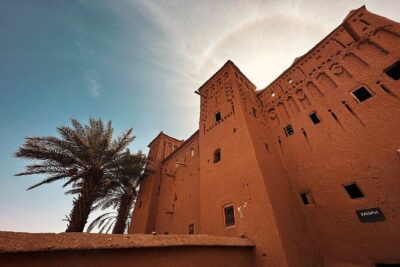
3-Day Marrakech to Merzouga Desert Tour: Camel Rides & Overnights
Read our review →
3-Day Marrakech to Fes Sahara Desert Tour via Merzouga
Read our review →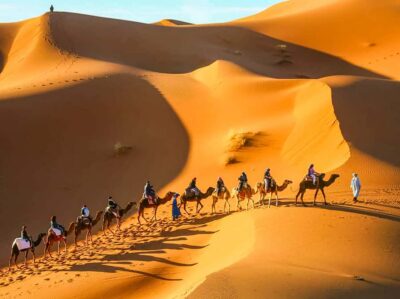
3-Day Merzouga Desert Experience Camel & Meals
Read our review →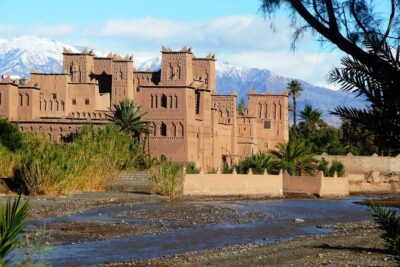
3-Day Tour to Merzouga Erg Chebbi with Food & Camel Trek
Read our review →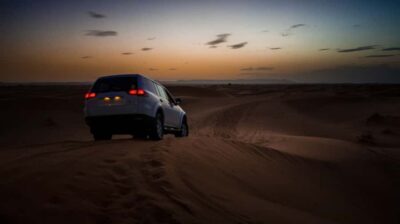
Sahara Desert 2-Day Tour with Merzouga Camp Stay
Read our review →Browse the lists this tour appears in