
Reviewed · FOOD TOURS
Fes Food Tour
Fez’s best food stories begin away from the polished restaurant menus. This private walk leads you from Bab Boujloud through local alleyways to a communal oven, small tasting stops, and traditional dishes such as harira and charcoal-grilled lamb kefta. I like the private guide format and the chance to see how everyday food is made, not just eat it. I also like that Hakim and Fatima are named as guides who give the tour a personal touch.
The main drawback is that the three-hour route can include more than you can comfortably eat, especially if you are also planning a full dinner. One stop, an apothecary presentation, has also felt too long for at least one visitor, so ask your guide to keep the pace moving if food is your main goal.
Key points at a glance
- Start at Bab Boujloud: The famous blue gate gives you an easy, memorable meeting point at the edge of the old city.
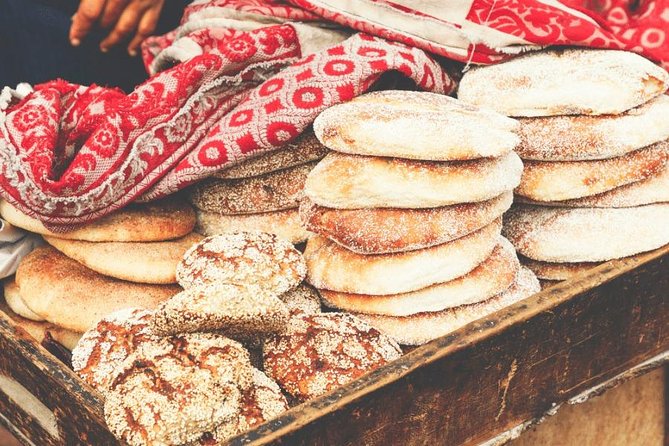
- See a communal faran: Watch families bring dough to a wood-fired neighborhood oven to be baked for a small fee.
- Taste more than one Moroccan classic: The route includes baghrir, chabakiya, harira, and lamb kefta.
- Enjoy a private three-hour walk: Your guide can adjust the pace and explain dishes to suit your group.
- Expect a cultural food lesson: The stops cover preparation, local customs, and the place food holds in Moroccan daily life.
- Plan for a moderate walk: You’ll use backstreets and alleyways, and the tour ends where it began.
Starting at Bab Boujloud, Fez’s famous gateway
The meeting point is Hotel Bab Boujloud 49 at Kasbat Boujloud Place Boujloud. In practical terms, Bab Boujloud is a useful place to begin because it is one of Fez’s best-known gates and an obvious landmark at the old city.
From there, your guide takes you into the maze of the medina. The route is designed to move away from the most obvious tourist stops and toward the streets where local food is prepared and eaten. That change of setting matters. You are not simply sampling finished dishes in one restaurant. You are seeing pieces of the food system that keep neighborhood life going.
The experience lasts about three hours and is private, so only your group participates. That gives you room to ask questions, slow down at a food stop, or explain a dietary concern directly to the guide. The tour ends back at the starting point, which makes it easy to continue exploring Fez afterward or return to your accommodation.
You should expect walking on a route that requires a moderate level of fitness. The information provided does not give a precise distance, so comfortable shoes are a sensible choice. Transportation, hotel pickup, and hotel drop-off are not included.
More eating your way round Fez:
- Fez Street Food Tour
★ 4.5 · 33 reviews - Marrakech: Street Food Tour with a Local Guide
★ 4.9 · 3,119 reviews - Marrakech: Street Food Tour by Night
★ 4.8 · 2,838 reviews
The faran, a neighborhood oven with a daily purpose
One of the most interesting stops is the faran, or communal oven. This is a traditional underground wood-fired oven where local families bring trays of dough to cook for a small fee.
For you, this stop adds useful context to the food tastings. A communal oven is not presented as a museum piece. It is part of the practical rhythm of neighborhood life, linking household cooking with a shared local service. You get to see that bread and dough are connected to the community around them, not only to a private kitchen.
The faran also helps explain why a food walk can offer more than a meal. You are learning how food moves through Fez, from preparation at home to baking in a shared oven and then onto the table. The guide explains the method and the meaning behind the food, so ask questions if you want to know how families use the oven or what kinds of dough are brought there.
The exact timing of this stop may depend on the day and the businesses operating along the route. Still, it is one of the strongest reasons to choose this experience over a simple restaurant dinner.
Baghrir and the Moroccan snack break
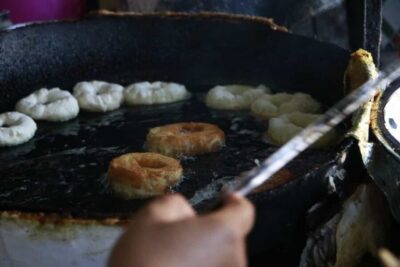
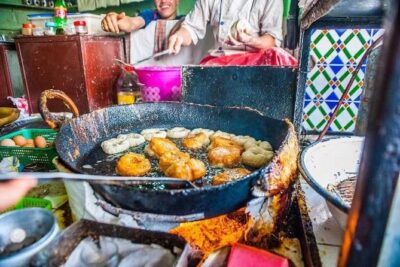
The next tasting is baghrir, a Moroccan pancake commonly served at breakfast or in the early evening during casse la croute, the local snack break.
Baghrir gives you a different side of Moroccan food from the more familiar tagine or couscous. Its place in the day is part of the lesson. Food here is not limited to formal meals. Small snacks and shared pauses have their own role, and your guide explains that setting while you taste.
I like this stop because it connects a simple item to local routine. You can ask how baghrir is prepared, when people eat it, and how it fits with other breakfast or snack foods. The tour description does not specify every topping or serving detail, so you should treat it as a chance to learn what is being offered that day rather than expect a fixed restaurant plate.
Since the tour may include several tastings, pace yourself. You do not need to finish every portion to get something from the stop. One food experience listed in the feedback involved more food than a couple could manage, so a light meal before the tour may be wiser than arriving very hungry and trying to eat everything at once.
Chabakiya, the sesame and honey sweet
The sweets and pastries stop includes chabakiya, a traditional cookie with sesame, honey, and turmeric. Its texture is described as both chewy and crunchy, which gives it more character than a plain biscuit.
Chabakiya is especially tied to Ramadan, when it is commonly served with the main meal. That detail makes the tasting useful even if you are visiting outside Ramadan. Your guide can explain the dish’s place in the calendar and why certain foods carry special meaning at particular times of year.
This is also a good example of the tour’s wider approach. You are not only checking off famous Moroccan flavors. You are learning how ingredients, religious observances, and family meals connect. The tasting is small, but the explanation gives it weight.
The sweetness may build quickly when combined with other stops, so it is perfectly reasonable to taste a little and save room for the savory dishes. If you visit during Ramadan, the timing and atmosphere may differ from a normal evening. One couple booked an evening tour during Ramadan and found the guide, Fatima, especially accommodating, but the supplied details do not promise a specific Ramadan schedule or meal arrangement.
Same base, a different sort of day:
- Chefchaouen Day Trip from Fez (Shared Group Tour)
★ 4.6 · 2,394 reviews - Fes: Volubilis Roman Ruins, Mouly Idriss, & Meknes Day Trip
★ 4.6 · 2,375 reviews - Fez Medina Guided Tour
★ 4.6 · 2,079 reviews - Blue City magic: Affordable Day Trip from Fez to Chefchaouen
★ 4.6 · 1,960 reviews
Harira, the soup with a place in Ramadan meals
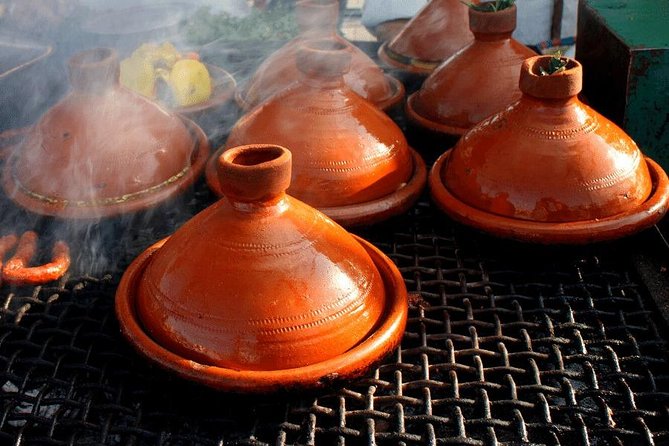
Harira is one of Morocco’s best-known soups and a central dish during Ramadan. It is described as a velvety, chunky soup made with tomatoes, herbs, pulses, and meat. It is often served with chabakiya, creating a sweet and savory pairing.
This stop offers one of the clearest examples of food carrying cultural meaning. Harira is not just a warm bowl to sample. It is connected to a major period of the Moroccan year and to the way a meal is built around nourishment, texture, and tradition.
You may find the soup more filling than expected because of the pulses and meat. Keep that in mind before the final tasting. The guide explains the ingredients and preparation, which helps you understand why the soup has such a firm place in Moroccan cooking.
If you are not familiar with pulses or strongly seasoned soup, ask what is in the bowl before tasting. The tour includes a local guide and food tasting fees, but the supplied information does not promise substitutions for allergies or dietary restrictions. A private format makes it easier to raise the question in advance, though you should not assume every dish can be changed.
Charcoal-grilled lamb kefta to finish
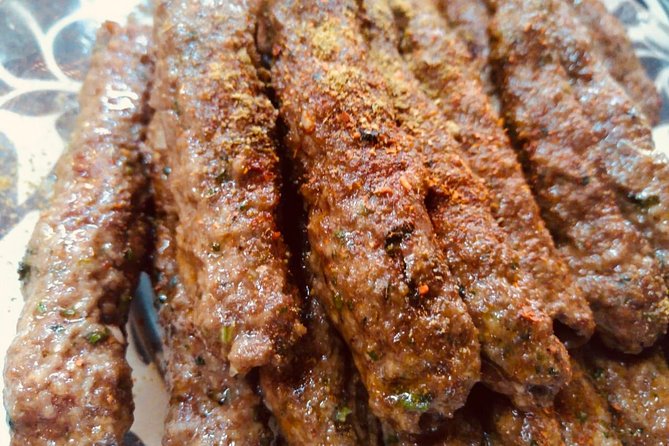
The savory highlight is Moroccan lamb kefta, made from ground meat seasoned in a Moroccan style and cooked over charcoal. It is described as especially juicy, with the grill supplying the smoky finish.
Kefta is a good closing dish because it shows how much flavor can come from a short list of ingredients, careful seasoning, and live heat. After the bread, pancake, sweet, and soup, the grilled meat gives the route a hearty final note.
You may want to save room for this stop. The food is served at different places rather than as one coordinated restaurant course, so the order and portion size can vary. Your guide will explain the preparation, but the provided details do not give a fixed restaurant name or guarantee the same serving size each time.
The route is best understood as a tasting walk, not a formal dinner with a printed menu. That distinction helps set the right expectation. You get several samples and local explanation, but you should not book it expecting a long sit-down meal with unlimited portions.
What the private format changes
At $75.05 per person, this is not the cheapest way to eat in Fez. The price includes the guide, snacks, food tasting fees at different stops, and soft drinks. It does not include transportation, hotel transfers, or gratuities.
The value depends on what you want from the outing. If you only want calories, you can spend less by eating independently. If you want someone to lead you through backstreets, explain food customs, point out a working communal oven, and arrange several tastings in one short outing, the price becomes easier to justify.
The private setup is the strongest value point. You are not sharing the route with a large group, and your guide can give your party direct attention. That matters in Fez’s narrow lanes, where it is easy to lose the thread of a group explanation or feel rushed from one stop to the next.
You also have a practical advantage if you are new to Moroccan food. You can ask what an ingredient is, how a dish is normally eaten, or which items are linked to Ramadan without feeling as if you are holding up a busload of people. Guides Hakim and Fatima are specifically associated with warm, flexible service, and Fatima handled an evening Ramadan booking with care.
There are limits. A three-hour tour cannot give you a full survey of Fez cuisine, and the exact stops may not all appeal equally. One food-focused visitor found an apothecary presentation too long, while enjoying a family-style home-cooking restaurant. If that sort of stop is offered, say clearly that you would rather spend more time tasting or walking.
Timing, walking, and the best type of visitor
The tour is a good fit for a first evening in Fez. It gives you an introduction to local flavors, helps you get oriented near Bab Boujloud, and leaves the rest of the day free. You could also schedule it early in your stay, then use what you learn to make better choices at later meals.
It suits couples, families, and small private groups who want personal attention. It is also useful for curious eaters who care about food customs, not only restaurant recommendations. Most people can participate, but a moderate level of physical fitness is required because the route uses backstreets and alleyways.
You should think twice if you need a fully fixed menu, dislike walking, or want a large formal dinner. The food is sampled at different stops, and the amount you eat may be less predictable than at a single restaurant. The experience includes soft drinks, but there is no mention of alcoholic drinks or special dietary menus.
The activity allows service animals and is near public transportation. Confirmation is provided at booking. Since the route requires good weather and a minimum number of participants, cancellation can occur for either reason, with an alternative date or a full refund offered.
How to make the most of the three hours
Arrive at Bab Boujloud with enough time to find Hotel Bab Boujloud 49. The meeting point is specific, but Fez’s old-city streets can still take a moment to sort out.
Eat lightly beforehand. The route includes several stops, and you may want to sample each one without feeling overfull. At the same time, do not assume the tastings replace a large dinner, especially if you have a strong appetite.
Ask your guide to explain unfamiliar ingredients as you go. The value of the walk comes from the connection between the food and local practice, from the communal oven to Ramadan soup and snack customs.
Tell the guide early if you want to spend more time on food and less time on non-food presentations. The private format gives you a better chance of shaping the pace. It also helps to mention allergies or dietary limits before tasting anything, since the supplied information does not list substitutions.
Wear shoes suited to a moderate walk and keep your schedule after the tour flexible. You return to Bab Boujloud, so you can continue in the medina, but you may prefer a quiet evening after several tastings.
Should you book the Fes Food Tour?
I would book this tour if you want a short, personal introduction to Fez’s food culture rather than a standard restaurant meal. The communal faran, baghrir, Ramadan-linked chabakiya and harira, and grilled lamb kefta give the route a useful range. The private guide also makes the $75.05 price more reasonable for couples or small groups who value explanations and flexibility.
I would skip it if your priority is the lowest possible food cost, a guaranteed full dinner, or a tightly fixed list of restaurants. Ask about the pace and any apothecary-style stop before you begin. For most curious eaters, especially on a first day in Fez, this is a well-sized three-hour introduction that leaves plenty of time for the rest of the city.
FAQ
Where does the Fes Food Tour start?
It starts at Hotel Bab Boujloud 49, Kasbat Boujloud Place Boujloud, Fez, near the famous Bab Boujloud gate.
Where does the tour end?
The activity ends back at the meeting point.
How long does the food tour last?
The tour lasts approximately three hours.
Is this a private tour?
Yes. Only your group participates in the activity.
What foods are included?
The tastings include food from a communal faran oven, baghrir, chabakiya, harira, and Moroccan grilled lamb kefta. Food tasting fees, snacks, and soft drinks are included.
Is transportation included?
No. Transportation, hotel pickup, and hotel drop-off are not included.
What level of fitness is needed?
A moderate level of physical fitness is recommended because the tour travels through Fez’s backstreets and alleyways.
What is the cancellation policy?
You can cancel up to 24 hours before the start time for a full refund. Cancellations or changes made less than 24 hours before the start time are not refunded or accepted. If poor weather or an insufficient number of participants causes cancellation, you will be offered another date or experience, or a full refund.
Just added in Fez
- Fes to Chefchaouen Day Trip★ 5.0 · 20 reviews
- FES TO Chefchaouen Day Trip- luxury Private Tour★ 5.0 · 49 reviews
- Fes to Volubilis, Moulay Idriss and Meknes Private Day Trip★ 5.0 · 92 reviews
- walking day : private excursion in the ancient city of Fez★ 5.0 · 27 reviews
- Fes to Middle Atlas Private Day Trip★ 5.0 · 48 reviews
- Private Guided Tour in Fez Medina★ 5.0 · 94 reviews
- Volubilis and Meknes day trip from Fez★ 4.5 · 17 reviews
- Tour guide in the old city of Fez★ 4.0 · 18 reviews
Food Tours, compared.
Authentic Moroccan Food Tour in Marrakech with Dinner
Read our review →
Marrakech Night Street Food Tour / Taste The Real Marrakech
Read our review →

Authentic Food Tour in Agadir – Eat Like A Local
Read our review →
Browse the lists this tour appears in