
Reviewed · CYCLING TOURS
Marrakech: Cultural Bicycle Tour with Pastry and Tea
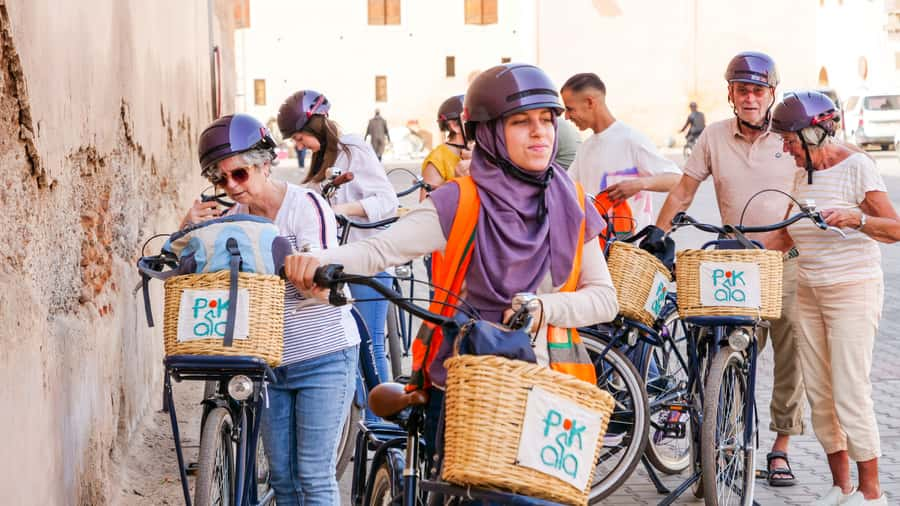
Marrakech’s best stories are often found beside the famous sights: a baker sliding dough into a clay oven, an artisan cutting zellige tile, or a hammam serving as the neighborhood meeting place. This three-hour bicycle tour links those everyday scenes with the Koutoubia Mosque, Royal Palace gardens, and the newer parts of town.
I like the focus on real city life rather than a roll call of monuments. I also like Pikala’s work training Moroccan young people as guides, which gives the tour a friendly, personal feel. Guides such as Hamid, Rabab, Yassir, Sayid, and Kenza have been praised for their care and clear explanations.
The catch is the riding. You need to be a confident cyclist who can handle mopeds, donkeys, carts, pedestrians, and narrow lanes. Marrakech traffic can feel nerve-racking at first, even though the ride is generally slow and flat.
Key points at a glance
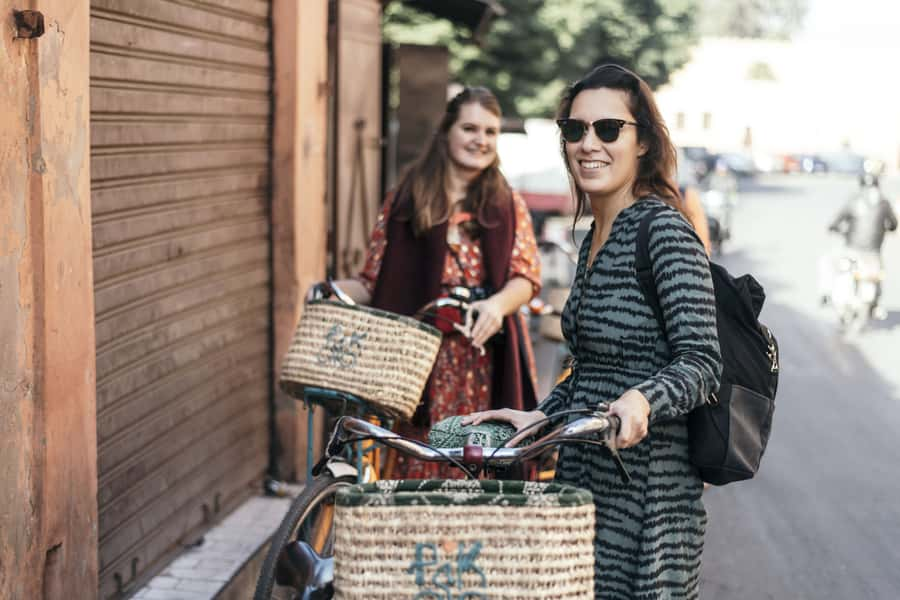
- Bread with a social purpose: Visit a local bakery, watch loaves bake in a clay oven, and learn why bread matters in Moroccan daily life.
- Craft behind the color: See how zellige tiles are shaped and assembled by hand, rather than simply admiring them on a palace wall.
- Old and new Marrakech in one ride: Move from medina lanes and souks to the wide streets, cafes, and hotels of Gueliz and Hivernage.
- A useful traffic warning: The route passes through crowded spaces with mopeds, donkeys, carts, and pedestrians, so road awareness matters.
- A social enterprise: Pikala trains Moroccan youth to lead tours and supports local businesses and community work.
- A tasty finish: Water and fruit are provided, followed by Moroccan pastries, tea, and juice at Pikala Cafe.
Why this bicycle tour shows you more than the souks
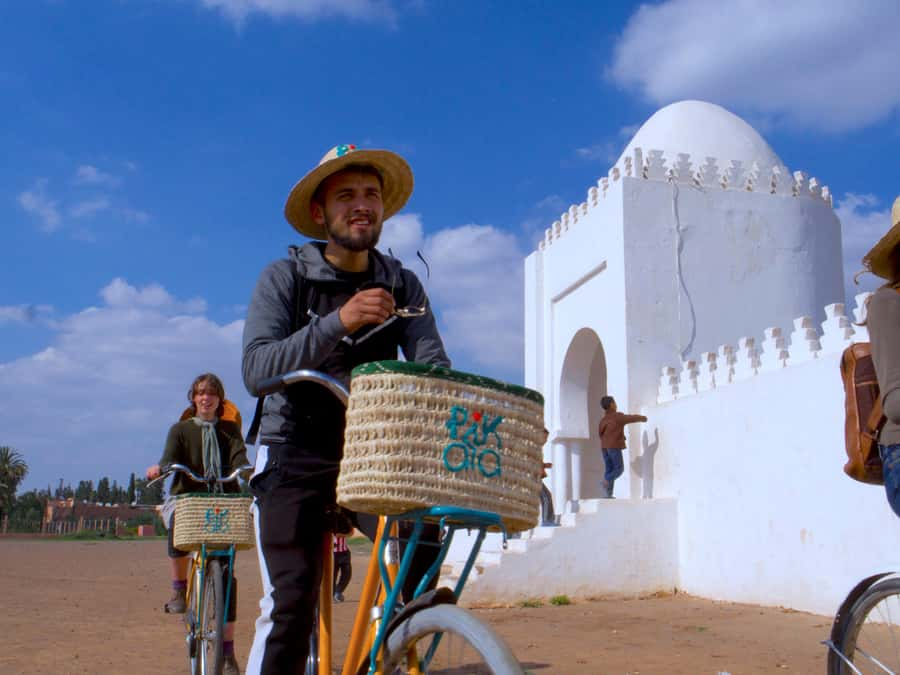
A standard sightseeing walk can give you the big names: the Koutoubia Mosque, a palace gate, a spice stall, and the main square. This ride adds the working city behind those sights.
You are not simply passing old buildings. You are shown how bread is baked, how tilework is made, and why the hammam still matters. Those stops help you read Marrakech as a lived-in city, not just a pretty backdrop.
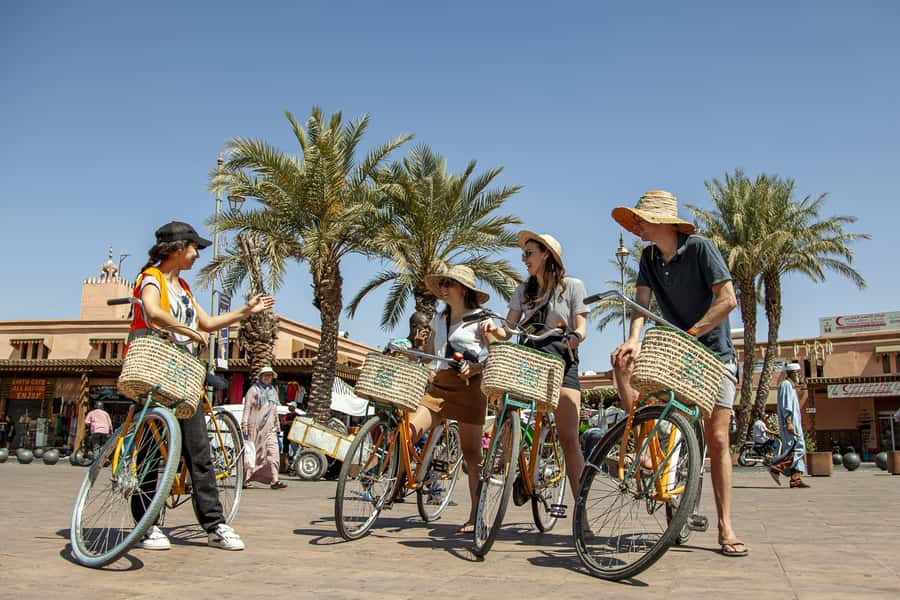
The bike also lets you cover more ground than a walking tour. In three hours, you travel through the old medina, pass the Royal Palace area, reach the newer city, and return to Pikala Bikes. The route includes regular pauses, so this is not a race or a long-distance cycling challenge.
The price is $34 per person. That is good value if you want transport between several parts of Marrakech, a local guide, cultural stops, refreshments, water, fruit, and a small-group feel. It is less useful if you want a relaxed ride with no traffic or if you mainly want time inside major monuments.
Other rides on two wheels around Marrakech:
- Marrakech: Bicycle Tour with a Local Guide
★ 4.7 · 495 reviews - Marrakech : Electric Bicycle City Tour
★ 4.8 · 363 reviews - Cycling Adventure in Marrakech
★ 5.0 · 289 reviews
Starting at Pikala Bikes and entering the medina
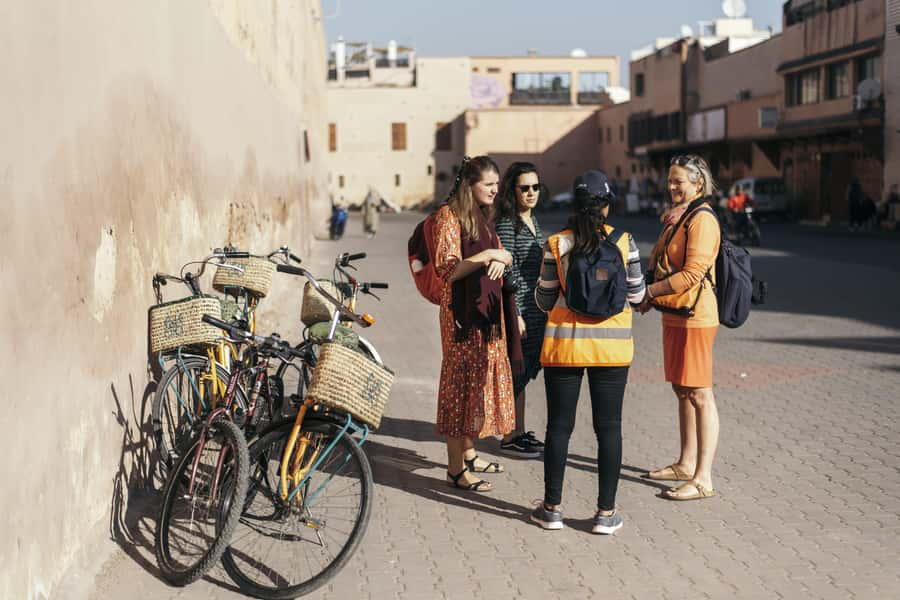
The tour begins at Pikala Bikes headquarters. From there, you head toward the Zawiya of Sidi Bel Abbas, with a short stop for photographs and an introduction to the area.
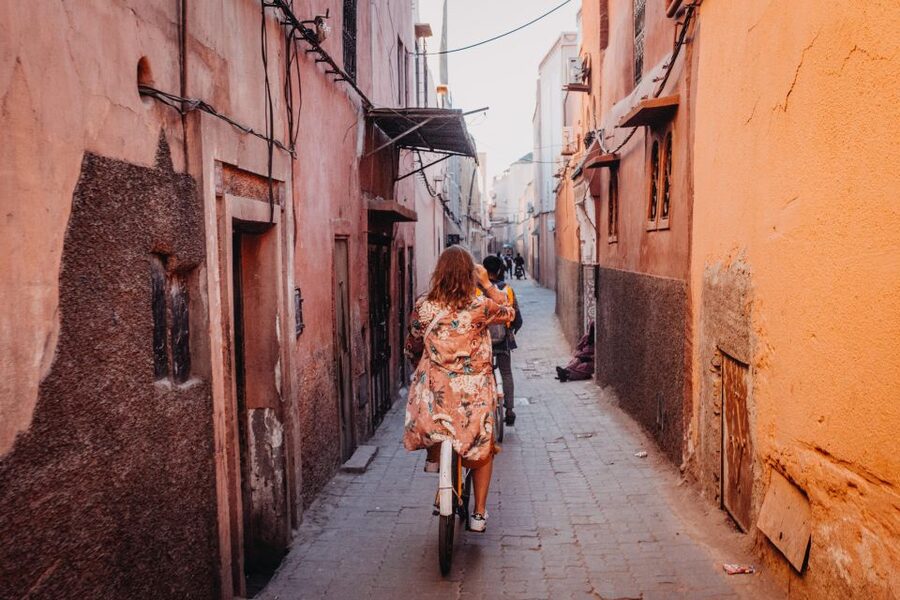
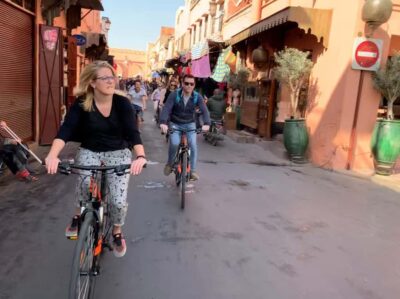
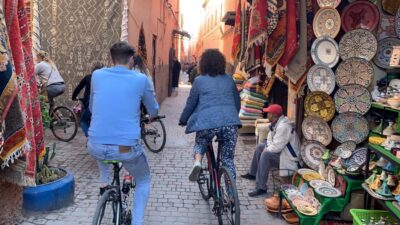
The early part of the ride takes you into narrow medina lanes and souks. This is where the cycling demands your attention. Mopeds may appear suddenly, pedestrians can fill the road, and donkeys pulling carts share the same tight spaces.
You will probably need a few minutes to adjust to the local rhythm. The traffic can look chaotic, but the guides are used to moving a group through it. Several guides have been praised for checking that everyone is together and helping at crossings.
I would choose an earlier departure if you can. One rider found the 9:30 start easier because the streets were quieter. The exact starting times depend on availability, but morning conditions can make the first hour more comfortable.
Bread fresh from a clay oven
One of the most worthwhile stops is a traditional neighborhood bakery. You step inside, watch bread being baked in a clay oven, and taste fresh Moroccan bread.
The value here is not only the snack. Bread has a central place in Moroccan home and community life, and the bakery offers a clear look at an everyday service that you could easily miss while shopping in the souks.
This is also a good example of the tour’s approach. You are not being shown a staged display made only for tourists. You are introduced to a working local business and given a reason to notice what it means.
The stop is short, around ten minutes, so expect an introduction rather than a full baking lesson. If you want photographs, be ready with your camera, then step aside so the bakery can continue its work.
Zellige tiles, one small piece at a time
The tile workshop is another strong stop. Moroccan zellige is known for its geometric patterns and bright colors, but the skill is easier to appreciate once you see how much handwork goes into it.
You meet artisans and watch the process directly. The tour connects this craft with the decoration of Moroccan palaces and mosques, giving you useful context when you later see patterned tilework around the city.
This stop has more value than a quick look at finished products. You can understand why handmade zellige has such a distinctive irregular quality and why the craft takes patience.
The exact length of the tile visit is not stated, so allow for the route to remain flexible. Pikala’s schedule includes several short photo and sightseeing pauses, and the guides may spend more time explaining if the group has questions.
Same base, a different sort of day:
- Marrakech: Agafay Desert Sunset, Camel Ride, and Dinner Show
★ 4.6 · 35,119 reviews - From Marrakech: Ouzoud Waterfalls Guided Hike and Boat Trip
★ 4.7 · 33,630 reviews - Marrakech: Agafay Desert Quad & Camel Rides with Dinner Show
★ 4.8 · 27,382 reviews - Marrakech: Agafay Desert Quad Biking Tour with Dinner-Show
★ 4.8 · 16,569 reviews
Sidi Bel Abbas, side lanes, and lesser-known corners
The route includes several brief stops described as lesser-known places. These are not major ticketed sights, and that is the point. You get glimpses of the city that are hard to find by yourself, especially in a maze of lanes where an unfamiliar turn can send you far from your intended route.
At Place des Ferblantiers, you get about 20 minutes for a break, photographs, and free time. It is one of the route’s longer pauses and gives you a chance to look around without trying to balance on a moving bicycle.
The itinerary also includes several passing stops and a pause at مشور البراني, where you can take photographs and hear more about the area. Since these places are presented as part of the route rather than formal museum visits, the guide’s explanation is what makes them useful.
That is an important point. This tour works best when you enjoy asking questions and paying attention to small details. If you want long visits at each sight, the compact schedule may feel rushed.
The Royal Palace from public gardens
The ride passes the public gardens around the Royal Palace, Dar El-Makhzen. You admire the palace from outside and learn about its place in Morocco’s monarchy and history.
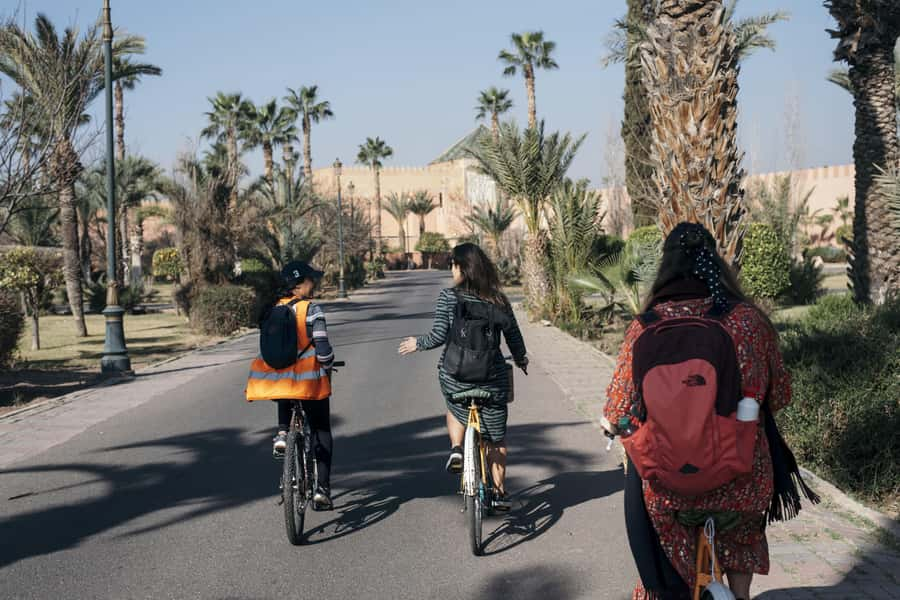
You do not enter the Royal Palace. That limitation matters, but the outside view still gives you a sense of how royal space fits into the modern city. The gardens provide a pause from the tight medina streets and a chance to see a more formal side of Marrakech.
This is a viewing stop, not a palace tour. Think of it as useful context along a city ride rather than a substitute for a full royal residence visit.
Understanding the hammam beyond the spa version
The traditional hammam stop explains the rituals and social role of the Moroccan public bathhouse. You learn how the hammam fits into ordinary life and why it has been more than a place to wash.
Many visitors encounter hammams as paid spa experiences. This stop gives you a different angle. The guide explains the custom and its role in the neighborhood, helping you understand the practice before deciding if you want to book a hammam visit separately.
The tour does not present this as a spa treatment, and the information provided does not promise bathing or treatment. You are learning about the tradition and seeing how it connects to Moroccan culture.
Koutoubia Mosque and the Church of the Holy Martyrs
The route passes the Koutoubia Mosque for about ten minutes of sightseeing. Its minaret is one of Marrakech’s best-known landmarks, but the bicycle gives you a quick orientation within the wider city rather than a long religious-site visit.
The tour also stops by the Church of the Holy Martyrs for photographs and scenery. This adds another layer to the city’s religious and social story, especially after the guide has discussed Muslim beliefs and daily practices at other points along the route.
You should expect to view these places from outside. The focus is on explanation, photographs, and how the sites fit into the ride.
Gueliz and Hivernage: Marrakech changes character
After the medina, the route moves through modern Marrakech, including Gueliz and Hivernage. Here, wide boulevards replace narrow lanes, and you see cafes, luxury hotels, and a more contemporary city plan.
This contrast is one of the ride’s best features. In a single morning or afternoon, you move from old walls, traditional workshops, and souks to streets shaped by modern commerce and leisure.
The newer districts can feel intimidating at first because you are still riding among traffic, but the wider roads give you more room than the medina. The guides lead the group and regroup at crossings. You still need to stay alert, but the change in setting makes the city easier to understand.
Tea, pastries, and a gentle finish at Pikala Cafe
The tour ends back near Pikala Bikes, with a stop at Pikala Cafe for tea, Moroccan pastries, local snacks, and juice. Water and fruit are also included during the activity, along with suncream and free entry to the local stops.
This is more than a final sugar hit. The cafe gives you time to sit down, ask questions, and talk with the guide after the cycling is over. Several guides have been praised for making this part feel welcoming and unhurried.
You may receive spiced cookies or mint lemonade, depending on the refreshments available. The exact food selection can vary, but Moroccan pastries and drinks are part of the stated inclusions.
How hard is the cycling?
The ride is described as gentle, slow, and mostly flat, but that does not make it suitable for everyone. The difficulty comes from traffic and tight spaces, not hills.
You should be comfortable starting, stopping, steering, and reacting around other road users. The first hour through the medina and souks is the most demanding. Expect mopeds, donkeys, carts, pedestrians, and other cyclists.
Wear casual clothes that let you move easily. Long dresses and skirts can catch on the bicycle or make riding awkward. Bring a light layer too, since one rider found the weather cooler when the sun disappeared.
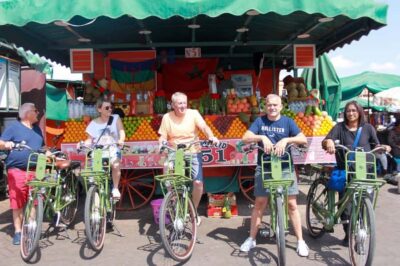
The bicycles are Dutch-style and have comfortable saddles, though some riders find them a little heavy. If you are not a confident cyclist, this is not the right city tour for you. The provider may have tandem options, but that arrangement is not listed as a standard inclusion, so ask Pikala directly before booking if you need one.
Guides, group feel, and social value
The guides speak English or French. Names associated with recent departures include Hamid, Rabab, Yassir, Sayid, Kenza, Yasmin, Khalil, Simon, and Khawla, though your guide will depend on the day.
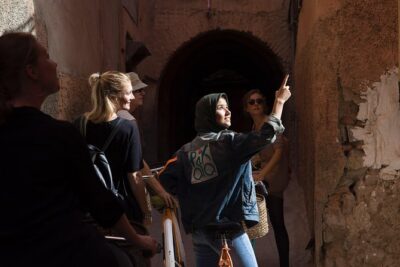
The strongest part of the guiding is the attention given to daily life. Guides explain culture, politics, religion, crafts, and local routines rather than reciting dates alone. They also watch the group closely on the road.
Group sizes can be small. One person received a private tour after being the only booking, and another family of five found the format worked well. The exact group size is not guaranteed, but Pikala’s setup favors a personal outing rather than a large coach-style tour.
Pikala also trains Moroccan youth as guides. That gives the experience a useful local and social purpose, while allowing you to meet young people who are proud to explain their city and heritage.
Who should book this ride?
I would recommend it to first-time visitors who want an overview of Marrakech with more local detail than a standard sightseeing circuit. It is also a good choice if you like craft, food, community life, and everyday customs.
Families can enjoy it if everyone can ride confidently. Older riders may be comfortable if they are steady on a bike, but the traffic should be taken seriously. One 72-year-old participant used a tandem and completed the ride, though you should confirm arrangements before relying on that option.
I would skip it if you dislike cycling in traffic, want a quiet route, or have limited balance and reaction speed. A walking tour or private car tour will be calmer.
The tour accepts free cancellation up to 24 hours in advance, and you can reserve now and pay later. Hotel pickup and drop-off are not included, so plan to reach Pikala Bikes headquarters yourself.
Should you book the Pikala cultural bicycle tour?
Book it if you want to understand how Marrakech works behind its postcard sights. The bakery, zellige workshop, hammam explanation, Royal Palace gardens, and shift into Gueliz give the ride real range.
At $34, it offers strong value for a three-hour cultural introduction, especially with refreshments and local stops included. Just be honest about your cycling ability. If you can manage Marrakech’s organized chaos with patience and care, this may become one of the most useful activities of your trip.
FAQ
Where does the bicycle tour start?
The tour starts at Pikala Bikes headquarters in Marrakech.
How long does the experience last?
The stated duration is three hours, though one completed outing took about three and a half hours.
What languages do the guides speak?
The live guides speak English and French.
What is included in the price?
Water, fruit, suncream, entrance to the local stops, and Moroccan pastries and drinks at Pikala Cafe are included. The cafe stop may include tea, juice, and local snacks.
Is hotel pickup included?
No. Hotel pickup and drop-off are not included.
Do I need to be an experienced cyclist?
You need to be a confident cyclist who can ride around mopeds, donkeys, carts, pedestrians, and other traffic in narrow streets. The route is generally slow and flat, but the traffic requires attention.
What should I wear?
Wear casual, comfortable clothing. Long dresses and skirts can make cycling difficult.
Can I cancel the booking?
Yes. You can cancel up to 24 hours before the activity for a full refund. You can also reserve and pay later.
Just added in Marrakech
- Quad Ride In The Agafay Desert★ 5.0 · 39 reviews
- Quad Biking Agafay desert★ 5.0 · 20 reviews
- Marrakech: Tailor-Made City Tour With Your Own Private Guide★ 4.9 · 236 reviews
- Surf Training and Lunch on Essaouira Day Trip from Marrakech★ 4.9 · 51 reviews
- Essaouira: Surf Trip from Marrakech★ 4.9 · 31 reviews
- Marrakech palm grove: Sunset camel ride★ 4.8 · 194 reviews
- Marrakech: Sunrise Desert Tour with Camel Ride and Breakfast★ 4.4 · 36 reviews
- Marrakech : Agafay Desert Sunset Camel Ride & Luxury Dinner★ 4.3 · 39 reviews
Cycling Tours, compared.
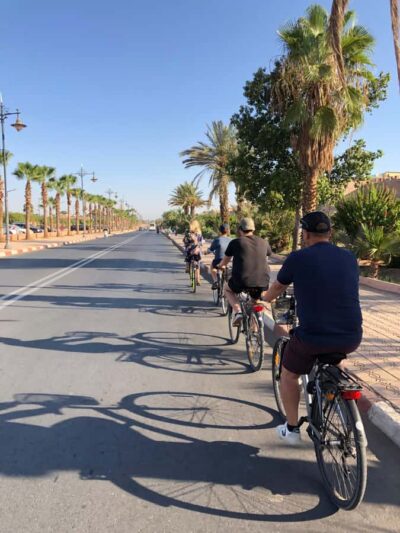
Guided City Cycling Tour – Culture, Colors & Charm
Read our review →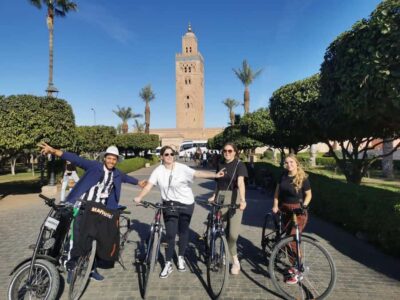
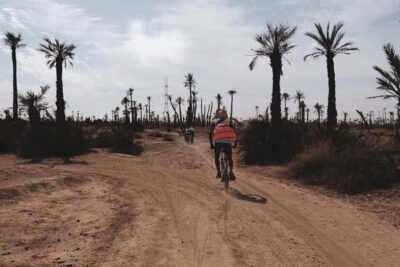
Cycling Tour in Palm Groove with Local Breakfast
Read our review →
Guided Cycling Adventure in Casablanca with Licensed Tour Guide
Read our review →Browse the lists this tour appears in