
Reviewed · COOKING CLASSES
Marrakech: Traditional Moroccan Cooking Class & Market Visit
Marrakech’s food is best understood with your hands busy. This experience starts in a local souk, where you help choose fresh vegetables, herbs, spices, and other ingredients before carrying them to Khmisa’s intimate riad workshop. Kawtar, Khmisa, and their cooking team then guide you through tea, salads, tagines, and dessert.
I like two things right away: you shop for the food instead of simply arriving at a prepared kitchen, and you receive the recipes afterward. The class also has a warm family feel, with local women teaching in a small group rather than presenting a polished hotel demonstration.
The main consideration is the meeting point. The mosque is easy to spot, but the area is large, so ask for the front entrance if your instructions are not specific. The riad is not suitable for wheelchair users, and hotel pickup is not included.
Key points to know before you book
- The market visit comes first: You help buy the ingredients in a less tourist-focused part of the souk.
- The menu is generous: Expect three to six dishes, often including several starters, chicken and vegetable tagines, and a milk pastilla dessert.
- Tea is part of the lesson: You learn the Moroccan mint tea ritual rather than simply drinking a glass.
- The class is hands-on: Everyone takes turns chopping, seasoning, stirring, and helping with the meal.
- Recipes go home with you: Electronic recipes are sent by email or WhatsApp after the class.
- The $40 price covers the meal: Ingredients, tea, the market walk, instruction, and lunch or dinner are included.
Starting with a real Marrakech market visit
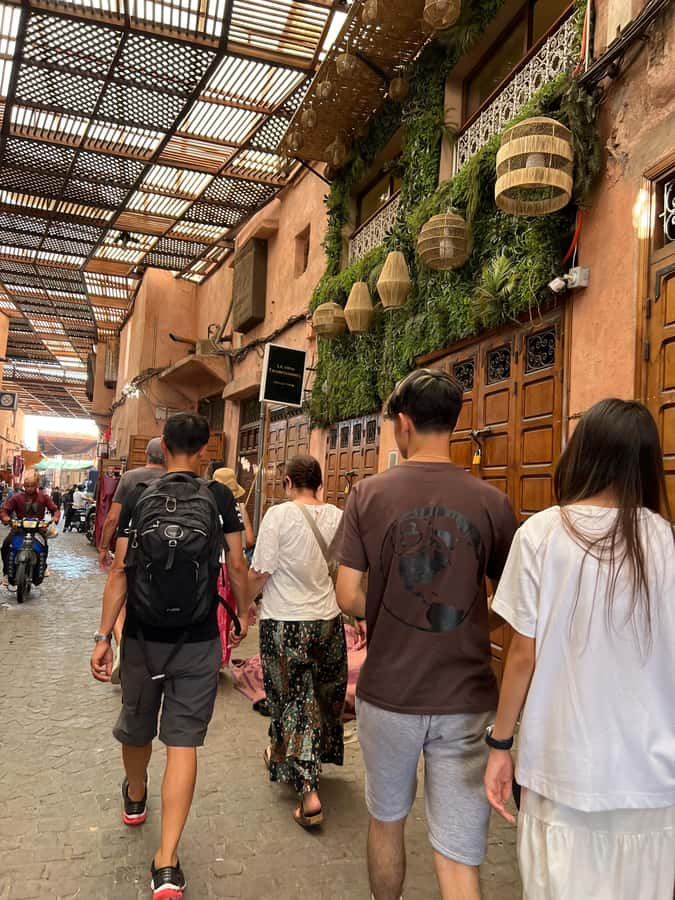
The class begins with a short walk through a local market in the Medina. This is not just a quick stop for atmosphere. You help select the fresh groceries that will become your meal, which gives the cooking session a clear purpose from the start.
Kawtar and the team first discuss food allergies and dietary restrictions. That is useful, especially because the menu can include several separate dishes. You should still explain your needs clearly when booking and again at the start of the activity.
The market portion takes place among stalls selling fresh produce, spices, and everyday Moroccan ingredients. You get to see the raw materials before they are cleaned, chopped, and transformed in the kitchen. That small change in perspective matters. A tagine can seem like a mysterious restaurant dish, but shopping for its vegetables, herbs, preserved ingredients, and spices makes it feel possible to recreate at home.
This is also where the activity feels most connected to ordinary Marrakech life. You are not simply watching a chef in a separate cooking studio. You are buying food in the middle of the Medina, with your guides explaining what you need and why.
Keep your shoes comfortable. The walk is short, but Medina lanes can be uneven and crowded. A hair tie is useful once the cooking begins.
One practical point deserves attention: the meeting place may be easy to identify in general but hard to pinpoint at a large mosque. If your confirmation does not name the exact entrance, use the front entrance as your reference and contact the provider if needed. Hotel pickup and drop-off are not included, so plan your route to the meeting point in advance.
Other cooking classes in Marrakech people book:
- Marrakech: Moroccan Cooking Class with Pickup
★ 4.6 · 1,862 reviews - Marrakesh: Moroccan Dishes Cooking Class with a Local Chef
★ 5.0 · 1,615 reviews - Moroccan Cooking Class & Marrakech Market Visit with Chef Khmisa
★ 5.0 · 1,504 reviews
Mint tea before the cooking begins
On arrival at Khmisa’s workshop, you are welcomed with Moroccan mint tea. This is more than a drink served while everyone settles in. The tea preparation is taught as part of the experience, including the steps of the traditional ritual.
If your usual method is to pour boiling water over mint and add sugar, expect a fuller process here. The team explains how the tea is prepared and served, giving you a useful cultural lesson before the food work starts. Several people specifically value this part because it is easy to copy at home and helps explain why Moroccan tea has such an important place in hospitality.
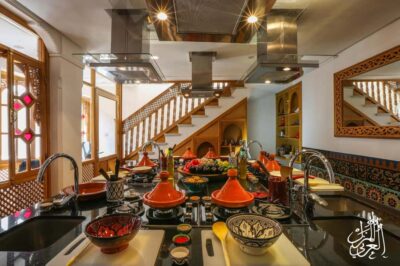
The tea demonstration also sets the tone. The workshop is in a traditional riad in the heart of the Medina, and the atmosphere is intended to feel like a welcoming home rather than a large commercial kitchen. Khmisa’s family connection is part of the appeal. The class is led by local Moroccan women, with Khmisa and Kawtar often taking central roles. Ilham has also helped translate for the chef during some sessions.
Language should not be a major barrier for English speakers. The guides and cooking team work in English, French, and Arabic. The class is hands-on, so you can follow the steps by watching as well as listening. Still, if you want detailed explanations of spice names or cooking methods, ask questions as you go.
Cooking several dishes as a team
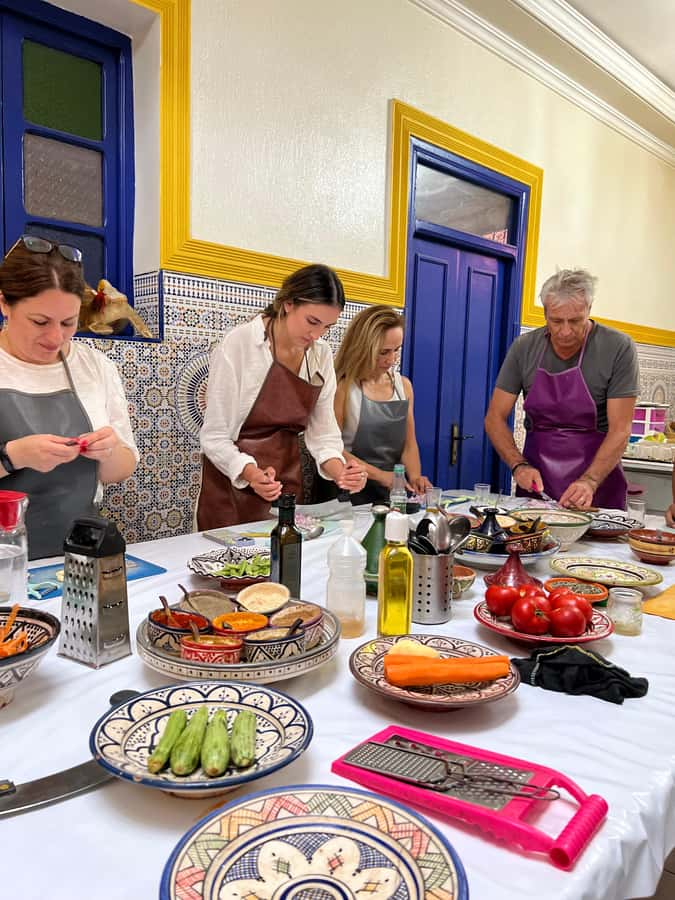
The menu is not fixed to one single dish. It can include three to six Moroccan recipes, generally with starters, a main course, and dessert. Several class menus described by participants included four Moroccan salads or starters, a vegetarian tagine, a chicken tagine, and milk pastilla for dessert.
That range is one of the strongest reasons to choose this activity. You do not spend the whole class preparing one dish while everyone else watches. The work is divided among the group, so you get a look at several parts of Moroccan cooking.
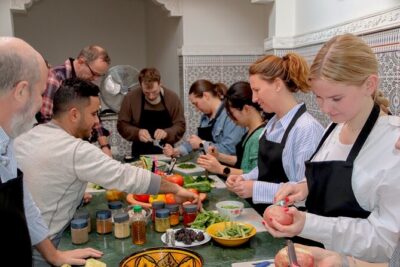
You might chop vegetables for salads, prepare ingredients for a tagine, add spices, and help with the dessert. The instructors keep people involved by taking turns around the table. Families with teenagers and children have been able to take part, and an eight-year-old was included successfully in one family group. Younger children will need an adult beside them, especially around knives and hot cooking equipment.
The tagine lesson is likely to be a highlight. Chicken tagine with lemon is mentioned often, and some menus include both chicken and vegetarian versions. The class focuses on the seasoning and preparation, not just on eating the finished dish. That makes it easier to understand the balance of Moroccan cooking when you try it in your own kitchen.
The chefs are not simply handing you a recipe card. They explain what to add, when to add it, and how much seasoning the dish needs. At the same time, the class remains informal. The cooking team uses humor, patience, and plenty of encouragement, which helps if you are not confident in the kitchen.
Do not expect a quiet, private lesson unless you request one. This is normally a shared class, with groups of up to 12 people, although the group can be smaller. One session had six people, while other classes included families and an international mix of participants. A small group gives you more room to work, but the exact size may vary.
Eating the meal you helped prepare
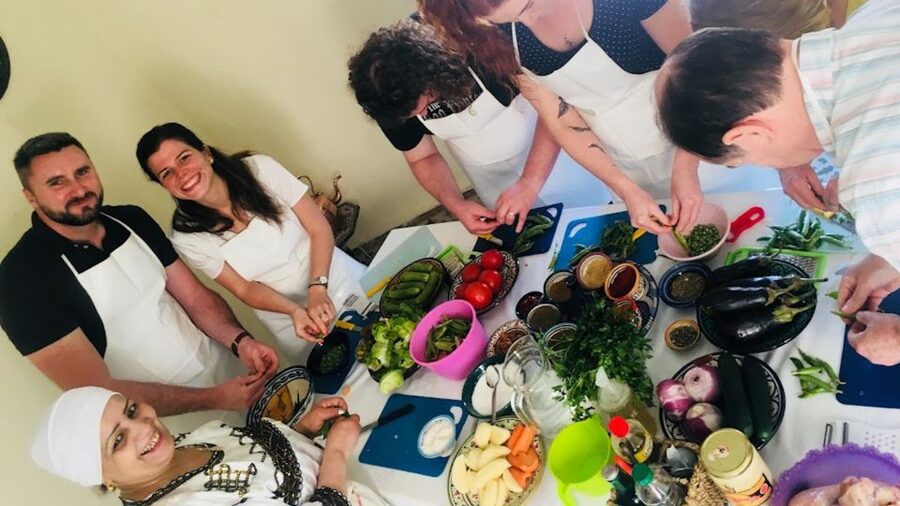
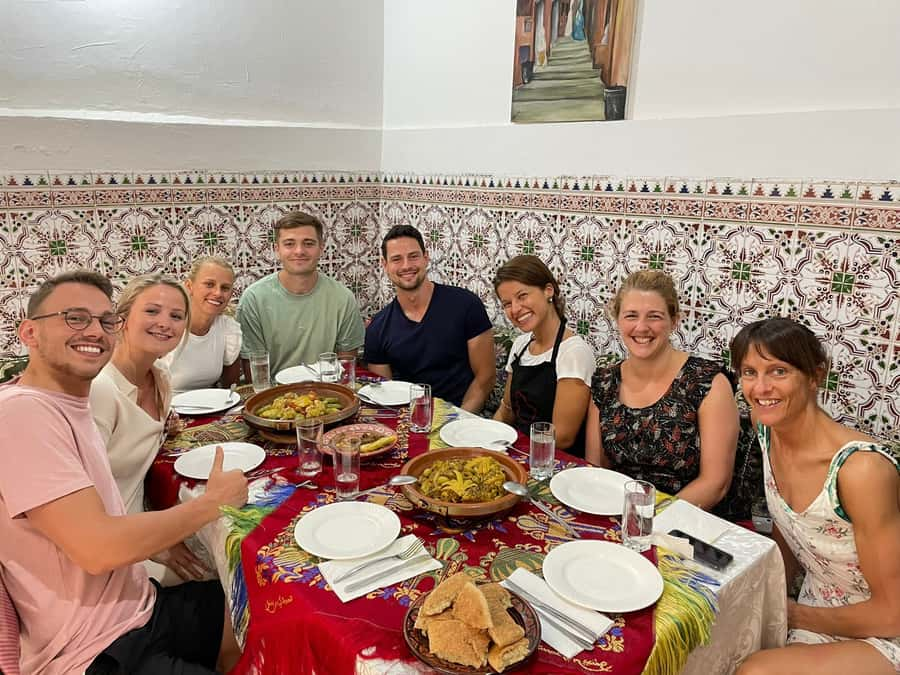
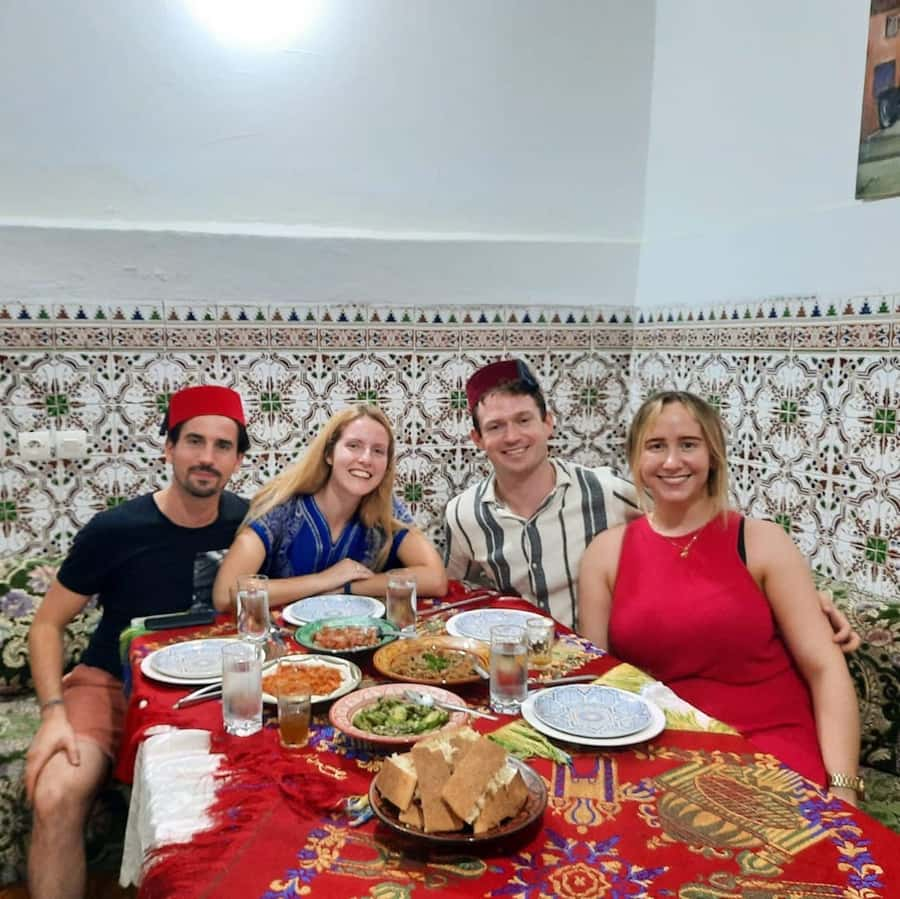
Once the cooking is done, everyone sits down to eat. This is a proper lunch or dinner, not a token tasting. The portions described in the activity are filling, with several starters, one or more main dishes, dessert, and tea.
I like this part because the meal ties the whole experience together. You saw the ingredients at the market, handled the preparation, learned the seasoning, and now taste the result with the same group. It also gives you time to talk with people from different countries without the rushed feeling of a restaurant meal.
The food is repeatedly described as a highlight, especially the chicken tagine and potatoes. Vegetarian diners also have good reason to consider the class. The menu can include a vegetarian tagine and multiple vegetable-based starters, and one family was surprised by the range available without meat.
There is a practical lesson here too. Moroccan cooking relies on ingredients and methods that can be found outside Morocco, so the recipes are not just souvenirs. Participants have found the dishes realistic to make back home, including in Australia. The provider sends electronic recipes after the session, usually by email and sometimes by WhatsApp.
If you have strict dietary restrictions, do not assume every menu will suit you automatically. The provider asks about allergies and restrictions before shopping, which is encouraging, but you should give clear details early.
More cooking in Marrakech:
- Half-Day Cooking Class with Local Chef Laila in Marrakech
★ 5.0 · 952 reviews - Marrakech: Moroccan Cooking Class with a Local Family
★ 4.9 · 668 reviews - Marrakech: Moroccan Cuisine Cooking Class in Local Home
★ 4.8 · 508 reviews - Marrakech: Moroccan Cooking Workshop at La Maison Arabe
★ 5.0 · 446 reviews
What makes the setting special
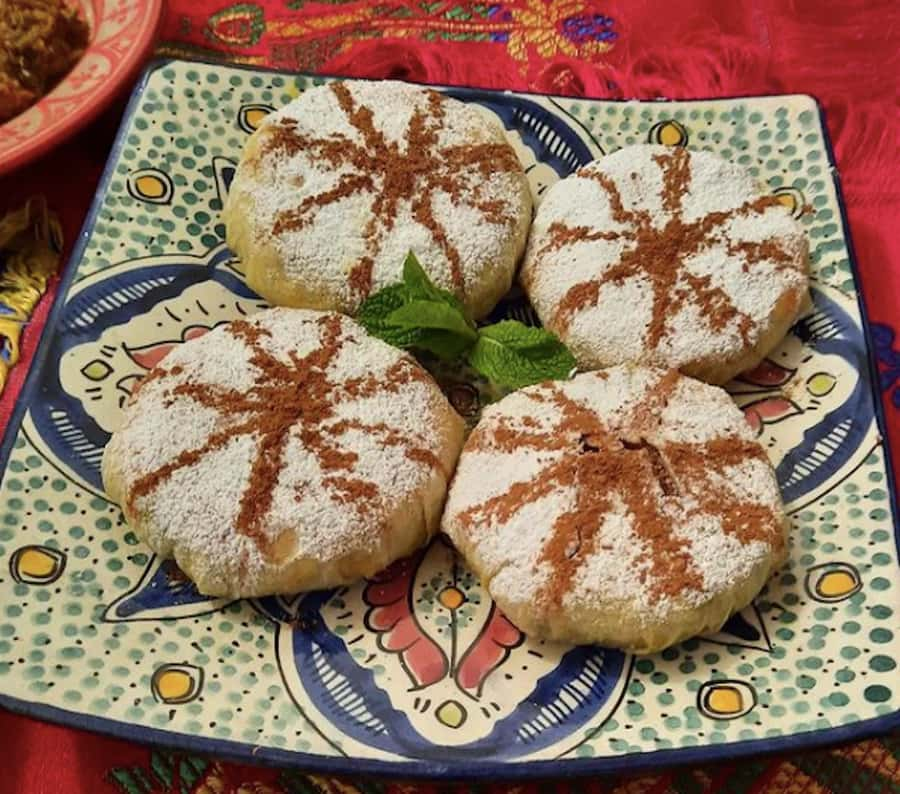
The riad workshop gives the class much of its character. You are cooking in a traditional Moroccan home-style setting in the Medina, with local women leading the session. The air-conditioned property is especially welcome if you are visiting during hot weather.
The setting is intimate but not formal. You may find yourself cooking around a shared table, passing ingredients, and working beside people you met only minutes earlier. That social format suits anyone who likes learning by doing and meeting others along the way.
It is less suited to someone seeking a private chef lesson, a sleek cooking school, or a tightly timed professional demonstration. The instructors are experienced cooks and caterers, but the mood is family-oriented. There may be translation between the chef and the group, and the pace can feel conversational rather than exact.
That is part of the charm, but it is worth knowing what you are booking. Some people want a polished technical class with precise measurements. This experience leans toward Moroccan hospitality, shared work, and practical cooking knowledge.
The class also follows local customs in a respectful way. Smoking, alcohol, drugs, and pets are not allowed. Wear comfortable clothing and closed or secure shoes, and tie back long hair before working with food.
Is $40 good value?
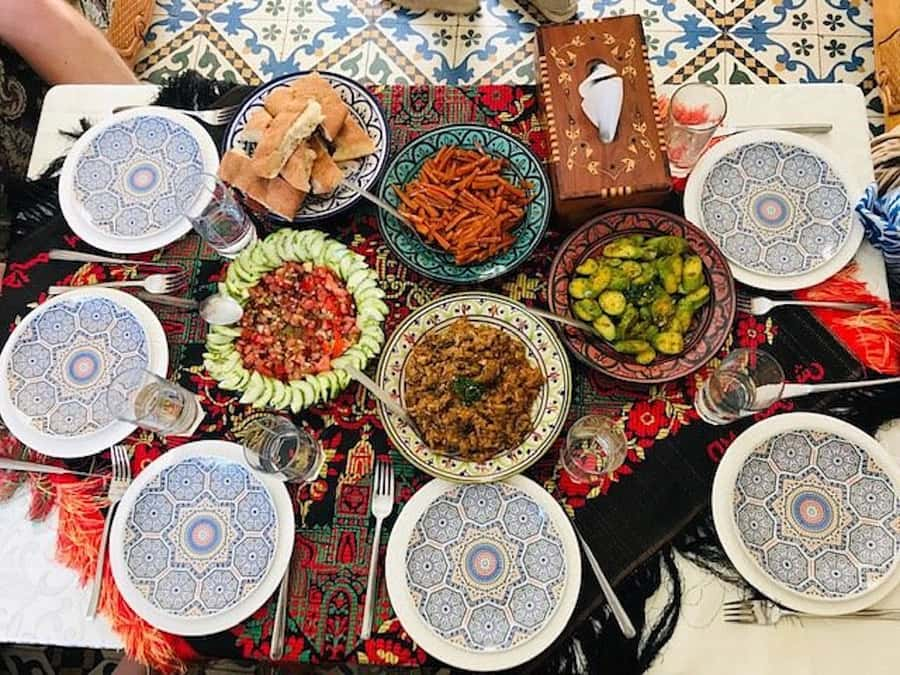
At $40 per person, the price covers quite a bit: a market visit, all ingredients, tea, instruction from a Moroccan chef and local guides, and a full lunch or dinner. You also receive recipes to use later.
Compared with paying for a meal alone, the value is in the combination of food and instruction. You get a substantial meal, but you also spend time understanding the ingredients and methods. The market stop adds another layer that a standard cooking demonstration would not provide.
The price is especially reasonable if you are interested in food beyond restaurant dining. A meal in Marrakech can be cheaper or more expensive depending on where you eat, but it will not normally include shopping with the cooks, preparing several dishes, learning tea service, and taking recipes home.
The group size affects the value. With six people, you should have plenty of opportunities to participate. With as many as 12, you may need to share tasks and wait your turn. The instructors make an effort to involve everyone, but a larger class naturally gives each person less individual attention.
Private sessions are available on demand, though the standard experience is shared. If you are traveling as a couple, solo, or with a family, the group format can make the meal more social. If you want a quiet class focused only on your own dietary needs, ask about a private option before booking.
Who will enjoy this class most?
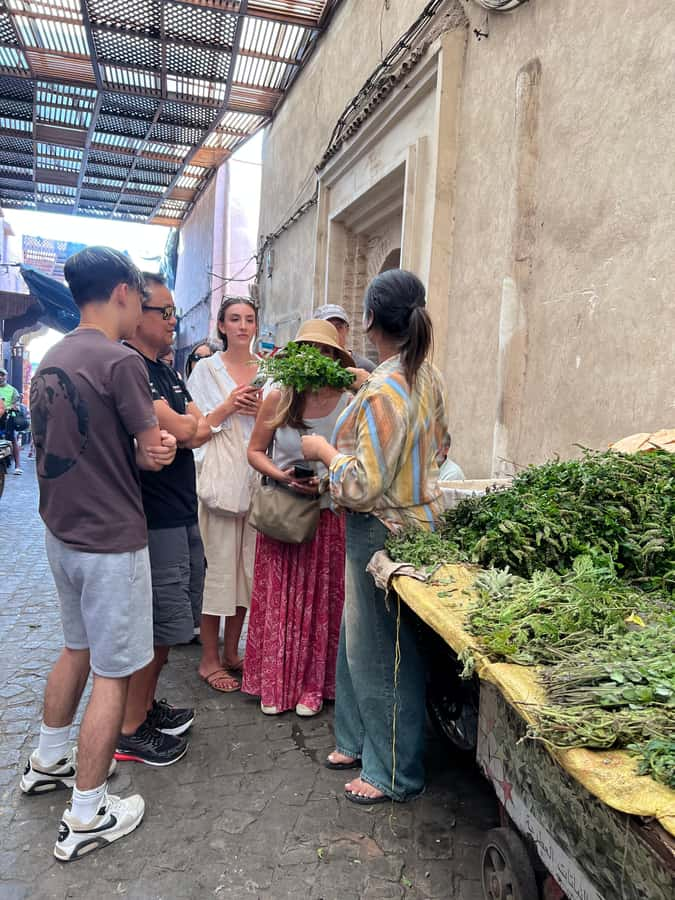
I would choose this experience for anyone who wants to connect Marrakech with its food. It suits first-time visitors, families, couples, solo participants, and people who collect recipes wherever they go.
It is particularly good for:
- Food-focused visitors who want to understand Moroccan spices and cooking methods.
- Families with older children and teenagers who prefer an activity where everyone has a job.
- Vegetarians who want several vegetable dishes and a meat-free main option.
- Home cooks who value recipes that can be prepared outside Morocco.
- Solo participants who enjoy joining a shared table and meeting an international group.
- People looking for local contact rather than a standard restaurant meal.
You may want to skip it if you dislike group activities, cannot manage a Medina walk, or need wheelchair access. It is also not a good fit if you want alcohol with your meal or prefer not to cook.
The class is rated 4.8 from 1,861 ratings, which matches the strongest pattern in the available feedback: the hosts, food, participation, and market visit receive the most praise. The main practical cautions are the meeting point, the lack of hotel transport, and the variable group size.
Small details that improve the day
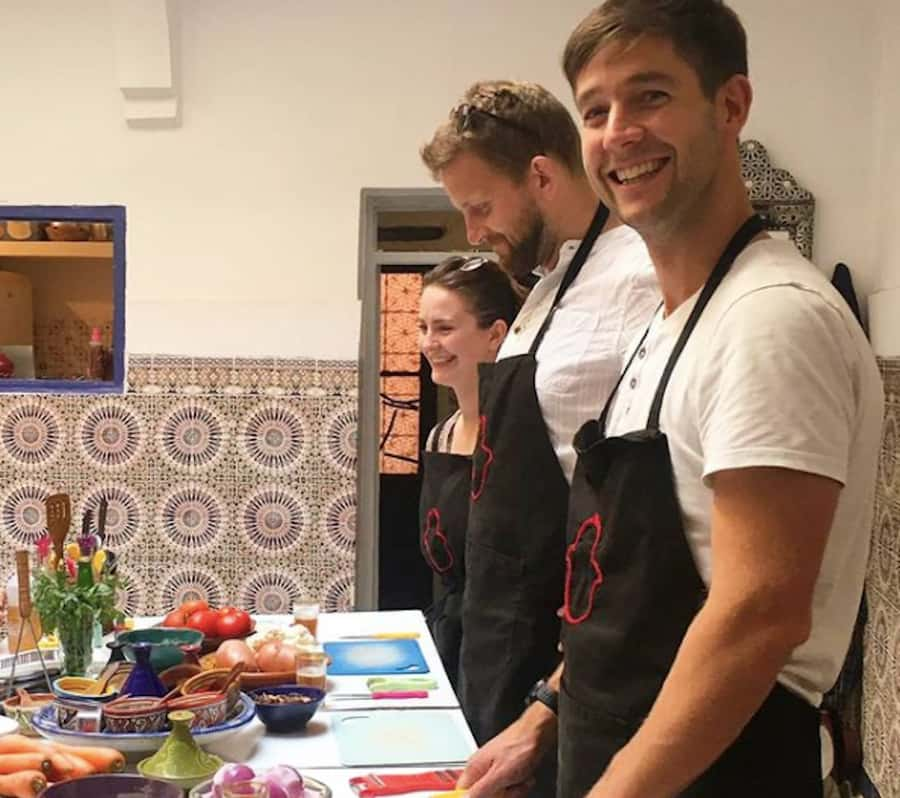
Book with the market walk in mind. You are not arriving directly at a restaurant, so leave enough time to find the meeting point and avoid rushing.
Wear comfortable shoes and bring a hair tie. You do not need to bring ingredients or cooking tools. The provider supplies what the class needs.
Tell the team about allergies and dietary restrictions before the shopping begins. If you are vegetarian, say so clearly. The menu can include vegetarian dishes, but advance notice gives the cooks a better chance to plan.
Keep your afternoon or evening reasonably open. One class lasted about two and a half hours, while the exact length may vary with the group and menu. The activity includes shopping, tea, cooking, and eating, so it is not a quick one-hour demonstration.
The provider allows cancellation up to 24 hours before the activity for a full refund. You can also reserve and pay later, which helps if your Marrakech plans are still shifting.
Should you book the Khmisa cooking class?
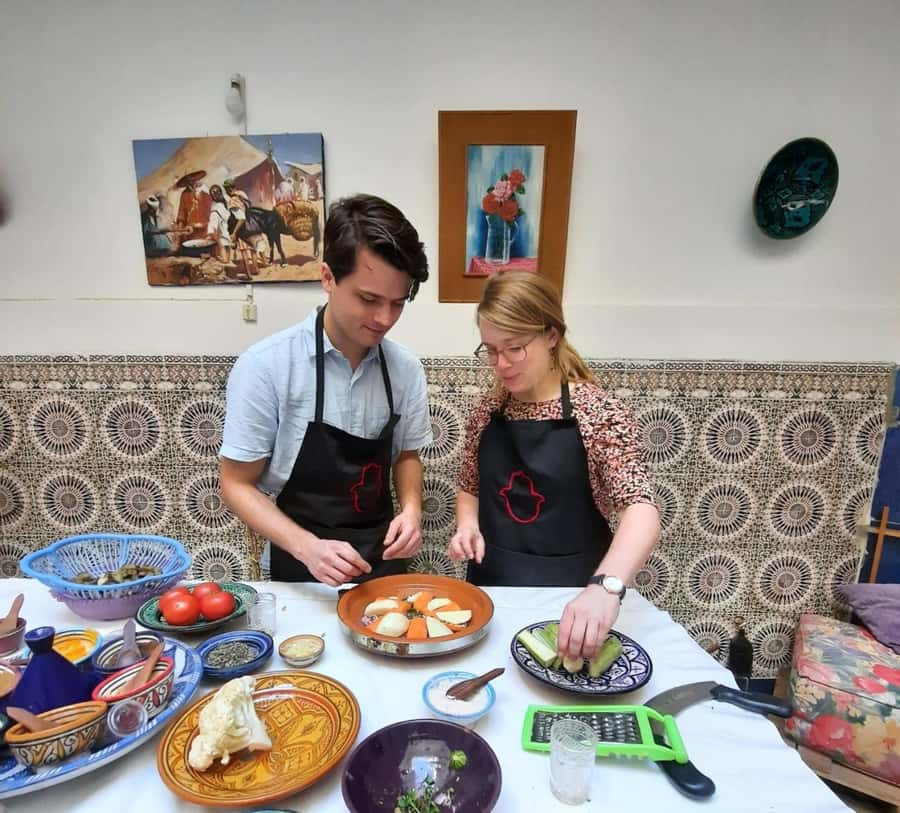
Yes, if you want a hands-on food experience with a local family feel. The market visit, tea ritual, generous menu, and recipes make it more useful than a simple meal. The strongest appeal is that you take part in nearly every stage, from choosing produce to eating the finished tagine.
I would be especially happy to recommend it to families, vegetarians, and home cooks. Choose with care if you need wheelchair access, private instruction, hotel transport, or a highly formal culinary lesson. For most people who want to learn, eat well, and spend a few hours in a warm Medina setting, $40 is a fair price.
FAQ
Where does the cooking class take place?
The class takes place at Khmisa’s workshop, an intimate traditional riad in the heart of Marrakech’s Medina.
Does the experience include a market visit?
Yes. You take a short walk through a local souk and help shop for the fresh ingredients used in the class.
What food will I cook?
The menu can include three to six Moroccan dishes, with starters, a main course, and dessert. Examples include Moroccan salads, chicken tagine, vegetarian tagine, and milk pastilla.
Is Moroccan mint tea included?
Yes. The class includes Moroccan tea, and the instructors explain the traditional mint tea preparation and serving ritual.
Are ingredients included in the price?
Yes. All ingredients needed for the class are included.
Are recipes provided afterward?
Yes. Electronic recipes are sent afterward by email. Some participants have also received them through WhatsApp.
What languages are spoken?
The experience is offered in English, French, and Arabic.
Is hotel pickup included?
No. Hotel pickup and drop-off are not included, so you need to make your own way to the meeting point.
Is the activity suitable for wheelchair users?
No. The experience is not suitable for wheelchair users.
Can I cancel for a full refund?
Yes. You can cancel up to 24 hours in advance for a full refund.
Just added in Marrakech
- Quad Ride In The Agafay Desert★ 5.0 · 39 reviews
- Quad Biking Agafay desert★ 5.0 · 20 reviews
- Marrakech: Tailor-Made City Tour With Your Own Private Guide★ 4.9 · 236 reviews
- Surf Training and Lunch on Essaouira Day Trip from Marrakech★ 4.9 · 51 reviews
- Essaouira: Surf Trip from Marrakech★ 4.9 · 31 reviews
- Marrakech palm grove: Sunset camel ride★ 4.8 · 194 reviews
- Marrakech: Sunrise Desert Tour with Camel Ride and Breakfast★ 4.4 · 36 reviews
- Marrakech : Agafay Desert Sunset Camel Ride & Luxury Dinner★ 4.3 · 39 reviews
Cooking Classes, compared.
Moroccan Dishes Cooking Class with a Local Chef
Read our review →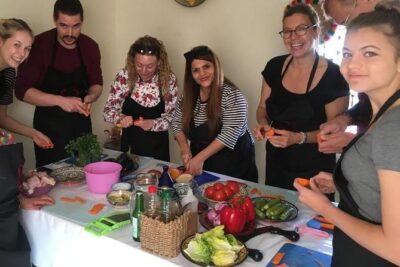
Moroccan Cooking Class & Marrakech Market Visit with Chef Khmisa
Read our review →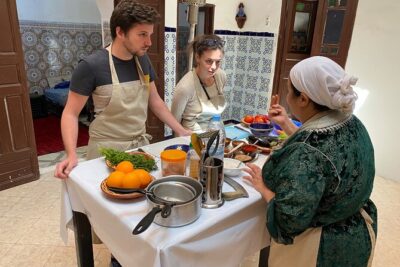
Half-Day Cooking Class with Local Chef Laila in Marrakech
Read our review →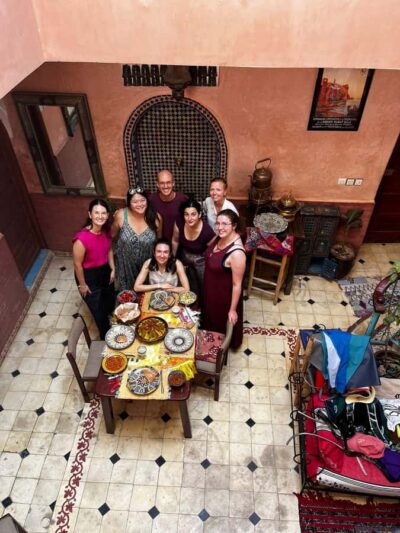
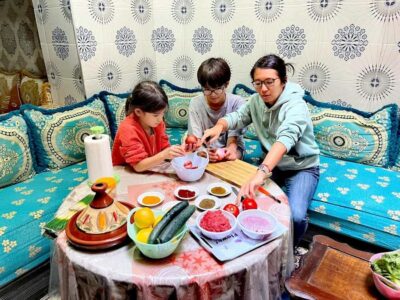
Marrakesh cooking class with chef Hassan – Local dishes
Read our review →Browse the lists this tour appears in