
Reviewed · COOKING CLASSES
Marrakesh: Moroccan Dishes Cooking Class with a Local Chef
Moroccan cooking becomes much easier to understand when you see the ingredients before they reach the pot. This four-hour class starts at Pharmacie Bab Doukkala, moves through a nearby food market, and ends with a shared feast prepared under Chef Hassan’s direction, with Ahmed often leading the tea ceremony and cultural explanations.
I like the hands-on teamwork and the chance to make several dishes rather than one narrow recipe. I also like that you receive the recipes afterward, so the class can continue in your own kitchen. The main consideration is that the food is made collectively, not individually, and the class is not suitable for anyone with onion or garlic allergies.
At a glance: what makes this class useful
- A market visit comes first: You help choose vegetables and supplies before cooking, which gives the meal a clear connection to Marrakesh.
- Mint tea gets its own lesson: The tea ceremony explains both technique and Moroccan hospitality.
- You cook several dishes: Depending on the group, expect a mix of tagines, kefta, shakshouka, and salads rather than a single main course.
- Hassan and Ahmed keep the class social: Their explanations cover food, family customs, and Moroccan traditions as you work.
- The meal is a buffet: Everyone can taste the dishes prepared by the whole group.
- The $47 price includes the important parts: Food, bread, water, tea, an apron, instruction, and recipes are included.
Meeting Chef Hassan near Bab Doukkala
The class begins at Pharmacie Bab Doukkala. This is a practical meeting point, but search for the exact pharmacy name on Google Maps before you leave. Marrakesh has plenty of similar-sounding places, and starting the day with a wrong turn is no way to warm up for a cooking lesson.
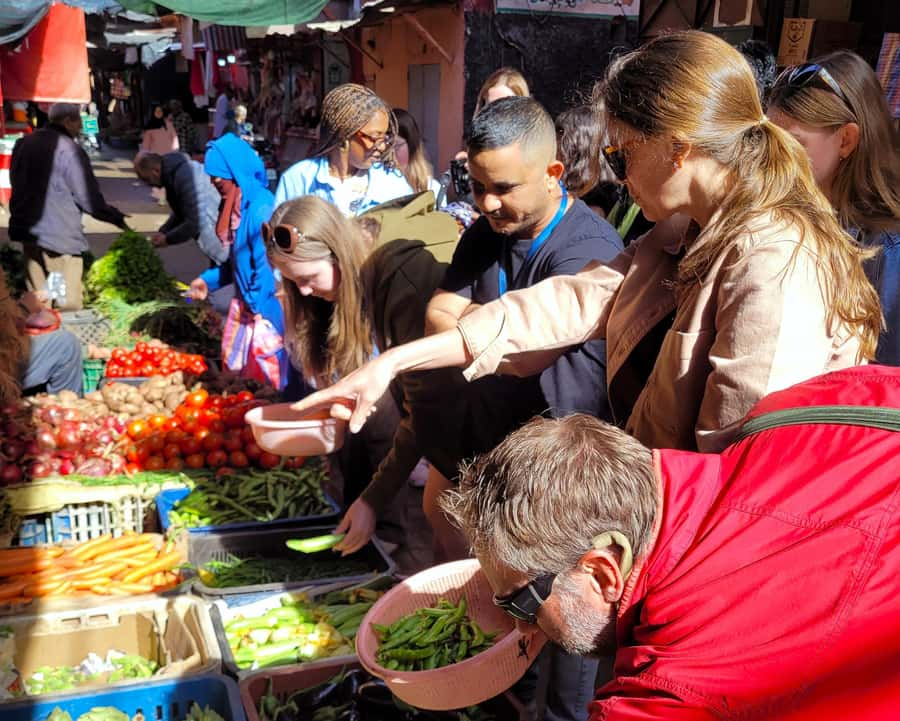
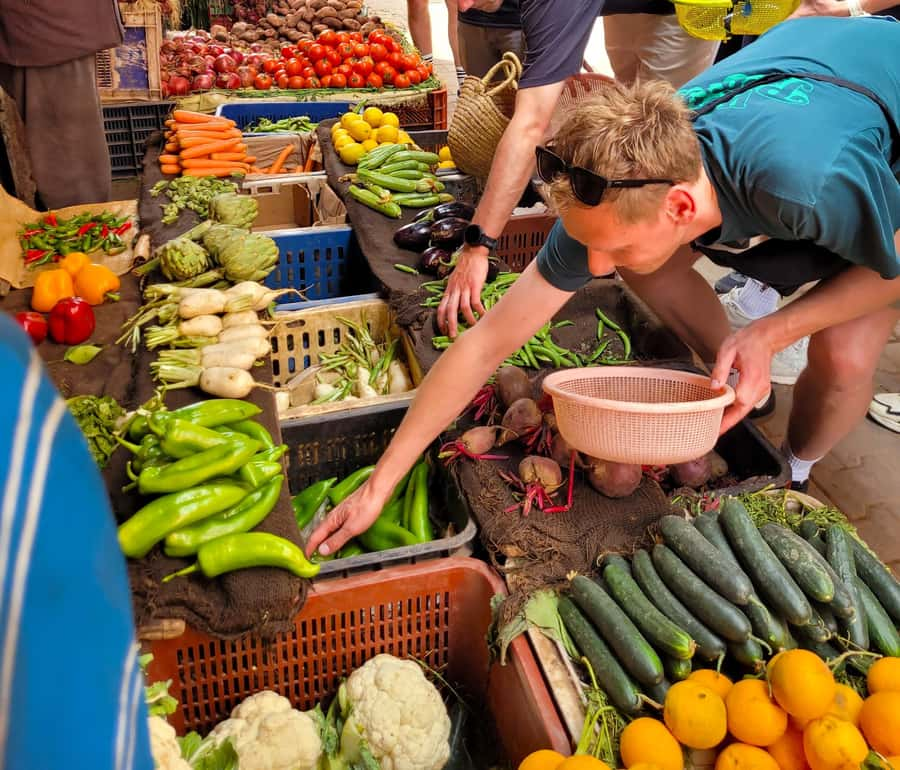
From the meeting point, you walk to a nearby market for about 15 minutes. This is not a long market tour designed for sightseeing. It is a short shopping stop with a purpose: you help select the vegetables and other ingredients needed for the meal.
That small detail matters. You are not simply handed a prepared basket of produce. You see the ingredients in their local setting and take part in deciding what goes into the cooking. It also gives Hassan a natural chance to explain how Moroccan cooks shop and how fresh produce fits into everyday meals.
Do not expect a full guided tour of every market stall. The market visit is brief, and the main event is still the kitchen. I see this as a good balance for anyone who wants local context without spending an hour before the cooking even begins.
Other cooking classes in Marrakech people book:
- Marrakech: Moroccan Cooking Class with Pickup
★ 4.6 · 1,862 reviews - Marrakech: Traditional Moroccan Cooking Class & Market Visit
★ 4.8 · 1,861 reviews - Moroccan Cooking Class & Marrakech Market Visit with Chef Khmisa
★ 5.0 · 1,504 reviews
The 30-minute Moroccan tea ceremony
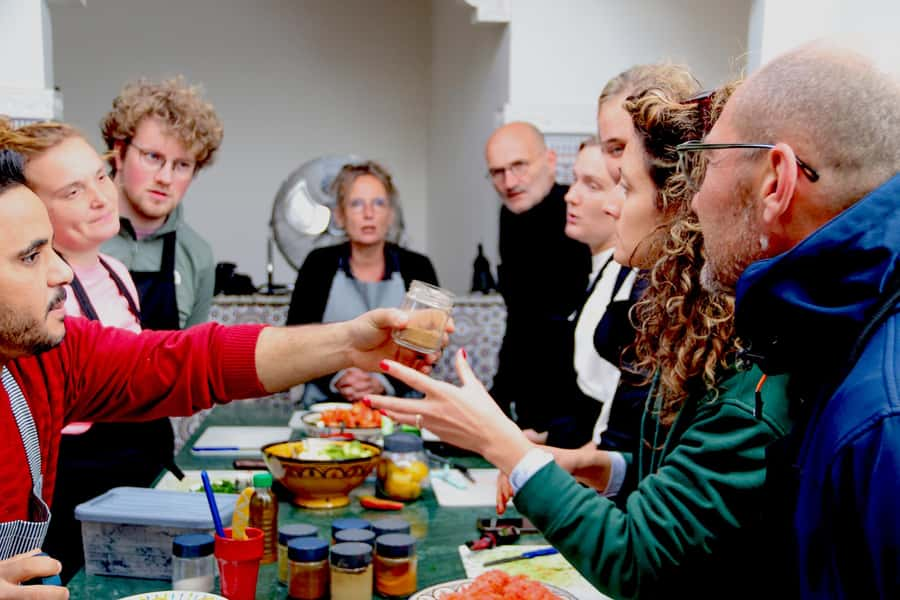
Back at the cooking area, the class begins with Moroccan mint tea. This is more than a drink poured while everyone introduces themselves. Ahmed demonstrates the traditional preparation and explains the place tea holds in Moroccan social life.
You drink tea while getting acquainted with the group. That makes the opening feel relaxed rather than formal, especially when the class includes people from several countries. The instruction is in English or French. If everyone speaks the same language, the class uses that one language. If the group is mixed, it is bilingual.
The tea lesson is also a useful introduction to the class style. You are learning a practical skill, but you are also hearing about customs and family life. Moroccan tea is tied to welcome and conversation, so beginning here sets the tone for the shared meal that follows.
I would not book this activity if you want a silent, tightly timed cooking demonstration. You will be talking, asking questions, and working with other people. The relaxed pace is part of the appeal, though it can mean that exact timings shift during the session.
Three hours and 15 minutes of shared cooking
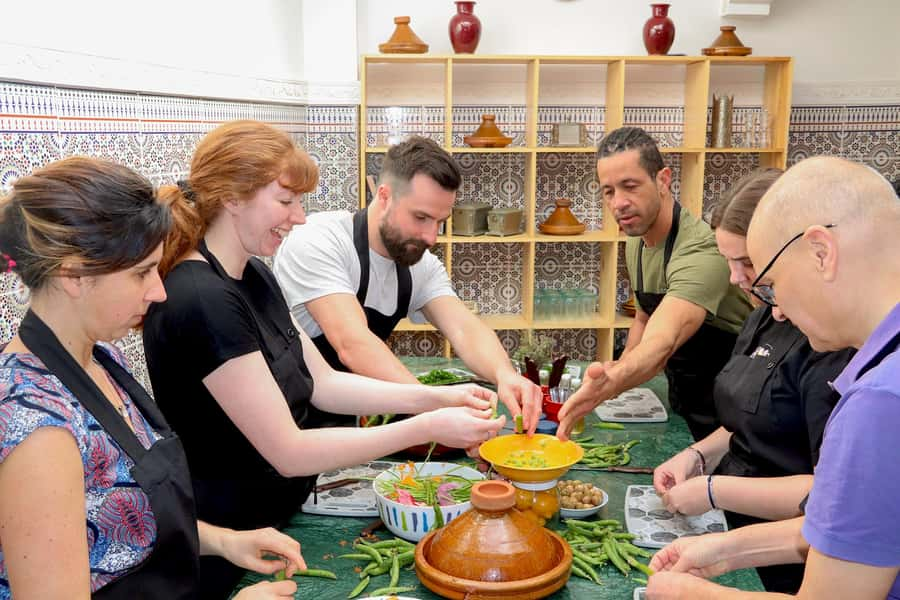
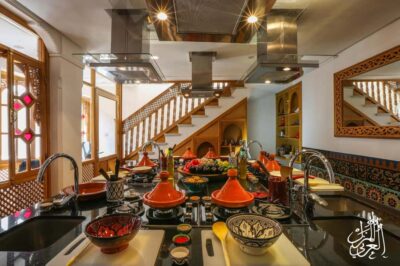
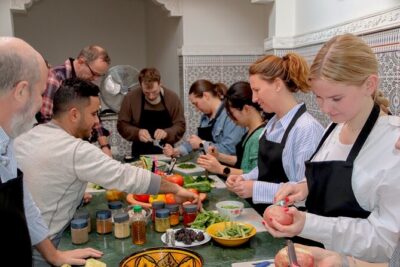
The cooking section lasts about three hours and 15 minutes. Participants work as one team, with jobs divided among the group. You might peel, chop, season, prepare vegetables, or help assemble a tagine. The point is not to produce one dish alone, but to learn how several Moroccan dishes are built.
Hassan explains the basic techniques used in home kitchens, including how to prepare ingredients and season tagines correctly. The emphasis is on practical habits rather than fancy restaurant tricks. You learn how spices work together and how different dishes are handled during preparation.
The usual menu can include:
- Beef with prunes tagine
- Chicken with preserved lemon tagine
- Vegetable tagine
- Kefta, or meatballs with tomato sauce and eggs
- Shakshouka with sweet peppers
- Zaalouk, a fried or grilled aubergine salad
The exact number depends on group size and the plan for that session. Some classes make four tagines and two side dishes. Others prepare three tagines and two sides. The aim is usually around six dishes, though the final menu can be smaller.
That variation is worth understanding before you book. You are not buying a fixed private menu with one guaranteed recipe per person. You are joining a shared kitchen, where the group size and dietary needs shape the food. The upside is variety. You learn several techniques and get a broad taste of Moroccan home cooking in one afternoon.
Why cooking several dishes beats making one tagine
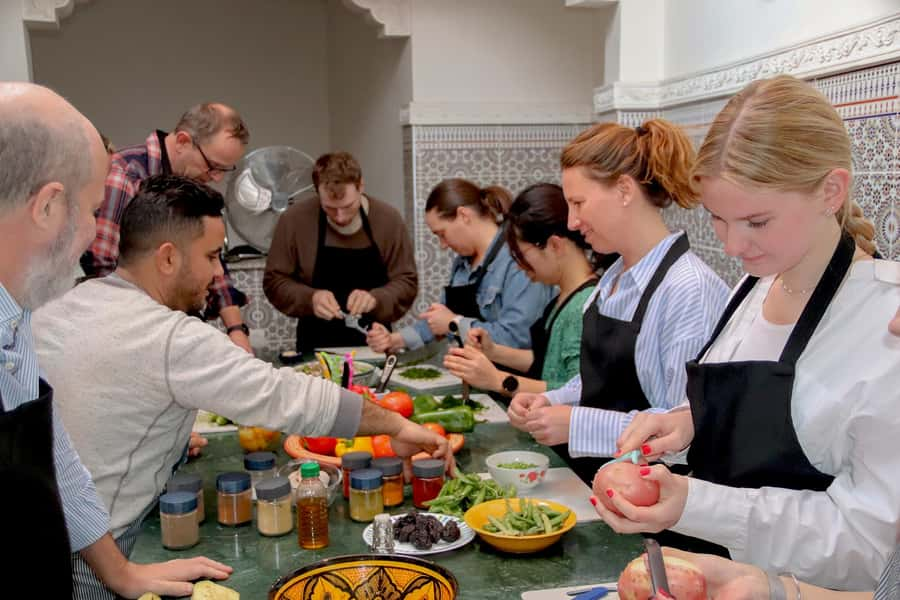
Many cooking classes give you a single recipe to take home. This one spreads your attention across tagines, salads, sauces, and tea. That gives you a better sense of how a Moroccan meal fits together.
A tagine is not simply a dish with a distinctive cone-shaped lid. The class uses it as a way to explain slow cooking, seasoning, and the balance between meat, fruit, preserved lemon, vegetables, and spices. Preparing several versions lets you compare those choices at the table.
The side dishes matter, too. Zaalouk and shakshouka bring different textures and flavors to the meal, and they are useful recipes for home cooks who do not want to prepare a full tagine every time. Kefta shows another side of Moroccan food, with meatballs cooked in tomato sauce and eggs.
You also learn that Moroccan food is not limited to restaurant-style tagine. The class covers vegetarian, vegan, and gluten-free cooking, although the onion and garlic warning is important. Since those ingredients are common in the food prepared here, this is not a suitable choice for anyone with an allergy to either one.
More cooking in Marrakech:
- Half-Day Cooking Class with Local Chef Laila in Marrakech
★ 5.0 · 952 reviews - Marrakech: Moroccan Cooking Class with a Local Family
★ 4.9 · 668 reviews - Marrakech: Moroccan Cuisine Cooking Class in Local Home
★ 4.8 · 508 reviews - Marrakech: Moroccan Cooking Workshop at La Maison Arabe
★ 5.0 · 446 reviews
Culture and conversation while the pots cook
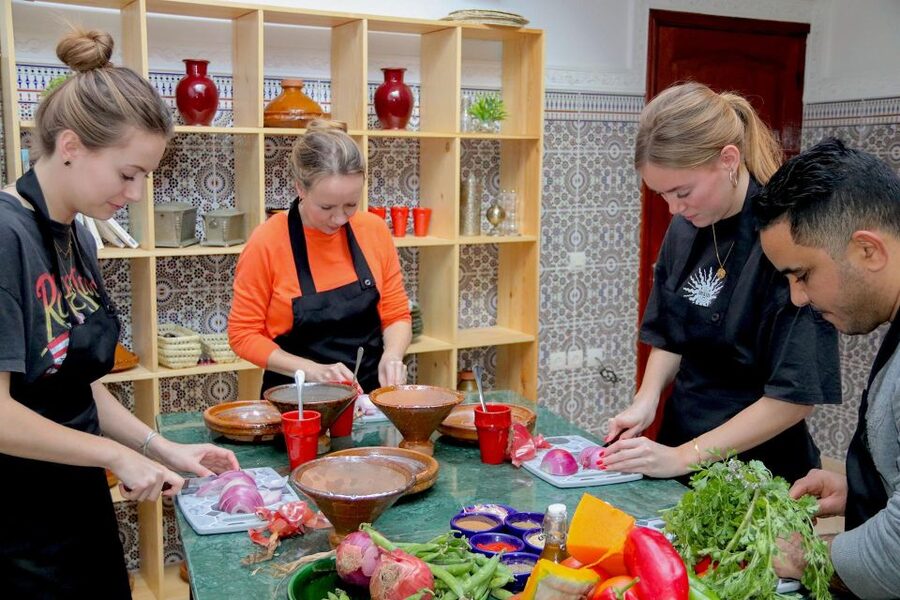
The class uses cooking time to talk about Moroccan culture, family traditions, and food customs. This is where Hassan and Ahmed add value beyond a recipe sheet. Their explanations place the dishes in daily life, including the way food is prepared at home and served on special occasions.
The social side is strong. You cook with the full group, meet people from different countries, and share tasks. Several details make the setup family-friendly: children aged six and up are allowed, and an 11-year-old taking part with her family was able to stay involved through the full four hours.
Still, you should be comfortable with group cooking. If you want control over every ingredient or prefer to work alone, this format may feel busy. If you like meeting people and do not mind taking the job assigned to you, the teamwork makes the long cooking period pass quickly.
The maximum group size is generally nine, with up to ten in an unexpected overbooking or private-group situation. That is small enough for the instructors to include people, but large enough to create a real shared dinner rather than a private lesson.
The final buffet and what you actually eat
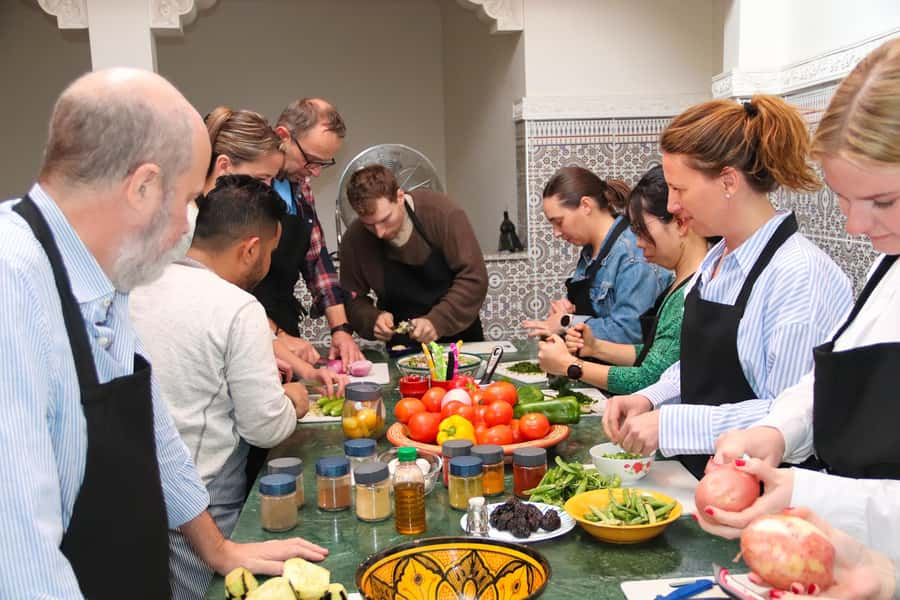
At the end, all the food is served buffet-style. You taste the dishes prepared by the group, along with bread, and water and tea are included. This is a satisfying finish because you can compare the different tagines and side dishes instead of eating only the recipe you happened to prepare.
The meal is also the proof of the class method. Everyone has contributed something, but everyone gets to sample everything. One person may have worked on the vegetable tagine while another handled kefta or the aubergine salad. The buffet brings those separate tasks together.
The food is often the part people remember most, but the value is not only in eating a large meal. You leave with a better idea of how Moroccan dishes are seasoned and combined. The recipes are sent afterward through a link to the provider’s website, which includes the class dishes and additional Moroccan recipes.
That follow-up is especially useful. A cooking class can be pleasant for four hours and then vanish from memory once you return home. Having the recipes gives you a real chance to repeat the experience. You can also buy spices from the workshop at the end, which saves you from guessing which blends or ingredients to look for in a shop.
Is $47 a fair price?
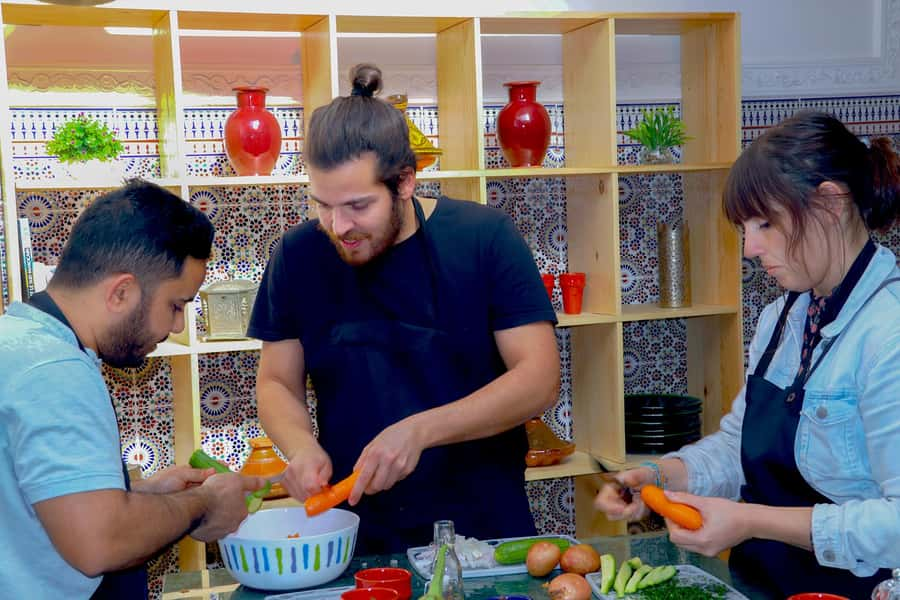
At $47 per person, the class is good value if you want more than a meal. The price includes the guide, cooking instruction, all ingredients used for the meal, bread, water, tea, an apron, and the recipes afterward. It also covers the market visit and the tea ceremony.
Compare that with the cost of a standard restaurant dinner, and the class may not look cheap at first. But you are getting four hours of activity, a substantial meal, cultural explanation, and recipes you can use later. The value improves if you care about learning rather than simply eating.
There are a few costs to remember. Hotel pickup and drop-off are not included, and additional drinks cost extra. You need to make your own way to the pharmacy meeting point. The exact starting time varies, so check availability for the day you want.
Free cancellation is available up to 24 hours before the activity for a full refund, and you can reserve while paying later. If you are traveling alone, contact the provider before booking. A minimum of two participants is required, and they need to check if another person is already booked for that date.
Practical points before you reserve
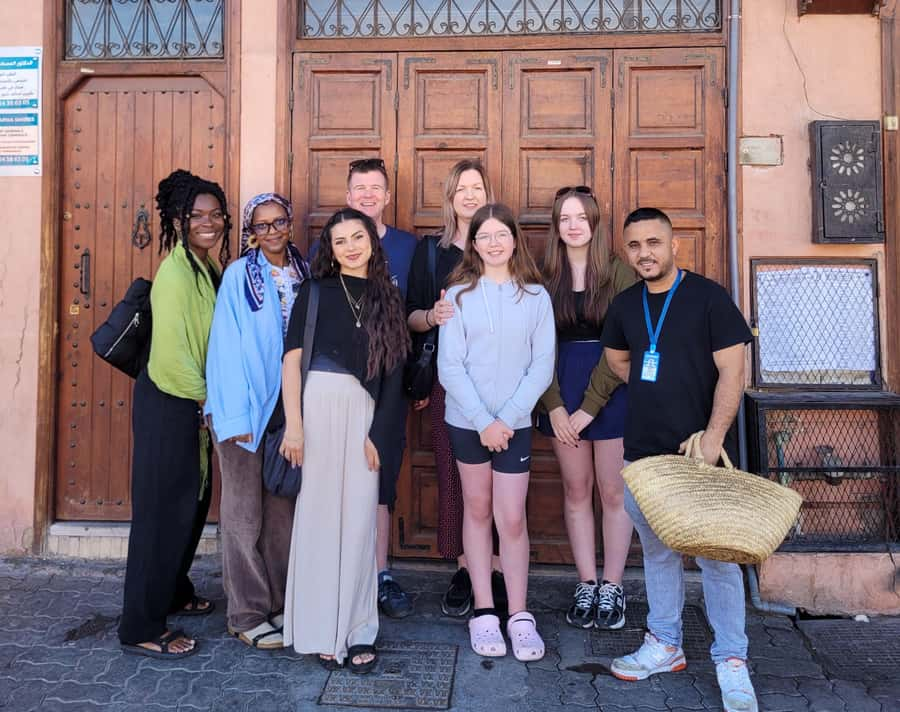
The kitchen area is air-conditioned, but one class took place in a room that felt cold. I would bring a light sweater, especially if you are visiting during a cooler period or expect to spend a long time seated between tasks.
This activity is not suitable for wheelchair users or people with back problems. The four-hour duration also deserves attention. You will be standing, preparing food, and moving around the kitchen, so it is not a quick demonstration you can fit into a spare hour.
Children six and older may join, and the format can work well for families because everyone has a role. Younger children are not allowed. Pets, alcohol, drugs, and nudity are not permitted.
The class operates during Ramadan as well. Since the food is prepared collectively and the schedule can be relaxed, allow the full four hours rather than planning another tightly timed activity immediately afterward.
Who will enjoy this most?
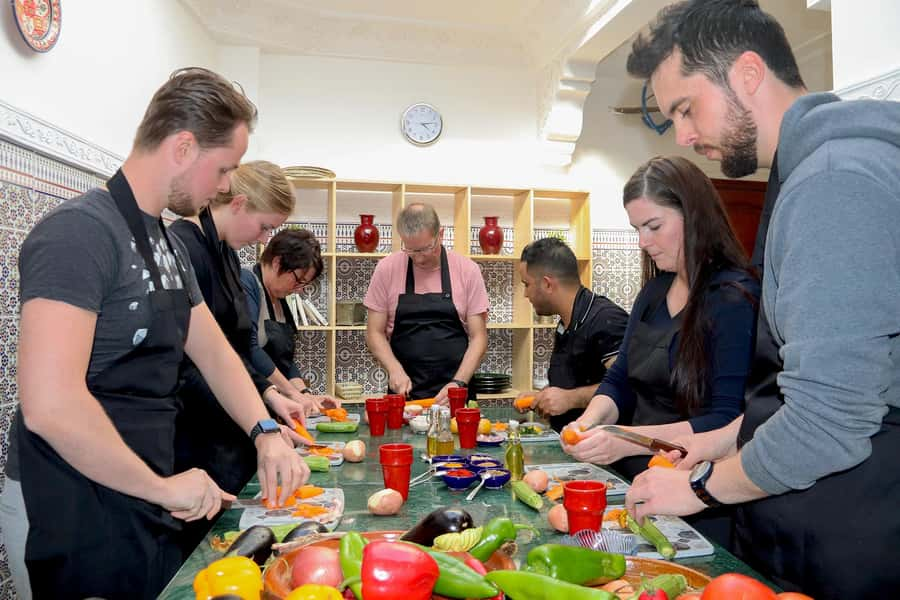
I would recommend this class to first-time visitors who want an introduction to Moroccan food without spending a full day on a formal food tour. It is also a smart choice early in your stay, since the explanations can help you understand the tagines and salads you see on restaurant menus afterward.
It suits couples, families with older children, solo visitors who are happy to join a group, and anyone who likes practical souvenirs. The recipes and spices are more useful than another decorative trinket, and the meal gives you plenty to talk about with the people at your table.
It is less suitable for strict allergy needs, people who dislike shared cooking, and anyone who expects a private chef-led lesson. Dietary restrictions can sometimes be accommodated, but onion and garlic allergies are specifically excluded. Contact the provider before booking if your diet needs special planning.
Should you book the Marrakesh cooking class?
Book it if you want a social, hands-on introduction to Moroccan food and you like the idea of learning several dishes in one sitting. The market stop, tea ceremony, cooking, buffet meal, and recipes make a well-rounded four-hour plan for $47.
I would choose it near the beginning of a Marrakesh visit if you want food context, or near the end if you want a final meal you can recreate at home. Just remember that the menu varies, the food is prepared as a group, and the onion and garlic warning is serious. For most visitors who enjoy cooking and conversation, Chef Hassan and Ahmed offer a useful way to meet Moroccan food on its own terms.
FAQ
Where does the Marrakesh cooking class begin?
The meeting point is Pharmacie Bab Doukkala in Marrakesh. Search for the exact pharmacy name on Google Maps before you go.
How long does the cooking class last?
The full experience lasts four hours, including the market visit, tea ceremony, cooking, and meal. The market portion lasts about 15 minutes, the tea ceremony about 30 minutes, and the cooking section about three hours and 15 minutes.
What dishes might I prepare?
The usual dishes include beef with prunes tagine, chicken with preserved lemon tagine, vegetable tagine, kefta, shakshouka, and zaalouk. The exact number and selection can change with group size and dietary restrictions.
Is the class offered in English?
Yes. The instructor languages are English and French. The class is bilingual when people in the group speak different languages, and uses one language when everyone speaks the same language.
Are children allowed to join?
Children aged six and older are allowed. Children under six are not permitted to take part.
What is included in the $47 price?
The price includes the guide, cooking class, meal, bread, water, tea, apron, and recipes sent after the workshop. Hotel transportation and additional drinks are not included.
Just added in Marrakech
- Quad Ride In The Agafay Desert★ 5.0 · 39 reviews
- Quad Biking Agafay desert★ 5.0 · 20 reviews
- Marrakech: Tailor-Made City Tour With Your Own Private Guide★ 4.9 · 236 reviews
- Surf Training and Lunch on Essaouira Day Trip from Marrakech★ 4.9 · 51 reviews
- Essaouira: Surf Trip from Marrakech★ 4.9 · 31 reviews
- Marrakech palm grove: Sunset camel ride★ 4.8 · 194 reviews
- Marrakech: Sunrise Desert Tour with Camel Ride and Breakfast★ 4.4 · 36 reviews
- Marrakech : Agafay Desert Sunset Camel Ride & Luxury Dinner★ 4.3 · 39 reviews
Cooking Classes, compared.
Traditional Moroccan Cooking Class & Market Visit
Read our review →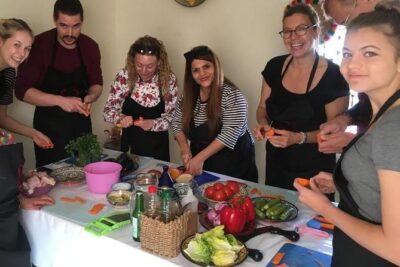
Moroccan Cooking Class & Marrakech Market Visit with Chef Khmisa
Read our review →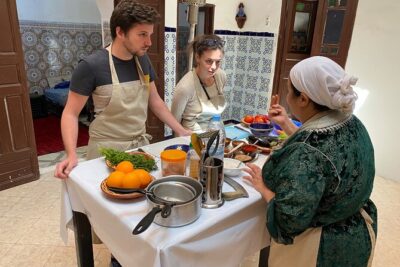
Half-Day Cooking Class with Local Chef Laila in Marrakech
Read our review →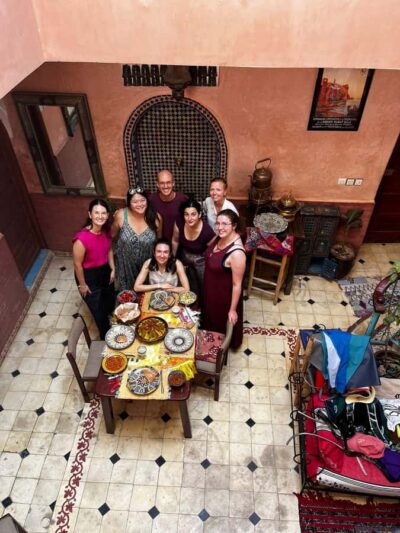
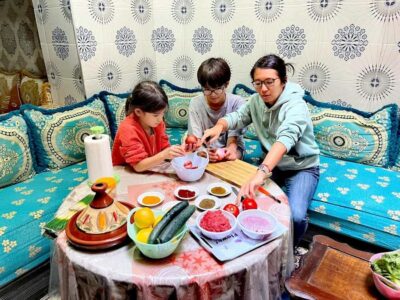
Marrakesh cooking class with chef Hassan – Local dishes
Read our review →Browse the lists this tour appears in