
Reviewed · COOKING CLASSES
Marrakech: Tajine Cooking Class in a Traditional Riad
The best part of this Marrakech experience happens before the cooking begins: you walk through the souks with a local guide, choose fresh ingredients, learn a few Arabic food terms, and see how a Moroccan meal starts at the market. Then you head into a family riad to prepare chicken tajine, salad, mint tea, and sometimes dessert.
I like the market-to-table format, which gives the four hours a real sense of place, and I like the patient, personal teaching from guides such as Samira, Amina, Karima, and Sanae. The main consideration is that the market stop and cooking session can run beyond four hours, so do not schedule another tight activity right afterward. The chicken purchase may also feel confronting for some people.
Key points to know before booking
- Market shopping comes first: Learn about Moroccan spices, fresh vegetables, haggling, and Arabic food words in the souks.
- The cooking happens in a family riad: You prepare the food in a traditional home setting rather than a formal culinary school.
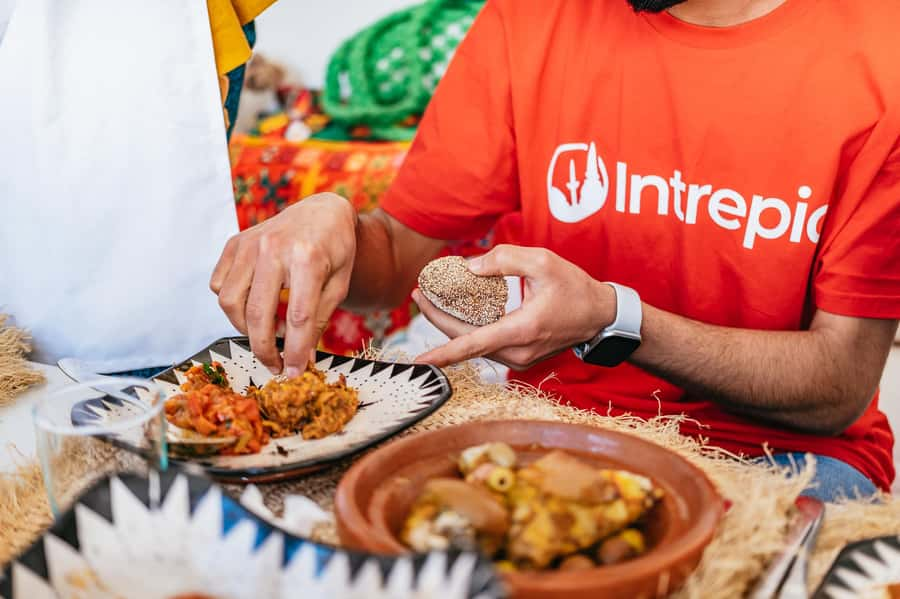
- The meal is genuinely hands-on: You help chop, layer, season, and cook the tajine before sitting down to eat it.
- The teaching is personal: Guides including Samira, Amina, Karima, and Sanae are praised for warmth, humor, and clear instruction.
- Dietary needs can be accommodated: Vegetarian, vegan, gluten-free, and other requests are accepted when arranged.
- The price covers a full half-day: At $57 per person, you get the market visit, ingredients, class, meal, tea, and recipe sheet.
From Djemaa El-Fna to the Marrakech souks
You meet outside Café France on Djemaa El-Fna, the main square in the old city. The café is a three-storey building on the right as you enter through the square’s main entrance. Look for the official Urban Adventures sign or badge. This matters because unofficial guides often approach visitors around Djemaa El-Fna.
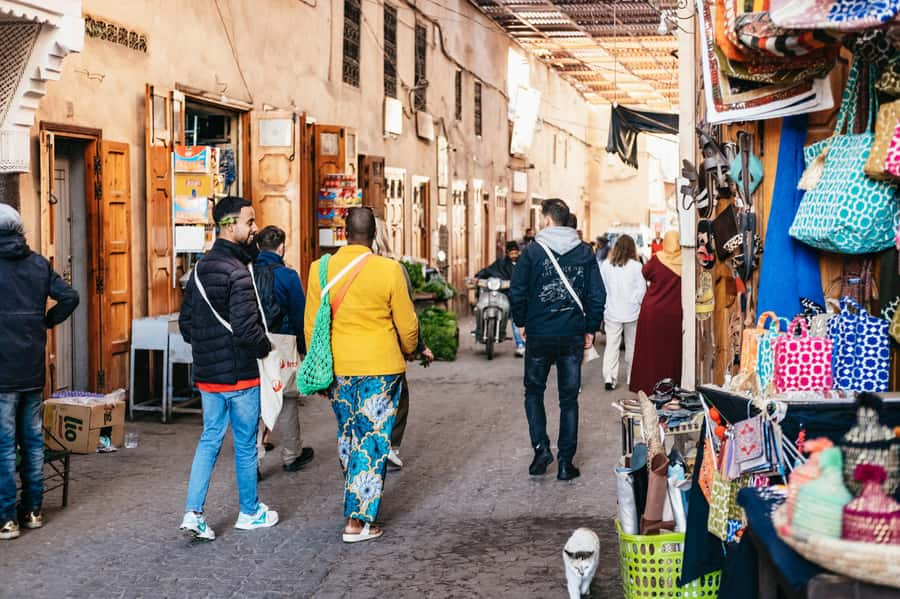
From the square, your guide leads you into the souks to gather the ingredients for the meal. This is not just a quick stop at a supermarket. You see how food is bought locally, learn how to judge fresh produce, and get an introduction to the spices that give Moroccan cooking its character.
The market portion is one of the strongest reasons to choose this class over a cooking lesson held entirely indoors. You are not only told about Moroccan food. You see the raw materials, ask questions while shopping, and get a little help with bargaining. A guide may also point out useful Arabic food vocabulary along the way.
The exact route and market stops can change according to the day’s availability. That is normal in Marrakech, where small shops and market stalls do not all operate on a fixed tourist schedule. The food selection can also vary, so the dish you prepare may not be identical every time.
Other cooking classes in Marrakech people book:
- Marrakech: Moroccan Cooking Class with Pickup
★ 4.6 · 1,862 reviews - Marrakech: Traditional Moroccan Cooking Class & Market Visit
★ 4.8 · 1,861 reviews - Marrakesh: Moroccan Dishes Cooking Class with a Local Chef
★ 5.0 · 1,615 reviews
Choosing spices, vegetables, and the tajine ingredients
The class includes vegetables, herbs, spices, and chicken for the tajine. The standard preparation described for the class is chicken tajine, often with preserved lemon and olives. Moroccan salad is also part of the meal, and past sessions have included a simple orange and cinnamon dessert.
Your guide explains what you are buying and how the ingredients work together. That practical detail is more useful than a long lecture about Moroccan cuisine. You learn which spices are used, how fresh vegetables are selected, and how the ingredients are layered in the cooking dish.
The chicken purchase deserves a clear note. In some market visits, the chicken is bought fresh and the process may be visible. If that would upset you, say so before shopping. Vegetarian and vegan options can be arranged, and one couple was able to prepare a vegetable tajine instead. It is best to state your needs when booking and remind your guide at the start.
This part of the tour also gives you a better feel for the medina. You are walking with someone who knows the area, so the experience is less confusing than trying to shop alone. You still need to stay aware of scooters, crowds, and uneven passages, but the guide helps you focus on the food rather than the logistics.
Cooking inside a traditional family riad
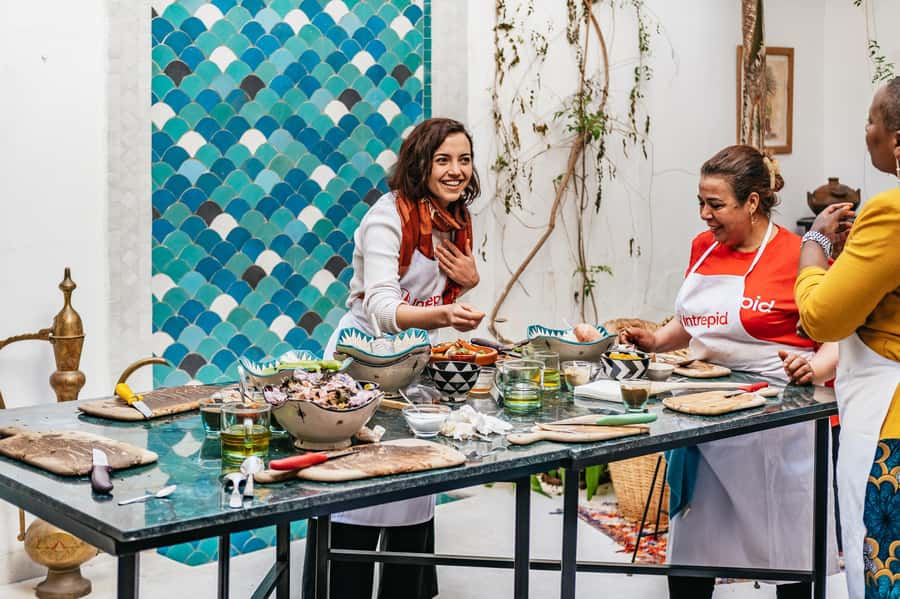
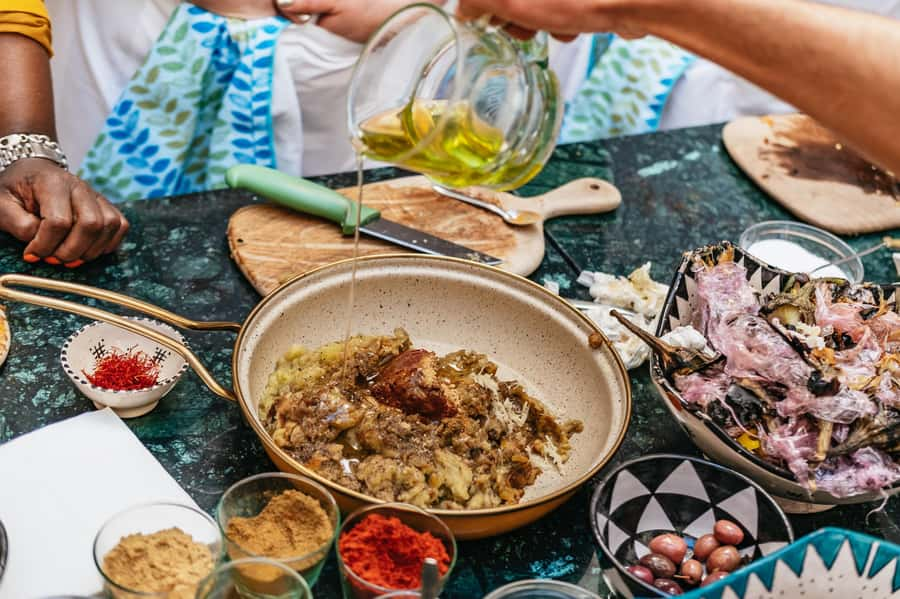
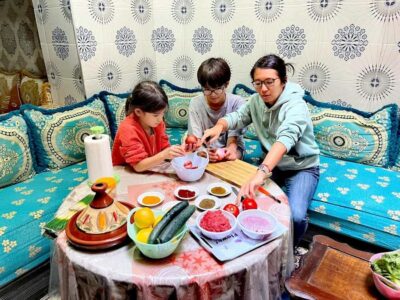
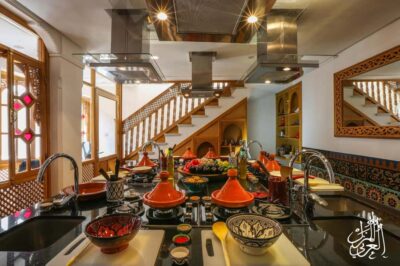
After shopping, you go to a traditional riad kitchen. The setting is a major part of the experience. Instead of sitting at rows of stainless-steel workstations, you cook in a Moroccan home and learn a little about medina life from the people who live and work there.
The welcome typically begins with Moroccan mint tea and, in some sessions, homemade cookies such as ghriba. Tea is not an afterthought here. You learn how it is brewed and poured, then have time to sit, talk, and settle into the class before preparing the food.
Your guide and local assistants help with the equipment and explain the steps. You may chop vegetables, prepare herbs, arrange the ingredients, and layer them in the tajine. The class is designed for people with different levels of cooking skill. You do not need to arrive with serious kitchen experience.
The guides are the heart of the class. Samira is praised for her humor and clear explanations, while Amina has been described as a welcoming host who combines market shopping with a warm introduction to her home. Karima and Sanae are also noted for making the class easy to follow and fun without turning it into a staged show.
The pace is usually social rather than rushed. You cook alongside other people, ask questions, and share tasks. The group can include up to 12 people, which is small enough for hands-on participation but large enough to meet people from different countries. A private group is also available if you want a more personal format.
What you actually learn about Moroccan cooking
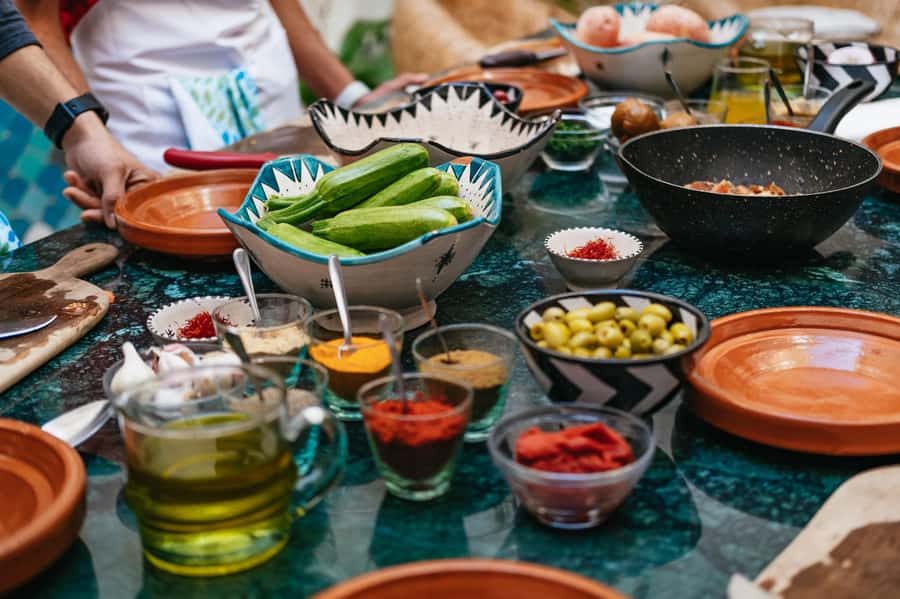
The class focuses on useful techniques rather than complicated restaurant tricks. You learn how spices are used, how ingredients are arranged in the tajine, and how the dish cooks slowly into a fragrant meal.
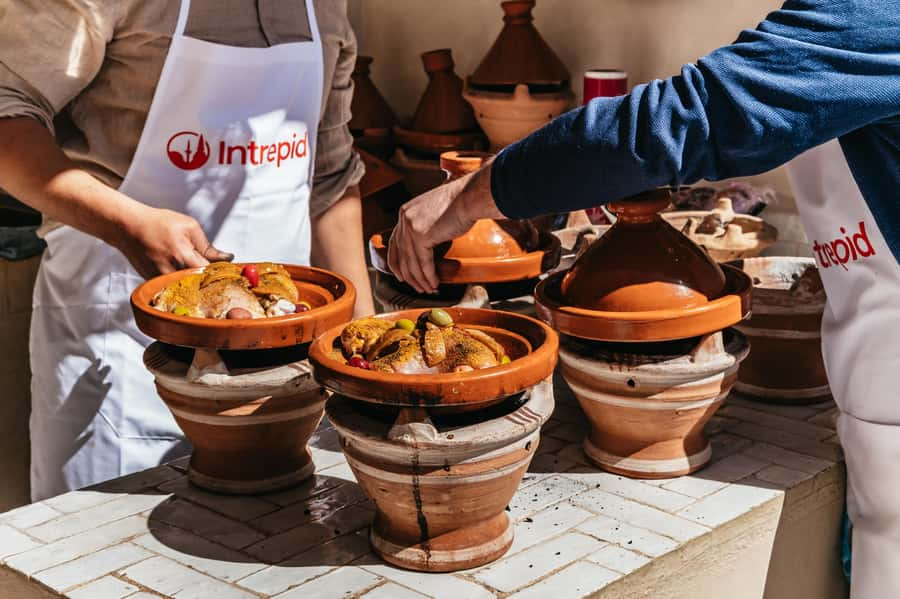
The tajine itself is both a cooking vessel and the name of the dish prepared in it. The cone-shaped lid helps keep moisture in the food, allowing the ingredients to cook together. The cooking method is simple, but the balance of spices, herbs, vegetables, preserved lemon, and olives takes some care.
You also learn how Moroccan food fits into daily life. The market, the riad kitchen, the tea service, and the shared meal all connect. That makes the class useful even if you never recreate the dish at home. You leave with a better sense of how food, hospitality, and family life fit together in Marrakech.
The exact recipe may change with the available ingredients. The included recipe sheet gives you a practical reference for making the tajine again at home. It is a welcome touch because many cooking classes end with a meal but give you little help for repeating it later.
More cooking in Marrakech:
- Moroccan Cooking Class & Marrakech Market Visit with Chef Khmisa
★ 5.0 · 1,504 reviews - Half-Day Cooking Class with Local Chef Laila in Marrakech
★ 5.0 · 952 reviews - Marrakech: Moroccan Cooking Class with a Local Family
★ 4.9 · 668 reviews - Marrakech: Moroccan Cuisine Cooking Class in Local Home
★ 4.8 · 508 reviews
Eating the tajine you prepared
Once the food is ready, you sit down to eat the tajine with Moroccan salad and whatever additional dishes are included that day. Mint tea is served as part of the experience.
This shared meal is where the class pays off. You have seen the ingredients at the market, prepared the dish yourself, and then tasted the finished result. The food also tends to feel more memorable because you understand what went into it.
Past classes have included chicken tajine with preserved lemon and olives, salad, dessert, mint tea, and cookies. The meal is substantial enough to function as lunch, though the provider notes that food inclusions depend on availability.
If you are vegetarian, vegan, gluten-free, or have another dietary restriction, contact the provider in advance. The class can accommodate these needs, but the market shopping and recipe need to be adjusted from the start.
Is $57 a fair price?
At $57 per person, this is a reasonable price for a four-hour activity in Marrakech. You are paying for more than a cooking lesson. The fee includes the guide, the souk shopping experience, all tajine ingredients, the cooking session, the meal, Moroccan tea, and the recipe sheet.
The market visit adds real value. A basic cooking class may teach you how to prepare a dish, but this experience also shows you where the ingredients come from and how a local shopper approaches the market. The riad setting adds another layer that a standard demonstration kitchen cannot provide.
The group size also helps. With a maximum of 12 people, you should have a chance to take part rather than simply watch a chef work. A private group is available if you are willing to pay for a more tailored experience, though the shared class is likely the better value for solo visitors and couples.
There are two limits to keep in mind. Hotel pickup and drop-off are not included, so you need to reach Djemaa El-Fna yourself. Also, the class may run longer than the stated four hours, especially if the market visit takes time or the group stays to finish the meal.
Clothing, timing, and practical planning
The meeting point is easy to find if you use the main entrance to Djemaa El-Fna and look for Café France. Give yourself time to reach the square, especially if you are staying inside the medina and need to walk through narrow lanes.
Wear respectful clothing. Shorts, short skirts, and sleeveless shirts are not permitted. Comfortable shoes are sensible because the experience includes walking through the souks before you begin cooking.
English is the listed tour language. If you need help with a food allergy or dietary restriction, explain it clearly at the beginning and confirm that the guide has understood.
Do not book this on a day when you have a fixed appointment immediately afterward. One participant had to leave before finishing the meal because the class ran over. It is better to protect the whole afternoon and enjoy the tea, cooking, and lunch without watching the clock.
The activity is child-friendly, and children under six can join free of charge. Still, the market, cooking equipment, and food preparation require supervision. A private group may suit families who want a slower pace.
The responsible-tourism angle
The experience is carbon-neutral and operated by a B Corp-certified company. That does not change the food or the route, but it gives you useful context about where your money goes. The activity is designed to support local guides, a local family setting, and cultural knowledge rather than keeping the experience inside a large commercial kitchen.
That local structure is important. You meet people who cook, shop, and live in Marrakech, and you spend money on a small-scale experience tied to the medina. The class is still designed for visitors, but it keeps the focus on food traditions and personal contact.
Who should book this Marrakech cooking class?
I would recommend it most strongly if you want an activity that combines food, culture, and a little walking. It is a good choice for couples, solo visitors, families with older children, and anyone who would rather learn by doing than watch a chef give a demonstration.
It also suits you if you want practical skills to take home. The recipe sheet, spice guidance, and tajine technique give you a better chance of repeating the meal after your Morocco trip.
This may not be the right pick if you dislike markets, have a strict schedule, or want a polished culinary school setting. The riad is welcoming and traditional, but the experience is personal and informal. Ingredients, route, and dishes can change, and the chicken shopping may not suit everyone.
Should you book it?
Book this class if you want to see more than Marrakech’s sights and taste the city through its everyday food. The market visit, family riad, patient guides, and shared meal create a well-rounded four-hour experience for $57.
Choose it especially if you want help with Moroccan spices, tajine technique, and souk shopping. Skip it only if you need a tightly timed activity or would be uncomfortable with fresh chicken shopping. For most food-minded visitors, this is one of the better ways to spend half a day in the medina.
FAQ
Where does the Marrakech tajine cooking class meet?
You meet outside Café France in Djemaa El-Fna. As you enter the square through the main entrance, Café France is the three-storey café on the right.
How do I find the official guide?
Look for a guide holding an Urban Adventures sign or wearing an Urban Adventures badge. Unofficial guides may approach you in Djemaa El-Fna, so do not join anyone who cannot identify the activity clearly.
How long does the cooking class last?
The activity lasts four hours. You should still avoid scheduling another fixed activity immediately afterward because the market visit and meal can sometimes take longer.
What food is included?
The class includes the ingredients for a tajine, including vegetables, herbs, spices, and chicken. You also prepare a Moroccan salad, and the meal includes Moroccan tea. Dessert or extra items can depend on availability.
Will I cook the tajine myself?
Yes. The class is hands-on, and you help prepare the ingredients and cook the tajine with guidance from the local chef and assistants.
Is the tajine always made with chicken?
Chicken is included in the standard food offering, but vegetarian, vegan, gluten-free, and other dietary requests can be accommodated. Tell the provider about your needs in advance.
Could the chicken shopping be confronting?
It may be. The market visit can involve buying fresh chicken, and the process may be visible. Ask for a vegetarian or vegetable tajine if this is not suitable for you.
Is the class suitable for children?
Yes. The activity is child-friendly, and children under six can join free of charge.
What should I wear?
Shorts, short skirts, and sleeveless shirts are not allowed. Wear clothing that covers your shoulders and knees, along with comfortable shoes for walking through the souks.
Is hotel pickup included?
No. Hotel pickup and drop-off are not included, so you must make your own way to Café France in Djemaa El-Fna.
Just added in Marrakech
- Quad Ride In The Agafay Desert★ 5.0 · 39 reviews
- Quad Biking Agafay desert★ 5.0 · 20 reviews
- Marrakech: Tailor-Made City Tour With Your Own Private Guide★ 4.9 · 236 reviews
- Surf Training and Lunch on Essaouira Day Trip from Marrakech★ 4.9 · 51 reviews
- Essaouira: Surf Trip from Marrakech★ 4.9 · 31 reviews
- Marrakech palm grove: Sunset camel ride★ 4.8 · 194 reviews
- Marrakech: Sunrise Desert Tour with Camel Ride and Breakfast★ 4.4 · 36 reviews
- Marrakech : Agafay Desert Sunset Camel Ride & Luxury Dinner★ 4.3 · 39 reviews
Cooking Classes, compared.
Traditional Moroccan Cooking Class & Market Visit
Read our review →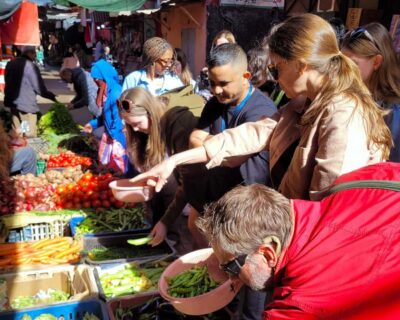
Moroccan Dishes Cooking Class with a Local Chef
Read our review →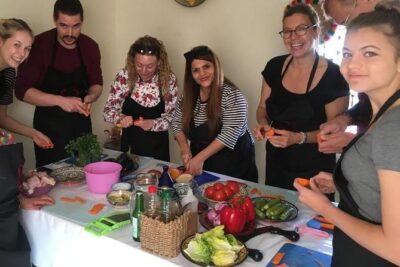
Moroccan Cooking Class & Marrakech Market Visit with Chef Khmisa
Read our review →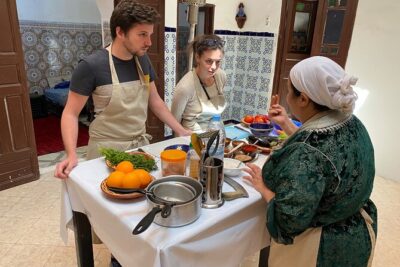
Half-Day Cooking Class with Local Chef Laila in Marrakech
Read our review →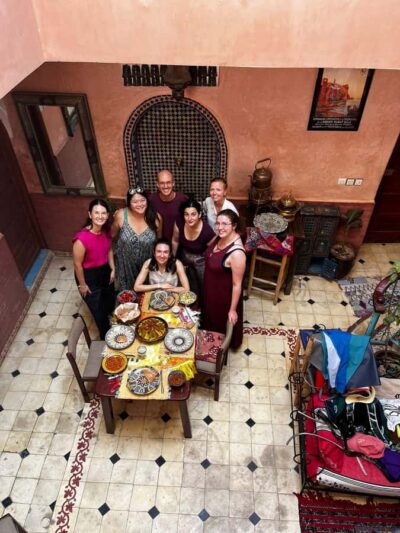
Browse the lists this tour appears in