
Reviewed · COOKING CLASSES
Marrakech: Moroccan Cooking Class with Pickup
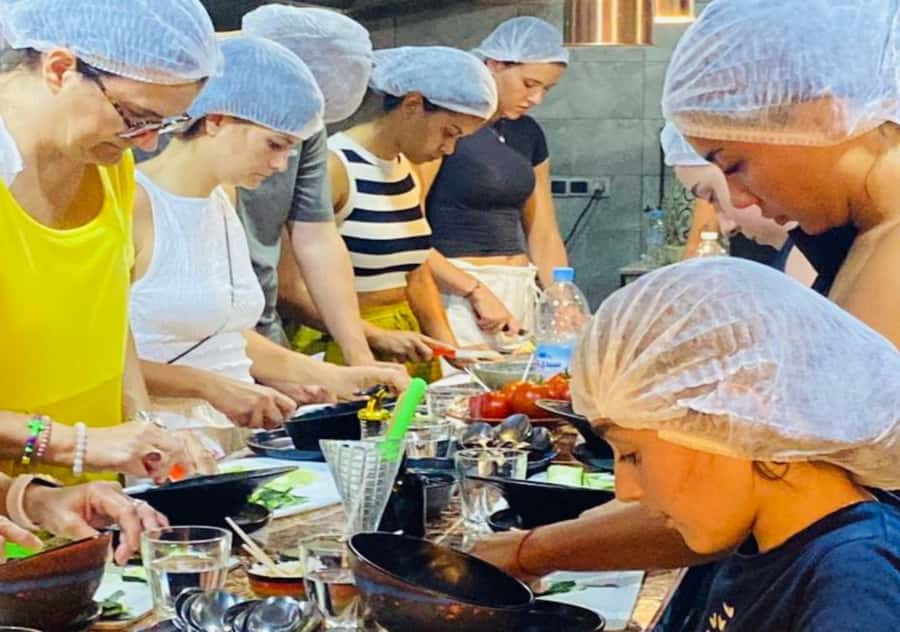
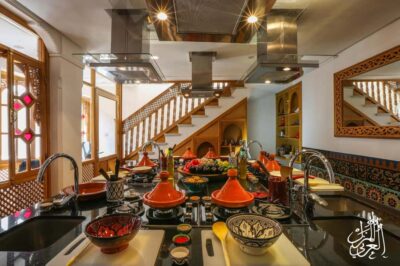
The best part of this Marrakech cooking class is that you cook inside a working restaurant kitchen, not a polished demonstration room. With a professional chef such as Mourad, Ahmed, or Amine guiding you, you prepare a Moroccan salad, tajine, and a simple orange-and-cinnamon dessert before sitting down to eat.
I like the hotel pickup and drop-off, which removes a fair bit of Marrakech guesswork, and I like the friendly, low-pressure teaching style. Chef Mourad is often praised for his humor, patience, and clear English. The main consideration is that the class is gentle rather than advanced. If you cook often, you may find some steps basic, and the advertised starter, main, and dessert amount to a modest meal rather than three elaborate courses.
I also like the price: $31 for about three hours, including transport, tea, lunch, water, and a certificate. Allow extra time for pickup, since one booking experienced a long wait, and be ready five to ten minutes early.
Key points to know before booking
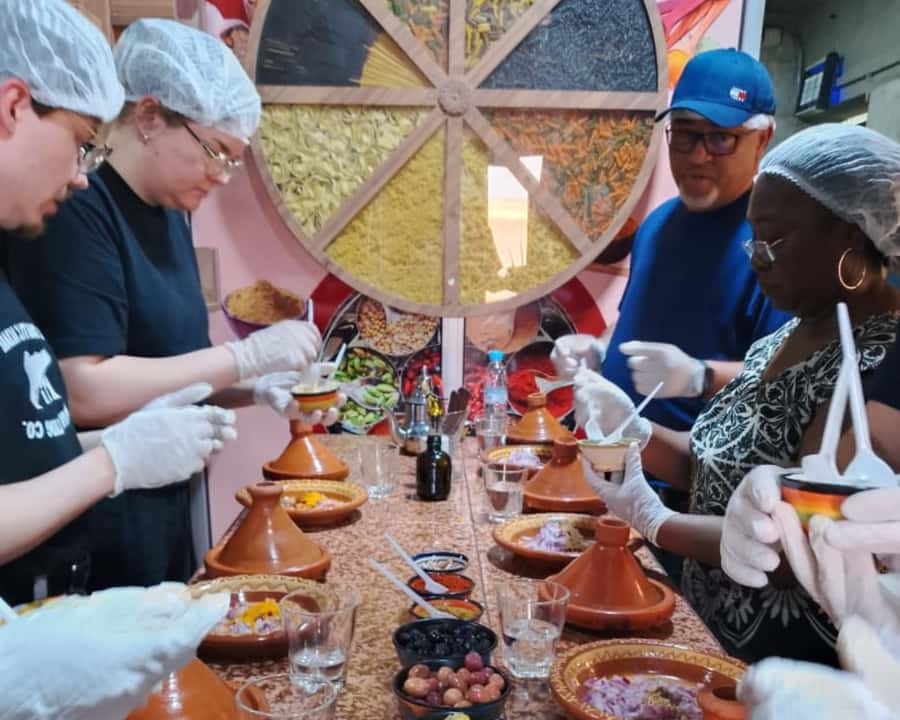
- Cook in the Chouf l’Or restaurant kitchen: You are close to the action of a busy Moroccan restaurant, which adds a useful behind-the-scenes element.
- Expect a classic tajine lesson: Chicken with preserved lemon is a common preparation, with guidance on adapting the method to beef, lamb, or vegetables.
- Mourad is a popular instructor: He is known for humor, patience, clear English, and keeping the group involved.
- The meal is part of the class: You eat the food you helped prepare, with salad and orange with cinnamon often completing the menu.
- Transport is included: Pickup is from your Marrakech hotel or riad, with a nearby walking meeting point if cars cannot reach your door.
- Best for relaxed cooks and families: The pace suits beginners, companions, and children who can take part with adult supervision.
Arriving at Chouf l’Or by hotel pickup
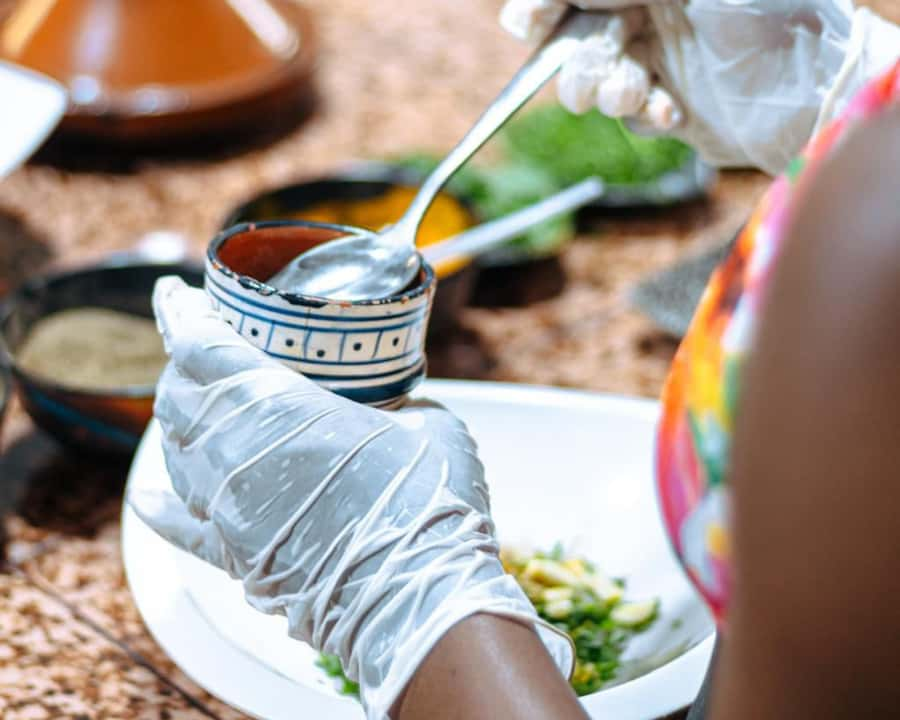
Your experience begins with a pickup from your hotel or riad in Marrakech. The exact time and meeting point usually arrive by email or WhatsApp the evening before, often by 17:00. For a last-minute booking, contact may come only a few minutes after you reserve.
That communication matters in Marrakech. Many medina riads sit on lanes that cars cannot enter, so do not assume a vehicle will stop at your front door. If access is tight, the driver gives you a nearby meeting point within a short walk. Be ready five to ten minutes before the confirmed time.
The driving is more than a transfer for some people. Drivers such as Ismail, Abdelhak, Saif, Hamza, and Mourad have been praised for punctuality, safe driving, and friendly conversation. Some drivers also share local stories or help with general plans for the rest of your stay.
Still, allow a little breathing room in your schedule. This is a shared pickup service, and one booking reported a delay of more than an hour and a half. That appears to be the exception rather than the normal pattern, but I would not book the class immediately before a flight, dinner reservation, or another timed visit.
The same pickup point is normally used for the return, though you can request a different location in Marrakech. That is useful if you want to continue sightseeing after lunch instead of returning to your accommodation.
Other cooking classes in Marrakech people book:
- Marrakech: Traditional Moroccan Cooking Class & Market Visit
★ 4.8 · 1,861 reviews - Marrakesh: Moroccan Dishes Cooking Class with a Local Chef
★ 5.0 · 1,615 reviews - Moroccan Cooking Class & Marrakech Market Visit with Chef Khmisa
★ 5.0 · 1,504 reviews
Mint tea and choosing the Moroccan menu
At Chouf l’Or, you are welcomed with Moroccan mint tea while the kitchen is prepared. This opening is simple, but it gives the group a chance to settle in, meet the chef, and learn what will be cooked.
The menu is generally built around three parts: a starter, a tajine main course, and Orange de Cannelle, or oranges with cinnamon. In practice, the starter is often a Moroccan salad, while the main is commonly chicken tajine with preserved lemon. Depending on the class and ingredients, you may also work with vegetables or discuss versions using beef and lamb.
The menu discussion is useful because Moroccan food is about method as much as ingredients. You learn how spices are combined, how the tajine cooks gently, and how preserved lemon changes the flavor of a dish. Several class sessions have included an explanation of how to adapt the chicken preparation for other meats.
Do not expect a long list of separate recipes. The cooking is focused. You make one central tajine, a salad, and a very easy dessert. That makes the class approachable, but it can feel light if you are looking for advanced knife work, several sauces, or a full lesson in Moroccan regional cooking.
Cooking tajine beside the restaurant chefs
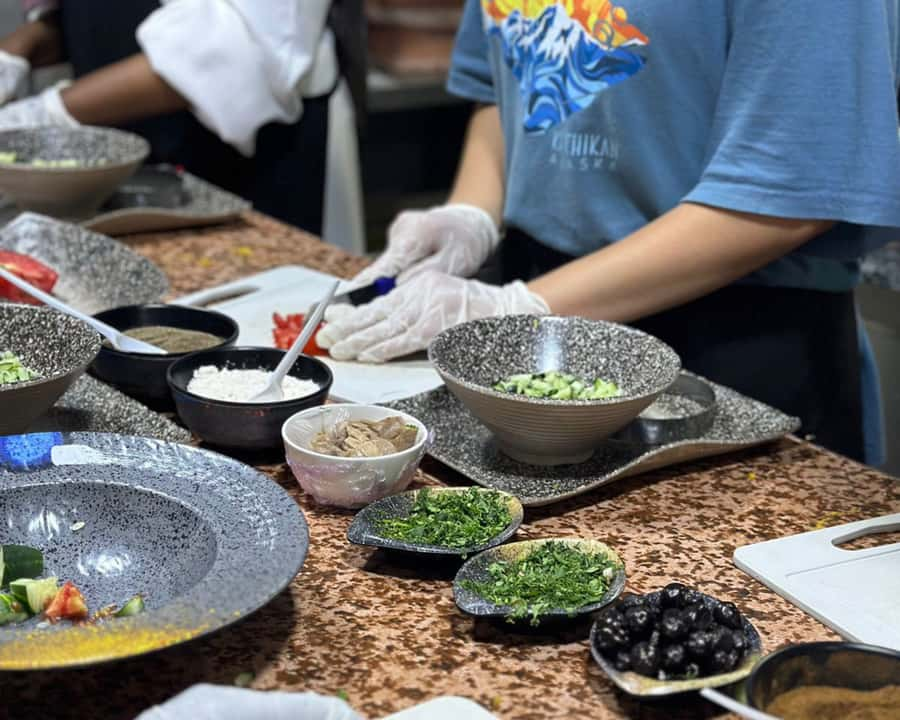
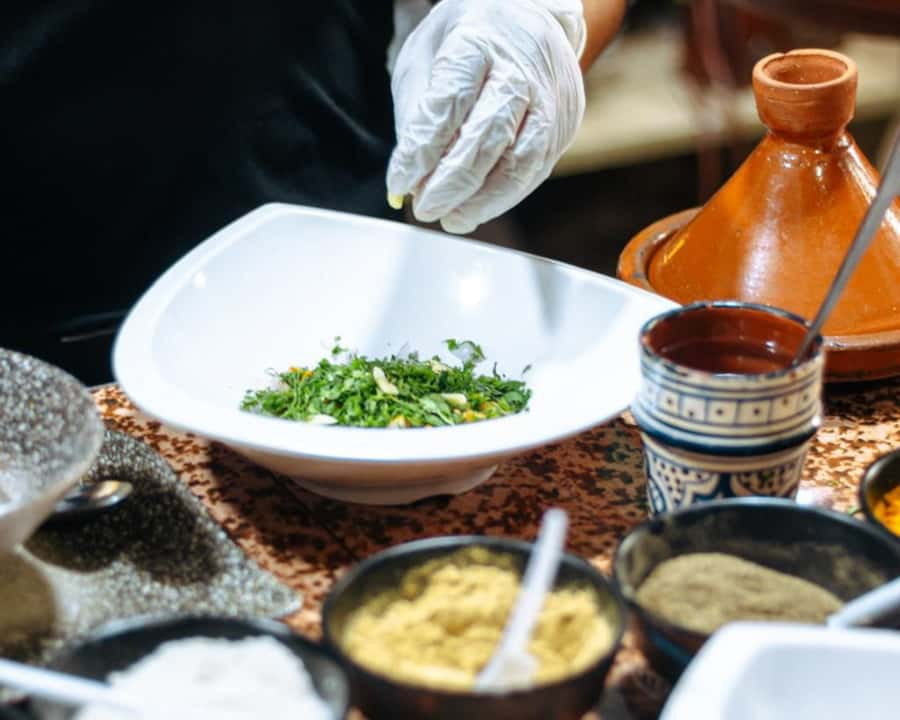
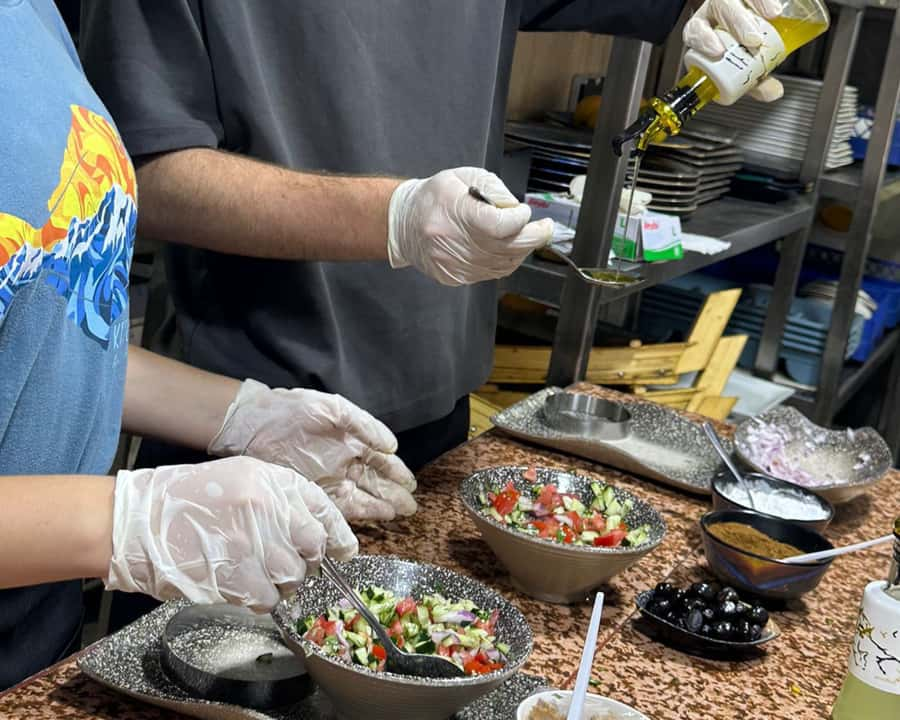
The class takes place in the restaurant kitchen, next to the regular staff. This is one of the more useful features because you can see a real service kitchen at work while preparing your own food.
The room may be busy. That is part of the appeal, but also part of the trade-off. You are not in a quiet private studio with every counter reserved for your group. The restaurant atmosphere gives the class energy and a closer look at professional food preparation, though you should expect activity around you.
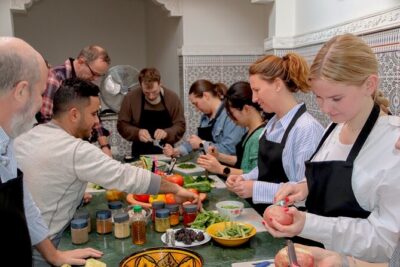
The chef leads the group through the preparation step by step. Mourad is frequently noted for his lively manner, patient help, and strong English. Ahmed, Amine, Abdul, Mohammed, and Yassine have also led sessions, so the exact instructor can vary. The teaching languages are English, French, and Arabic.
The chefs keep the tone light. One class was described as part cooking lesson and part singing session, while another included plenty of jokes. That friendly style helps if you are nervous around a tajine or unfamiliar spices. You are encouraged to ask questions, and the chefs explain how ingredients can be changed for different versions of the dish.
The pace is deliberately relaxed. A seven-year-old child was able to join in and enjoy the experience, and solo participants have found it easy to meet the rest of the group. For families, couples, and first-time cooks, that is a strength. For experienced home cooks, bring questions with you so the session gives you more than basic instructions.
What you actually cook
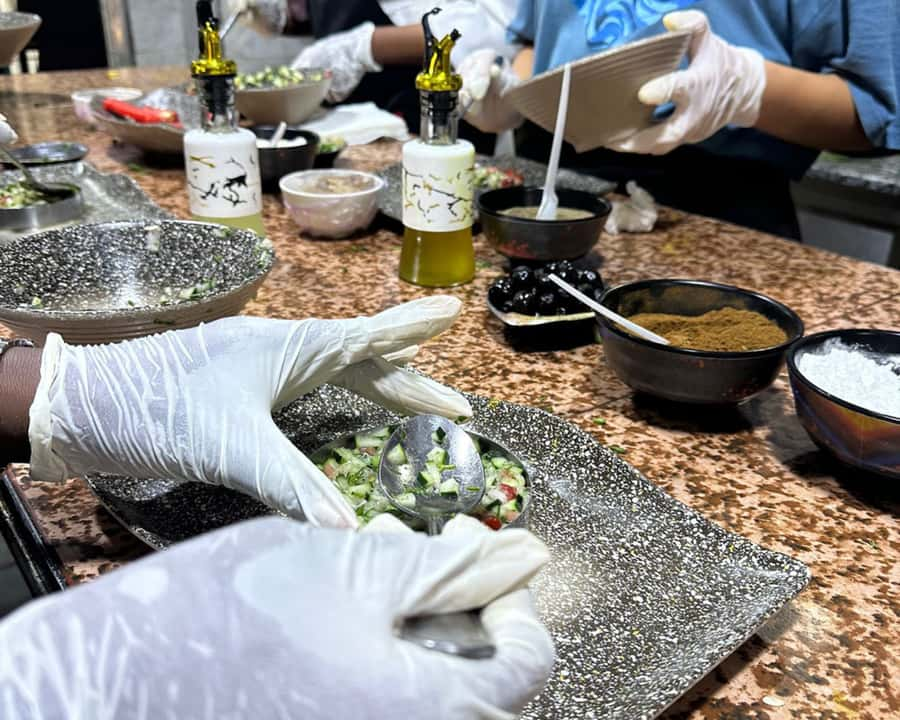
The centerpiece is tajine, the slow-cooked Moroccan dish prepared in the distinctive cone-topped pot. Chicken with preserved lemon is a common version in this class. You may also use vegetables, and the chef can explain how the technique changes with beef or lamb.
The lesson is not only about putting ingredients in a pot. You get a practical look at spice combinations, the order of preparation, and the way the tajine cooks. The preserved lemon lesson is especially useful if you want to recreate the dish at home. One participant left eager to begin preserving lemons for future meals.
The salad is usually a straightforward Moroccan starter. It gives you a second preparation to work on without making the class too demanding. The dessert, orange with cinnamon, is simpler still, but it shows how Moroccan cooking can finish a meal with fresh fruit and warm spice rather than a heavy pastry.
The cooking is shared among the group, so you may not personally handle every single stage from start to finish. That is worth knowing if you expect an individual workstation and a private recipe lesson. The group format keeps the price down and creates conversation, but it also means the experience is partly collaborative.
More cooking in Marrakech:
- Half-Day Cooking Class with Local Chef Laila in Marrakech
★ 5.0 · 952 reviews - Marrakech: Moroccan Cooking Class with a Local Family
★ 4.9 · 668 reviews - Marrakech: Moroccan Cuisine Cooking Class in Local Home
★ 4.8 · 508 reviews - Marrakech: Moroccan Cooking Workshop at La Maison Arabe
★ 5.0 · 446 reviews
Eating the food you prepared
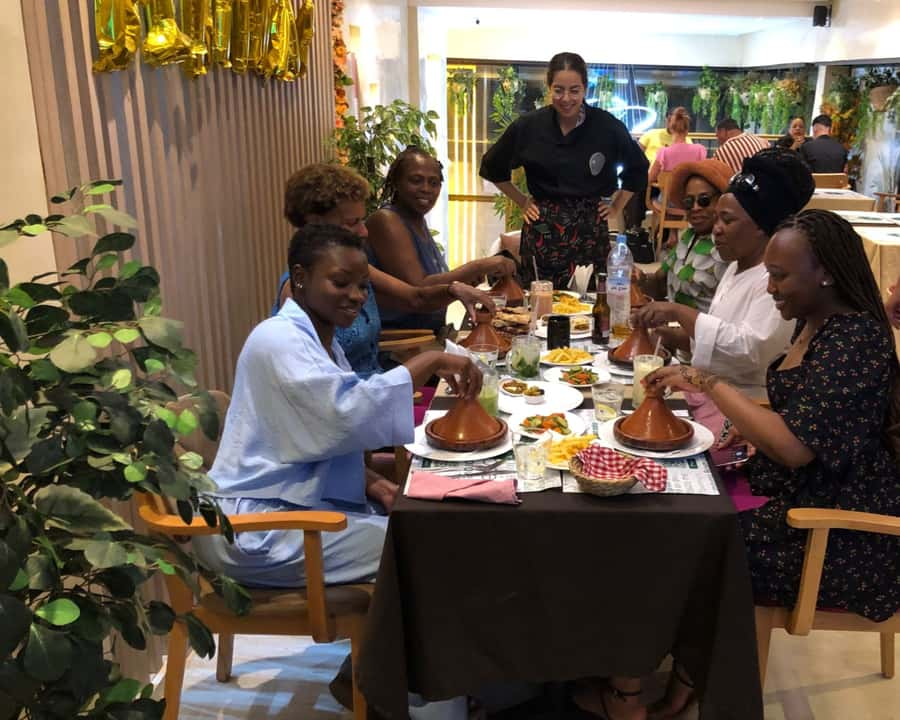
Once the dishes are ready, you sit down to eat. The meal includes the food prepared during the class, with tea and water provided. This is the payoff, and it also lets you taste how the ingredients and spices work together after cooking.
The tajine is the highlight for most people. It is also where the lesson becomes practical. You can taste the balance of the dish while the process is still fresh in your mind, then ask the chef about adjusting spices, meat, or vegetables.
The meal is not a large restaurant feast with many courses. One fair criticism is that the phrase starter, main, and dessert sounds grander than the actual serving. In reality, you should expect a main tajine, a side salad, and a very simple orange dessert. For $31, with transport included, that remains good value, but food enthusiasts seeking a long tasting menu should set their expectations properly.
The restaurant itself is also an option to remember. The working kitchen serves regular customers, and the class gives you a look at the food being prepared for the wider dining room. If you enjoy the meal, you can keep Chouf l’Or in mind for another visit.
Group size, atmosphere, and who will enjoy it
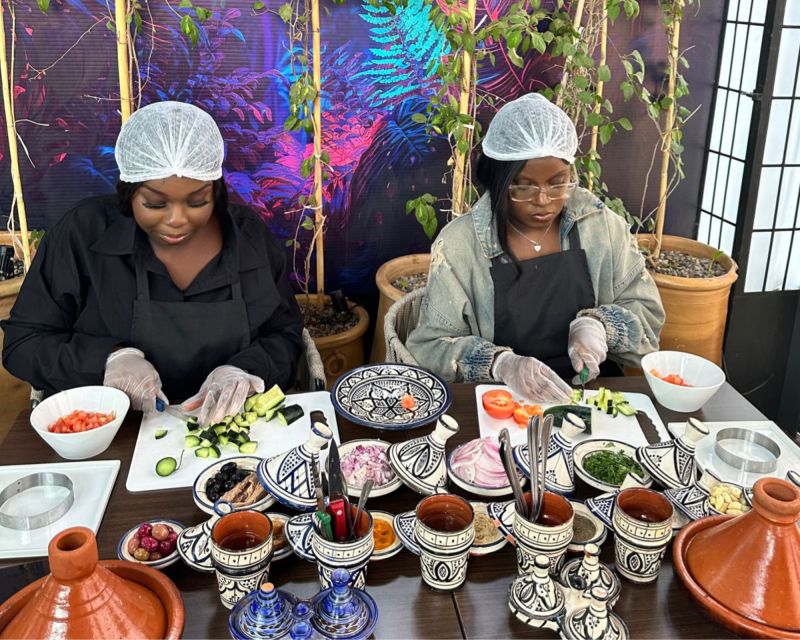
The group can include people from several countries, and one session had about 12 participants. Other sessions felt smaller and more personal. The exact size may vary, but you should expect a shared class rather than a private lesson.
That social setting is a real benefit if you are traveling alone. You have an easy reason to talk to people, and the shared meal gives the group a natural way to continue chatting. Couples and friends also get time together without one person spending the whole afternoon choosing a restaurant or planning a menu.
Families can consider this activity too. A child aged seven was able to participate, and the relaxed pace suits beginners. Parents should still use their judgment around hot surfaces, sharp tools, and a working kitchen.
I would recommend it most strongly to:
- First-time visitors who want a practical introduction to Moroccan food
- Couples and families looking for a shared afternoon activity
- Solo visitors who enjoy meeting people over food
- Beginners who want clear instruction without pressure
- Home cooks interested in learning tajine and preserved lemon techniques
I would be more cautious if you want a serious culinary course. You will learn useful basics, but the class does not promise advanced technique, detailed regional comparisons, or several complex dishes.
Is $31 good value in Marrakech?
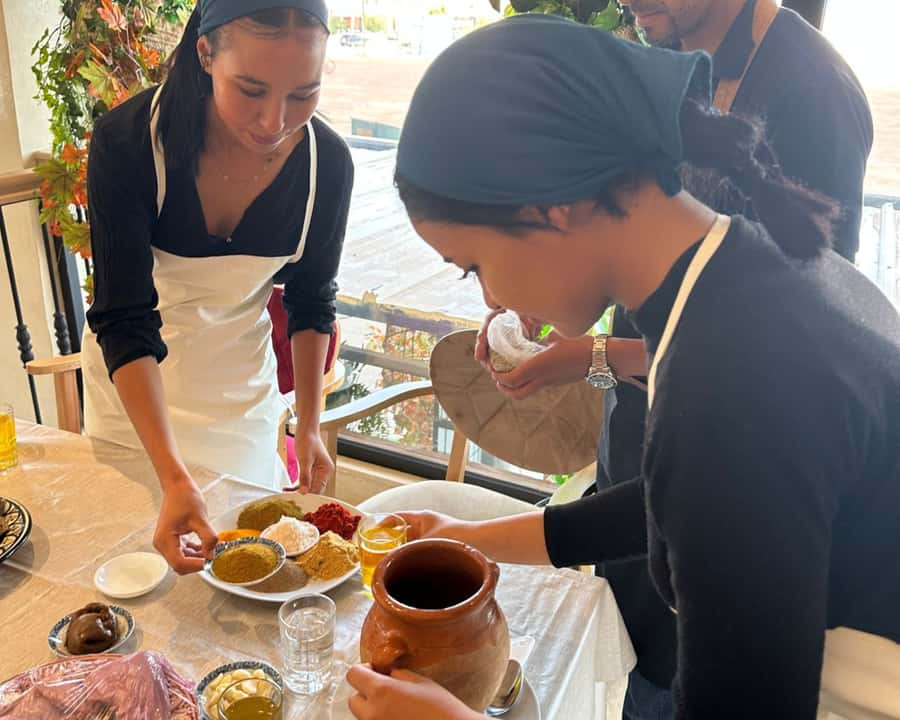
At $31 per person, the package includes much more than the cooking itself. You receive hotel pickup and drop-off, mint tea, water, the meal, chef-led instruction, and a certificate. That makes the cost easier to justify than a class where you must pay separately for a taxi and lunch.
The value also depends on how you use your time. Three hours is long enough to cook, eat, and talk without taking up a full day. You do not need to organize transport to an unfamiliar restaurant, and you leave with a method you can try at home.
The certificate is a pleasant souvenir, though it is not the main reason to book. The real value is the combination of food, local contact, and a look inside a restaurant kitchen.
Remember that pickup time can stretch beyond the stated three-hour activity. If your riad is far from the restaurant or if several people are collected, the total outing may be longer. Ask for the confirmed pickup details and keep the rest of your day flexible.
Practical details for a smoother class
The activity is wheelchair accessible, though hotel access and medina streets can still affect where the vehicle meets you. Tell the provider your preferred pickup and drop-off location in advance.
The class is offered with live instruction in English, French, or Arabic. If you need a particular language, select carefully when booking or confirm it before the day.
Pets are not allowed. The provider supplies tea and water, but the available information does not promise accommodation for every dietary restriction. If you avoid meat or have allergies, raise the issue before booking and ask what menu can be prepared.
Wear comfortable clothing that you do not mind wearing in a kitchen. No special cooking background is required. I would also bring a phone for notes or photographs, but keep it out of the way while the group is working.
Free cancellation is available up to 24 hours before the activity for a full refund, and you can reserve now and pay later. Those terms are helpful when your Marrakech schedule is still changing.
Should you book the Chouf l’Or cooking class?
I would book this if you want a friendly, useful introduction to Moroccan food and prefer doing something active over sitting through another sightseeing stop. The combination of hotel transport, a working restaurant kitchen, a relaxed chef, and lunch for $31 is hard to fault.
Choose it especially if you are curious about tajine, want to learn about preserved lemon, or are traveling with people who enjoy food more than formal tours. Chef Mourad is a particularly strong match for anyone who values humor and patient explanation, though the instructor may be Ahmed, Amine, or another member of the team.
I would skip it only if you want an intensive culinary course or a large, elaborate meal. The menu is focused, the dessert is simple, and the teaching covers approachable basics. For most visitors, that is exactly why the class works: you cook, you eat, you meet people, and you leave with a Moroccan dish you can attempt at home.
FAQ
How long does the Marrakech cooking class last?
The cooking class lasts about three hours. Pickup and drop-off may add extra time, especially if several hotels or riads are involved.
What dishes will I prepare?
The class generally includes a Moroccan salad, a tajine main course, and Orange de Cannelle, an orange and cinnamon dessert. Chicken with preserved lemon is a common tajine preparation, and the chef may explain versions using beef, lamb, or vegetables.
Is hotel pickup included?
Yes. Pickup and drop-off in Marrakech are included. If a car cannot reach your hotel or riad, you receive a nearby walking meeting point.
What languages are available?
The live tour guide service is available in English, French, and Arabic.
Will I eat the food I cook?
Yes. Lunch featuring the dishes prepared during the class is included, along with tea and water.
Is the activity suitable for children?
The class is suitable for beginners and can work for families. A seven-year-old child was able to participate, but adults should supervise children around the working kitchen, hot cookware, and utensils.
Can I cancel the booking?
You can cancel up to 24 hours before the activity for a full refund. A reserve-now, pay-later option is also available.
Just added in Marrakech
- Quad Ride In The Agafay Desert★ 5.0 · 39 reviews
- Quad Biking Agafay desert★ 5.0 · 20 reviews
- Marrakech: Tailor-Made City Tour With Your Own Private Guide★ 4.9 · 236 reviews
- Surf Training and Lunch on Essaouira Day Trip from Marrakech★ 4.9 · 51 reviews
- Essaouira: Surf Trip from Marrakech★ 4.9 · 31 reviews
- Marrakech palm grove: Sunset camel ride★ 4.8 · 194 reviews
- Marrakech : Agafay Desert Sunset Camel Ride & Luxury Dinner★ 4.3 · 39 reviews
- Marrakech: Sunrise Desert Tour with Camel Ride and Breakfast★ 4.4 · 36 reviews
Cooking Classes, compared.
Traditional Moroccan Cooking Class & Market Visit
Read our review →
Moroccan Dishes Cooking Class with a Local Chef
Read our review →
Moroccan Cooking Class & Marrakech Market Visit with Chef Khmisa
Read our review →
Half-Day Cooking Class with Local Chef Laila in Marrakech
Read our review →
Marrakesh cooking class with chef Hassan – Local dishes
Read our review →Browse the lists this tour appears in