

Reviewed · COOKING CLASSES
Marrakech: Moroccan Cooking Class with Amazing Local Chef!
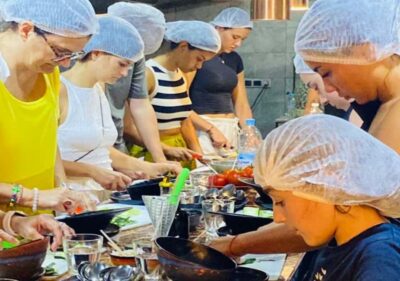
A Moroccan cooking class is one of the best ways to get past the restaurant table. Here, you prepare a four-course meal in a traditional riad or farmhouse, starting with mint tea and pastries before moving to tagines, salads, bread, and dessert. Chef Chafik and his team explain each step in plain language, with family food traditions folded into the lesson.
I especially like the hands-on cooking, since you are not just watching a chef work, and the chance to make m’smen, the flaky Moroccan flatbread often served with honey and dips. The shared meal also gives the class a friendly, social feel. The main drawback is that the meeting point can be hard to spot from the street, since the building may have no outside sign.
Key points at a glance
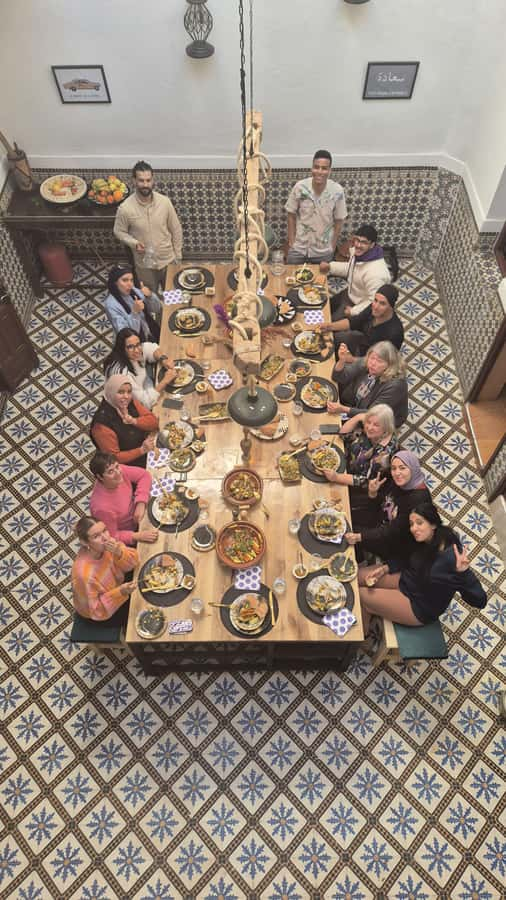
- A four-course Moroccan meal: Prepare two salads, a tagine, m’smen bread, and a sweet finish.
- Tea comes first: Your welcome includes Moroccan mint tea, pastries, and a short introduction to the kitchen.
- Several local hosts: Chef Chafik, Fatima, Mehdi, Chaima, and other team members have led sessions, depending on the day.
- Useful cooking skills: Learn how clay tagines are arranged, how spices are balanced, and how to stretch and cook m’smen.
- A social meal afterward: Sit down with the group and eat the food you prepared, with more mint tea.
- Good practical value: At $45 per person for four hours, the price includes ingredients, equipment, instruction, the meal, and recipe cards.
Starting with tea at ArtEscape Marrakech
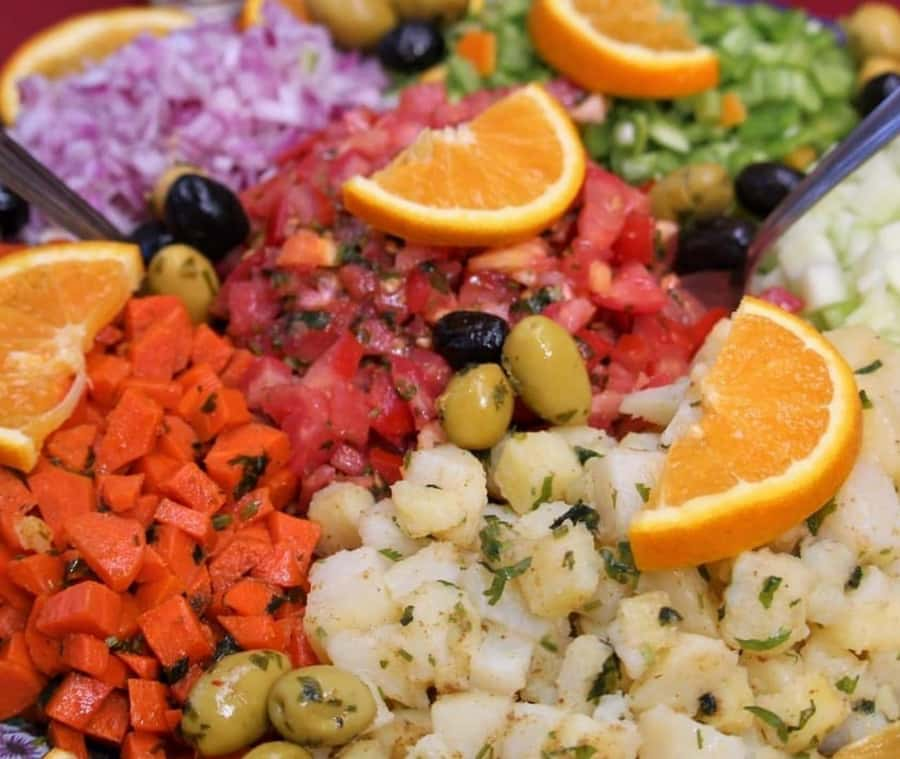
The class begins at 10:30 a.m. and ends around 2:30 p.m. Arrive about 15 minutes early, since the welcome tea and introduction are part of the experience rather than an afterthought.
The meeting point is ArtEscape Marrakech. Use Google Maps for the exact pin, and look for door number 312. One useful warning: the building may not have a sign outside. If you arrive at the right number and feel unsure, ring the bell rather than walking away.
You can use Uber or InDrive to reach the location. The instructions specifically suggest these services as easier than local taxis. Some bookings have included pickup and drop-off, but you should confirm the arrangement after booking rather than assume it is part of every reservation.
Once inside, you receive mint tea and Moroccan pastries. This opening matters because tea is not just a drink in Morocco. It is part of the welcome, a chance to slow down, meet the chef, and settle into the group before knives and cooking bowls appear.
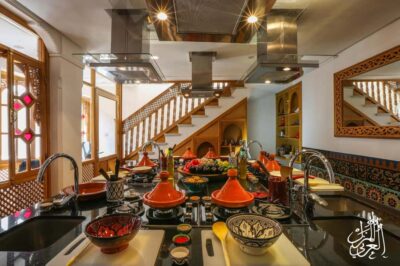
The setting may be a traditional riad in Marrakech or a farmhouse. The supplied details do not guarantee one exact venue for every date, so check the confirmation if the location matters to you. In either case, expect a purposefully arranged cooking space rather than a standard restaurant kitchen.
Other cooking classes in Marrakech people book:
- Marrakech: Moroccan Cooking Class with Pickup
★ 4.6 · 1,862 reviews - Marrakech: Traditional Moroccan Cooking Class & Market Visit
★ 4.8 · 1,861 reviews - Marrakesh: Moroccan Dishes Cooking Class with a Local Chef
★ 5.0 · 1,615 reviews
Learning the spice balance behind Moroccan food
The chef introduces the ingredients and explains how Moroccan cooking builds flavor gradually. The class focuses on fresh, seasonal produce and the careful use of spices, rather than on complicated restaurant tricks.
You will hear about Berber cooking methods and the way Moroccan food has been shaped by North African and Mediterranean influences. The cultural material is tied to what you are doing with your hands, which makes it easier to remember. You are not sitting through a long lecture before cooking begins. You are learning why an ingredient is used while preparing it.
That practical approach suits beginners. The guides explain each step clearly in English, French, and Arabic, and you can ask questions as you work. Chef Chafik is known for using humor and simple directions, while Fatima and other team members help keep everyone involved.
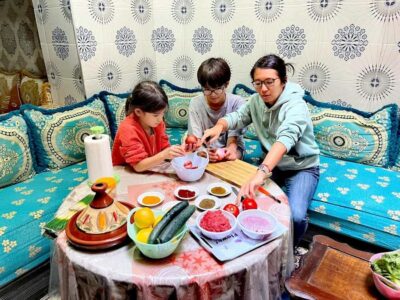
This is also a useful class for families. Teenagers have taken part successfully, and one family described the cooking as a shared activity with plenty of laughter. Babies under one year are not considered suitable for the class, but older children can take part if they are comfortable helping with food preparation and sitting through a four-hour session.
Preparing two Moroccan salads
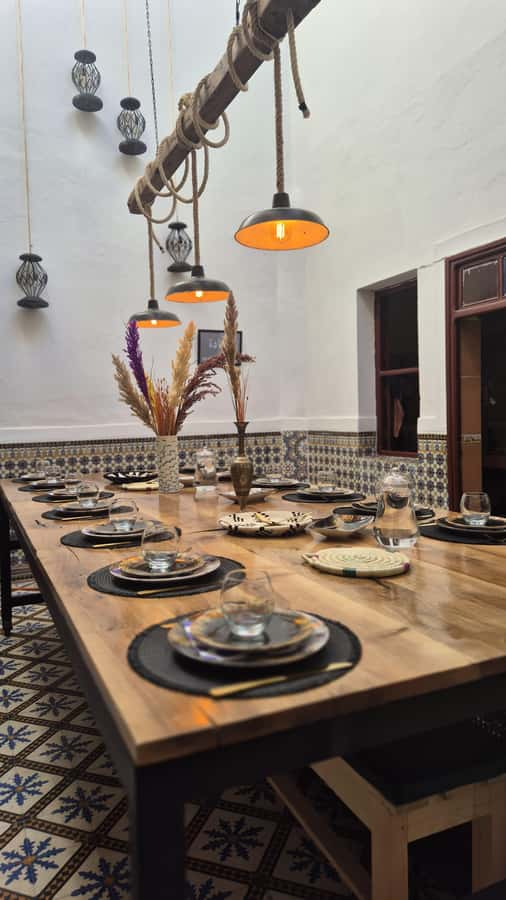
The first major cooking stage includes two Moroccan salads. These are not simply side dishes added to fill out the menu. They show how Moroccan meals balance warm, slow-cooked food with fresh, seasoned vegetables.
The exact salads can vary, but past sessions have included vegetable preparations and beetroot. One class also served fresh beetroot juice, made with beetroot, oranges, lemon, and mint. Treat that detail as an example rather than a fixed promise, since the menu can change with the session and ingredients.
This part of the class is a good chance to watch how the chef handles seasoning. Moroccan food is not automatically hot with chili. Its character often comes from a measured combination of spices, herbs, citrus, sweetness, and salt. You will get more from the class if you taste as you go and ask why each ingredient is added.
The salads also help keep the pace moving while the tagine cooks. You prepare food in several stages, rather than waiting for one dish to finish before starting the next.
Building a chicken or vegetable tagine
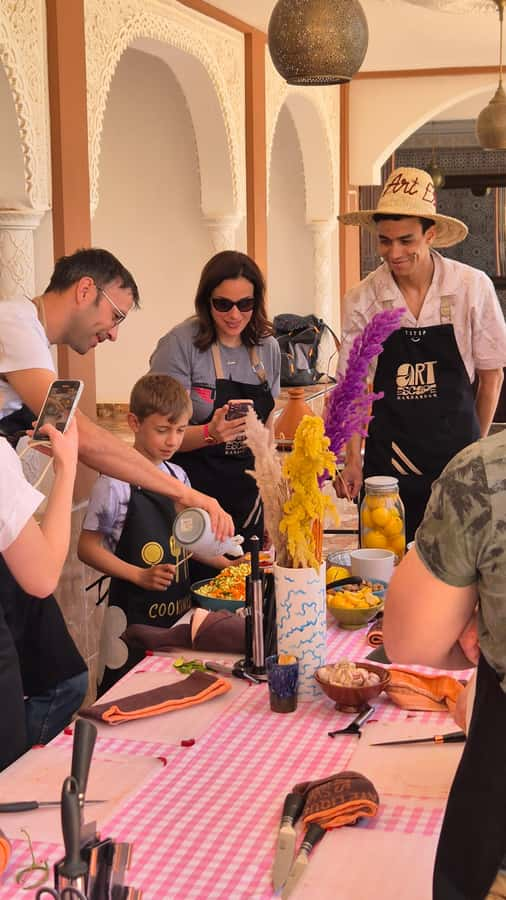
The tagine is the centerpiece. You prepare either a meat-based version, often chicken, or a vegetable option. Reviews of individual sessions describe chicken tagines, vegetable tagines, and both being made in the same class.
The chef shows you how to arrange the ingredients in the clay pot before cooking. That is a small but useful detail. A tagine is not just a stew placed in any pot. The shape of the vessel helps steam circulate and keeps moisture in as the food cooks slowly.
You will prepare the vegetables and meat, season the dish, and leave it to cook while the rest of the meal comes together. The long cooking time gives you a clear lesson in Moroccan kitchen timing. You start the dish early, then make bread and prepare other food while the tagine develops its sauce.
This is where a four-hour class earns its keep. You get to see the process from raw ingredients to finished meal, not just receive a prepared tagine at the end. You also learn a method you can repeat at home, even if you do not own a traditional clay pot.
Vegetarians should state their requirements during booking. Vegetarian options are available, and the organizers ask you to provide allergy information, dietary restrictions, or special requests in advance. Do not wait until the cooking begins, since the menu depends on preparation choices made early in the session.
More cooking in Marrakech:
- Moroccan Cooking Class & Marrakech Market Visit with Chef Khmisa
★ 5.0 · 1,504 reviews - Half-Day Cooking Class with Local Chef Laila in Marrakech
★ 5.0 · 952 reviews - Marrakech: Moroccan Cooking Class with a Local Family
★ 4.9 · 668 reviews - Marrakech: Moroccan Cuisine Cooking Class in Local Home
★ 4.8 · 508 reviews
Making m’smen, the flaky Moroccan flatbread
The bread lesson may be the most memorable part for many people. M’smen is a layered Moroccan flatbread made with semolina flour. You shape and cook your own portion under the guidance of the chef or assistants.
The technique takes more care than ordinary flatbread. You work the dough and add the fat needed to create its flaky texture, then cook it until the layers are ready. The class gives you time to practice rather than simply showing you one perfect piece.
The finished bread may be eaten with honey, nut butter, or sunflower oil while the tagines continue cooking. That gives you a welcome snack during the class and shows how bread fits into everyday Moroccan eating.
I would pay close attention here and take notes. The recipe cards are useful, but m’smen depends partly on touch and timing. If your first piece is not perfectly shaped, that is part of the fun. The class is designed for participation, not a pastry competition.
Sitting down to eat what you made
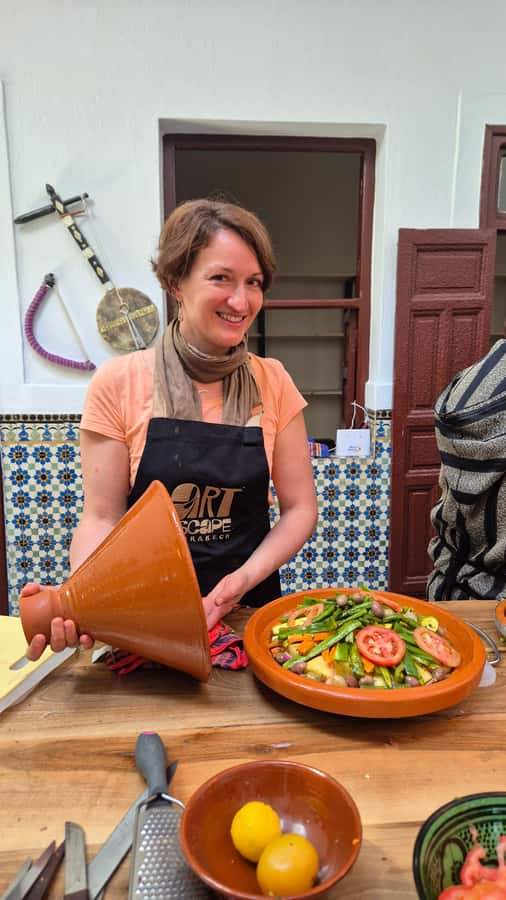
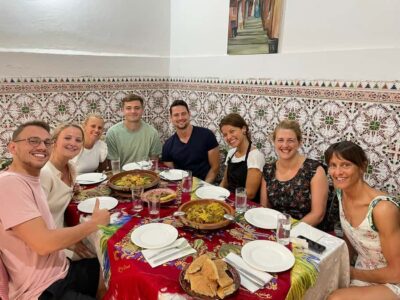
After the cooking, everyone sits down together. You eat the salads, tagine, bread, and dessert in the same setting where you prepared them, usually with another serving of mint tea.
The shared meal is an important part of the class. Cooking gives you a task to focus on, but eating together gives the experience its social side. Groups can include people from several countries, and the kitchen setup encourages cooperation rather than keeping everyone at separate workstations.
The food has received particularly strong praise. Past menus have included chicken and vegetable tagines, fresh salads, m’smen with honey, Moroccan pastries, and blended beetroot juice. One point to note is that the dessert may be a juice or simple sweet finish rather than a complex pastry course. If a substantial dessert is important to you, ask what is planned for your date.
The meal is also a useful test of the cooking lesson. You can see how the seasoning worked, compare the tagine with the salads, and ask questions while the dishes are still fresh in your mind.
Meeting the chefs and learning family traditions
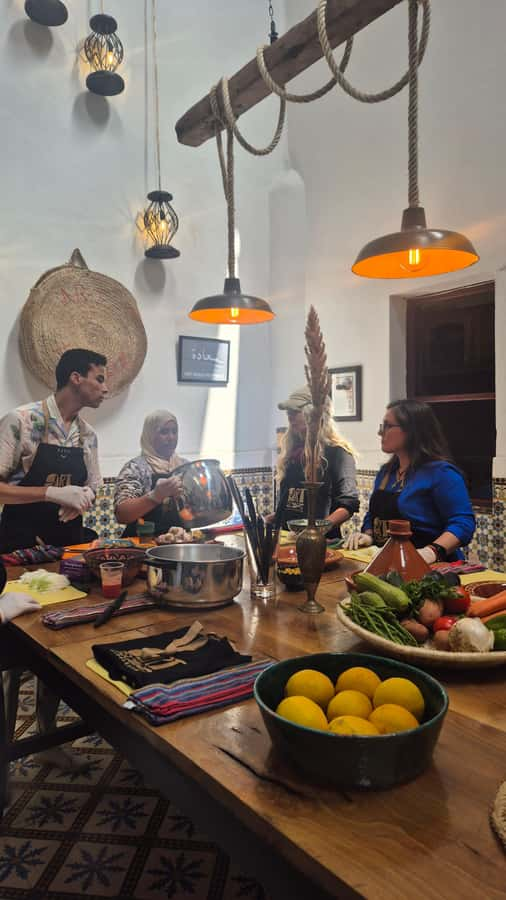
The people leading the class shape the experience as much as the food. Chef Chafik has been praised for his humor, clear instructions, and warm manner. Fatima has helped demonstrate m’smen and shared her connection to Moroccan food. Other sessions have been led by Mehdi, Chaima, and additional members of the team.
The exact staff may vary, but the format stays personal. You hear stories about family cooking, Moroccan food customs, and how recipes are passed between generations. This is where the class feels different from a generic cooking demonstration. The food is connected to daily life and family practice.
The language setup is strong for an international group. Instruction is available in English, French, and Arabic, and the team makes an effort to include people who speak different languages. If you have a detailed question, ask it early and clearly, then confirm you have understood the answer before moving on to the next task.
The facilities have also been described as clean and well organized. That matters in a cooking class, especially when several people are chopping, mixing, and sharing tools. Still, this is a working kitchen and a group activity. Expect some movement and shared preparation rather than a private lesson with one station per person.
Is four hours the right length?
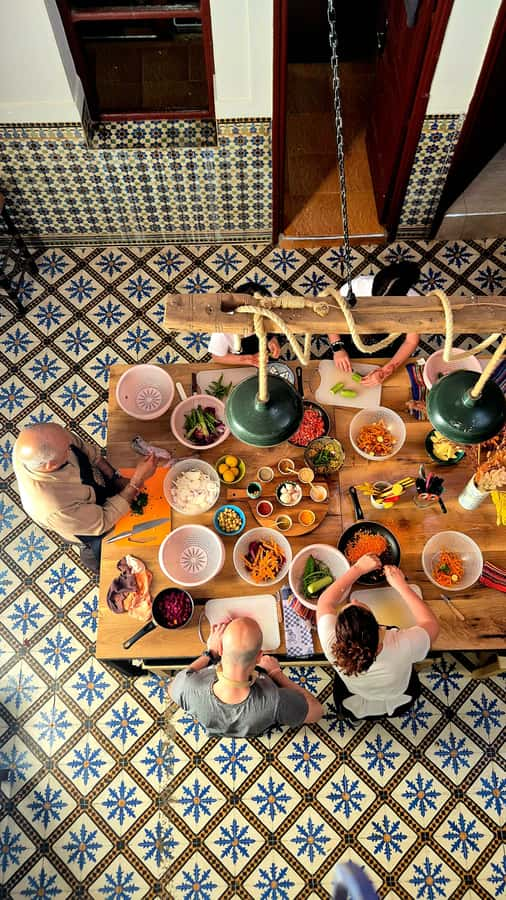
Four hours gives the class enough time to cover several dishes without reducing the tagine to a rushed demonstration. The 10:30 a.m. start also places the main meal around lunchtime.
You should wear comfortable shoes. You will be standing and moving around during food preparation, and practical clothing is more useful than anything delicate. Bring a camera if you want pictures of the setting, ingredients, or finished food, but keep it out of the way while knives and hot cookware are in use.
The class is wheelchair accessible. If you need a particular arrangement, contact the organizers with your requirements before the day so they can confirm the setup.
The experience is not suitable for babies under one year. Pets, alcohol, and drugs are not allowed. Those rules are simple, but they help keep the cooking space safe and focused.
What $45 includes, and where the value lies
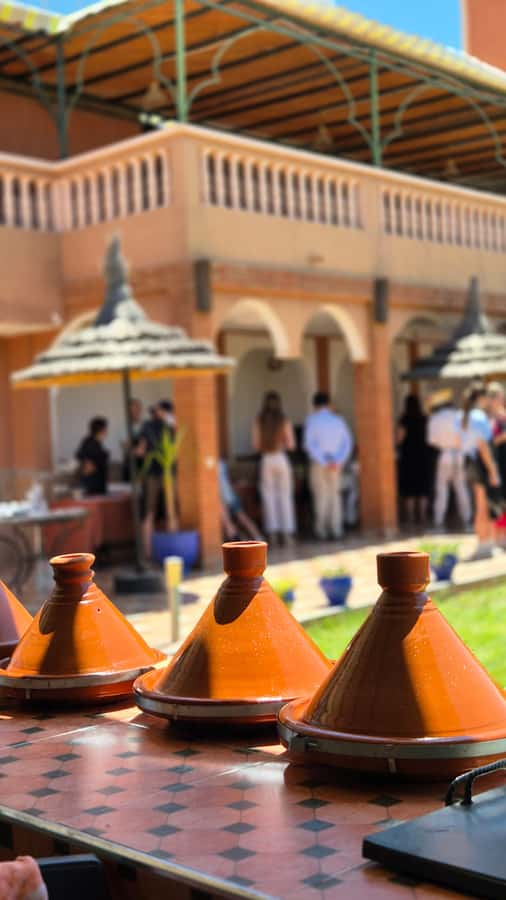
At $45 per person, this is good value if you want more than a meal. The fee covers four hours, fresh seasonal ingredients, cooking utensils, instruction, tea, pastries, the shared meal, and recipe cards to take home.
You are also paying for several experiences in one: a cultural introduction, a practical lesson, and lunch. A restaurant meal might cost less, but it would not show you how to balance the spices, cook in a tagine, or make m’smen.
The recipe cards add lasting value. You can try the dishes again after returning home, though you may need to adapt the method to your own cookware and the ingredients available locally.
The main value question is your preferred travel style. If you want a quick meal and a free afternoon, this class may feel long. If you enjoy meeting people, asking questions, and learning by doing, four hours gives you a worthwhile look at Moroccan food culture.
Cancellation is free up to 24 hours before the start time, and you can reserve now and pay later. That flexibility helps if your Marrakech plans are still changing.
Who should book this Marrakech cooking class?
I would recommend it to first-time visitors who want a direct introduction to Moroccan food. It also suits home cooks, families with older children, couples, and solo visitors who like joining a small social activity.
You do not need professional kitchen skills. The instructions are designed for beginners, and the team guides you through each part. You should, however, be ready to participate. This is not a show where you sit back while someone else does all the work.
The class is a good choice for vegetarians, provided you explain your needs during booking. It can also work for mixed groups with different food preferences, since both chicken and vegetable tagines have been prepared.
I would be more cautious if you need a guaranteed dessert course with a baked or elaborate sweet. The final course can be simple, and some sessions have used blended beetroot juice as the sweet finish. Check the planned menu if that detail matters.
Should you book it?
Book this class if you want to learn a few practical Moroccan recipes while sharing a meal with local hosts. The strongest reasons are the clear guidance, the chance to make m’smen and tagine yourself, and the warm connection to family cooking traditions.
Allow extra time to find door 312, arrive early, and confirm transport and dietary details before the day. With those small points handled, $45 buys a useful four-hour introduction to Moroccan food, not just another lunch in Marrakech.
FAQ
How long does the Moroccan cooking class last?
The class lasts four hours. The morning session runs from 10:30 a.m. to 2:30 p.m.
Where does the cooking class meet?
The meeting point is ArtEscape Marrakech. Use Google Maps for the exact location and look for door number 312.
Is the building easy to identify?
The building may not currently have an outside sign. If you are at door number 312, ring the bell if you are unsure.
What food will I prepare?
You will prepare two Moroccan salads, a tagine of your choice, m’smen bread, and a dessert or sweet finish. Menus can vary, and past sessions have included chicken and vegetable tagines.
Are vegetarian options available?
Yes. Vegetarian options are available. Tell the organizers about dietary restrictions, allergies, or special requests during booking.
What languages are spoken during the class?
The activity is conducted in English, French, and Arabic.
Is the activity wheelchair accessible?
Yes, the activity is listed as wheelchair accessible.
What should I bring?
Bring comfortable shoes and a camera. Comfortable footwear is useful during the food preparation.
Can I cancel the booking?
Yes. You can cancel up to 24 hours in advance for a full refund. You can also reserve now and pay later.
Just added in Marrakech
- Quad Ride In The Agafay Desert★ 5.0 · 39 reviews
- Quad Biking Agafay desert★ 5.0 · 20 reviews
- Marrakech: Tailor-Made City Tour With Your Own Private Guide★ 4.9 · 236 reviews
- Surf Training and Lunch on Essaouira Day Trip from Marrakech★ 4.9 · 51 reviews
- Essaouira: Surf Trip from Marrakech★ 4.9 · 31 reviews
- Marrakech palm grove: Sunset camel ride★ 4.8 · 194 reviews
- Marrakech: Sunrise Desert Tour with Camel Ride and Breakfast★ 4.4 · 36 reviews
- Marrakech : Agafay Desert Sunset Camel Ride & Luxury Dinner★ 4.3 · 39 reviews
Cooking Classes, compared.
Traditional Moroccan Cooking Class & Market Visit
Read our review →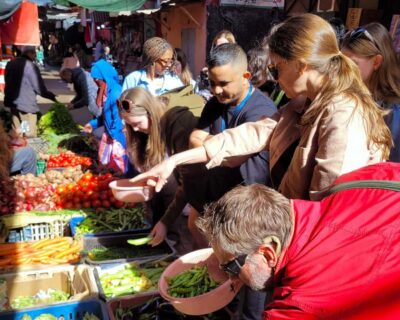
Moroccan Dishes Cooking Class with a Local Chef
Read our review →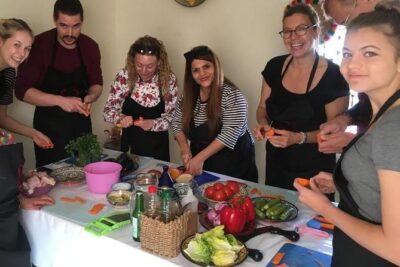
Moroccan Cooking Class & Marrakech Market Visit with Chef Khmisa
Read our review →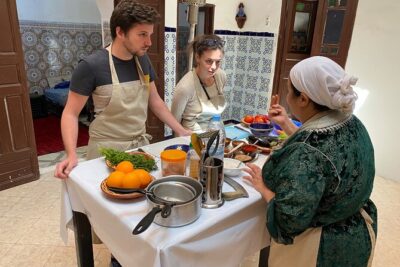
Half-Day Cooking Class with Local Chef Laila in Marrakech
Read our review →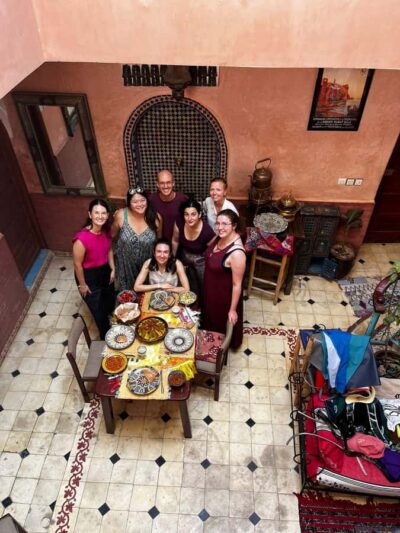
Browse the lists this tour appears in