
Reviewed · COOKING CLASSES
Moroccan Food Cooking Class with a Local Chef in Marrakech
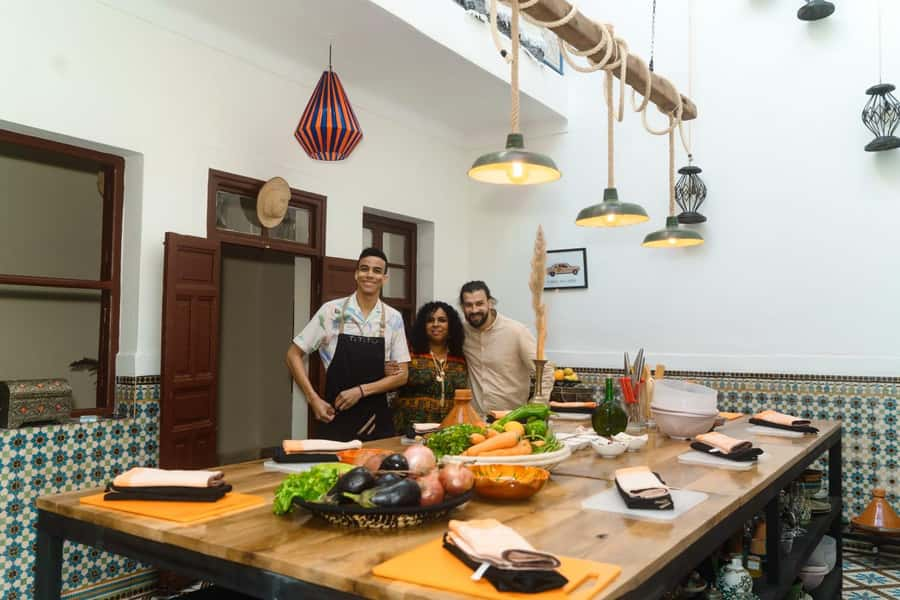
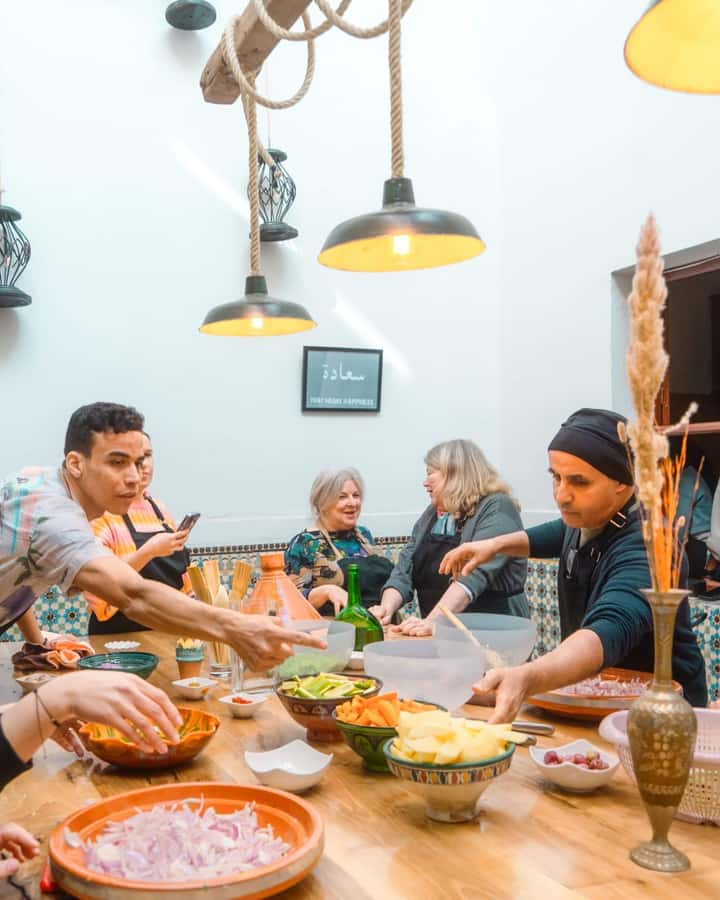
The best part of this Marrakech cooking class is that you do more than watch a chef work. You chop, peel, season, brew mint tea, and sit down to eat food you helped prepare. The class often covers tagine, cooked salads, and Moroccan crepes, with three or four dishes prepared in one session.
I like the friendly, hands-on teaching and the chance to learn Moroccan food customs while you cook. I also like that recipes are sent afterward, so your class can continue in your own kitchen. The main concern is timing: pickup changes have caused long delays, and the market visit described in the plan may not take place.
Key points to know before booking
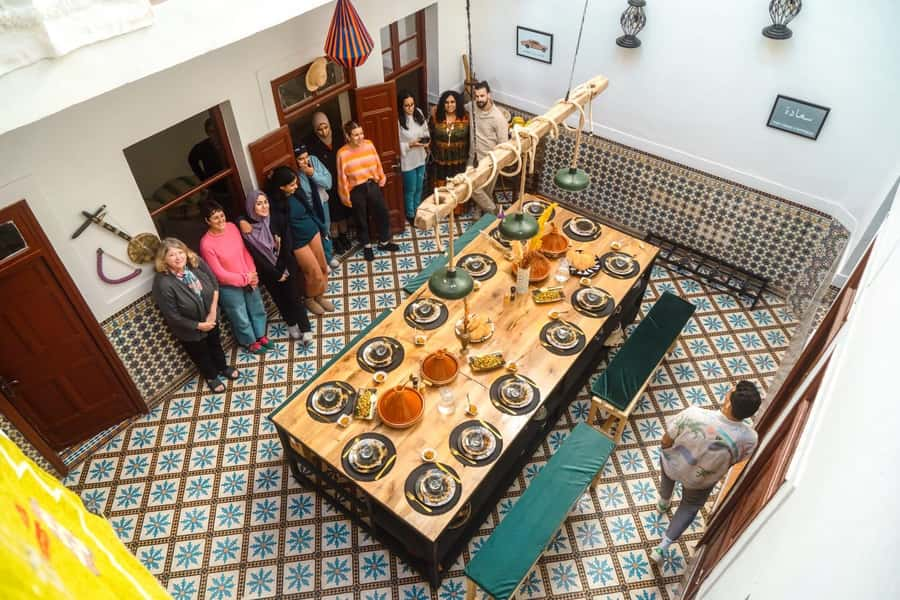
- Morad and Yassine may lead the class: Both are praised for clear instruction, good humor, and patient guidance.
- Expect several dishes, not just one tagine: A typical session includes one tagine, two cooked salads, and a traditional crepe.
- The market visit is not guaranteed: It is part of the stated plan, but some sessions have gone straight to the restaurant.
- Plan on more than the listed 210 minutes: The cooking itself can run long, and pickup or return delays may affect the rest of your day.
- Mint tea is part of the welcome: You learn the traditional preparation and drink tea while getting acquainted.
- The $40 price covers a full meal: Guide, cooking lesson, bread, water, tea, and the food you prepare are included.
What the Marrakech cooking class really offers
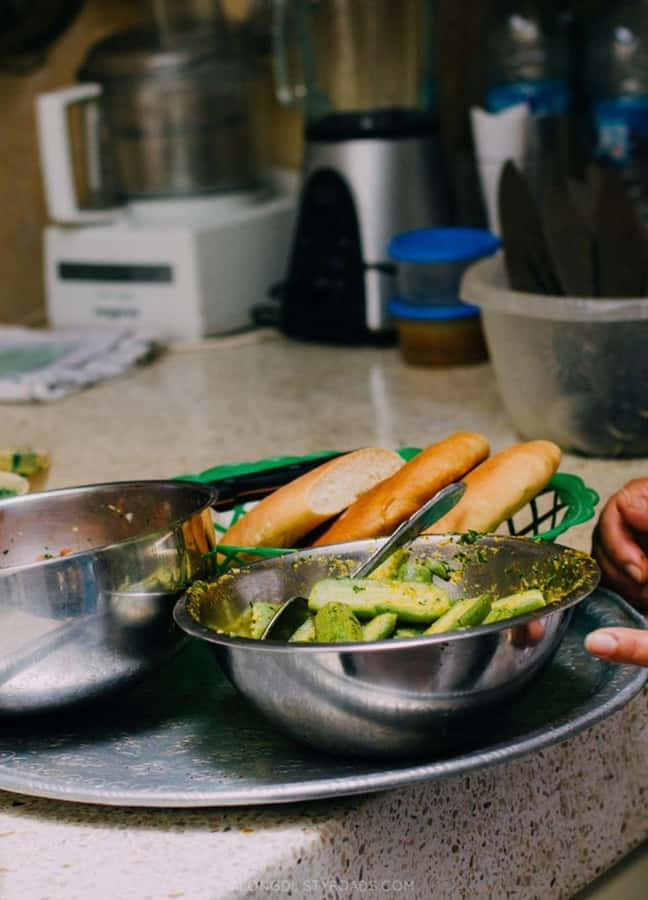
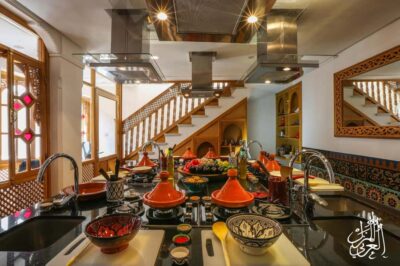
This is a practical introduction to Moroccan home cooking rather than a formal chef school. You work with a local instructor, prepare several dishes, and eat the results at the end. The setting may be a professional restaurant outside the central medina, not necessarily a family home, so set your expectations accordingly.
The class is listed at 210 minutes, or three and a half hours. In practice, the food preparation and meal can take close to four hours, especially when transport is included. That relaxed pace can be a pleasure if you have an open afternoon. It is a poor fit if you have a fixed museum booking, airport transfer, or dinner reservation immediately afterward.
The class costs $40 per person. I consider that a fair price for a guided lesson, a meal, tea, bread, transport arrangements, and several recipes. You are not paying only for lunch. You are paying for instruction and a chance to understand how Moroccan cooks build flavor with spices, vegetables, and slow cooking.
Other cooking classes in Marrakech people book:
- Marrakech: Moroccan Cooking Class with Pickup
★ 4.6 · 1,862 reviews - Marrakech: Traditional Moroccan Cooking Class & Market Visit
★ 4.8 · 1,861 reviews - Marrakesh: Moroccan Dishes Cooking Class with a Local Chef
★ 5.0 · 1,615 reviews
Pickup matters more than it should
Hotel pickup is part of the experience, and you are asked to provide a WhatsApp number and hotel address. Communication with the driver has been excellent in some cases, and one booking reported punctual transfers. That is the good side of having transport arranged.
The weak point is reliability. A class advertised for 10:00 has sometimes shifted to an 11:25 or 11:30 pickup, with another delay after that. One person arrived to find the group already cooking and was placed at a separate table. Another missed the class after a schedule change and unsuccessful attempts to get a response.
I would confirm the pickup time on WhatsApp the day before and again on the morning of the class. Keep your afternoon free. If your schedule is tight, choose a day when a late return will not cost you a major reservation.
The meeting point may be away from central Marrakech, at a restaurant on the outskirts. This is useful to know because you may not be cooking in the middle of the souks. The setting can still work well for a cooking lesson, but it offers less of the old-city atmosphere suggested by the market portion of the plan.
The market stop, when it happens
The planned opening is a short visit to a nearby local market. You go with your guide to pick up vegetables and other supplies. This part can be especially valuable because food shopping shows you how Moroccan cooking begins before the pots appear.
You can learn how ingredients are selected, which vegetables are in season, and how a local cook thinks about the meal. The market also gives you a quick look at ordinary daily life rather than only the polished sights presented to visitors.
But do not treat the market as guaranteed. Several sessions have skipped it without a clear explanation and gone directly to the restaurant. The cooking still took place, but an important part of the promised experience was missing.
If the market matters to you, ask about it when confirming pickup. If it is not available that day, you can still enjoy the lesson, but you should know that the experience becomes a restaurant-based cooking class rather than a shop, cook, and eat outing.
Starting with Moroccan mint tea
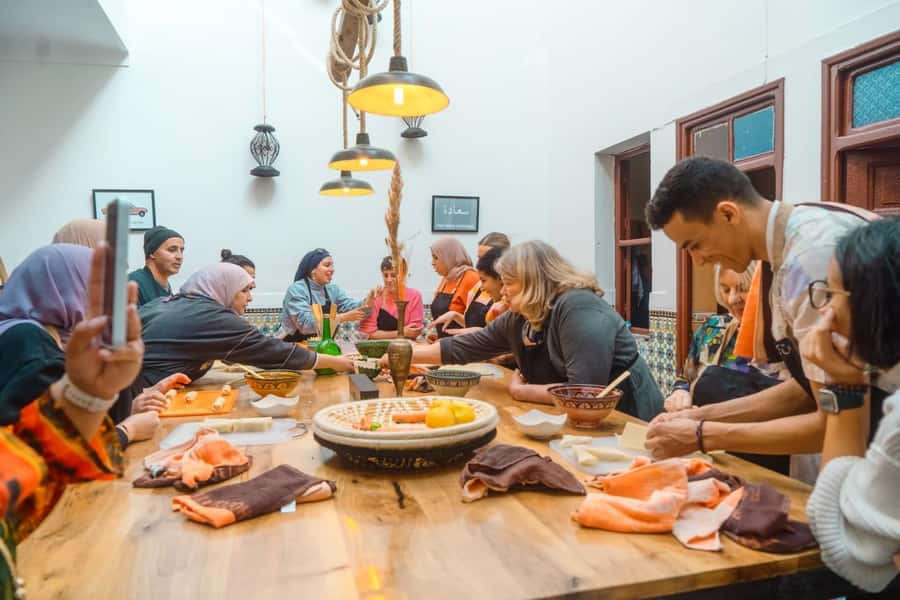
Once you arrive, the class usually begins with Moroccan mint tea. You learn the traditional method, then drink tea while getting acquainted with the guide and the other people in the group.
This is more than a pleasant drink before lunch. Tea is central to Moroccan hospitality, and preparing it gives you an early lesson in local custom. The ritual also creates a calm start before the cutting boards and spice bowls appear.
You should expect the tea to be part of the social side of the class. It gives the chef time to explain Moroccan traditions, family habits, and food customs in Arabic, English, or French. The guides are described as warm and easy to follow, with Morad and Yassine receiving particular praise for their instruction.
More cooking in Marrakech:
- Moroccan Cooking Class & Marrakech Market Visit with Chef Khmisa
★ 5.0 · 1,504 reviews - Half-Day Cooking Class with Local Chef Laila in Marrakech
★ 5.0 · 952 reviews - Marrakech: Moroccan Cooking Class with a Local Family
★ 4.9 · 668 reviews - Marrakech: Moroccan Cuisine Cooking Class in Local Home
★ 4.8 · 508 reviews
Cutting, peeling, and seasoning the tagine
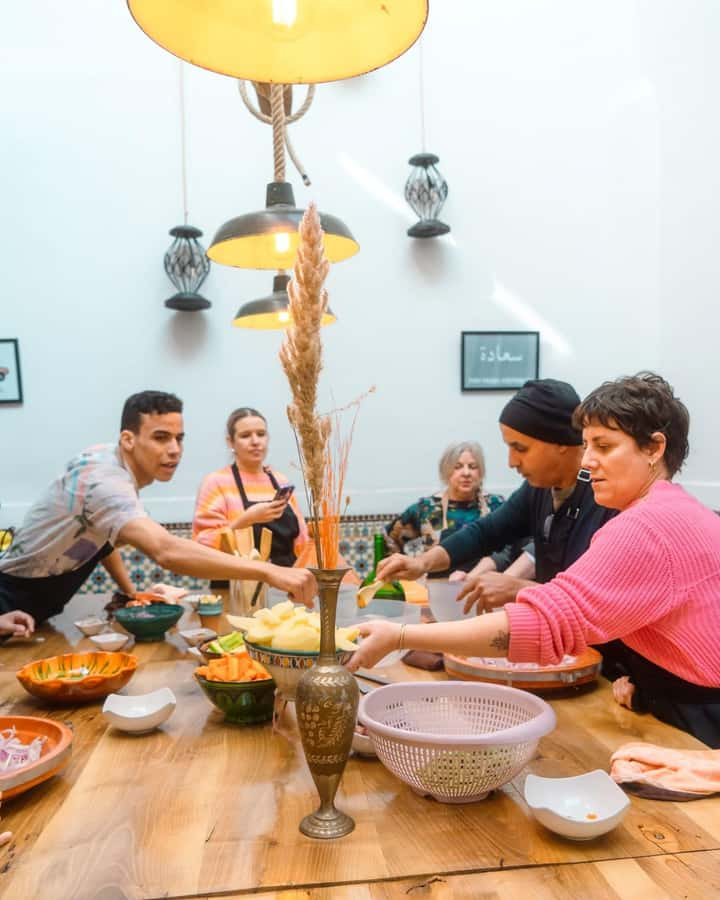
The main lesson focuses on everyday kitchen skills. You learn how to chop and peel ingredients, then season the tagine with the spices used in Moroccan homes. The aim is not just to copy a recipe. You learn the order of the work and the reasons behind the seasoning.
Tagine cooking rewards patience. Ingredients need to be prepared properly, and spices need to be used with care rather than dumped into the pot at random. The class helps you see how a few basic ingredients can become a complete meal when they are handled in the right sequence.
The precise tagine recipe can vary. One session prepared a single tagine along with two cooked salads and a traditional crepe. That is a useful picture of the class: you will probably work on a small collection of Moroccan dishes rather than spending the entire time on one pot.
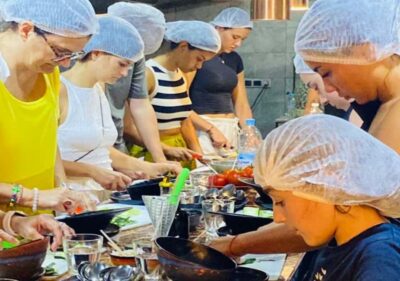
The teaching appears suited to ordinary home cooks. Instructions are kept simple, and the food is prepared as a team. You do not need professional kitchen skills to take part, though you should be ready to stand, chop, season, and share tasks with others.
Three or four dishes in one sitting
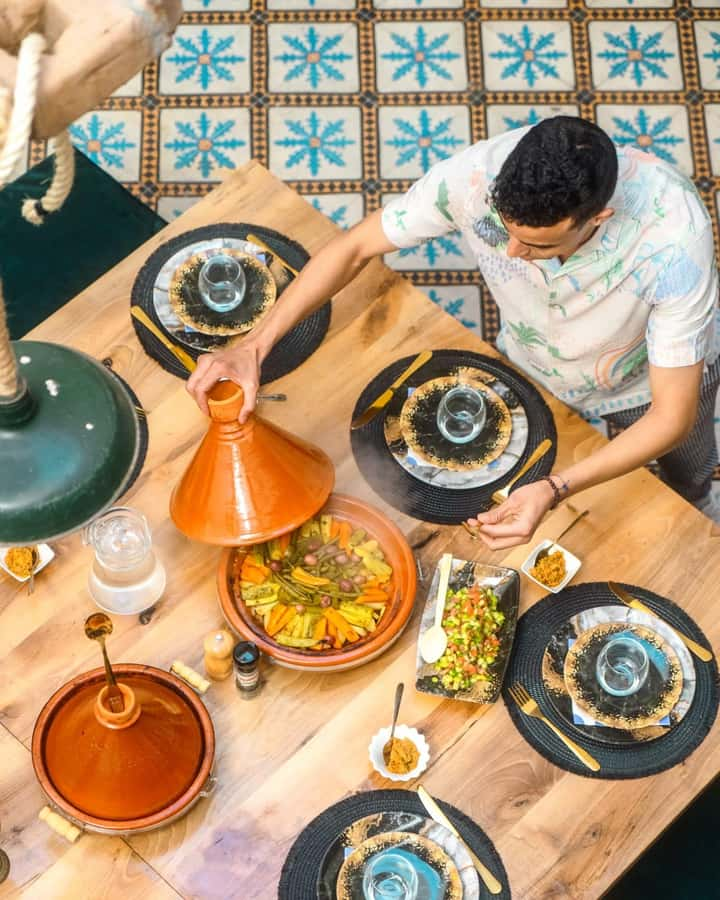
Preparing several dishes is one of the strongest reasons to choose this class. A single tagine would make a pleasant meal, but three or four recipes give you a better sense of Moroccan cooking as a whole.
Cooked salads are particularly useful for home cooks because they show how vegetables can be served with strong seasoning and a different texture from a raw salad. A traditional crepe adds another style of preparation and breaks up the heavier tagine course.
The class also covers vegan, vegetarian, and gluten-free cooking. Ask the provider about your needs before you arrive, rather than assuming every menu will automatically suit you. The information confirms that these styles can be taught, but it does not specify a fixed menu for each dietary requirement.
Working as a team is part of the format. One person may chop while another seasons or handles a different dish. This can make the class social and relaxed, though people who want one-on-one instruction at every stage may find a shared kitchen less focused.
Food stories while the pots cook
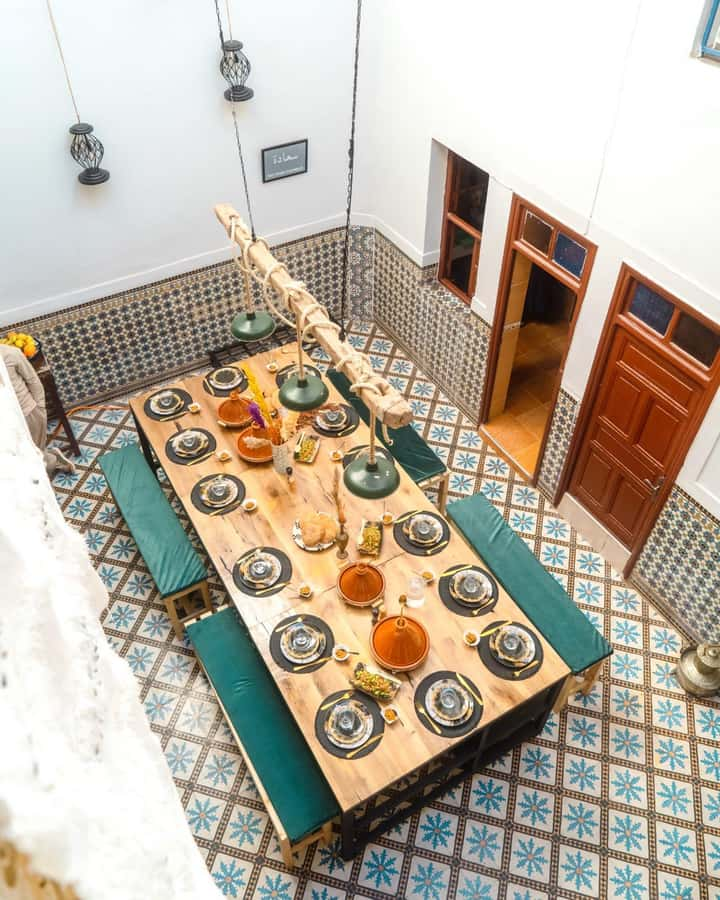
Cooking time is used for more than technical instruction. The chef discusses Moroccan traditions, culture, and history as the food comes together. This gives the recipes some context and helps explain why tea, bread, spice mixtures, and shared meals matter.
I like this approach because food is easier to remember when you understand how it fits into daily life. A spice lesson becomes more useful when you learn how families use those spices at home. A tea demonstration feels less like a performance when it is linked to hospitality.
The guides speak Arabic, English, and French. That makes the activity practical for a broad range of visitors, and the instruction is described as clear and easy to follow. Still, the amount of cultural explanation can vary with the guide and the group, so think of it as a cooking lesson with cultural discussion, not a dedicated history tour.
Sitting down to eat what you prepared
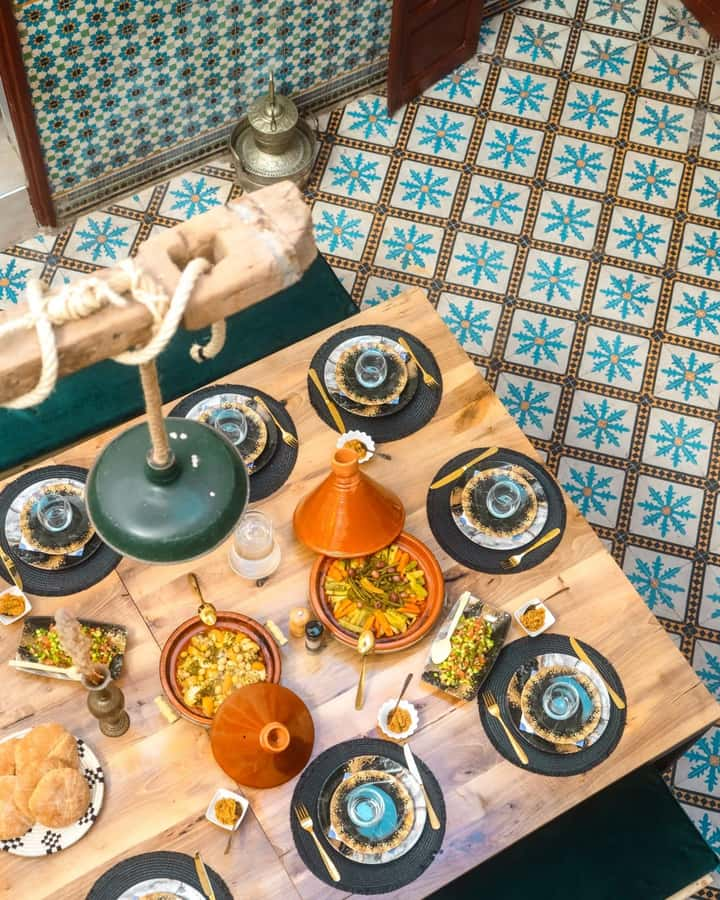
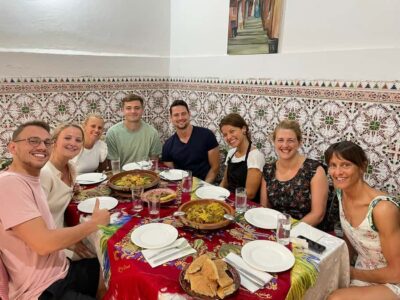
At the end, you sample and eat the food made during class. A meal and bread are included, along with water and tea. This is a satisfying finish because the dishes are not prepared only for demonstration. You sit down to enjoy the result of the shared work.
The meal also helps you judge the techniques you have just learned. You can taste how the vegetables were seasoned, how the tagine developed its flavor, and how the crepe differs from the other dishes. If you are taking notes, this is a good time to write down what you would change when cooking at home.
The meal may be generous enough to replace lunch, depending on the dishes and your appetite. I would not schedule another major food experience right afterward. The class is built around eating what you prepare, and the pace is deliberately unhurried.
Recipes you can use after Marrakech
A useful follow-up is a link to the provider’s website, usually sent in the evening. It includes the recipes prepared during class and additional dishes. That makes the $40 fee more worthwhile, since you receive something you can use after returning home.
Recipes are the difference between a pleasant holiday activity and a skill you actually keep. You can recreate the tagine for family, try the cooked salads as a side dish, and repeat the mint tea method for friends.
Do not expect a printed cookbook unless that is confirmed separately. The information describes an online link, so save the message when it arrives. If you have dietary needs, note which recipes are vegetarian, vegan, or gluten-free while the chef is explaining them.
Who will enjoy this class most
I would choose this experience if you like food, want a social activity, and have enough time to accept a slow afternoon. Couples, families, and small groups can all get something from it, especially if they enjoy sharing tasks rather than watching a demonstration.
It also suits people who want a break from sightseeing. Marrakech can be intense, and a long meal in a kitchen offers a change of pace. You come away with recipes and a better understanding of Moroccan flavors, not only photographs.
It is less suitable for anyone with a strict timetable. The class has had pickup changes, delayed returns, and a duration longer than the basic 210-minute figure may suggest. If you have a flight, hammam appointment, or timed tour later that day, leave a generous gap.
The experience is listed as wheelchair accessible. If you use a wheelchair, provide that information when booking and confirm the transport and kitchen arrangements in advance, since the available details do not explain the exact access setup.
Is $40 good value?
At $40 per person, the price is reasonable if the class runs as planned. You receive a guide, instruction, tea, water, bread, and a meal made from several dishes. You also receive recipes for later use.
The value drops if the market visit is important to you and it is skipped, or if a pickup delay ruins another paid activity. The cooking itself has been described as enjoyable and well taught, but good food cannot repair a badly managed schedule.
I would judge the price by the kind of afternoon you want. For an open day and a hands-on cultural activity, it is a sound buy. For a tightly planned visit, the risk lies less in the fee and more in the time.
Booking advice for a smoother experience
Send your hotel address and WhatsApp number accurately. Confirm the pickup time rather than relying only on the original booking hour, especially if you have planned anything afterward.
Ask two direct questions before the day begins:
- Is the market visit operating today?
- What is the expected return time to my hotel?
If the answer changes, decide early whether the revised timing still works. Keep copies of your messages, and leave a wide buffer before your next commitment.
Choose the class for the cooking and the meal first. Treat the market as a welcome extra, not the sole reason for booking. That mindset matches the parts of the experience that are most dependable: clear kitchen instruction, several Moroccan dishes, mint tea, and a shared meal.
Should you book this Marrakech cooking class?
Yes, if you want a friendly, hands-on food lesson and can keep your schedule flexible. Morad, Yassine, and the other local chefs provide the sort of direct guidance that helps beginners take part without feeling lost. The combination of tagine, cooked salads, crepes, tea, and recipes gives you plenty to take home.
I would hesitate only if you need exact pickup times or if the market visit is essential. Confirm the schedule, allow extra hours, and approach the outing as a relaxed half-day rather than a precisely timed 210-minute appointment. With that planning, this is a good-value way to eat well and learn a few Moroccan dishes you can make again.
FAQ
How long does the Moroccan cooking class last?
The stated duration is 210 minutes, or three and a half hours. The full experience can run closer to four hours, particularly when pickup, cooking, and return transport are included.
What dishes will I prepare?
A typical session includes one tagine, two cooked salads, and a traditional Moroccan crepe. The menu can vary, and some classes prepare three or four different dishes.
Is a market visit included?
A nearby local market visit is part of the planned experience, where you may help select vegetables and supplies. It is not guaranteed, since some sessions have gone directly to the restaurant.
What languages are available?
The live guide service is available in Arabic, English, and French.
What is included in the $40 price?
The price includes the guide, cooking lesson, meal, bread, water, and tea. Recipes are generally provided through a website link sent later.
Can I cancel the booking?
You can cancel up to 24 hours in advance for a full refund. A reserve now and pay later option is also available.
Just added in Marrakech
- Quad Ride In The Agafay Desert★ 5.0 · 39 reviews
- Quad Biking Agafay desert★ 5.0 · 20 reviews
- Marrakech: Tailor-Made City Tour With Your Own Private Guide★ 4.9 · 236 reviews
- Surf Training and Lunch on Essaouira Day Trip from Marrakech★ 4.9 · 51 reviews
- Essaouira: Surf Trip from Marrakech★ 4.9 · 31 reviews
- Marrakech palm grove: Sunset camel ride★ 4.8 · 194 reviews
- Marrakech: Sunrise Desert Tour with Camel Ride and Breakfast★ 4.4 · 36 reviews
- Marrakech : Agafay Desert Sunset Camel Ride & Luxury Dinner★ 4.3 · 39 reviews
Cooking Classes, compared.
Traditional Moroccan Cooking Class & Market Visit
Read our review →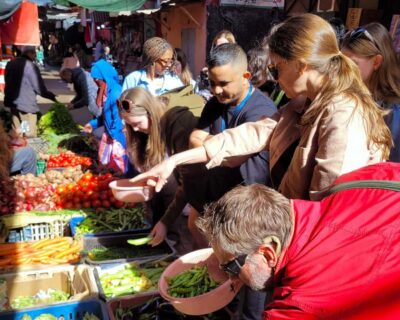
Moroccan Dishes Cooking Class with a Local Chef
Read our review →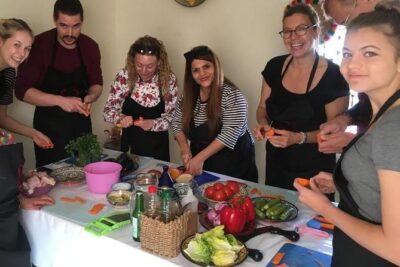
Moroccan Cooking Class & Marrakech Market Visit with Chef Khmisa
Read our review →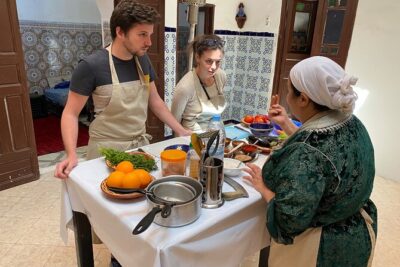
Half-Day Cooking Class with Local Chef Laila in Marrakech
Read our review →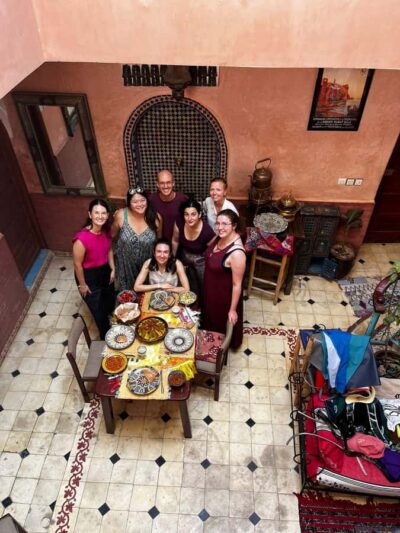
Browse the lists this tour appears in