
Reviewed · COOKING CLASSES
Old local Market visit+Moroccan cooking class with a local family
Casablanca’s best food lesson may begin far from a formal cooking school. Inas, or her brother, takes you into a local souk to choose the ingredients for your meal, then brings you home to cook with the family. You are not just watching a chef stir a pot. You are learning how food fits into ordinary Moroccan life.
I like two things here: the market visit gives context to every spice and vegetable, and the class uses recipes passed down through Inas’s mother and grandmother. I also like that you help make the meal yourself, then sit down with tea, sweets, and the family. The main consideration is timing: the four-hour visit needs a relaxed half-day, and the market is closed on Friday.
Key points at a glance
- A real neighborhood market: Choose fresh vegetables, spices, and other ingredients with Inas or her brother.
- A family-home setting: Cook in a Casablanca apartment and meet members of Inas’s family.
- Hands-on Moroccan recipes: Prepare dishes such as tagine, couscous, or pastilla using traditional methods.
- Tea is part of the lesson: Learn how to make Moroccan mint tea, then serve it with sweets.
- Flexible for dietary needs: Vegetarian and vegan cooking is welcome, and the menu can be adjusted for intolerances.
- Small-group format: The activity is limited to six people, making conversation and kitchen help easier.
Why this Casablanca cooking class feels different
Many food classes show you how to prepare a dish. This one gives you the shopping trip first, which changes the whole experience. You see the produce, spices, meat, and market displays before you learn how those ingredients become lunch or dinner.
That simple order matters. When you later chop vegetables or season a tagine, you know where the ingredients came from and why they were chosen. You also get a glimpse of shopping as a daily task in Casablanca, rather than seeing Moroccan food only as something served in a restaurant.
The class is hosted by Inas and her family. Her cooking comes from her mother and grandmother, and the visit takes place in the family home. That makes the setting more personal than a commercial kitchen, though it also means you should be comfortable with a home visit and a more informal format.
The activity lasts about four hours and costs $59 per person. For that price, you receive the market visit, ingredients, instruction, tea, sweets, and the meal you prepare. I consider that a fair value, especially since the price includes both a cultural visit and a full cooking session rather than a short demonstration.
More cooking in Casablanca:
- Private Casablanca Market Tour and Cooking Class with Chamsi
★ 5.0 · 33 reviews - Casablanca : Traditional Moroccan Cooking Class with Locals
★ 5.0 · 22 reviews - Private Market Tour & Cooking Class in Casablanca with Transfers
★ 5.0 · 20 reviews
Starting at the souk with Inas
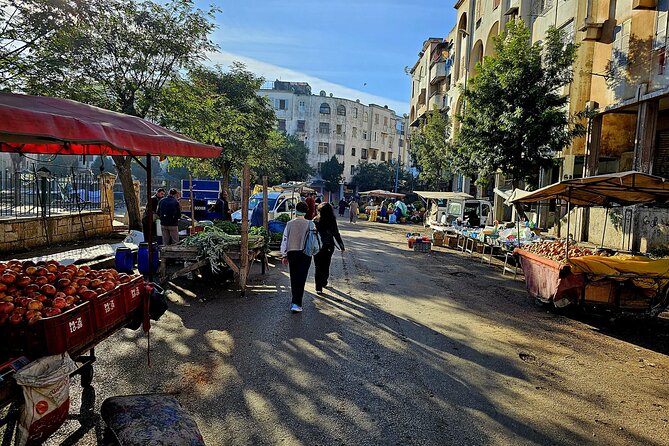
You meet at the stated Casablanca meeting point, HFGJ+9RG, Casablanca 20250. Inas or her brother then takes you to a popular local souk. The market closes on Friday, so this is the one day that requires special care when choosing your date.
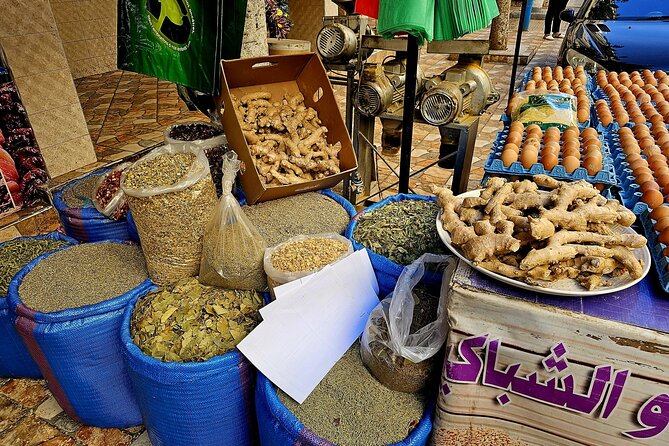
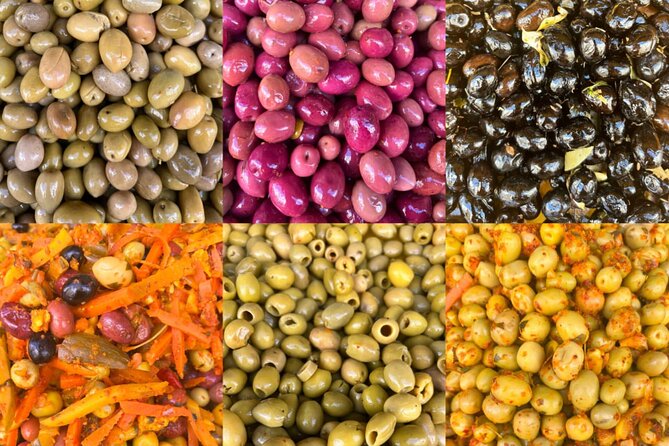
The shopping is not an extra stop tacked onto the class. It is the first lesson. You can expect to see vendors displaying fresh produce, spices, and meat, with Inas explaining what is needed for the chosen dish. The ingredients are included, so you are not asked to pay separately for the meal supplies.
This part is especially useful if you have just arrived in Morocco. You begin to recognize the ingredients that appear again and again in Moroccan cooking, and you can ask questions while standing in the place where local people buy them. The market also offers a more ordinary view of Casablanca than a sightseeing route focused only on major landmarks.
There is a practical limit to keep in mind. The description does not name a fixed market route or list every stall you will visit. The market portion is therefore best understood as a guided local shopping trip, not a formal history tour or a long market lecture.
Choosing what you will cook
The menu is not locked to one dish. You can choose from Moroccan favorites such as tagine, couscous, and pastilla, with the final plan shaped around the ingredients and your preferences.
Tagine is a natural choice for a first class. The name refers both to the earthenware cooking vessel and to the slow-cooked dish prepared inside it. Couscous offers a different lesson, with its own preparation and serving traditions. Pastilla gives you another classic option, though the class description does not promise that all three dishes will be made in one session.
This flexibility is one of the strongest reasons to contact the host clearly before the activity. If you have dietary intolerances, explain them in advance. The cooking can be adapted, and vegetarian and vegan participants are welcome.
I like the fact that you are not simply handed a finished plate. Every step is done by you with guidance from the host. You should leave with methods you can repeat at home, not just a list of ingredients or a photograph of dinner.
Cooking in a Moroccan family home
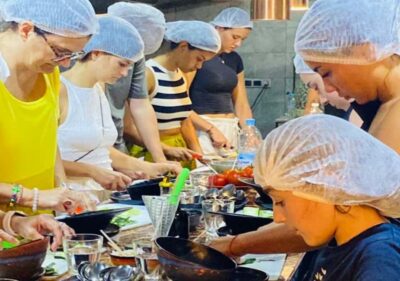
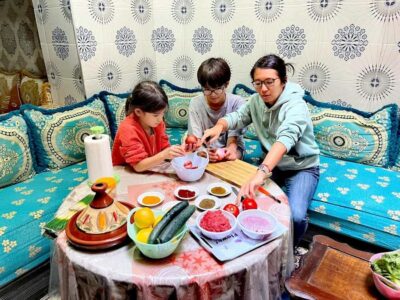
After shopping, you return to the family home and begin preparing the meal. The setting is a working home rather than a restaurant kitchen, so the experience is likely to feel more like being invited to dinner by a local family.
That informality is part of the appeal. You meet Inas’s parents, and depending on the visit, other family members may take part in welcoming you or preparing the food. The family atmosphere is a major part of the experience, so allow time for conversation instead of treating the cooking as a timed class with no pauses.
The hosts explain traditional methods and family techniques as you work. The instruction is practical: cutting, seasoning, assembling, and cooking are handled step by step. You can ask about Moroccan food and daily life while the meal cooks.
The home setting also comes with a small trade-off. You should not expect the polished equipment, wide work surfaces, or formal classroom structure of a professional cooking school. If you prefer a neat demonstration where you watch from a seat, this may feel less comfortable. If you want conversation and participation, the home is the point.
Same base, a different sort of day:
- From Marrakech: Casablanca Tour with Hassan II Mosque Visit
★ 4.7 · 4,756 reviews - Casablanca: Hassan II Mosque Premium Tour with Entry Ticket
★ 4.5 · 2,971 reviews - Casablanca City Tour with Hassan II mosque ticket
★ 5.0 · 2,480 reviews - Casablanca: City Tour with Hassan II Mosque Entry Ticket
★ 4.6 · 1,137 reviews
Mint tea, sweets, music, and waiting time
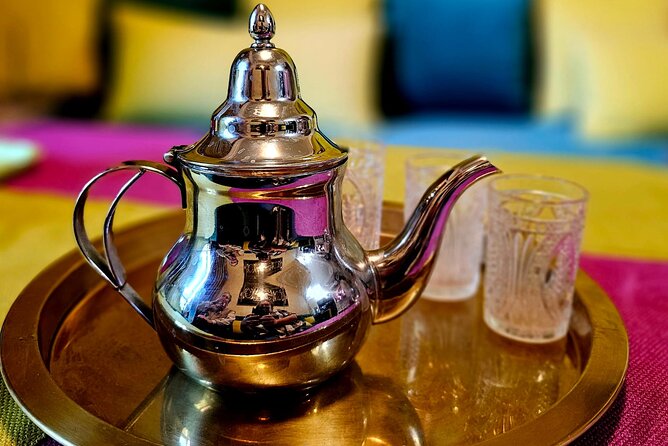
Moroccan mint tea gets its own place in the lesson. You learn how to prepare it, then share it with Moroccan sweets. This is more than a final drink. Tea gives the visit a social rhythm, especially while the main dish is cooking.
The time between preparation and the meal may include Moroccan music videos and conversation. That can be a welcome pause after working in the kitchen, and it gives you another way to learn about local customs and modern daily life.
I would plan to enjoy these pauses rather than rush them. A four-hour activity has enough room for shopping, preparation, tea, and eating, but it is not designed as a quick stop between major Casablanca sights. You are buying time with a family as much as you are buying a recipe.
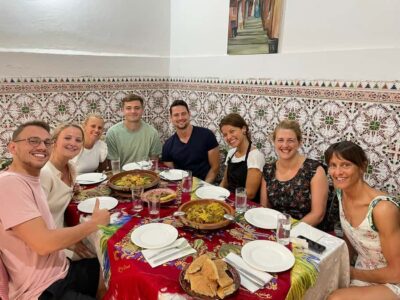
The meal is eaten together in a joyful, family setting. This final stage brings the market and cooking lesson together. You see the raw ingredients become a shared meal, and you can ask last questions while the techniques are still fresh.
What makes the market-to-table format valuable
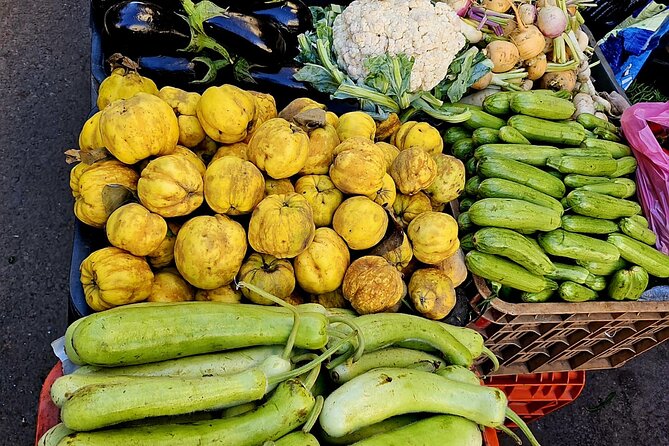
The strongest feature is the connection between place, ingredient, and recipe. A spice can look like a souvenir in a shop, but seeing it used in a local kitchen gives it a purpose. You learn not only what goes into Moroccan food, but how people shop for it and prepare it at home.
This format is also useful for anyone who wants to understand Morocco through everyday customs. You get a look at the family home, the market, the tea ritual, the music, and the way food brings people together. Those details often stay with you longer than a standard restaurant meal.
The experience can work well at the start of a Moroccan holiday. It gives you basic food vocabulary and a better sense of the dishes you are likely to see elsewhere. It can also work at the end of a trip, when you have already tasted tagine and couscous and want to learn how to make them yourself.
For a solo participant or couple, the six-person maximum should help keep the lesson personal. A larger group could make a home kitchen crowded, so the stated limit is important. The activity is also near public transportation, and the host has provided clear directions to the home for past bookings.
Who should book it, and who should think twice
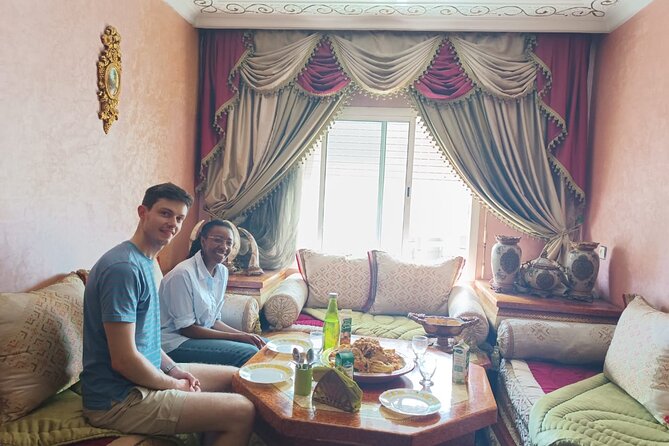
I would recommend this class to you if you want contact with local people, enjoy cooking, and prefer a meal with a story behind it. It suits couples, families, food lovers, and curious first-time visitors to Morocco.
It is also a good choice if you have dietary restrictions, provided you explain them ahead of time. The host is flexible with the menu, and vegetarian and vegan cooking is welcome.
You may want another activity if you are looking for a fast sightseeing tour, a restaurant-style tasting menu, or a professional culinary school with advanced equipment. This is not mainly about technical precision. It is about learning family recipes while sharing time in a Casablanca home.
The market is closed on Friday, and the experience ends back at the meeting point. Keep both facts in mind when planning your day. You should also leave enough time before your next appointment, since a family meal is not always easy to rush.
Price, timing, and practical value
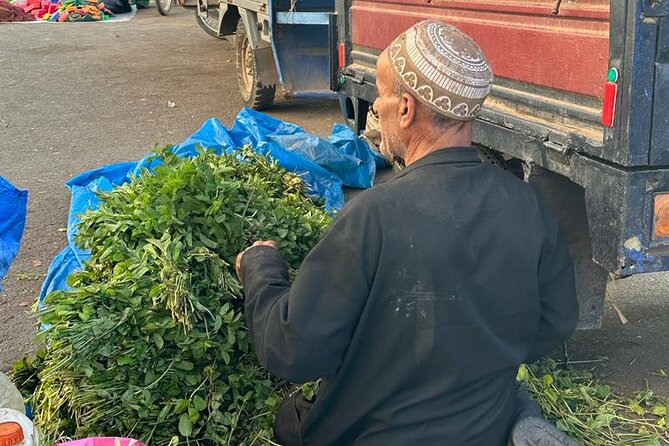
At $59 per person, the cost covers about four hours of activity, market ingredients, cooking instruction, tea, sweets, and the meal. It is not the cheapest way to eat in Casablanca, but it offers more than food. You are paying for the shopping trip, the teaching, the family welcome, and the chance to learn recipes you can use later.
The activity is often booked well in advance, with an average booking lead time of 46 days. That suggests you should not leave it until the last moment if your schedule is fixed. Confirmation is provided at booking, and the ticket is mobile, which keeps the arrival process simple.
Free cancellation is available until 24 hours before the local start time. Changes or cancellations within the final 24 hours are not accepted for a refund. Service animals are allowed, and the activity is near public transportation.
Should you book this Casablanca cooking experience?
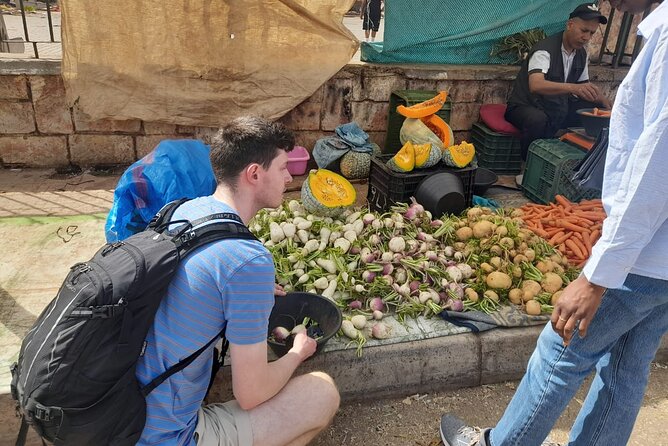
Book it if you want your Casablanca food experience to include people, shopping, and conversation, not just a plate at a restaurant. Inas and her family offer a personal setting, a flexible menu, and practical instruction built around recipes learned across generations.
The best reason to choose it is the complete chain: local souk, family kitchen, Moroccan tea, and a shared meal. The main caution is that the experience needs time and openness. If that sounds like your kind of afternoon, $59 is a sensible price for a meaningful introduction to Moroccan home cooking.
FAQ
How long does the cooking experience last?
The activity lasts approximately four hours.
Where does the activity start?
It starts at HFGJ+9RG, Casablanca 20250, Morocco.
Where does the activity end?
The activity ends back at the meeting point.
Is the local market open every day?
The local market is closed on Friday. Plan for another day if you want to take part in the market visit.
What dishes can I learn to prepare?
You can choose Moroccan dishes such as tagine, couscous, and pastilla.
Are vegetarian and vegan participants welcome?
Yes. Vegetarian and vegan participants are welcome.
Are dietary intolerances accommodated?
The host can adjust the cooking around dietary intolerances. Share your needs clearly before the activity.
How many people can join?
The activity has a maximum of six participants.
What is the cancellation policy?
You can cancel up to 24 hours before the local start time for a full refund. Cancellations or changes made less than 24 hours before the start time are not accepted.
Just added in Casablanca
- Casablanca Airport Transfer from hotel in Casablanca★ 5.0 · 18 reviews
- Exclusive tour of Casablanca with access to the Hassan II Mosque★ 5.0 · 205 reviews
- Your Private Casablanca Transfer★ 5.0 · 52 reviews
- 14 Days From Casablanca- Morocco Grand Tour★ 5.0 · 24 reviews
- Sunset Camel Ride in the Palm Grove Of Marrakech★ 5.0 · 34 reviews
- Casablanca Night Tour with Andalusian Dinner Show★ 4.5 · 25 reviews
- Chefchaouen the Blue City Full-Day Trip from Casablanca★ 4.5 · 79 reviews
- Marrakeck City tour from Casablanca all the day around trip★ 5.0 · 35 reviews
Cooking Classes, compared.
Traditional Moroccan Cooking Class & Market Visit
Read our review →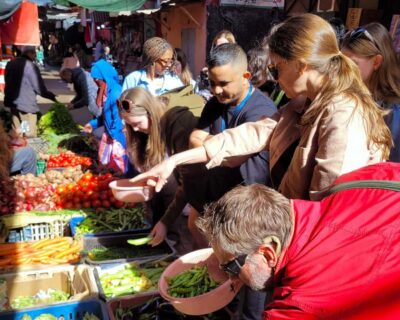
Moroccan Dishes Cooking Class with a Local Chef
Read our review →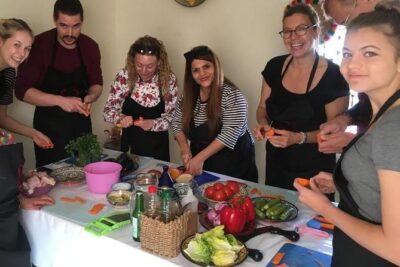
Moroccan Cooking Class & Marrakech Market Visit with Chef Khmisa
Read our review →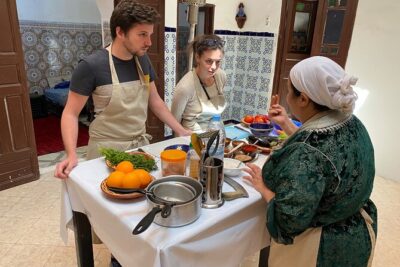
Half-Day Cooking Class with Local Chef Laila in Marrakech
Read our review →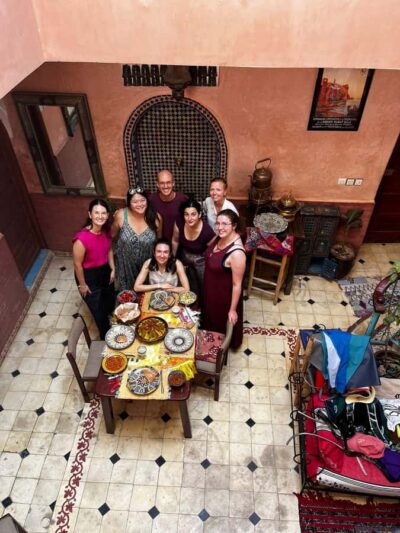
Browse the lists this tour appears in