
Reviewed · COOKING CLASSES
Rabat: Authentic Moroccan Cooking Class with Expert Chefs
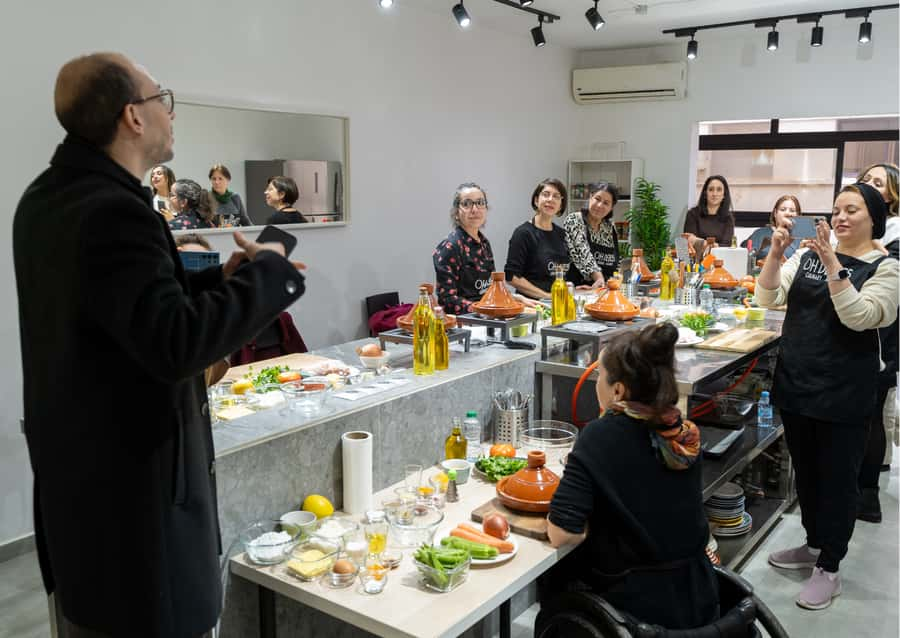
Moroccan cooking is built on small details, and this class puts those details in your hands. You’ll work with spices, preserved lemons, fermented butter, fresh ingredients, and traditional techniques while preparing a starter, main course, dessert, and often bread. The cooking feels practical, not like a chef’s lecture from across the room.
I like the small group of no more than 10, which gives you a fair chance to chop, mix, shape, and ask questions. I also like that you eat the meal you made, then take the recipes home. The one thing to plan for is the language setup: English speakers may follow a French-led class through a translator, and your clothes may carry the pleasant but persistent smell of spices afterward.
Key points at a glance
- A full Moroccan meal in about three hours: Prepare dishes from starter through dessert, then sit down to eat.
- Real kitchen details: Learn how preserved lemon, fermented butter, spices, and traditional breads shape Moroccan flavor.
- Small class size: The group is limited to 10, allowing more direct help from the chef and assistants.
- Several chefs and support staff: Chefs including Loubna and Najat have led sessions, with assistants such as Malak, Oumaima, Fatima, and Fatimah helping with translation and organization.
- Recipes and food included: Ingredients, equipment, professional guidance, the finished meal, tea, and recipes are covered in the $65 price.
- Easy for beginners: The class is designed for all skill levels, with English and French support and Arabic available.
What your three hours in the Rabat kitchen look like
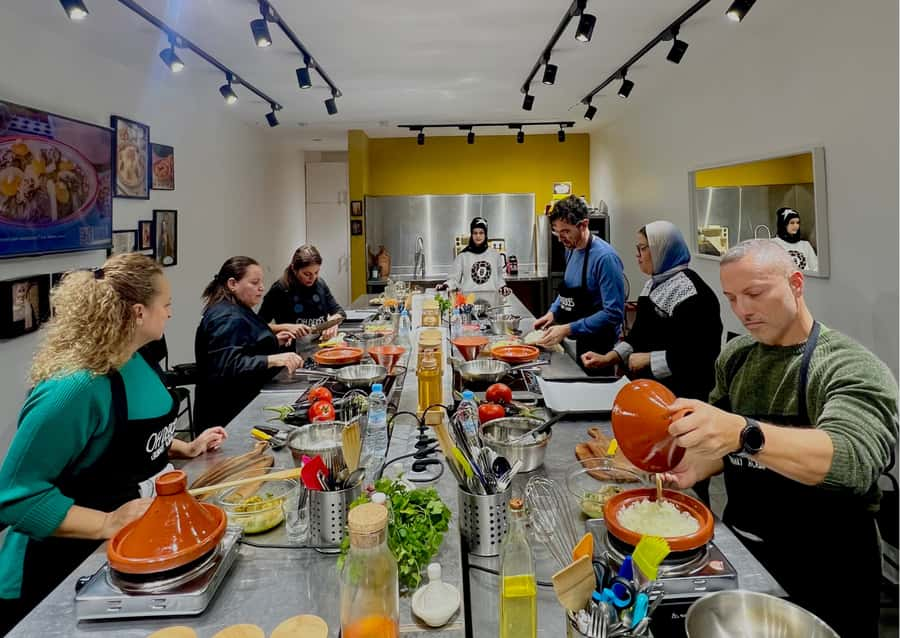
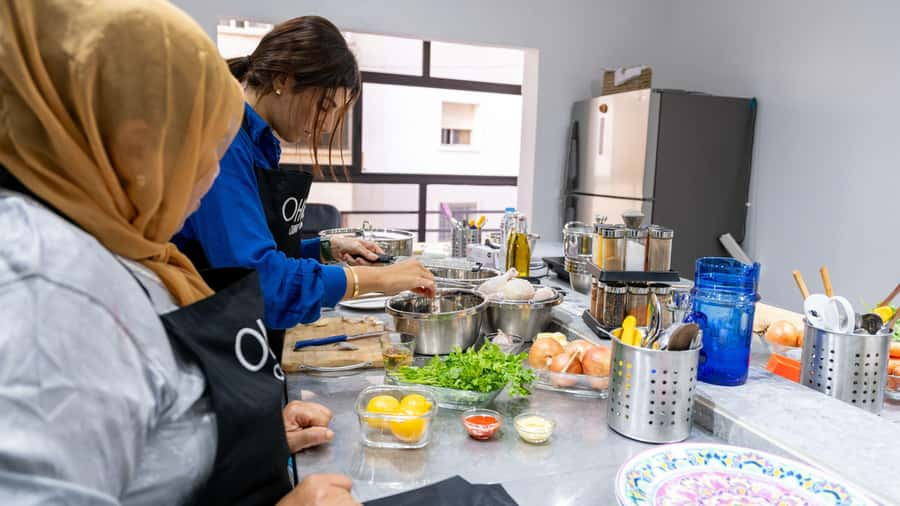
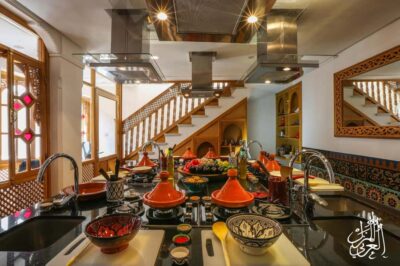
This is a hands-on class at OhDelices Culinary Academy in Rabat. The building is next to the Goethe Center, a useful landmark when you are finding the meeting point. Transportation is not included, so you make your own way there and back.
The class lasts about three hours. That is enough time to prepare several courses without turning the experience into an all-day commitment. You will cook with other participants, receive direction from the chef, and finish by sharing the meal at the table.
The exact menu can change. You may be asked what you would most like to cook, although the final plan can depend on the other people in the group. This is worth understanding before you book. You should expect classic Moroccan dishes, but you should not assume that every listed dish will appear in one session.
A typical class works through a full meal. You might begin with a vegetable starter, move to a tagine or another main course, prepare bread or couscous along the way, and finish with a sweet pastry or dessert. The class information specifically highlights tagines, pastillas, couscous, msemen, traditional breads, and Moroccan sweets.
The order matters less than the method. Moroccan food often rewards patience and careful seasoning rather than complicated equipment. You learn how individual ingredients work together, then see how the finished meal comes together at the end.
More cooking in Morocco:
- Marrakech: Moroccan Cooking Class with Pickup
★ 4.6 · 1,862 reviews - Marrakech: Traditional Moroccan Cooking Class & Market Visit
★ 4.8 · 1,861 reviews - Marrakesh: Moroccan Dishes Cooking Class with a Local Chef
★ 5.0 · 1,615 reviews
The ingredients that make Moroccan food taste Moroccan
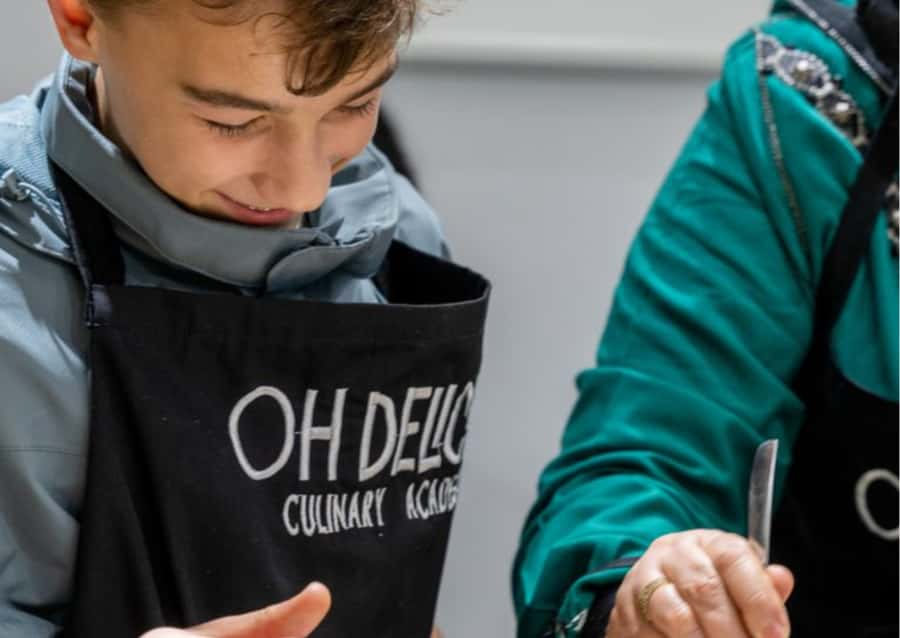
The best part of this class is not simply learning a recipe. It is learning why Moroccan food tastes different from the version you may find in a restaurant outside Morocco.
Spices are given special attention. You learn how they are used to build flavor instead of treating them as a single generic curry blend. The chef can explain how seasoning changes between a savory tagine, a sweet pastry, a bread dough, and a vegetable starter.
Some ingredients are especially useful to encounter in a class. Preserved lemon and fermented butter are featured examples. In a lemon chicken tagine, preserved lemon brings a salty, sharp citrus note that fresh lemon cannot quite copy. Fermented butter adds another layer that you may not know how to reproduce at home unless someone shows you what to look for.
This is where the class offers more than a standard recipe card. You get to handle ingredients that may be unfamiliar, notice their texture and smell, and learn how they fit into a dish. That kind of knowledge is hard to pick up from a cookbook alone.
You also work with fresh, seasonal ingredients. The exact produce is not specified, so I would not promise a particular vegetable or herb. Still, the emphasis on seasonal ingredients gives the lesson a useful connection to everyday Moroccan cooking rather than a fixed tourist menu.
From starter to tagine, the cooking has a clear purpose
The starter gives you a manageable way into the class. Eggplant is one example that has been prepared, and it is a good teaching ingredient because it can be roasted, softened, seasoned, and turned into a dish with a very different character from the raw vegetable.
Next comes the main course. Tagine is the obvious Moroccan classic, and the class may include chicken with preserved lemon or beef. These dishes teach you how Moroccan cooking builds a sauce around slow cooking, spice, and carefully chosen additions.
You are not simply handed a plate at the end. You help prepare the food, so you can see the stages that affect the final result. That is useful if you want to recreate the meal at home. You learn what the mixture should look like, how the ingredients are combined, and which steps require attention.
Couscous and msemen may also feature in the class. Couscous is a staple with many regional and household variations, while msemen gives you a chance to work with Moroccan bread dough. The class also covers traditional breads more broadly, although the exact bread prepared depends on the session.
Pastilla offers a different lesson. Its pastry, filling, seasoning, and sweet-savory balance make it more involved than a basic bread or salad. If it appears on your menu, expect a dish that shows how Moroccan cooking can move between savory and sweet flavors without treating them as separate worlds.
Dessert and mint tea finish the lesson
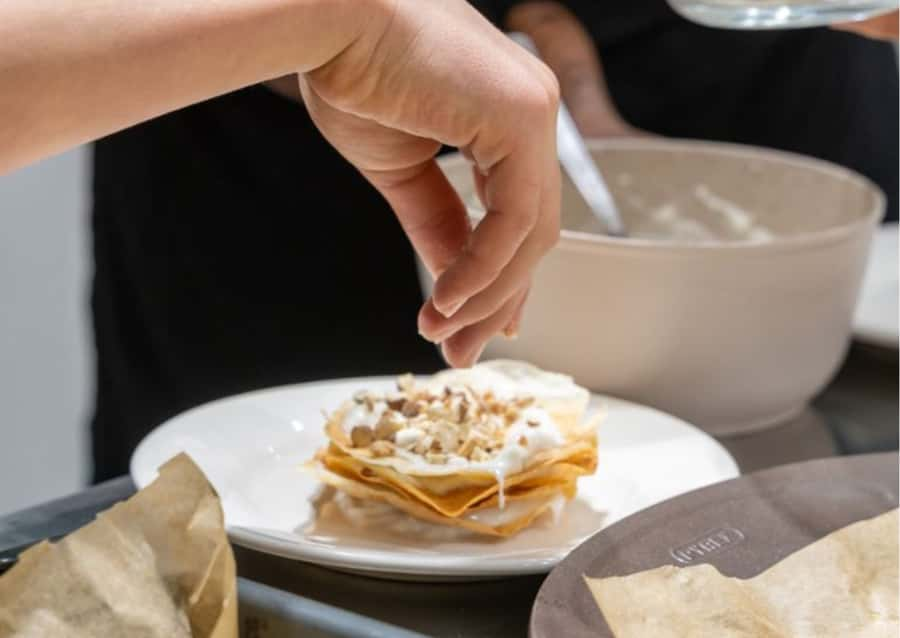
The dessert is not an afterthought. Moroccan sweets often depend on pastry, nuts, spices, honey, or careful shaping, and the class includes sweet Moroccan dishes as part of the full meal.
One session included a dessert pastry described as spectacular, but the specific recipe is not fixed. That flexibility is both a benefit and a small drawback. You may discover a dish you had not planned on making, but you cannot guarantee one particular sweet when you reserve.
After the cooking, you sit down to eat what the group has prepared. Moroccan mint tea is included, along with time for conversation and stories. This final meal gives the class a natural finish. You can taste the results while the methods are still fresh in your mind, and you can compare how different ingredients affected each course.
I find this more satisfying than a class that ends with a quick sample. A full meal also helps explain the $65 price. You are paying for a three-hour activity, all ingredients, equipment, instruction, a substantial meal, tea, and recipes to take home.
Same base, a different sort of day:
- Marrakech: Agafay Desert Sunset, Camel Ride, and Dinner Show
★ 4.6 · 35,119 reviews - From Marrakech: Ouzoud Waterfalls Guided Hike and Boat Trip
★ 4.7 · 33,630 reviews - Marrakech: Agafay Desert Quad & Camel Rides with Dinner Show
★ 4.8 · 27,382 reviews - Marrakech: Agafay Desert Quad Biking Tour with Dinner-Show
★ 4.8 · 16,569 reviews
The chefs and translators shape the experience
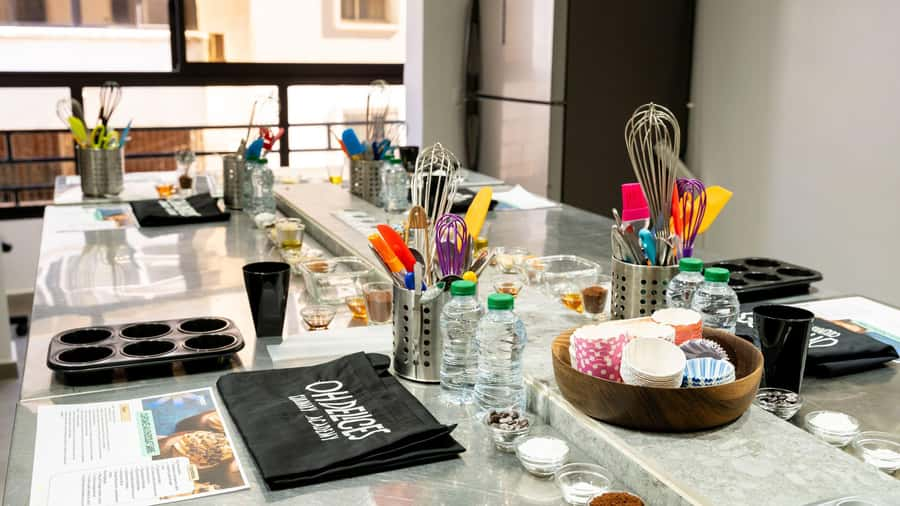
The teaching team can vary, but several names are connected with this class. Chef Loubna has led sessions, as has Chef Najat. Hannane and Fatimah have also guided participants, while assistants including Malak, Oumaima, and Fatima have helped with translation, hospitality, and keeping the class moving.
That matters because this is not only a cooking demonstration. You need someone to explain the steps while the group is working. You also need help when several dishes are in progress at once.
The main teaching languages are Arabic, English, and French. English and French classes are available, and a translator can assist when the chef teaches in French. If you are an English speaker, you should be comfortable with some instruction passing through a translator rather than every explanation coming directly from the chef.
In practice, cooking is a visual activity, which helps. You can watch how dough is handled, how a sauce changes, and how ingredients are arranged. Still, tell the provider about your language needs when booking if this is important to you.
The team also adds cultural context. You have room to ask about ingredients, cooking habits, and the role of each dish. That exchange is part of the value, especially if you want to understand Moroccan food rather than simply copy one meal.
Why the small group size matters
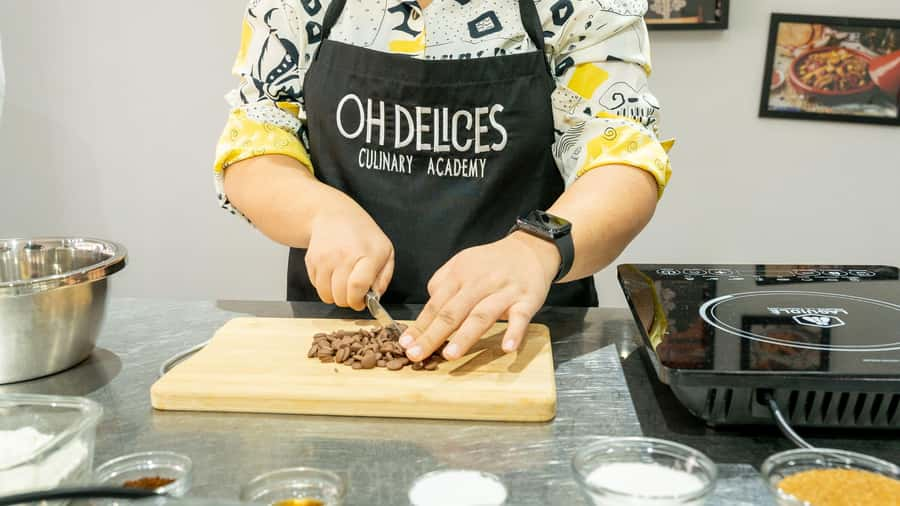
The class is limited to 10 participants, and some sessions have been much smaller. A small group gives you more direct access to the chef and assistants. You are less likely to spend the whole class watching someone else do the interesting work.
That said, the experience is still shared. You may prepare dishes with a partner or divide tasks among the group. This can be fun if you like meeting people, but it means you may not personally perform every step of every recipe.
The class suits solo visitors, couples, families, and groups. It also works for beginners because the cooking is supported and the recipes are traditional rather than presented as a professional examination.
Experienced cooks may enjoy it for a different reason. The unfamiliar ingredients and Moroccan techniques offer fresh ideas, especially if you already know your way around a kitchen. You can focus on the details of seasoning, dough, and preserved foods rather than worrying about basic knife work.
Wear comfortable clothing and shoes suitable for standing and cooking. Smoking, vaping, alcohol, drugs, weapons, and sharp objects are not allowed, and bare feet are not permitted. Those rules are simple, but they are worth knowing before you arrive.
Is $65 a fair price in Rabat?
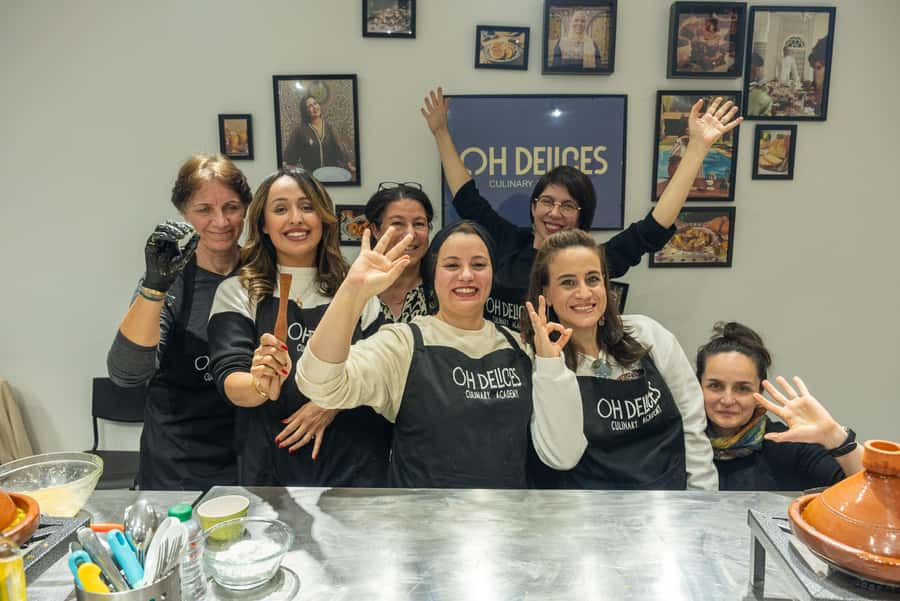
At $65 per person, this is not the cheapest way to eat in Rabat. You can certainly find a less expensive meal in Morocco. The comparison changes when you count what is included.
You receive three hours of instruction, all ingredients, cooking equipment, a full meal, Moroccan mint tea, and recipes. You also get access to chefs and assistants who can explain techniques that are difficult to learn from a menu.
I consider the price fair for someone who wants an activity as well as lunch or dinner. It is particularly good value if you use the recipes after returning home. The class becomes less attractive if you mainly want a quick meal or if you are not interested in cooking.
The full meal is also more useful than a small tasting. You can judge the results of your work across several courses. If the group prepares a starter, main dish, bread, and dessert, you leave with a clearer sense of how a Moroccan meal is built.
The price does not include transportation. Since the academy is next to the Goethe Center, you have a specific landmark for arrival, but you still need to arrange your own route.
A few practical limits to keep in mind
The menu can be adjusted based on the group, so do not book with the expectation of one guaranteed dish. You may be able to express a preference, but the final choice is not entirely individual.
The language arrangement also deserves attention. English speakers may have a French-speaking chef and an English translator. This has worked well for the class format, but translation can make a lesson feel a little less direct than a class taught entirely in your first language.
Cooking smells linger. Spices may stay on your clothes for the rest of the day, especially if this is one of your first activities in Rabat. I would wear something comfortable that you do not mind smelling like dinner, and avoid scheduling a formal evening immediately afterward.
Dietary restrictions and food preferences should be shared in advance. The information does not promise that every request can be met, so early notice is important.
The class is wheelchair accessible, which makes it a practical choice for many visitors. The activity still involves cooking and moving around a kitchen, so you may want to confirm any specific access needs before booking.
Cancellation is free up to 24 hours in advance, and you can reserve while paying later. Those policies are useful if your Rabat schedule is still shifting.
Who should book this Rabat cooking class?
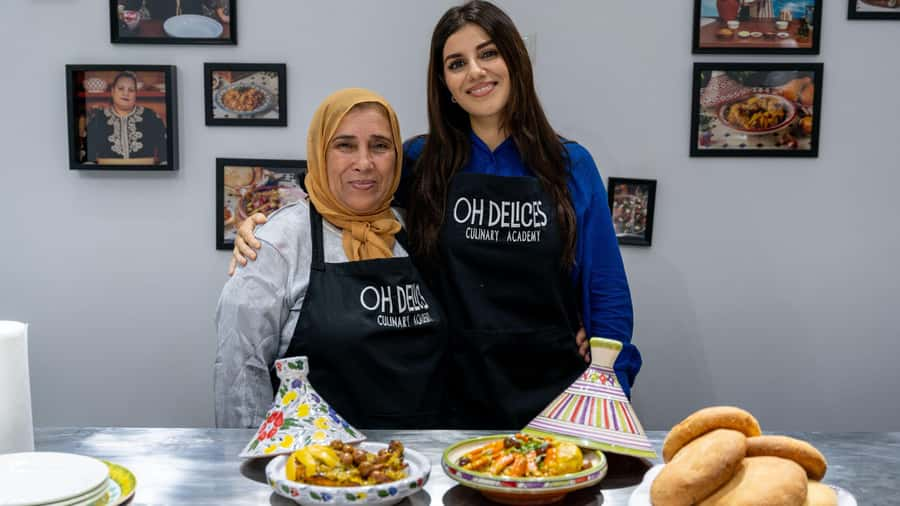
I would choose this class if you want contact with Moroccan food beyond restaurant dining. It gives you a reason to ask questions, handle ingredients, and understand why a tagine or pastry tastes the way it does.
It is a strong pick for couples and families because you share a finished meal at the end. Solo visitors can also use it as an easy way to meet people in a small group.
Beginners should feel comfortable booking. The class is built for all skill levels, and the chefs and assistants provide support. Experienced home cooks will find the most value in the ingredients, spice work, breads, and traditional methods.
I would hesitate only if you need a guaranteed menu, dislike shared group activities, or want a quiet restaurant meal rather than a hands-on lesson. For everyone else, the combination of cooking, conversation, and food makes good use of three hours in Rabat.
FAQ
Where does the cooking class take place?
The class takes place at OhDelices Culinary Academy in Rabat, in the Rabat-Salé-Kénitra region. The building is next to the Goethe Center building.
How long does the class last?
The cooking class lasts three hours. Starting times vary, so you should check availability when choosing a date.
What dishes might I prepare?
The class can include tagines, pastilla, couscous, msemen, traditional breads, starters, and Moroccan desserts. The exact menu may change based on the group and preferences.
Is the class suitable for beginners?
Yes. The activity is designed for all skill levels, and the chefs provide professional guidance throughout the cooking.
What languages are available?
The available languages are Arabic, English, and French. English and French classes are available with a translator when needed.
Is food included after the cooking?
Yes. You receive a full meal made during the class, along with Moroccan mint tea.
What does the $65 price include?
The price includes ingredients, cooking equipment, professional chef guidance, the meal after class, complimentary tea, and recipes to take home. Transportation is not included.
What should I bring and wear?
Bring comfortable shoes and wear comfortable clothing suitable for cooking. You should tell the provider about dietary restrictions or food preferences in advance.
Should you book it?
Book this class if you want to learn how Moroccan food is actually made, not just order it from a menu. The preserved lemon, fermented butter, breads, spice work, and full meal give the experience real substance, while the small group keeps it personal.
The flexible menu and translated instruction are the main considerations. If those suit you, $65 buys a useful three-hour lesson, dinner, tea, and recipes you can use long after you leave Rabat.
Just added in Morocco
- Fes to Chefchaouen Day Trip★ 5.0 · 20 reviews
- FES TO Chefchaouen Day Trip- luxury Private Tour★ 5.0 · 49 reviews
- Fes to Volubilis, Moulay Idriss and Meknes Private Day Trip★ 5.0 · 92 reviews
- walking day : private excursion in the ancient city of Fez★ 5.0 · 27 reviews
- Fes to Middle Atlas Private Day Trip★ 5.0 · 48 reviews
- Volubilis and Meknes day trip from Fez★ 4.5 · 17 reviews
- Tour guide in the old city of Fez★ 4.0 · 18 reviews
- Private Guided Tour in Fez Medina★ 5.0 · 94 reviews
Cooking Classes, compared.
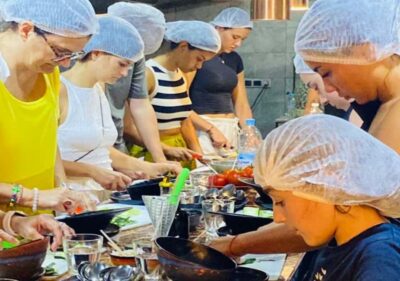
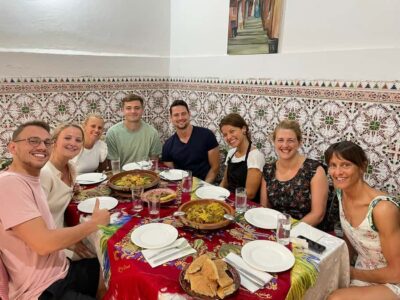
Traditional Moroccan Cooking Class & Market Visit
Read our review →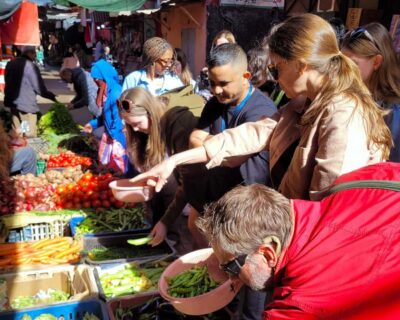
Moroccan Dishes Cooking Class with a Local Chef
Read our review →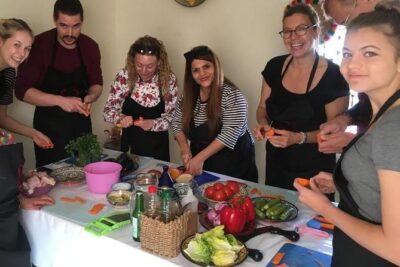
Moroccan Cooking Class & Marrakech Market Visit with Chef Khmisa
Read our review →
Half-Day Cooking Class with Local Chef Laila in Marrakech
Read our review →
Browse the lists this tour appears in